Revit二次开发——创建墙
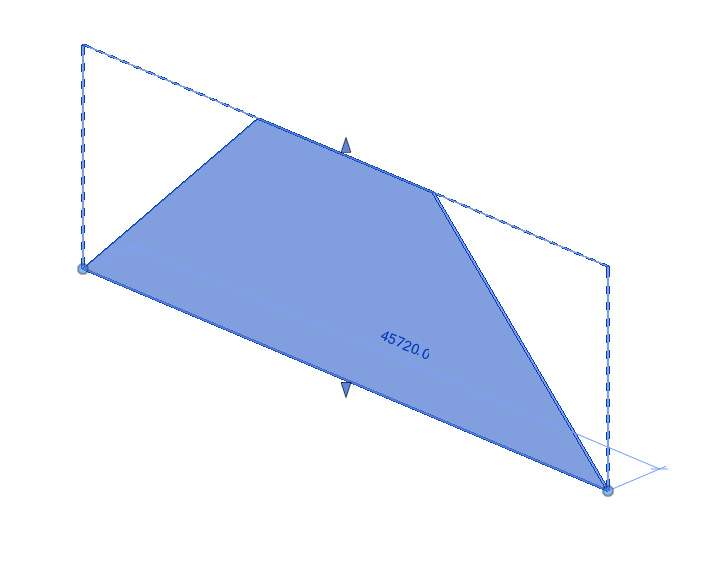
创建墙测试
  1 using Autodesk.Revit.UI;
  2 using System;
  3 using System.Collections.Generic;
  4 using System.Linq;
  5 using System.Text;
  6 using System.Threading.Tasks;
  7 using Autodesk.Revit.DB;
  8 using System.Windows.Forms;
  9 using Autodesk.Revit.Attributes;
 10 using MapTools;
 11 using System.Runtime.InteropServices;
 12 using XBIMApp;
 13 using Autodesk.Revit.UI.Selection;
 14 using Autodesk.Revit.ApplicationServices;
 15 namespace AxBIMTest
 16 {
 17     [Autodesk.Revit.Attributes.Transaction(TransactionMode.Manual)]
 18     [Autodesk.Revit.Attributes.Regeneration(RegenerationOption.Manual)]
 19
 20     public class AxWallCreate : IExternalCommand
 21     {
 22         Autodesk.Revit.ApplicationServices.Application app;
 23         Autodesk.Revit.DB.Document doc;
 24         List<AxWallLine> m_WallPolylines = null;
 25         public Result Execute(ExternalCommandData commandData, ref string message, ElementSet elements)
 26         {
 27             UIApplication uiApp = commandData.Application;
 28             UIDocument uiDoc = uiApp.ActiveUIDocument;
 29             app = uiApp.Application;
 30             doc = uiDoc.Document;
 31             Selection selection = uiDoc.Selection;
 32             OpenFileDialog dlg = new OpenFileDialog();
 33             dlg.Title = "打开墙线文件";
 34             dlg.Filter = "(*.shp)|*.shp";
 35             if (dlg.ShowDialog() == DialogResult.OK && dlg.FileName != String.Empty)
 36             {
 37                 String wallFileName = dlg.FileName;
 38                 MessageBox.Show(wallFileName);
 39                 ReadWallLinesSHP(wallFileName);
 40                 String info = "读取线的数目:" + m_WallPolylines.Count;
 41
 42                 MessageBox.Show(info, "信息");
 43                 CreateWall();
 44             }
 45
 46             return Result.Succeeded;
 47         }
 48
 49         //读取墙线文件
 50         private void ReadWallLinesSHP(string FILENAME)
 51         {
 52             IntPtr hShp;
 53             hShp = ShapeLib.SHPOpen(FILENAME, "rb+");
 54             m_WallPolylines = new List<AxWallLine>();
 55             // get shape info and verify shapes were created correctly
 56             double[] minB = new double[4];
 57             double[] maxB = new double[4];
 58             int nEntities = 0;
 59             ShapeLib.ShapeType shapeType = 0;
 60             ShapeLib.SHPGetInfo(hShp, ref nEntities, ref shapeType, minB, maxB);
 61             double m_MinX = minB[0];
 62             double m_MinY = minB[1];
 63             for (int i = 0; i < nEntities; i++)
 64             {
 65                 int iShape = i;
 66                 IntPtr pshpObj = ShapeLib.SHPReadObject(hShp, iShape);
 67                 AxPolyline2d plline = new AxPolyline2d();
 68                 ShapeLib.SHPObject shpObj = new ShapeLib.SHPObject();
 69                 Marshal.PtrToStructure(pshpObj, shpObj);
 70
 71                 int parts = shpObj.nParts;
 72                 if (parts > 0)
 73                 {
 74                     int[] partStart = new int[parts];
 75                     Marshal.Copy(shpObj.paPartStart, partStart, 0, parts);
 76                     int[] partType = new int[parts];
 77                     Marshal.Copy(shpObj.paPartType, partType, 0, parts);
 78
 79                     int number = shpObj.nVertices;
 80                     double[] m_padfX = new double[number];
 81                     Marshal.Copy(shpObj.padfX, m_padfX, 0, number);
 82                     double[] m_padfY = new double[number];
 83                     Marshal.Copy(shpObj.padfY, m_padfY, 0, number);
 84                     for (int iv = 0; iv < number; iv++)
 85                     {
 86                         double x = m_padfX[iv];
 87                         double y = m_padfY[iv];
 88                         x = x - minB[0];
 89                         y = y - minB[1];
 90                         Vector2d pt = new Vector2d(x * 1000, y * 1000);
 91                         plline.polyline.Add(pt);//
 92                     }
 93                     AxWallLine wall = new AxWallLine();
 94                     wall.WallId = 1000 + i;
 95                     wall.m_Polyline = plline;
 96                     wall.m_MaxZ = 3000;
 97                     wall.m_MinZ = 0;
 98                     wall.m_Thickness = 150;
 99                     m_WallPolylines.Add(wall);
100                 }
101                 ShapeLib.SHPDestroyObject(pshpObj);
102             }
103             ShapeLib.SHPClose(hShp);
104         }
105
106         public void CreateWall()
107         {
108             List<IList<Curve>> m_curves = new List<IList<Curve>>(); ;
109             for (int i = 0; i < m_WallPolylines.Count; i++)
110             {
111                 IList<Curve> curves = new List<Curve>();
112                 AxWallLine wall = m_WallPolylines[i];
113                 List<Vector2d> segments = wall.m_Polyline.polyline;
114                 for (int j = 0; j < segments.Count - 1; j++)
115                 {
116                     Vector2d segment0 = segments[j];
117                     Vector2d segment1 = segments[j + 1];
118                     XYZ pt0 = new XYZ(segment0.X, segment0.Y, 0);
119                     XYZ pt00 = new XYZ(segment0.X, segment0.Y, 50);
120                     XYZ pt1 = new XYZ(segment1.X, segment1.Y, 0);
121                     XYZ pt11 = new XYZ(segment1.X, segment1.Y, 50);
122                     Line line01 = Line.CreateBound(pt0, pt1);
123                     Line line11 = Line.CreateBound(pt1, pt11);
124                     Line line10 = Line.CreateBound(pt11, pt00);
125                     Line line00 = Line.CreateBound(pt00, pt0);
126                     curves.Add(line01);
127                     curves.Add(line11);
128                     curves.Add(line10);
129                     curves.Add(line00);
130                 }
131                 m_curves.Add(curves);
132             }
133             using (Transaction ts = new Transaction(doc,"AxCreateWall"))
134             {
135                 ts.Start();
136                 for (int i = 0; i < m_curves.Count; i++)
137                 {
138                     IList<Curve> curves_t = m_curves[i];
139                     Wall.Create(doc, curves_t, false);
140                 }
141
142                 ts.Commit();
143             }
144
145         }
146     }
147 }
 [Autodesk.Revit.Attributes.Transaction(TransactionMode.Manual)]
    [Autodesk.Revit.Attributes.Regeneration(RegenerationOption.Manual)]

    public class AxWallCreate : IExternalCommand
    {
        Autodesk.Revit.ApplicationServices.Application app;
        Autodesk.Revit.DB.Document doc;
        List<AxWallLine> m_WallPolylines = null;
        public Result Execute(ExternalCommandData commandData, ref string message, ElementSet elements)
        {
            UIApplication uiApp = commandData.Application;
            UIDocument uiDoc = uiApp.ActiveUIDocument;
            app = uiApp.Application;
            doc = uiDoc.Document;
            Selection selection = uiDoc.Selection;
            OpenFileDialog dlg = new OpenFileDialog();
            dlg.Title = "打开墙线文件";
            dlg.Filter = "(*.shp)|*.shp";
            if (dlg.ShowDialog() == DialogResult.OK && dlg.FileName != String.Empty)
            {
                String wallFileName = dlg.FileName;
                MessageBox.Show(wallFileName);
                ReadWallLinesSHP(wallFileName);
                String info = "读取线的数目:" + m_WallPolylines.Count;

                MessageBox.Show(info, "信息");
                CreateWall();
            }

            return Result.Succeeded;
        }

        //读取墙线文件
        private void ReadWallLinesSHP(string FILENAME)
        {
            IntPtr hShp;
            hShp = ShapeLib.SHPOpen(FILENAME, "rb+");
            m_WallPolylines = new List<AxWallLine>();
            // get shape info and verify shapes were created correctly
            double[] minB = new double[4];
            double[] maxB = new double[4];
            int nEntities = 0;
            ShapeLib.ShapeType shapeType = 0;
            ShapeLib.SHPGetInfo(hShp, ref nEntities, ref shapeType, minB, maxB);
            double m_MinX = minB[0];
            double m_MinY = minB[1];
            for (int i = 0; i < nEntities; i++)
            {
                int iShape = i;
                IntPtr pshpObj = ShapeLib.SHPReadObject(hShp, iShape);
                AxPolyline2d plline = new AxPolyline2d();
                ShapeLib.SHPObject shpObj = new ShapeLib.SHPObject();
                Marshal.PtrToStructure(pshpObj, shpObj);

                int parts = shpObj.nParts;
                if (parts > 0)
                {
                    int[] partStart = new int[parts];
                    Marshal.Copy(shpObj.paPartStart, partStart, 0, parts);
                    int[] partType = new int[parts];
                    Marshal.Copy(shpObj.paPartType, partType, 0, parts);

                    int number = shpObj.nVertices;
                    double[] m_padfX = new double[number];
                    Marshal.Copy(shpObj.padfX, m_padfX, 0, number);
                    double[] m_padfY = new double[number];
                    Marshal.Copy(shpObj.padfY, m_padfY, 0, number);
                    for (int iv = 0; iv < number; iv++)
                    {
                        double x = m_padfX[iv];
                        double y = m_padfY[iv];
                        x = x - minB[0];
                        y = y - minB[1];
                        Vector2d pt = new Vector2d(x * 1000, y * 1000);
                        plline.polyline.Add(pt);//
                    }
                    AxWallLine wall = new AxWallLine();
                    wall.WallId = 1000 + i;
                    wall.m_Polyline = plline;
                    wall.m_MaxZ = 3000;
                    wall.m_MinZ = 0;
                    wall.m_Thickness = 150;
                    m_WallPolylines.Add(wall);
                }
                ShapeLib.SHPDestroyObject(pshpObj);
            }
            ShapeLib.SHPClose(hShp);
        }

        public void CreateWall()
        {
            //List<Curve>;
            IList<Curve> curves = new List<Curve>();
            Line l1 = Line.CreateBound(XYZ.Zero, new XYZ(150, 0, 0));
            Line l2 = Line.CreateBound(XYZ.Zero, new XYZ(50, 0, 50));
            Line l3 = Line.CreateBound(new XYZ(50, 0, 50), new XYZ(100, 0, 50));
            Line l4 = Line.CreateBound(new XYZ(100, 0, 50), new XYZ(150, 0, 0));
            curves.Add(l1);
            curves.Add(l2);
            curves.Add(l3);
            curves.Add(l4);

            using (Transaction ts = new Transaction(doc,"AxCreateWall"))
            {
                ts.Start();
                Wall.Create(doc, curves, false);
                ts.Commit();
            }

            for (int i = 0; i < m_WallPolylines.Count; i++)
            {
                AxWallLine wall = m_WallPolylines[i];
                List<Vector2d> segments = wall.m_Polyline.polyline;
                for (int j = 0; j < segments.Count-1; j++)
                {
                    Vector2d segment0 = segments[j];
                    Vector2d segment1 = segments[j+1];
                    XYZ pt0 = new XYZ(segment0.X, segment0.Y, 0);
                    XYZ pt1 = new XYZ(segment1.X, segment1.Y, 0);
                    Line line = Line.CreateBound(pt0, pt1);

                    //Wall.Create(doc, line, true);
                }
            }
        }
    }
作者:太一吾鱼水
文章未经说明均属原创,学习笔记可能有大段的引用,一般会注明参考文献。
欢迎大家留言交流,转载请注明出处。

 浙公网安备 33010602011771号