Solutions of Soil Salinization
Soil salinization prevention bases on avoiding excessive salt penetration. Even though plants require a certain amount of salts to develop, their needs are small compared to the content in salt-affected soils. Here are some typical methods to prevent soil salinization:
- Deep plowing and deep plowing.
The distribution of salt in soil is that there is more surface layer and less lower layer. After plowing, the salt in the surface soil can be deducted to the bottom of the plow layer, and the soil with less salt in the lower layer can be plowed to the surface. Tillage can loosen the tillage layer, cut off soil capillaries, weaken soil moisture evaporation, and effectively control soil salt return. The best time for plowing saline alkali soil is in spring and autumn. Spring and autumn are seasons with heavy salt return. Autumn plowing is particularly beneficial for killing disease and insect eggs, removing weeds, burying roots deeply, strengthening organic matter decomposition and releasing delayed nutrients, so it is worth promoting.
2. Increase the application of organic fertilizers and apply chemical fertilizers reasonably.
Saline alkali land generally has the characteristics of low temperature, thin soil, and poor structure. Organic fertilizer is decomposed and transformed by microorganisms to form humus, which can improve the buffering capacity of the soil and react with sodium carbonate to form sodium humate, reducing soil alkalinity. Sodium humate can also stimulate crop growth and enhance salt resistance. Humus can promote the formation of granular structure, thereby increasing porosity and permeability, facilitating salt leaching and inhibiting salt return. During the decomposition process of organic matter, a large amount of organic acids are generated, which can neutralize soil alkalinity and accelerate nutrient decomposition, promote the transformation of delayed nutrients, and improve the effectiveness of phosphorus. Therefore, increasing the application of organic fertilizers is an important measure to improve saline alkali soil and increase soil fertility.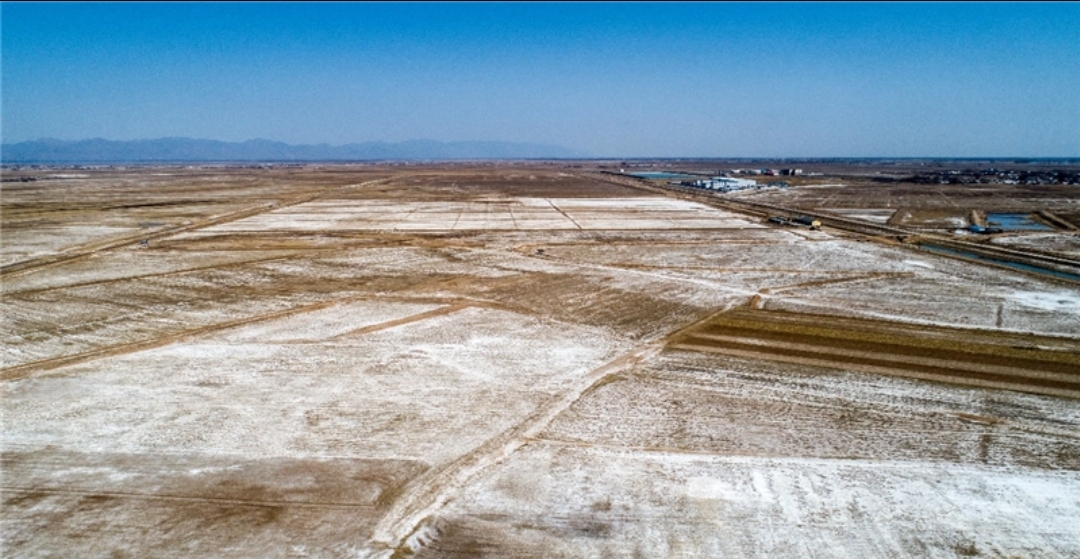
In addition, the role of fertilizers in improving salt alkali has also been valued. Fertilizers add nitrogen, phosphorus, and potassium to the soil, promote crop growth, and improve crop salt tolerance. Applying chemical fertilizers can change the soil salt composition and inhibit the adverse effects of salts on plants. Inorganic fertilizers can increase crop yield, increase straw production, expand organic fertilizer sources, and promote organic growth through inorganic fertilizers.
Of course, when applying fertilizers to saline alkali soil, it is necessary to avoid using alkaline fertilizers such as ammonia, ammonium bicarbonate, lime nitrogen, calcium magnesium phosphate, etc. Instead, neutral and acidic fertilizers should be preferred. Potassium sulfate compound fertilizer is a slightly acidic fertilizer that is suitable for application on saline alkali soil and has a good effect on improving saline alkali soil.

 浙公网安备 33010602011771号