

c++从office word的xml源文本文件中提取空行后的首个段落
背单词时将难记单词的词源整理到了一个word文档中,按字典序排好了顺序,每个单词之间用空行隔开。
由于记录的单词越来越多,手动维护(查找)新的生词要插入的位置越来越费力(词汇量大,难以统计已被记录的生词;词源解释中包含大量无关单词,难以通过crtl+f查找立即定位想要的前缀)。
就想着写一个程序,从已有的word文件中预处理出已记录的单词的列表,存储在txt文件中,方便日后直接通过该txt文件查找插入位置。
——————————————————————————————————————————————————————————————————
准备工作1:确定要提取的文本
——————————————————————————————————————————————————————————————————
记录词源的word文档如图:
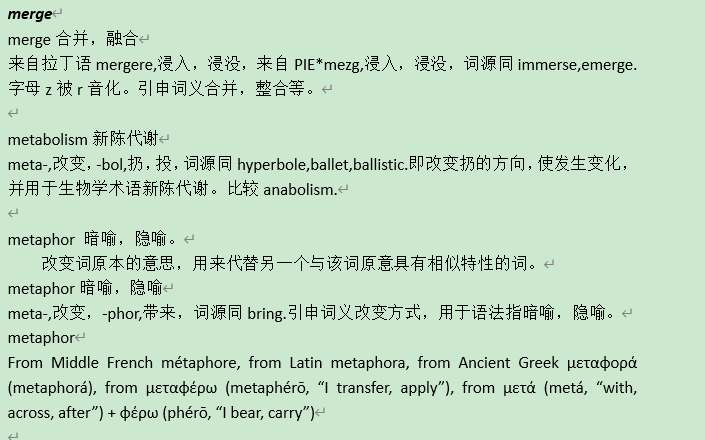
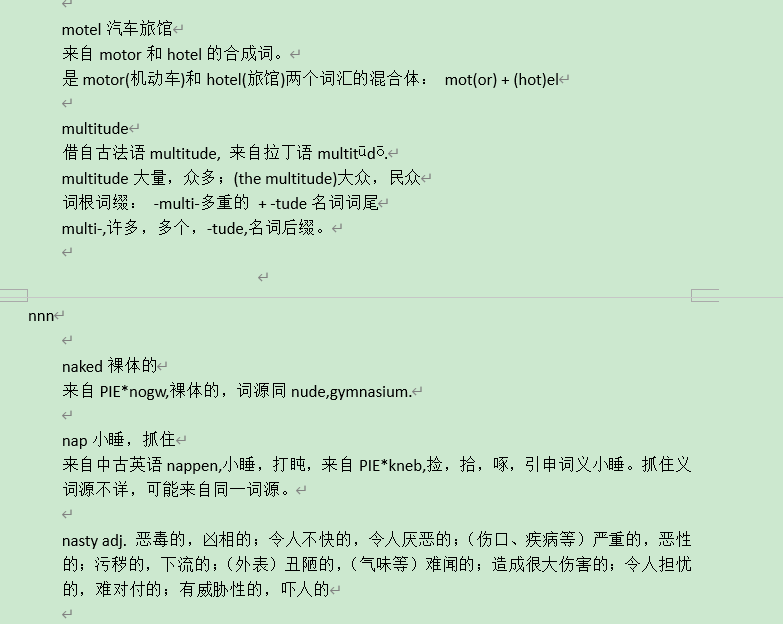
记录时有意识地让每个单词间隔了个空行(万幸);单词释义和词源之间也通过换行符分割开来。(如果有意识地记录加入了哪些单词就不用这么费事了)
容易看出单词内部没有空行(段),不同单词之间一定有空行(段)。
容易想到只需要处理出所有空行(段)后面的第一段(非空)就可以了。
————————
准备工作2:观察word文档的xml文本文件。
————————
将word文档用压缩文件打开。
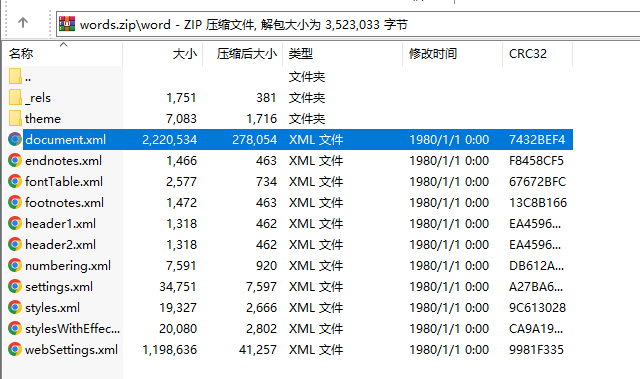
找到记录文本的document.xml文件。
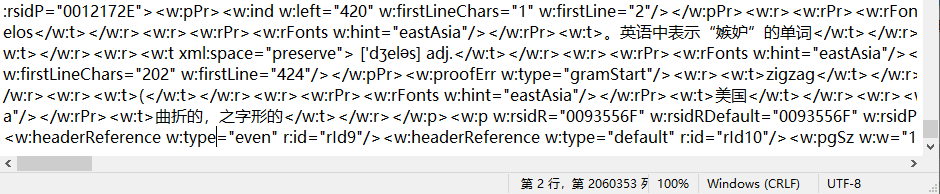
通过记事本打开可以发现,正片文档只有两行,无需处理空行。
第一行:
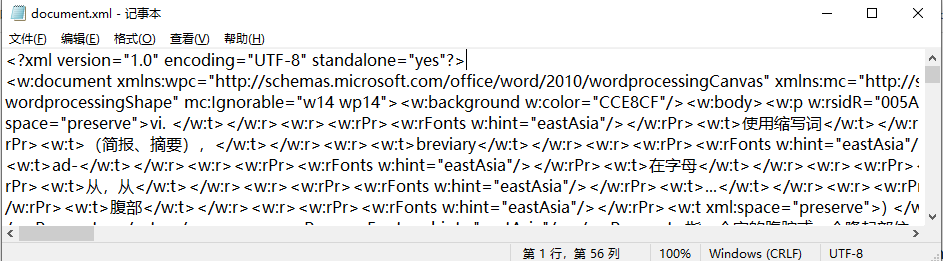
第二行:
通过浏览器打开该xml文件,可以清晰地看出目录结构。
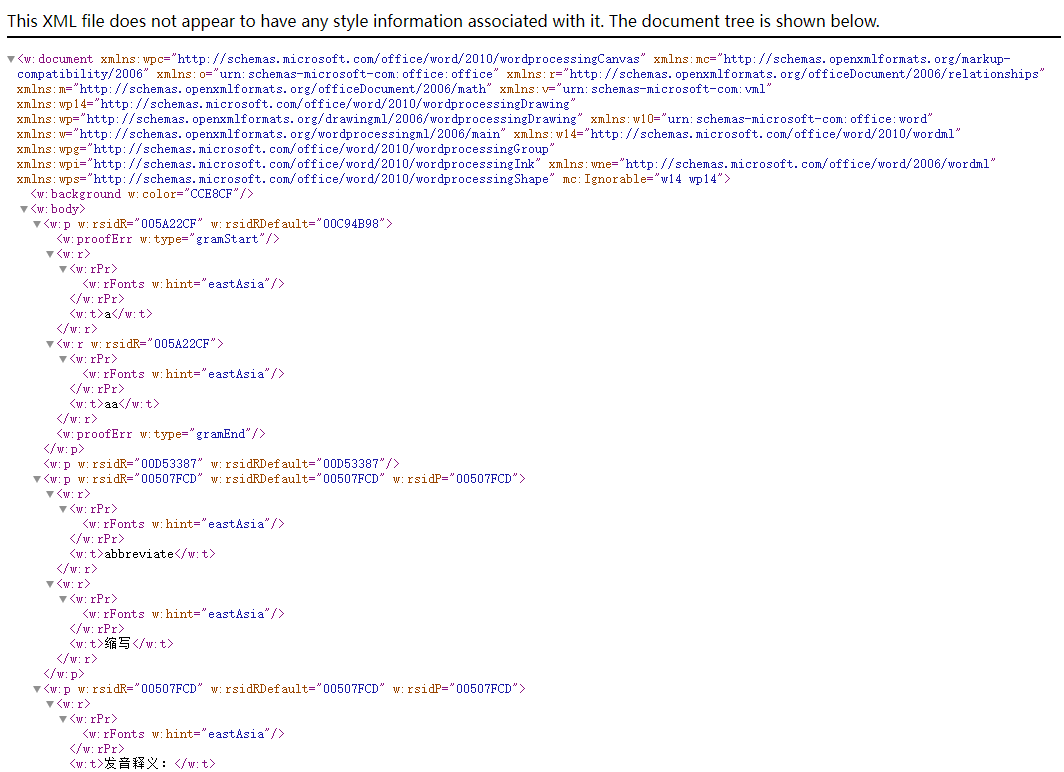
之前听说过xml文件是由大量标签构成的标记语言,每个标签的作用及语法无需细究,能看出和html语言类似的地方(指 body 标签和段落标签。(<w:p></w:p>标签标记了一个段落))
对照word文件和xml文件容易发现空行(段落)的几种主要形式:
1.形如<w:p />。
//形如 <w:p />
<w:p w:rsidR="00D53387" w:rsidRDefault="00D53387"/>

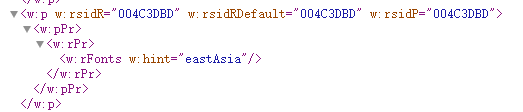
2.只含标签的空段落。
//只含标签的空段落
<w:p w:rsidR="004C3DBD" w:rsidRDefault="004C3DBD" w:rsidP="004C3DBD">
    <w:pPr>
        <w:rPr>
             <w:rFonts w:hint="eastAsia"/>
        </w:rPr>
    </w:pPr>
</w:p>
3.暂时没找到。
——————————————————————
文本被<w:t></w:t>标签包围,同段文本在同样的<w:p></w:p>标签之间。
准备工作结束
可以看出,只要定位出空段落的位置,再从接下来的段落中提取出文本就可以了。
——————————————————————
——————————————————————
主要思路:
1,所有空行(段落)都由"<w:p"开头,读到"<w:p"时进行空行(段落)判定。
1)读完一个标签时,如果末尾由"/>"结尾,可判定为空行。
2)不满足1)时,如果由"<w:p "开头,则对整段进行判定,读取到"</w:p>"为止,只含标签,则判定为空行。
2,判定为空行时文件指针已经移动到下一段开头,直接在下一段内(下一个</w:p>标签前)寻找<w:t></w:t>标签,打印其中内容。
细节优化:
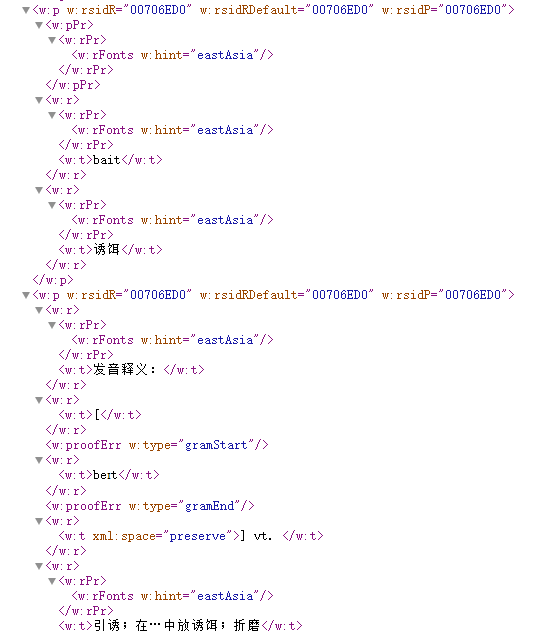
1、连续空行且出现不同空行形式时,可能会出现无输出的情况,如图所示。在打印文本时需要设置flag=1,在有文本输出时将其置为0,否则不断循环(防止遇到空段结束直接跳出)。
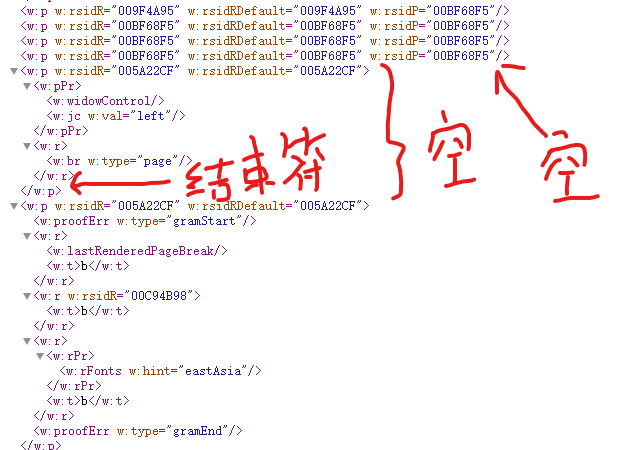
一个简单的小模拟,我的实现也不是最优的,就写到这里。
下面是代码。
#include<stdio.h>
#include<algorithm>
#include<string.h>
#include<stdlib.h>

const int maxn = 1e5+5;

int tx[maxn+5];

//向后移动文件指针
inline int moven(int num, FILE* now)
{
    int chn;
    while((chn = getc(now)) != EOF && (--num));
    return chn;
}

// make array for lable
//full <W:P> has been saved
int r_lable(FILE *now)
{
    int cnt = 0;
    while((tx[++cnt] = getc(now)) != EOF){
        if(tx[cnt] == '>') break;
    }
    return cnt;
}

//read </w:p> after reading <w:p>
bool is_emptwp(FILE * now)
{
    int chn;
    while((chn = getc(now)) != EOF)
    {
        if(chn == '<'){
            chn = getc(now);
            //second
            if(chn == '/'){
                chn = moven(3, now);
                if(chn == 'p'){
                    chn = getc(now);
                    if(chn == '>') return 1;
                }
            }
            //move
            while(chn != '>' && (chn = getc(now)) != EOF);
        }
        else return 0;
    }
    return 0;
}

inline bool is_readwp(int len, FILE *now)
{
    //<w:p /> || empty<w:p></w:p>
    return tx[len-1] == '/' || is_emptwp(now);
}

//find next <w:t></w:t>
int match_t(FILE * now, FILE * outn){
    int chn, flag = 1;
    while((chn = getc(now)) != EOF){
        if(chn == '<'){
            chn = getc(now);
            if(chn == '/'){
                chn =  moven(3, now);
                if(chn == 'p') {
                    chn = getc(now);
                    if(chn == '>')
                    return flag;
                }
            }
            else {
                chn = moven(2, now);
                if(chn == 't'){
                    chn = getc(now);
                    if(chn != 'a'){
                    while(chn != '>' && (chn = getc(now)) != EOF);
                    while((chn = getc(now)) != EOF && chn != '<') {
                        putc(chn, outn);
                        flag = 0;
                        };
                    }
                }
            }

        }
    }
    return 0;
}

int main()
{
    int chr, chw;
    FILE *in, *out;
    // char n_read[55], n_out[55];

    in = fopen("document.xml", "r");
    out = fopen("base.txt", "r+");

    //locate body
    while((chr = getc(in)) != EOF){
        if(chr == '<'){
            chr = moven(3, in);
            if(chr == 'b') break;
            else continue;
        }
    }

    //locate <w:p />
    while((chr = getc(in)) != EOF){
        if(chr == '<'){
            chr = moven(3, in);
            if(chr == 'p'){
                chr = getc(in);
                if(chr == ' ') {
                    int len = r_lable(in);
                    if(is_readwp(len, in)){
                        while(match_t(in, out));
                        putc('\n', out);
                    }
                }

                //if match <w:p /> go match <w:t></w:t>
            }
        }
    }

    fclose(in);
    fclose(out);
    return 0;
}
/*
提取<w:t></w:t>间的字符
定位空行<w:p />后的段落
读取空行后 读取一段
*/
成果如图:
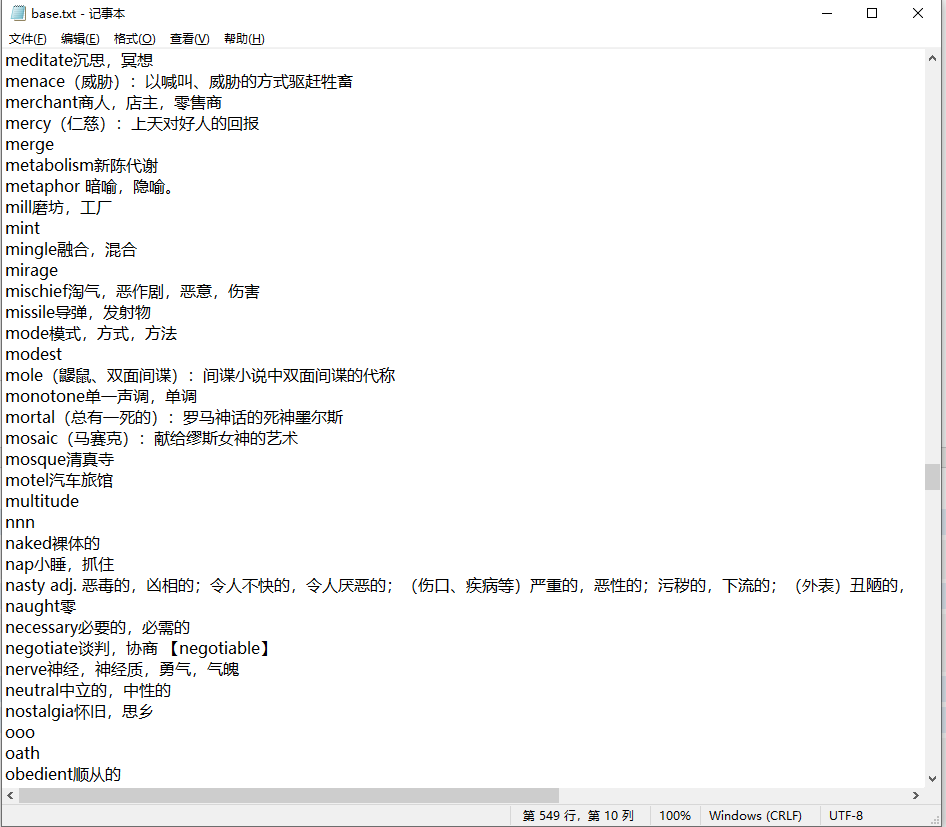
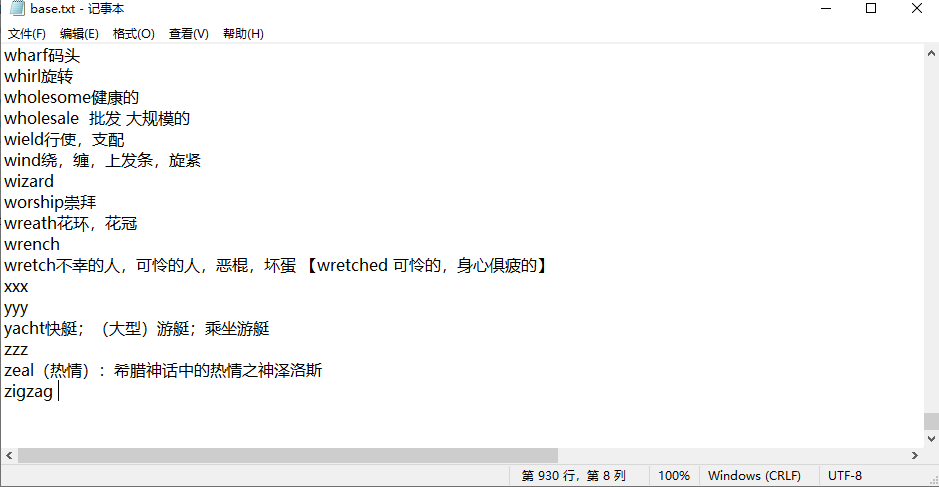
有了这个再跑kmp,二分或者后缀自动机就方便了(

 浙公网安备 33010602011771号