import torch
import torch.nn as nn
from torch.distributions import Categorical
import gymnasium as gym

device = torch.device("cuda:0" if torch.cuda.is_available() else "cpu")

class Memory:
    def __init__(self):
        self.actions = []
        self.states = []
        self.logprobs = []
        self.rewards = []
        self.is_terminals = []

    def clear_memory(self):
        del self.actions[:]
        del self.states[:]
        del self.logprobs[:]
        del self.rewards[:]
        del self.is_terminals[:]

class ActorCritic(nn.Module):
    def __init__(self, state_dim, action_dim, n_latent_var):
        super(ActorCritic, self).__init__()

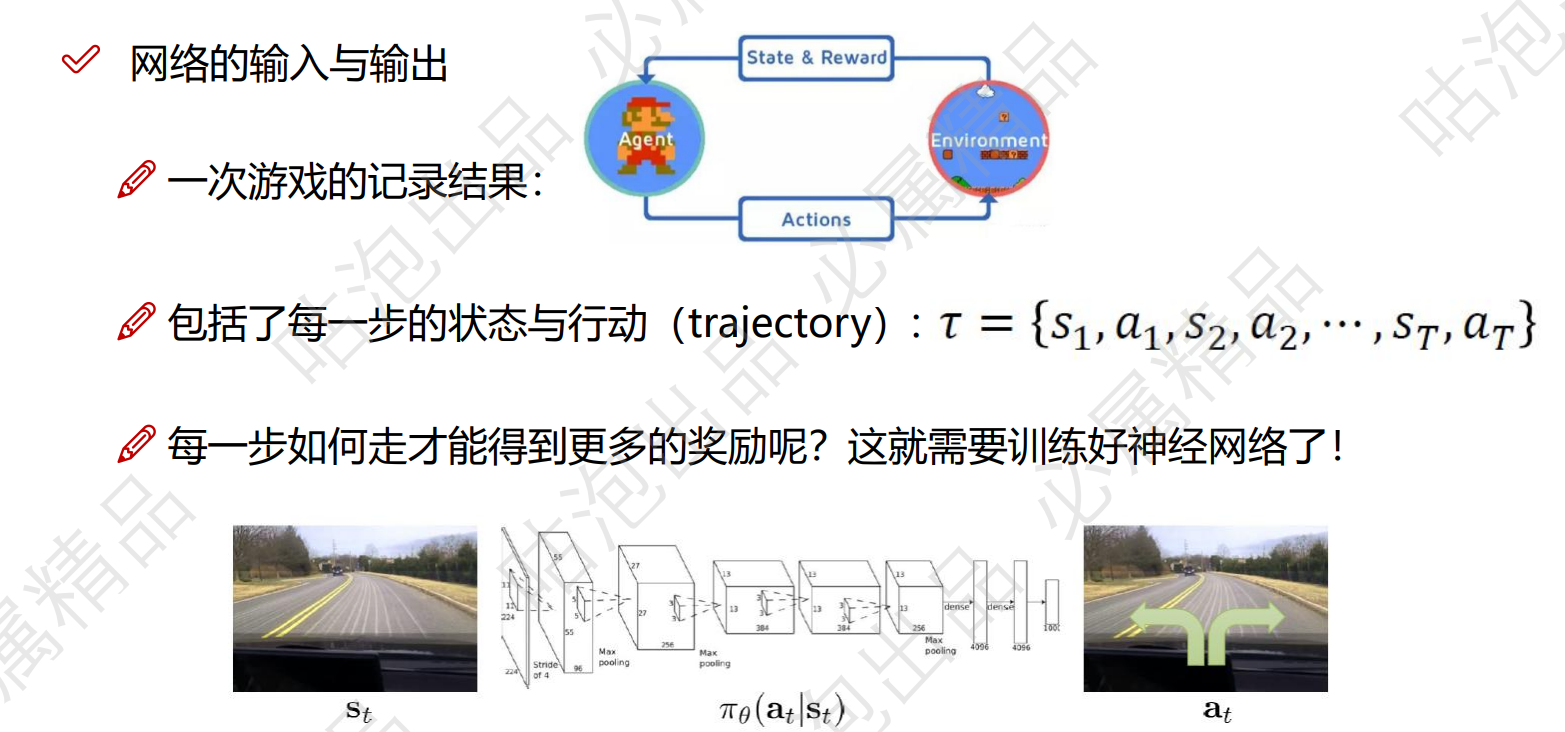
        # actor,4个动作
        self.action_layer = nn.Sequential(
                nn.Linear(state_dim, n_latent_var),
                nn.Tanh(),
                nn.Linear(n_latent_var, n_latent_var),
                nn.Tanh(),
                nn.Linear(n_latent_var, action_dim),
                nn.Softmax(dim=-1)
                )

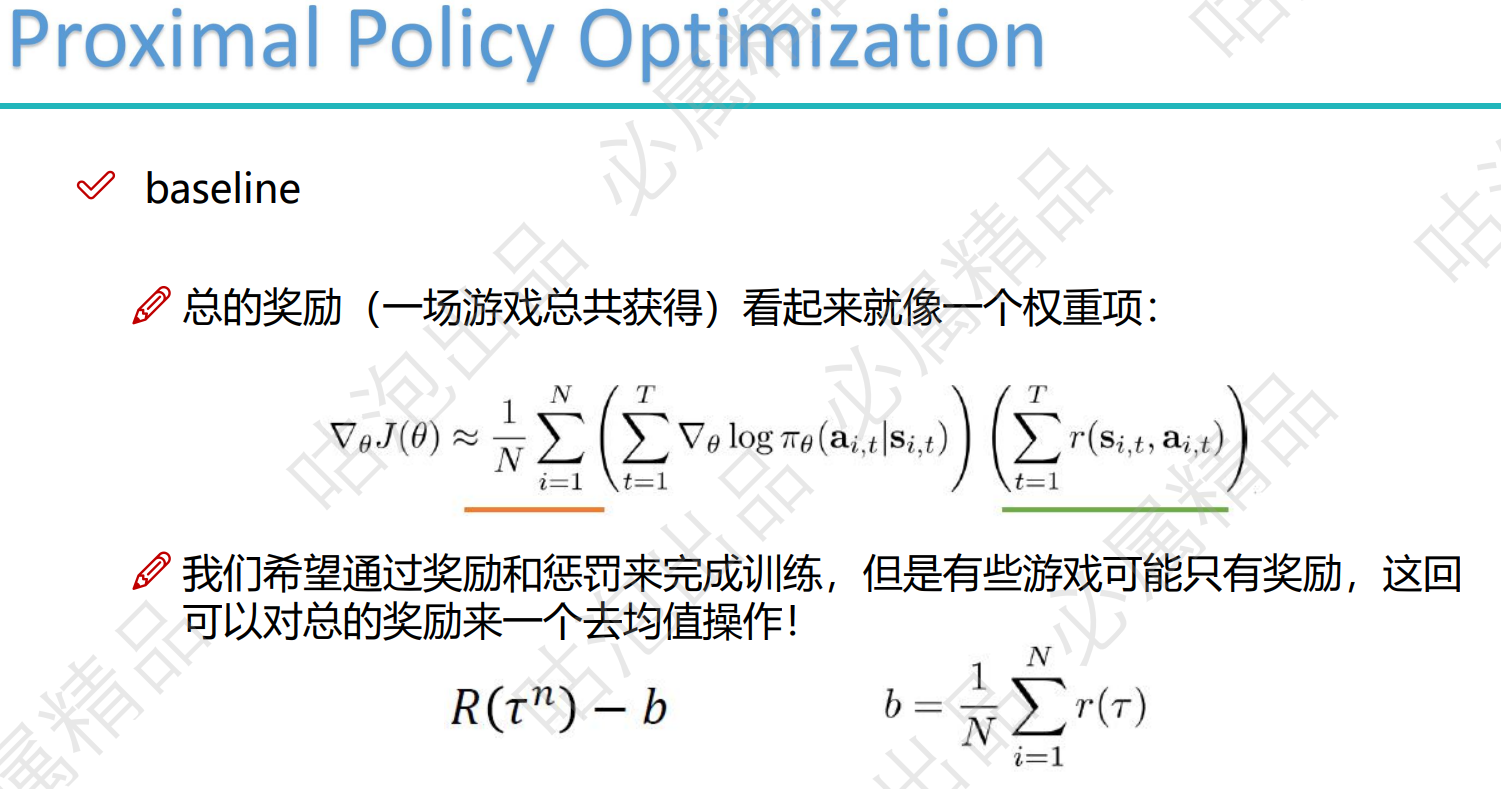
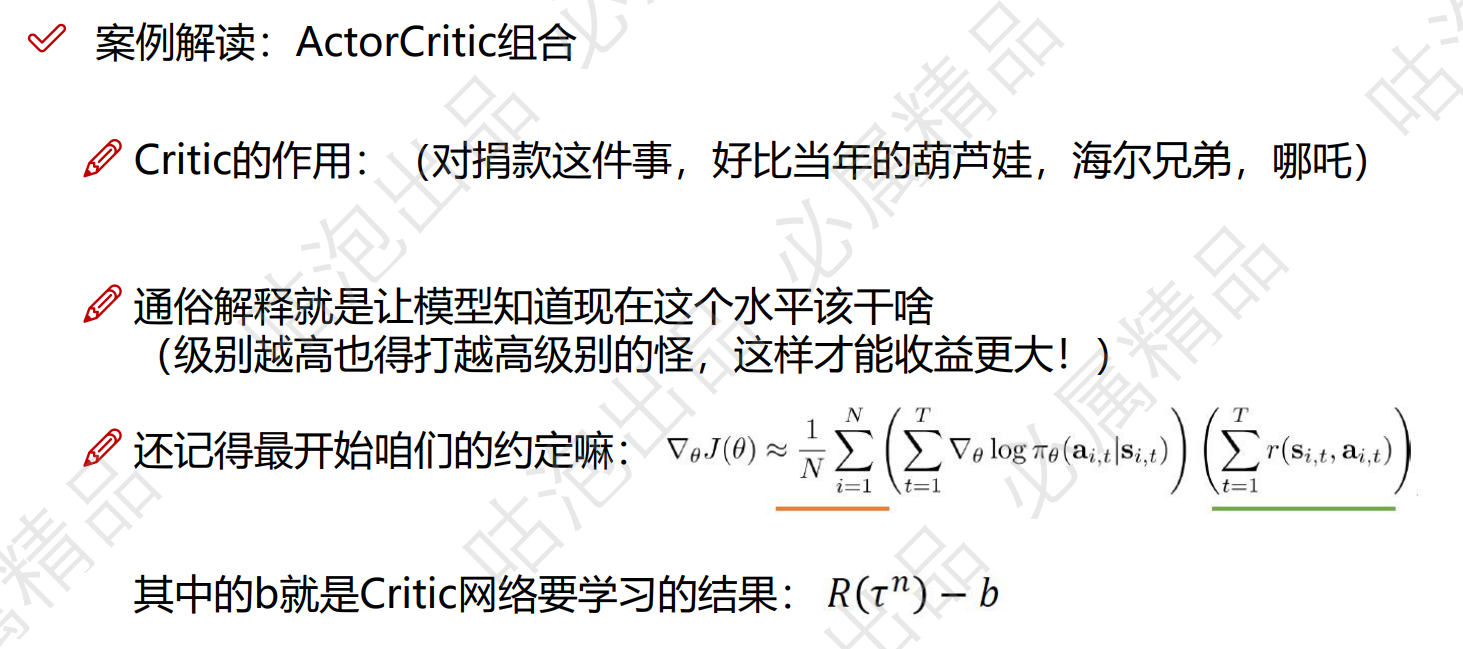
        # critic,得到一个b,value值
        self.value_layer = nn.Sequential(
                nn.Linear(state_dim, n_latent_var),
                nn.Tanh(),
                nn.Linear(n_latent_var, n_latent_var),
                nn.Tanh(),
                nn.Linear(n_latent_var, 1)
                )

    def forward(self):
        raise NotImplementedError

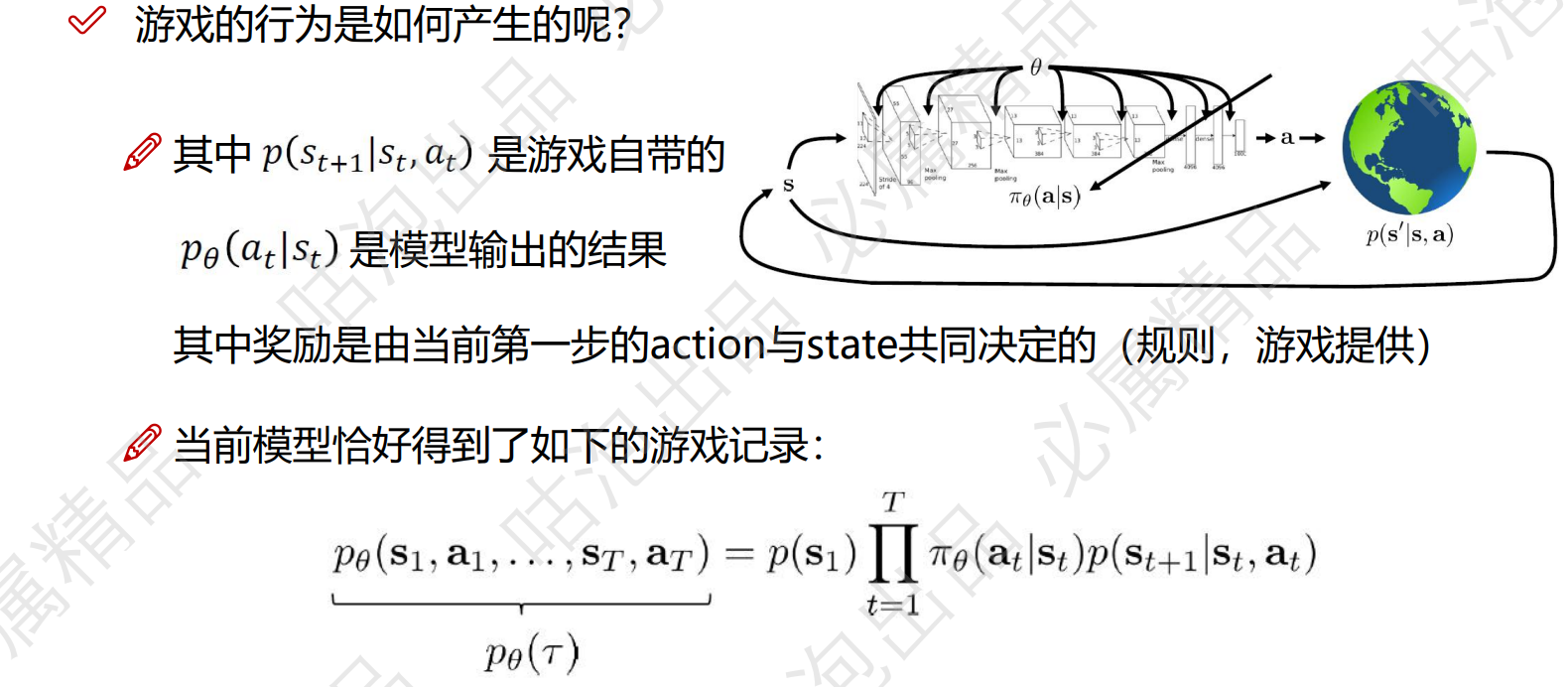
    def act(self, state, memory):
        state = torch.from_numpy(state).float().to(device)
        action_probs = self.action_layer(state)
        dist = Categorical(action_probs)#按照给定的概率分布
        action = dist.sample()#根据给定概率分布采样

        memory.states.append(state)
        memory.actions.append(action)
        memory.logprobs.append(dist.log_prob(action))

        return action.item()

    def evaluate(self, state, action):
        action_probs = self.action_layer(state)
        dist = Categorical(action_probs)

        action_logprobs = dist.log_prob(action)
        dist_entropy = dist.entropy()

        state_value = self.value_layer(state)

        return action_logprobs, torch.squeeze(state_value), dist_entropy

class PPO:
    def __init__(self, state_dim, action_dim, n_latent_var, lr, betas, gamma, K_epochs, eps_clip):
        self.lr = lr
        self.betas = betas
        self.gamma = gamma
        self.eps_clip = eps_clip
        self.K_epochs = K_epochs

        self.policy = ActorCritic(state_dim, action_dim, n_latent_var).to(device)
        self.optimizer = torch.optim.Adam(self.policy.parameters(), lr=lr, betas=betas)
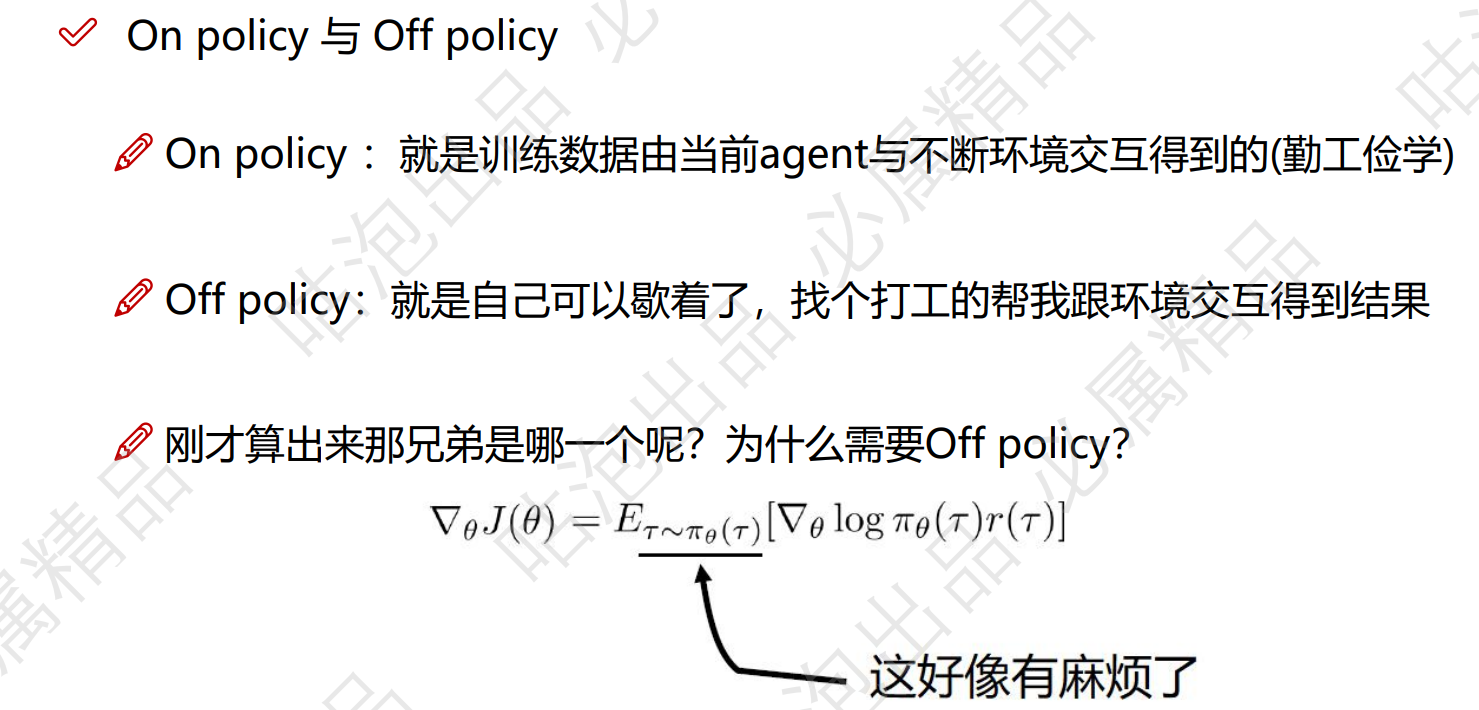
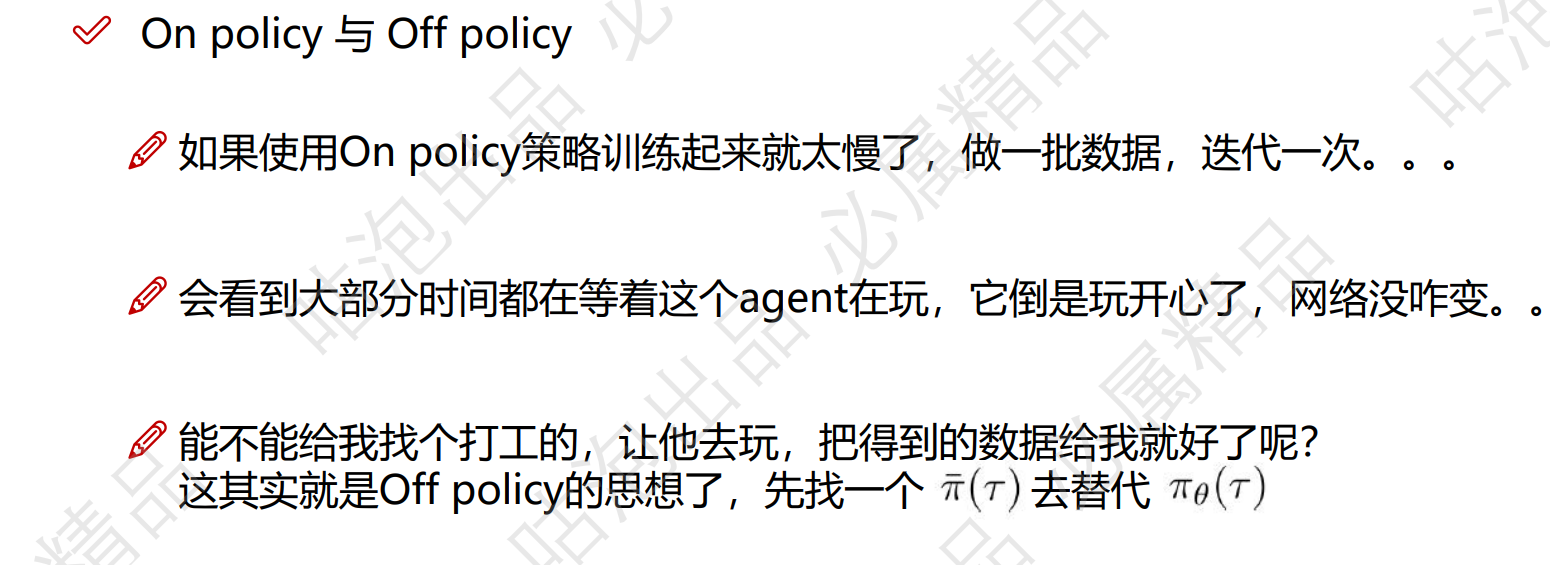
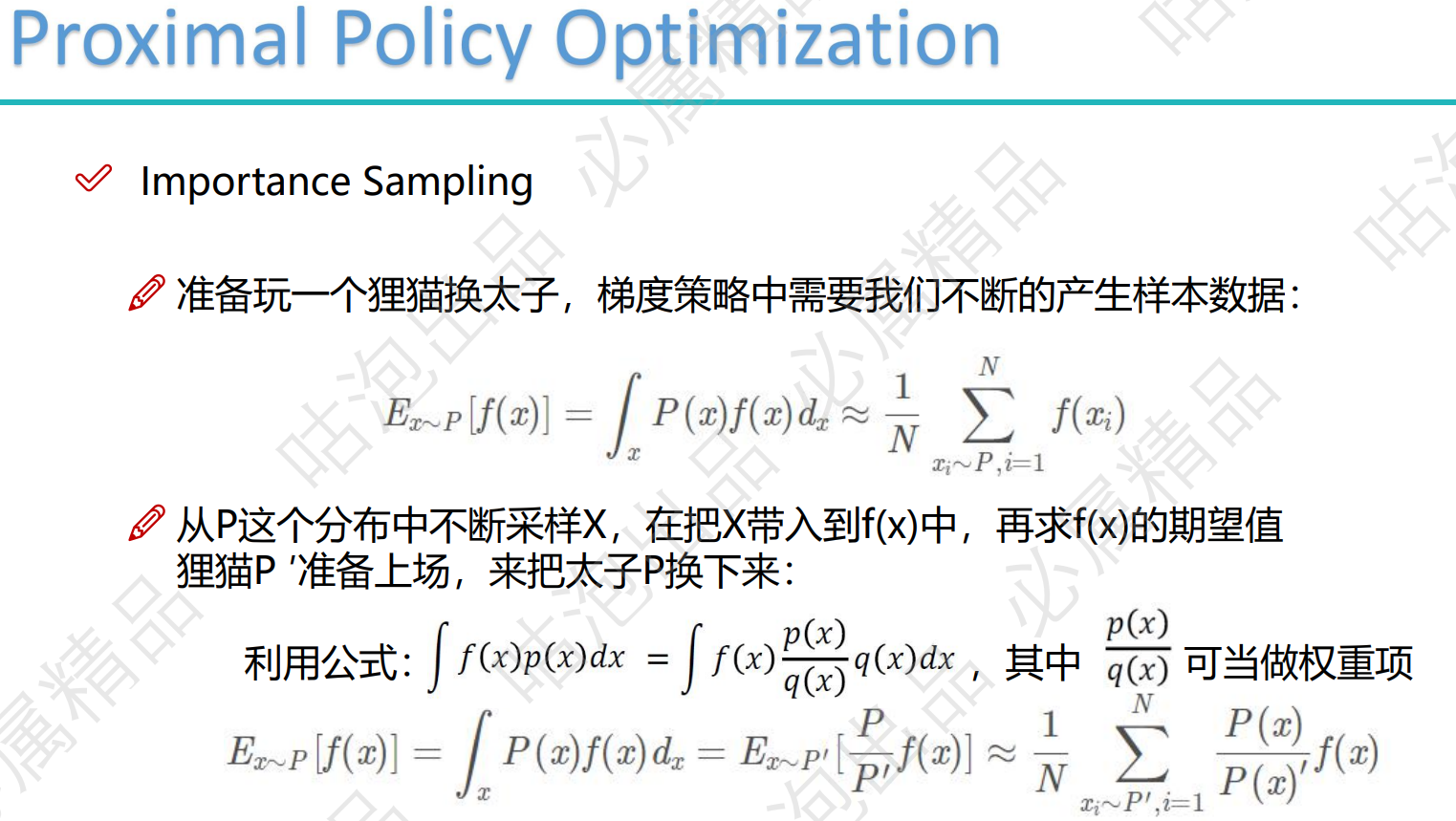
        self.policy_old = ActorCritic(state_dim, action_dim, n_latent_var).to(device) #上一次的策略
        self.policy_old.load_state_dict(self.policy.state_dict())#刚开始权重一样

        self.MseLoss = nn.MSELoss()

    def update(self, memory):
        # Monte Carlo estimate of state rewards:
        rewards = [] #非当前奖励打折
        discounted_reward = 0
        for reward, is_terminal in zip(reversed(memory.rewards), reversed(memory.is_terminals)):
            if is_terminal:
                discounted_reward = 0
            discounted_reward = reward + (self.gamma * discounted_reward)
            rewards.insert(0, discounted_reward)

        # Normalizing the rewards:
        rewards = torch.tensor(rewards, dtype=torch.float32).to(device)
        rewards = (rewards - rewards.mean()) / (rewards.std() + 1e-5)
        #reword标准化
        # convert list to tensor
        #每2000个数据训练一次
        old_states = torch.stack(memory.states).to(device).detach()
        old_actions = torch.stack(memory.actions).to(device).detach()
        old_logprobs = torch.stack(memory.logprobs).to(device).detach()

        # Optimize policy for K epochs:
        for _ in range(self.K_epochs):#训练4轮
            # Evaluating old actions and values :
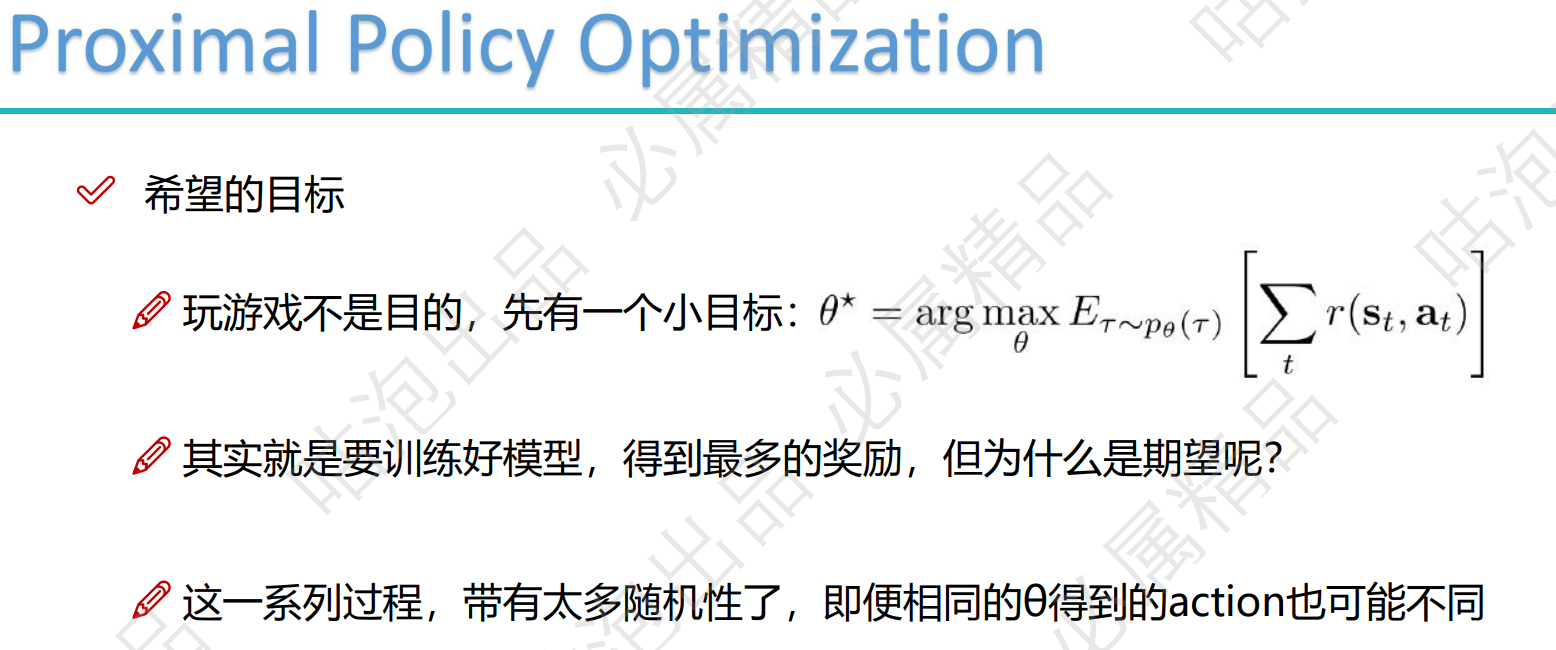
            logprobs, state_values, dist_entropy = self.policy.evaluate(old_states, old_actions)

            # Finding the ratio (pi_theta / pi_theta__old):
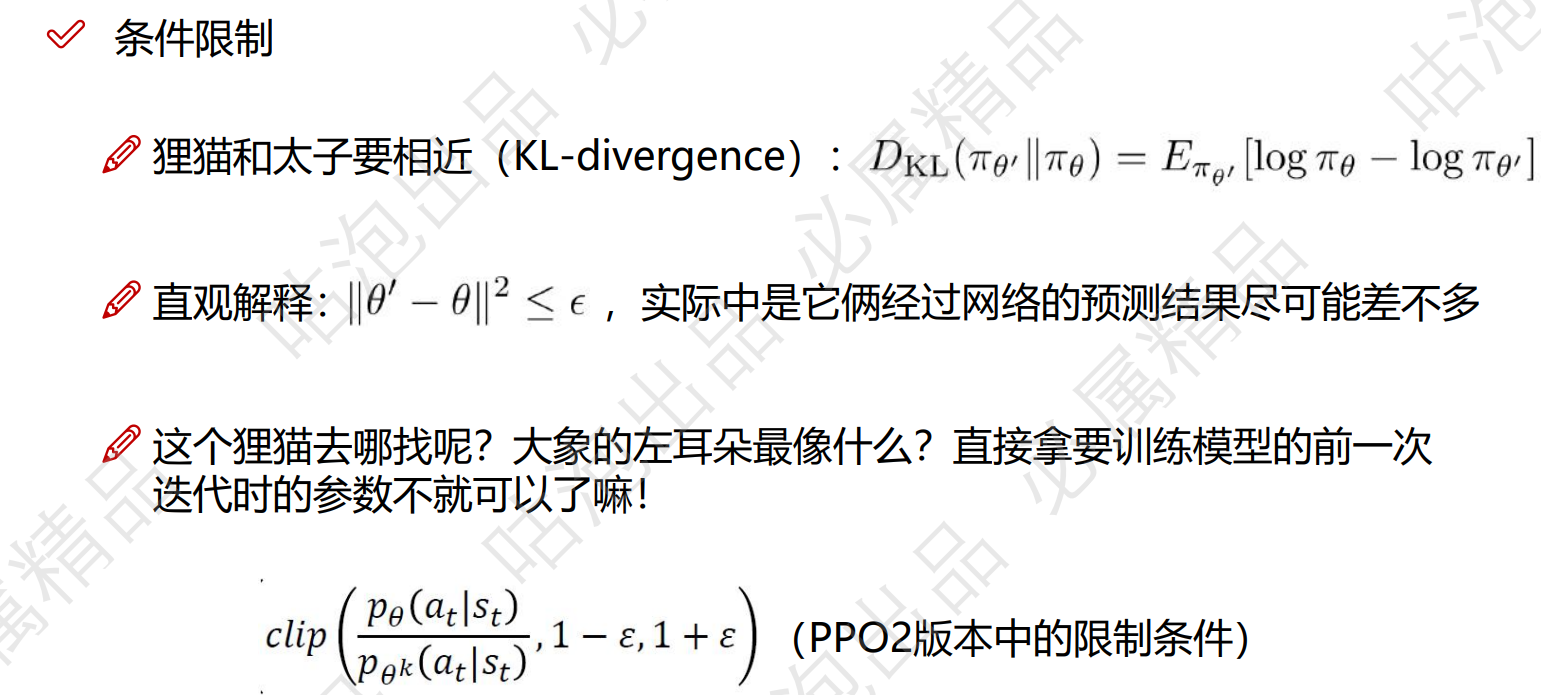
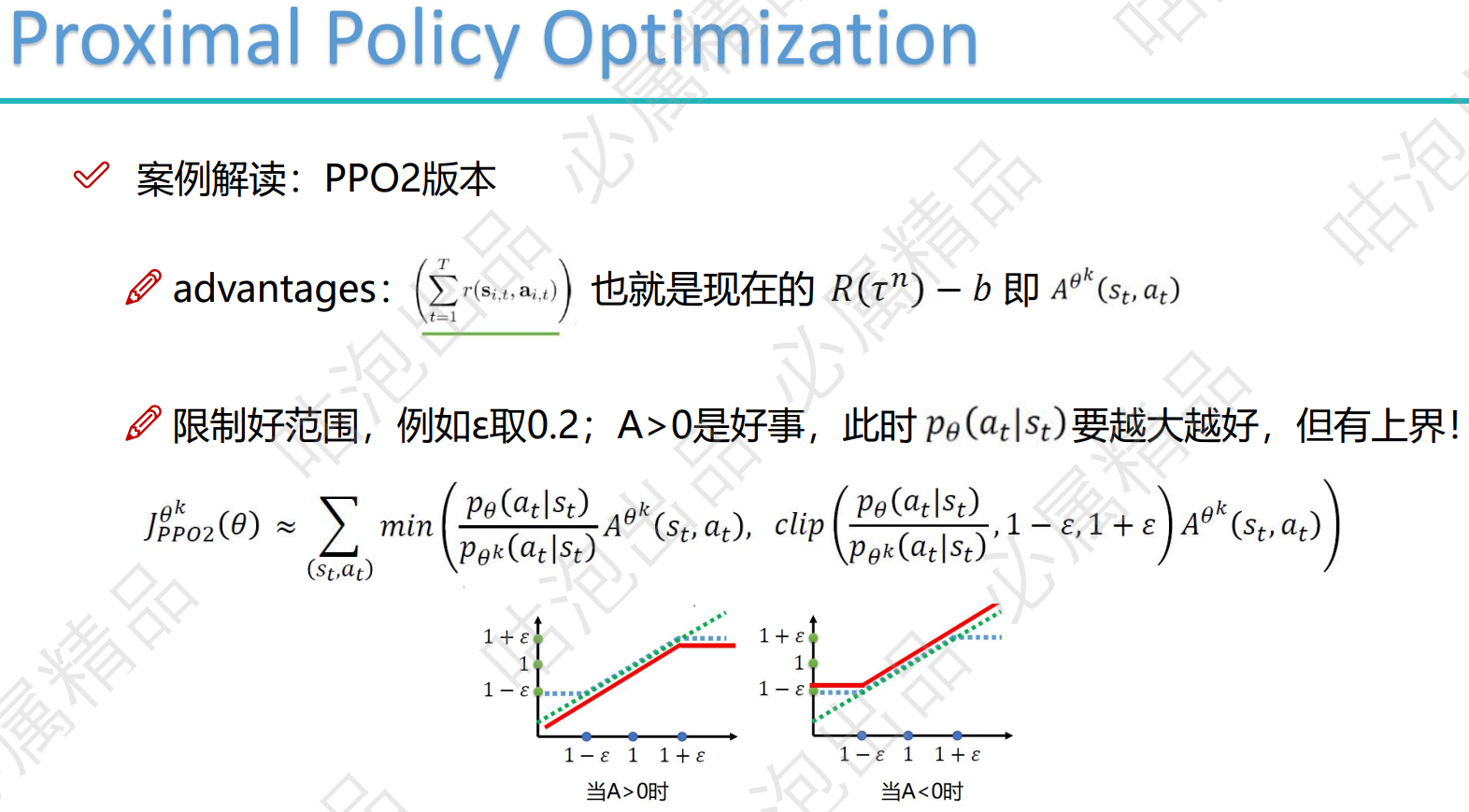
            ratios = torch.exp(logprobs - old_logprobs.detach())

            # Finding Surrogate Loss:
            advantages = rewards - state_values.detach()
            surr1 = ratios * advantages
            surr2 = torch.clamp(ratios, 1-self.eps_clip, 1+self.eps_clip) * advantages
            loss = -torch.min(surr1, surr2) + 0.5*self.MseLoss(state_values, rewards) - 0.01*dist_entropy

            # take gradient step
            self.optimizer.zero_grad()
            loss.mean().backward()
            self.optimizer.step()

        # Copy new weights into old policy:
        self.policy_old.load_state_dict(self.policy.state_dict())

def main():
    ############## Hyperparameters ##############
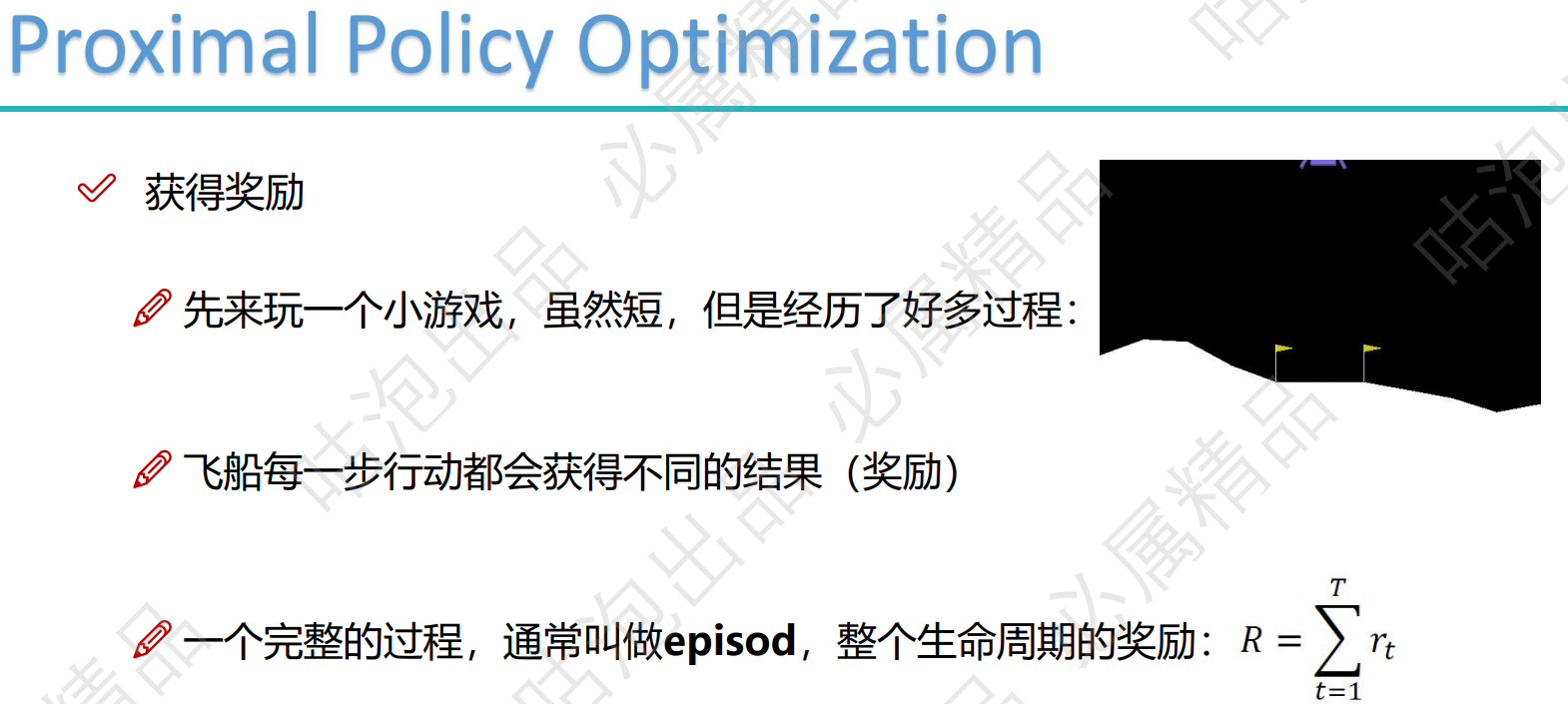
    env_name = "LunarLander-v2"
    # creating environment
    env = gym.make(env_name)
    state_dim = env.observation_space.shape[0]
    action_dim = 4
    render = False #不用放游戏图
    solved_reward = 230         # stop training if avg_reward > solved_reward,终止条件
    log_interval = 20           # print avg reward in the interval
    max_episodes = 50000        # max training episodes 最多重玩多少次
    max_timesteps = 300         # max timesteps in one episode,每一次操作上限
    n_latent_var = 64           # number of variables in hidden layer,隐藏神经元的数量
    update_timestep = 2000      # update policy every n timesteps,获取多少数据后进行学习
    lr = 0.002
    betas = (0.9, 0.999)
    gamma = 0.99                # discount factor
    K_epochs = 4                # update policy for K epochs,前一轮数据学多少次
    eps_clip = 0.2              # clip parameter for PPO
    random_seed = None
    #############################################

    if random_seed:
        torch.manual_seed(random_seed)
        env.seed(random_seed)

    memory = Memory()#保存训练数据
    ppo = PPO(state_dim, action_dim, n_latent_var, lr, betas, gamma, K_epochs, eps_clip)
    #print(lr,betas)

    # logging variables
    running_reward = 0
    avg_length = 0
    timestep = 0

    # training loop
    for i_episode in range(1, max_episodes+1):
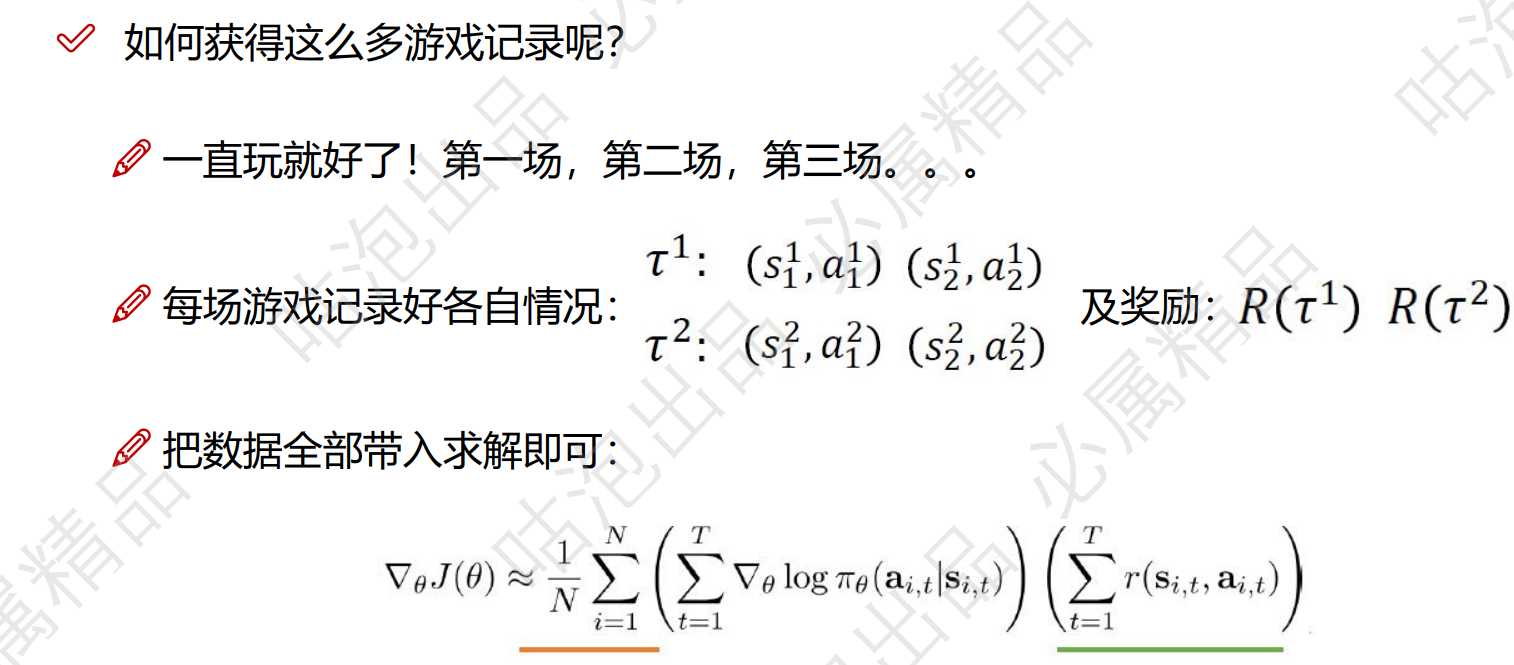
        state = env.reset()[0]#初始化(重新玩)
        for t in range(max_timesteps):#每次玩300个动作
            timestep += 1

            # Running policy_old:
            action = ppo.policy_old.act(state, memory) #old是打工的,产生数据。
            state, reward, done, _, _ = env.step(action)#得到(新的状态,奖励,是否终止,额外的调试信息)

            # Saving reward and is_terminal:
            memory.rewards.append(reward)
            memory.is_terminals.append(done)

            # update if its time
            if timestep % update_timestep == 0:
                ppo.update(memory)
                memory.clear_memory()
                timestep = 0

            running_reward += reward
            if render:
                env.render()
            if done:
                break

        avg_length += t

        # stop training if avg_reward > solved_reward
        if running_reward > (log_interval*solved_reward):
            print("########## Solved! ##########")
            torch.save(ppo.policy.state_dict(), './PPO_{}.pth'.format(env_name))
            break

        # logging
        if i_episode % log_interval == 0:
            avg_length = int(avg_length/log_interval)
            running_reward = int((running_reward/log_interval))

            print('Episode {} \t avg length: {} \t reward: {}'.format(i_episode, avg_length, running_reward))
            running_reward = 0
            avg_length = 0

if __name__ == '__main__':
    main()
import gym
from PPO import PPO, Memory
from PIL import Image
import torch

def test():
    ############## Hyperparameters ##############
    env_name = "LunarLander-v2"
    # creating environment
    env = gym.make(env_name)
    state_dim = env.observation_space.shape[0]
    action_dim = 4
    render = True
    max_timesteps = 500
    n_latent_var = 64           # number of variables in hidden layer
    lr = 0.0007
    betas = (0.9, 0.999)
    gamma = 0.99                # discount factor
    K_epochs = 4                # update policy for K epochs
    eps_clip = 0.2              # clip parameter for PPO
    #############################################

    n_episodes = 3
    max_timesteps = 300
    render = True
    save_gif = False

    filename = "PPO_{}.pth".format(env_name)
    directory = "./preTrained/"

    memory = Memory()
    ppo = PPO(state_dim, action_dim, n_latent_var, lr, betas, gamma, K_epochs, eps_clip)

    ppo.policy_old.load_state_dict(torch.load(directory+filename),strict=False)

    for ep in range(1, n_episodes+1):
        ep_reward = 0
        state = env.reset()
        for t in range(max_timesteps):
            action = ppo.policy_old.act(state, memory)
            state, reward, done, _ = env.step(action)
            ep_reward += reward
            if render:
                env.render()
            if save_gif:
                 img = env.render(mode = 'rgb_array')
                 img = Image.fromarray(img)
                 img.save('./gif/{}.jpg'.format(t))
            if done:
                break

        print('Episode: {}\tReward: {}'.format(ep, int(ep_reward)))
        ep_reward = 0
        env.close()

if __name__ == '__main__':
    test()



 浙公网安备 33010602011771号