

第三次
总结列表,元组,字典,集合区别:
(1) 列表是可变的对象,可进行动态的增加、删除、更新,用[]表示。
(2) 元组和列表在结构上没有什么区别,唯一的差异在于元组是只读的,不能修改元组用“()”表示。
(3)字典是存储键值对数据的对象,字典的元素都是无序的,且键不能相同,可以通过键,找到值,字典最外面用大括号,每一组用冒号连接起来。
(4) 集合相当于字典的键,也是一个无序不重复的元素集,用一对{}表示。
1.遍历输出列表元组字典集合
a = list('asdgj')  # 列表的遍历
print(a)
for i in a:
    print(i)

b = tuple('564454')  # 元组的遍历
print(b)
for i in b:
    print(i)

c = set('gutiu')  # 集合的遍历
print(c)
for i in c:
    print(i)

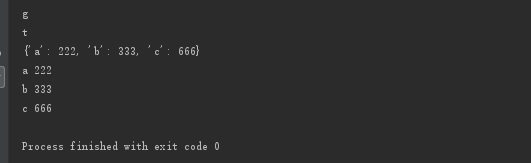
d = {'a': 222, 'b': 333, 'c': 666}  # 字典的遍历
print(d)
for i in d:
    print(i, d[i])
b1='https://edu.cnblogs.com/campus/gzcc/14NetworkEngineering/homework/870'
b2=b1.split('/')
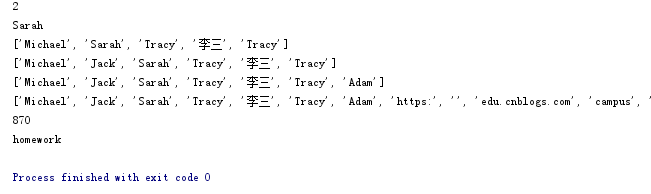
classmates = ['Michael', 'Bob', 'Tracy','李三' ,'Tracy']
print(b1,b2)
print(classmates[1])
print(classmates[1:3])
print(len(classmates))
print(max(classmates))
print(min(classmates))
print(classmates.index( 'Tracy'))
print(classmates.count( 'Tracy'))
classmates[1]='Sarah'
print(classmates[1])
print(classmates)

classmates.insert(1,'Jack')
print(classmates)

classmates.append('Adam')
print(classmates)
classmates.extend(b2)
print(classmates)

print(classmates.pop())
print(classmates.pop())
z1='''If You Want Me
Marketa Irglova and Glen Hansard
ONCE OST
Are you really here
or am I dreaming
I can't tell dreams from truth
For it's been so long
since I have seen you
I can hardly remember your face anymore
When I get really lonely
and the distance calls its only silence
I think of you smiling
with pride in your eyes a lover that sighs
If you want me
satisfy me
If you want me
satisfy me
If You Want Me
Once OST
Glen Hansard and Marketa Irglova
Are you really sure
that you believe me
When others say I lie
I wonder if you could
ever despise me
When you know I really try
To be a better one
to satisfy you
for you're everything to me
And I do
what you ask me
If you let me be free
If you want me
satisfy me
If you want me
satisfy me
If you want me
satisfy me
If you want me
satisfy me
If You Want Me
Marketa Irglova and Glen Hansard
ONCE OST
'''.lower()

s=''',。:!?’"'''
for me in s:
    z1=z1.replace(me,' ')
z1=z1.split()
print(z1)

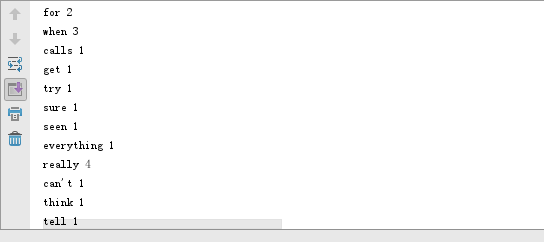
strSet=set(z1)
for me in strSet:
    print(me,z1.count(me))

 浙公网安备 33010602011771号