

Maxcompute-UDTF读取MaxCompute资源
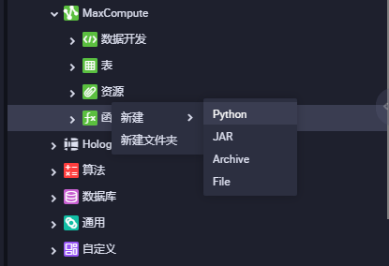
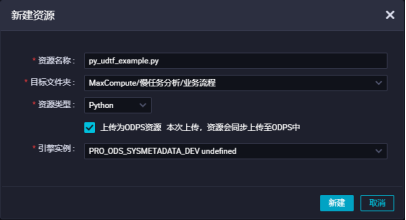
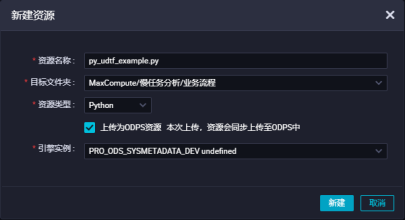
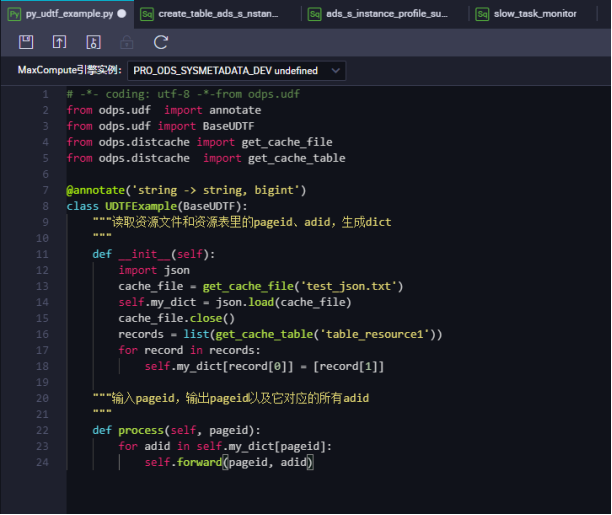
1、新建资源Python,输入资源名称py_udtf_example.py,并输入或者粘贴代码,然后保存并提交。
# -*- coding: utf-8 -*-

from odps.udf import annotate

from odps.udf import BaseUDTF

from odps.distcache import get_cache_file

from odps.distcache import get_cache_table

@annotate('string -> string, bigint')

class UDTFExample(BaseUDTF):

    """读取资源文件和资源表里的pageid、adid,生成dict

    """

    def __init__(self):

        import json

        cache_file = get_cache_file('test_json.txt')

        self.my_dict = json.load(cache_file)

        cache_file.close()

        records = list(get_cache_table('table_resource1'))

        for record in records:

            self.my_dict[record[0]] = [record[1]]

    """输入pageid,输出pageid以及它对应的所有adid

    """

    def process(self, pageid):

        for adid in self.my_dict[pageid]:

            self.forward(pageid, adid)
2、新建资源File,输入资源名称:test_json.txt,并输入或者粘贴内容,然后保存并提交。
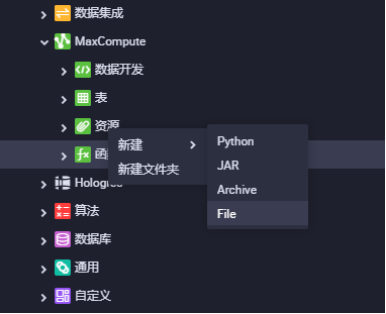
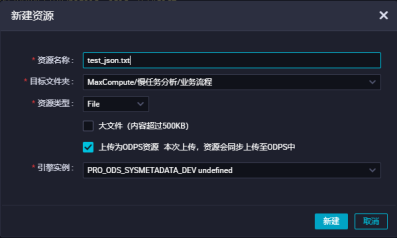
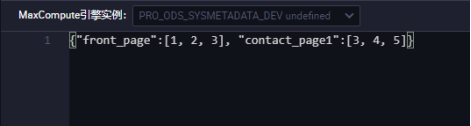
3、通过odps sql节点创建表。
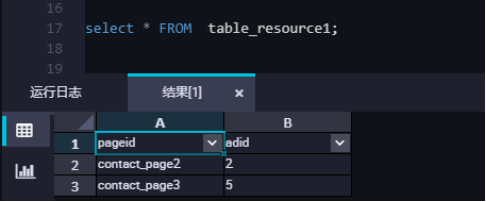
--创建资源表table_resource1,并插入数据。
create table if not exists table_resource1 (pageid string, adid int);
insert into table table_resource1 values("contact_page2",2),("contact_page3",5);

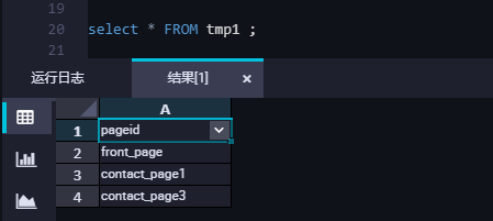
--创建内部表tmp1,并插入数据。
create table if not exists tmp1 (pageid string);
insert into table tmp1 values ("front_page"),("contact_page1"),("contact_page3");

--添加资源表table_resource1为Maxcompute的资源。
add table table_resource1 as table_resource1;
4、新建函数,输入函数名称:my_udtf,然后输入类名、资源列表,最后保存并提交。
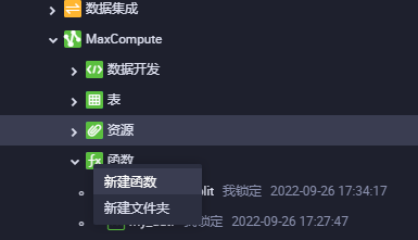
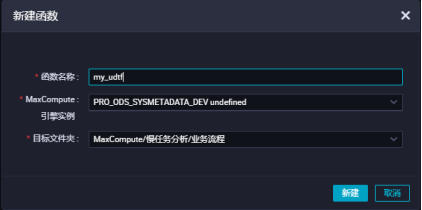
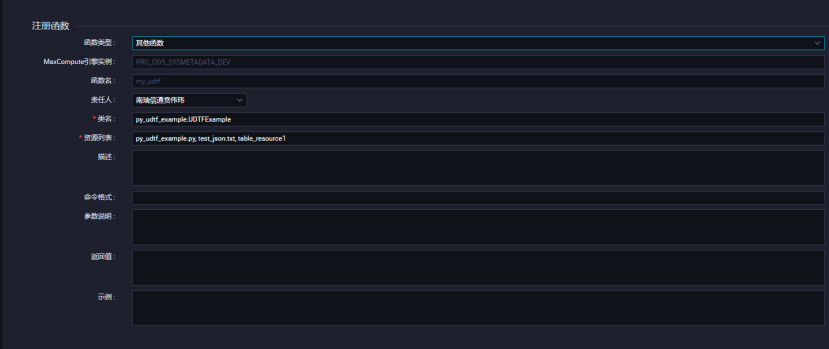
对于python文件资源,类名:文件名(去拓展名.py).类名 ,资源列表需要使用资源里面的完整名称,使用逗号作为分隔符。
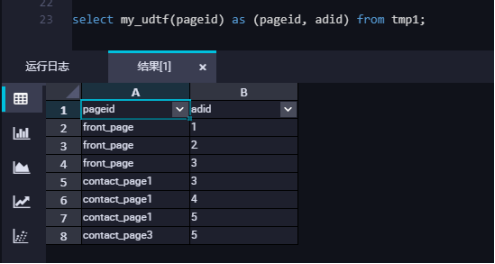
5、在ODPS SQL节点中验证UDTF函数。
select * FROM table_resource1;
select * FROM tmp1 ;
select my_udtf(pageid) as (pageid, adid) from tmp1;
本文来自博客园,作者:业余砖家,转载请注明原文链接:https://www.cnblogs.com/yeyuzhuanjia/articles/16742593.html

 浙公网安备 33010602011771号