


2. List详解
简介
本篇主要就List中常用的3个子类进行介绍
ArrayList详解
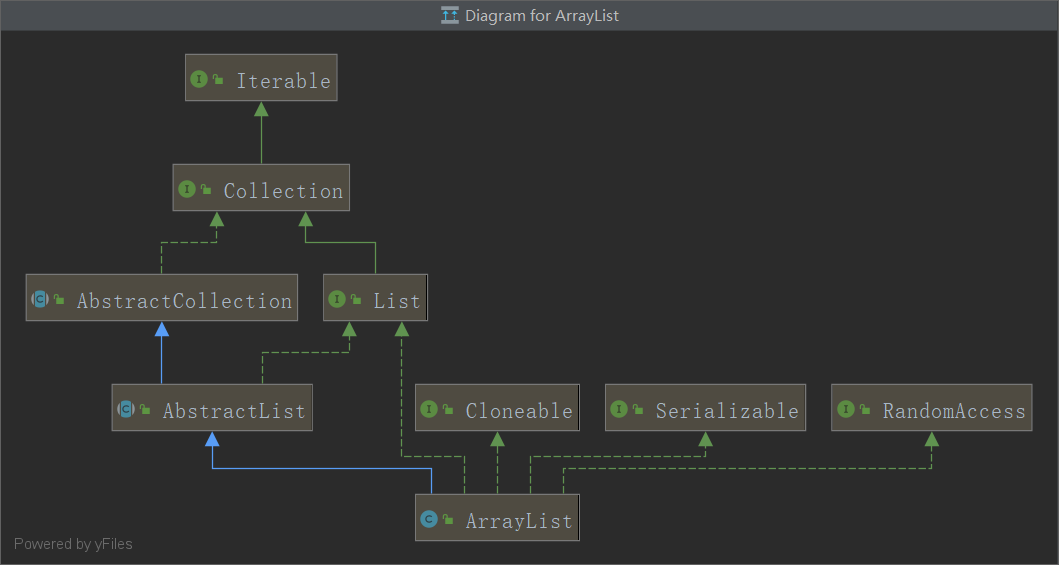
属性介绍
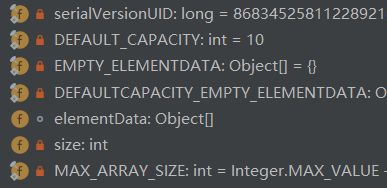
elementData即为底层实现数组,用于存储元素
size为大小
DEFAULT_CAPACITY默认容量为10
构造函数
比较简单,看看就行了
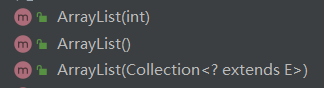
ArrayList(int initialCapacity)
     public ArrayList(int initialCapacity) {
        if (initialCapacity > 0) {
            this.elementData = new Object[initialCapacity];
        } else if (initialCapacity == 0) {
            this.elementData = EMPTY_ELEMENTDATA;
        } else {
            throw new IllegalArgumentException("Illegal Capacity: "+
                                               initialCapacity);
        }
    }
ArrayList()
    private static final Object[] DEFAULTCAPACITY_EMPTY_ELEMENTDATA = {};
    public ArrayList() {
        this.elementData = DEFAULTCAPACITY_EMPTY_ELEMENTDATA;
    }
ArrayList(Collection<? extends E> c)
    public ArrayList(Collection<? extends E> c) {
        elementData = c.toArray();
        if ((size = elementData.length) != 0) {
            // c.toArray might (incorrectly) not return Object[] (see 6260652)
            if (elementData.getClass() != Object[].class)
                elementData = Arrays.copyOf(elementData, size, Object[].class);
        } else {
            // replace with empty array.
            this.elementData = EMPTY_ELEMENTDATA;
        }
    }
新增方法
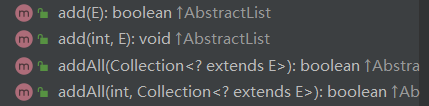
后两个方法注意一是保证扩容之后能插入进去,二是使用System.arraycopy方法进行数据拷贝,讲一下前两个方法
boolean add(E e)
源码如下:
    public boolean add(E e) {
        ensureCapacityInternal(size + 1);  // Increments modCount!!
        elementData[size++] = e;
        return true;
    }
关键要看一下ensureCapacityInternal方法
    private void ensureCapacityInternal(int minCapacity) {
        //
        ensureExplicitCapacity(calculateCapacity(elementData, minCapacity));
    }

    private static int calculateCapacity(Object[] elementData, int minCapacity) {
        // 如果当前是空数组,则返回默认容量10和添加元素后容量的较大值
        if (elementData == DEFAULTCAPACITY_EMPTY_ELEMENTDATA) {
            return Math.max(DEFAULT_CAPACITY, minCapacity);
        }
        // 否则返回需要的容量值
        return minCapacity;
    }

    private void ensureExplicitCapacity(int minCapacity) {
        // 结构改变计数+1
        modCount++;

        // overflow-conscious code
        if (minCapacity - elementData.length > 0)
            grow(minCapacity);
    }

    private void grow(int minCapacity) {
        // overflow-conscious code
        int oldCapacity = elementData.length;
        // 先按扩容50%计算一个新容量
        int newCapacity = oldCapacity + (oldCapacity >> 1);
        if (newCapacity - minCapacity < 0)
            newCapacity = minCapacity;
        if (newCapacity - MAX_ARRAY_SIZE > 0)
            newCapacity = hugeCapacity(minCapacity);
        // minCapacity is usually close to size, so this is a win:
        // 保证新容量够用
        elementData = Arrays.copyOf(elementData, newCapacity);
    }

    private static int hugeCapacity(int minCapacity) {
        if (minCapacity < 0) // overflow
            throw new OutOfMemoryError();
        return (minCapacity > MAX_ARRAY_SIZE) ?
            Integer.MAX_VALUE :
            MAX_ARRAY_SIZE;
    }
    // TODO 为何-8?
    private static final int MAX_ARRAY_SIZE = Integer.MAX_VALUE - 8;
注意扩容到了1.5倍,
void add(int index, E element)
多了个下标的检查,别的没啥
    private void rangeCheckForAdd(int index) {
        if (index > size || index < 0)
            throw new IndexOutOfBoundsException(outOfBoundsMsg(index));
    }
获取方法
没啥好讲的,就是检查下标,返回元素
    public E get(int index) {
        rangeCheck(index);

        return elementData(index);
    }

    private void rangeCheck(int index) {
        if (index >= size)
            throw new IndexOutOfBoundsException(outOfBoundsMsg(index));
    }

    E elementData(int index) {
        return (E) elementData[index];
    }
删除方法
clear()
原本以为直接把引用指向一个新的空数组,没想到是遍历置空,看注释是帮助gc
    public void clear() {
        modCount++;

        // clear to let GC do its work
        for (int i = 0; i < size; i++)
            elementData[i] = null;

        size = 0;
    }
E remove(int index)
- 下标检查
- 把下标之后的元素用arrayCopy复制到下标开始的位置,即大家一起往前移
- 此时最后一个元素是多余的,置空
    public E remove(int index) {
        rangeCheck(index);

        modCount++;
        E oldValue = elementData(index);

        int numMoved = size - index - 1;
        if (numMoved > 0)
            System.arraycopy(elementData, index+1, elementData, index,
                             numMoved);
        elementData[--size] = null; // clear to let GC do its work

        return oldValue;
    }
boolean remove(Object o)
移除思路和上面一致,关键是要确定下标,遍历找到第一个符合条件的,允许找null
设置方法
E set(int index, E element)
注意会返回老元素
Vector
关于Vector,看了下源码,就是方法上加Sychronized关键字,底层实现还是数组,注意扩容直接扩大一倍。
现在用线程安全,可以用Collections.synchronizedList,里面用的是 final Object mutex,方法中Synchronized(mutex),mutex可以由构造函数传入。
LinkedList
底层为双向链表,实现Deque接口
// TODO 数据结构的实现后续安排一下。
添加方法
boolean add(E e)
    public boolean add(E e) {
        linkLast(e);
        return true;
    }

    void linkLast(E e) {
        final Node<E> l = last;
        final Node<E> newNode = new Node<>(l, e, null);
        last = newNode;
        if (l == null)
            first = newNode;
        else
            l.next = newNode;
        size++;
        modCount++;
    }
就是追加,注意Node的pre和next就好,考虑一下边界值
void add(int index, E element)
凡是有index的,必然先检查index
找到那个元素,然后进行解绑绑定操作,关键就是下面的linkBefore
    void linkBefore(E e, Node<E> succ) {
        // assert succ != null;
        final Node<E> pred = succ.prev;
        final Node<E> newNode = new Node<>(pred, e, succ);
        succ.prev = newNode;
        if (pred == null)
            first = newNode;
        else
            pred.next = newNode;
        size++;
        modCount++;
    }
获取太简单,理解Node就ok
移除
关键理解unlink方法就可以
    E unlink(Node<E> x) {
        // assert x != null;
        final E element = x.item;
        final Node<E> next = x.next;
        final Node<E> prev = x.prev;

        if (prev == null) {
            first = next;
        } else {
            prev.next = next;
            x.prev = null;
        }

        if (next == null) {
            last = prev;
        } else {
            next.prev = prev;
            x.next = null;
        }

        x.item = null;
        size--;
        modCount++;
        return element;
    }
总结
list比较简单,瞄一眼源码就明明白白。

 浙公网安备 33010602011771号