
软考系统分析师·每日学习卡 | [日期:2025-07-01] | [今日主题:系统设计-结构型设计模式]
一、今日学了啥?
- 结构型设计模式(7 种)P476
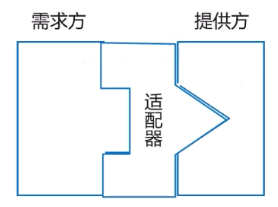
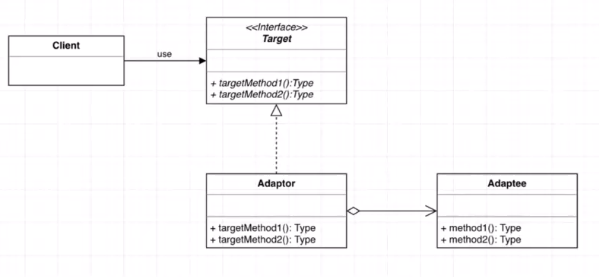
- 适配器模式(Adapter):讲一个类的接口转换成用户希望得到的另一种接口,使原本不相容的接口得以协同工作
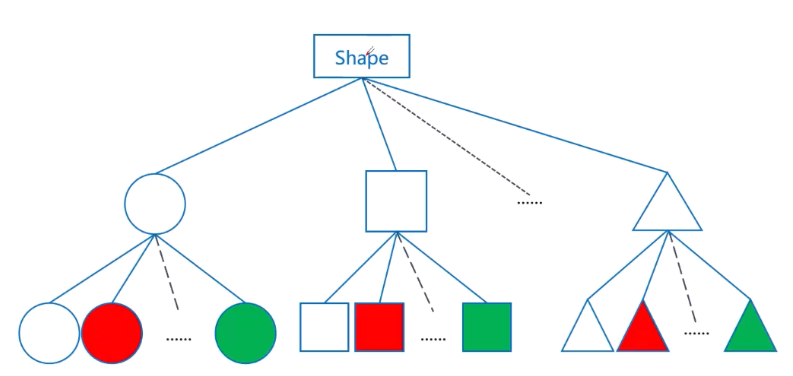
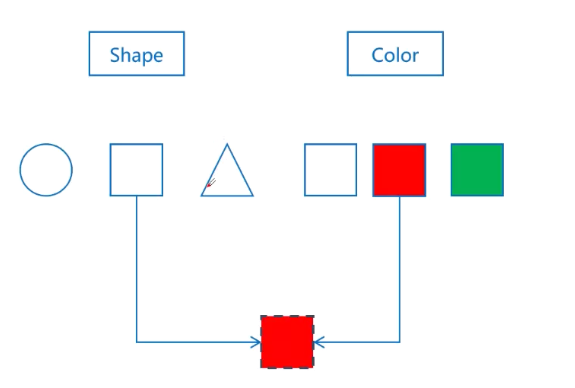
- 桥接模式(Bridge):将类的抽象部分与它的实现部分分离,使它们都可以独立地变化
- 组合模式(Composite):将对象组合成树形结构以表示“部分-整体”的层次结构,使用户对单个对象和组合对象的使用具有一致性
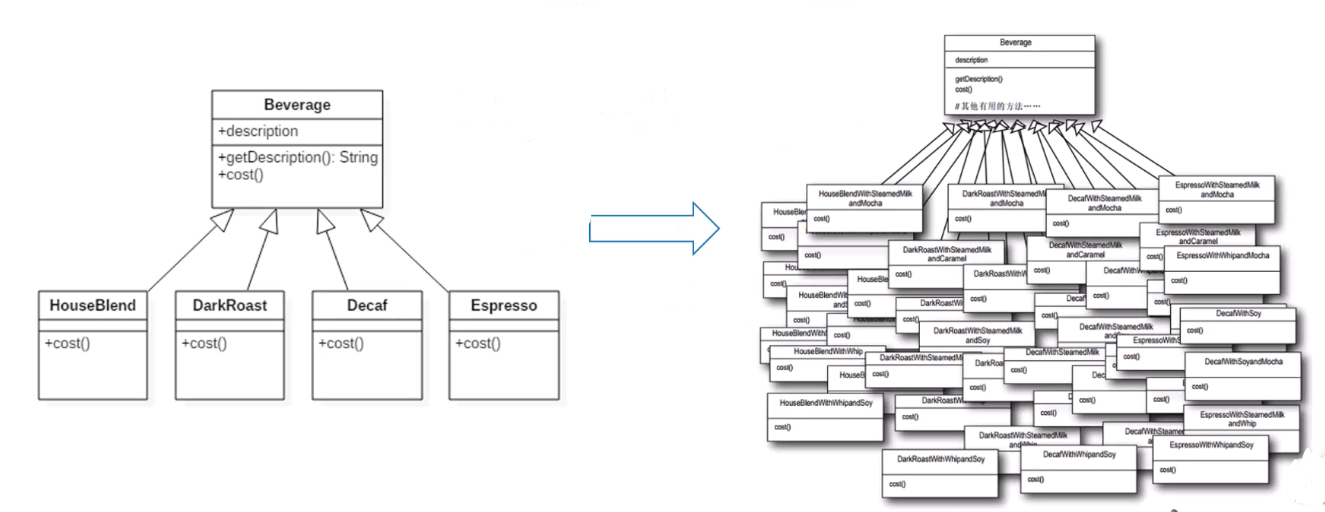
- 装饰模式(Decorator):动态地给一个对象添加一些额外的职责,提供了用子类扩展功能的一个灵活替代,比派生一个子类更为灵活
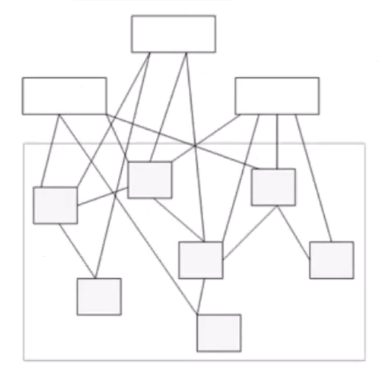
- 外观模式(Facade):定义一个高层接口,为子系统中的一组接口提供一个一致的界面,简化该子系统的使用
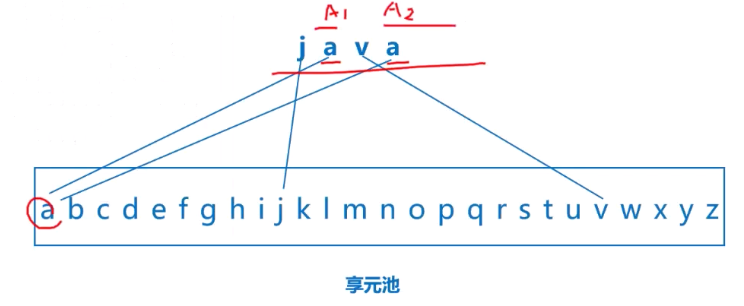
- 享元模式(Flyweight):运用共享技术有效地支持大量细粒度的对象
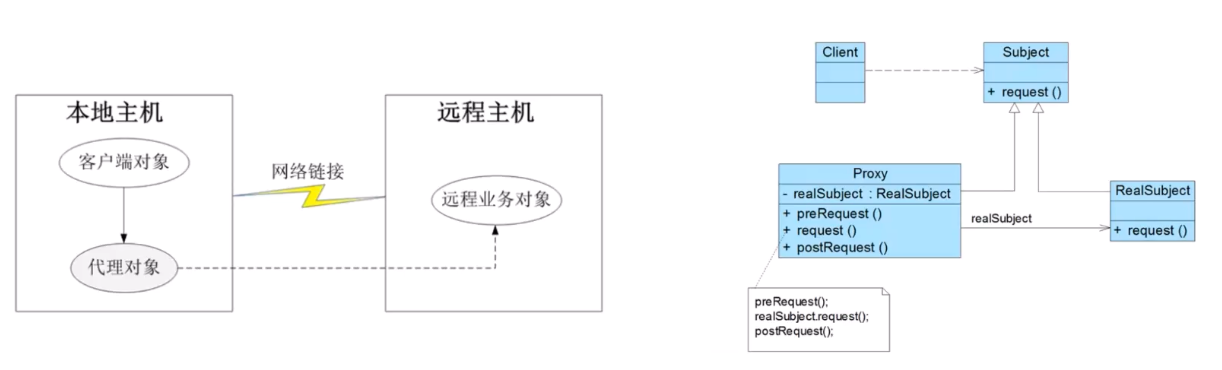
- 代理模式(Proxy):为其他对象提供一种代理以控制对这个对象的访问
二、重点/要记住的!
-
🔺 适配器模式:转换、兼容接口
-
🔺 桥接模式:抽象与实现分离、用聚合或组合来替换类的集成(避免类爆炸)
->
-
🔺 组合模式:整体-部分、树形结构
-
🔺 装饰模式:在不改变对象功能基础上附加职责
-
🔺 外观模式:对外统一接口
-
🔺 享元模式:细粒度、共享
-
🔺 代理模式:代理控制
三、今天的小收获/卡住的地方
-
卡住:今天视频教程里面缺失,用AI以python结合举例帮助理解
- 适配器模式(Adapter):比如将旧有的支付接口适配成新系统需要的接口。Python中可以用类继承或组合来实现。
- 桥接模式(Bridge):比如不同形状(圆形、方形)与颜色(红色、蓝色)的组合,避免类爆炸。
- 组合模式(Composite):文件系统结构,目录包含文件和其他目录,统一处理。
- 装饰模式(Decorator):比如咖啡加料(牛奶、糖)的费用计算,动态添加功能。
- 外观模式(Facade):简化家庭影院系统的操作,提供一个统一的接口。
- 享元模式(Flyweight):管理大量相似对象,比如围棋中的棋子,共享颜色和形状。
- 代理模式(Proxy):远程调用代理,或者权限控制,比如访问受保护资源。
以下是7种模式的详细解析:
-
适配器模式(Adapter) - 支付接口兼容
class OldPayment:
    def legacy_pay(self, amount):
        print(f"旧系统支付 {amount} 元")

class NewPayment:
    def pay(self, amount):
        print(f"新系统支付 {amount} 元")

class PaymentAdapter:
    def __init__(self, payment):
        self.payment = payment

    def pay(self, amount):
        if hasattr(self.payment, 'pay'):
            self.payment.pay(amount)
        else:  # 适配旧接口
            self.payment.legacy_pay(amount)

# 使用示例
old_adapter = PaymentAdapter(OldPayment())
old_adapter.pay(100)  # 输出:旧系统支付 100 元
现实案例:银行系统升级时保持原有支付接口的兼容性
-
桥接模式(Bridge) - 形状与颜色组合
class Color:
    def apply_color(self):
        pass

class Red(Color):
    def apply_color(self):
        return "红色"

class Blue(Color):
    def apply_color(self):
        return "蓝色"

class Shape:
    def __init__(self, color):
        self.color = color

    def draw(self):
        pass

class Circle(Shape):
    def draw(self):
        print(f"圆形填充{self.color.apply_color()}")

class Square(Shape):
    def draw(self):
        print(f"方形填充{self.color.apply_color()}")

# 使用示例
red_circle = Circle(Red())
red_circle.draw()  # 输出:圆形填充红色
现实案例:图形界面库中形状与颜色的自由组合
-
组合模式(Composite) - 文件系统结构
class FileSystemItem:
    def get_size(self):
        pass

class File(FileSystemItem):
    def __init__(self, size):
        self.size = size

    def get_size(self):
        return self.size

class Directory(FileSystemItem):
    def __init__(self):
        self.items = []

    def add(self, item):
        self.items.append(item)

    def get_size(self):
        return sum(item.get_size() for item in self.items)

# 使用示例
root = Directory()
root.add(File(100))
sub_dir = Directory()
sub_dir.add(File(50))
root.add(sub_dir)
print(root.get_size())  # 输出:150
现实案例:操作系统文件管理器中的目录树管理
-
装饰模式(Decorator) - 咖啡加料
class Coffee:
    def cost(self):
        return 5

class MilkDecorator:
    def __init__(self, coffee):
        self._coffee = coffee

    def cost(self):
        return self._coffee.cost() + 2

class SugarDecorator:
    def __init__(self, coffee):
        self._coffee = coffee

    def cost(self):
        return self._coffee.cost() + 1

# 使用示例
my_coffee = MilkDecorator(SugarDecorator(Coffee()))
print(my_coffee.cost())  # 输出:8
现实案例:Java IO流的功能增强(BufferedReader包装InputStream)
-
外观模式(Facade) - 家庭影院系统
class Amplifier:
    def on(self): print("功放开启")
    def set_volume(self, level): print(f"设置音量到{level}")

class Projector:
    def on(self): print("投影仪开启")
    def set_mode(self, mode): print(f"设置模式为{mode}")

class HomeTheater:
    def __init__(self):
        self.amp = Amplifier()
        self.proj = Projector()

    def watch_movie(self):
        self.amp.on()
        self.amp.set_volume(5)
        self.proj.on()
        self.proj.set_mode("影院模式")

# 使用示例
theater = HomeTheater()
theater.watch_movie()
现实案例:智能家电控制系统的一键观影模式
-
享元模式(Flyweight) - 围棋棋子
class ChessPiece:
    def __init__(self, color, shape):
        self.color = color
        self.shape = shape

    def display(self, position):
        print(f"{self.color} {self.shape} @ {position}")

class PieceFactory:
    _pieces = {}

    @staticmethod
    def get_piece(color, shape):
        key = (color, shape)
        if key not in PieceFactory._pieces:
            PieceFactory._pieces[key] = ChessPiece(color, shape)
        return PieceFactory._pieces[key]

# 使用示例
factory = PieceFactory()
black_dot = factory.get_piece("黑", "圆形")
white_dot = factory.get_piece("白", "圆形")
black_dot.display("A1")  # 输出:黑 圆形 @ A1
现实案例:游戏引擎中大量相似对象的内存优化
-
代理模式(Proxy) - 远程调用代理
class RealSubject:
    def request(self):
        print("真实请求执行")

class Proxy:
    def __init__(self):
        self._real_subject = None

    def request(self):
        if self._real_subject is None:
            self._real_subject = RealSubject()
        self._real_subject.request()

# 使用示例
proxy = Proxy()
proxy.request()  # 输出:真实请求执行
现实案例:分布式系统中的远程服务代理(如RPC框架)
四、明天学啥?
明天学习行为型设计模式
像实干家一样思考问题,像思想家一样付诸行动。
愿你我共同进步!

 浙公网安备 33010602011771号