
1,索引
取单个值
正向索引 0 1 2 3.........
a="abcde"
print(a[2])
反向索引
-1 -2 -3 -4 -5

步长:
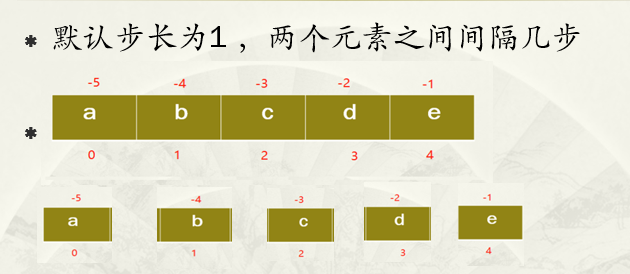
切片:取多个值
从左到右取值:
原则:顾头不顾尾
1,a[0:3] abc 正向索引
2,a[-5:-2] abc 反向索引
3,a[0:-2] abc 正反向索引混合
从左到右取值:
原则:顾头不顾尾
1,a[2::-1] cba 正向索引
2,a[-3::-1] cbaa 反向索引
3,a[2:-6:-1] cba a[2:-5:-1] cb 正反向索引混合
字符串的方法:
s = "abC"
upper,lower
print(s.upper()) 实现字符串全部大写
print(s.lower()) 实现字符串全部小写
replace 替换
a = "abacad"
print(a.replace("a","中国'))
print(a.replace("a","中国",2)) 2表示个数
capitalize
首字母大写,其余字母小写
swapcase,#大小写翻转
strip
去掉开头和结尾的空格,特定的字符
print(a.strip())
a="&&a&bc&&"
print(a.strip("&"))
startswith,endswith
结果是bool值,支持切片
print(s.startswith("a")) 判断一。。。开头
print(s.endswith("a")) 判断以。。。结尾
print(s.startswith("a",1,4)) 切片部分判断
公共方法:
count()
s="abac"
print(s.count("a")) #a元素出现的次数
len() print(len(s)) 对象的长度
split str---->list
str分割为列表,默认以空格分割
s.split() 默认空格
s.split("符号")
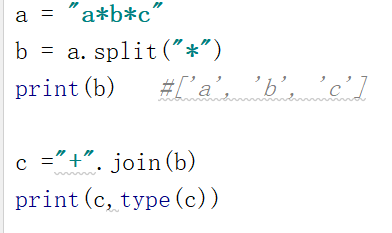
join list---->str
列表里面元素用指定符号进行连接
形式:"分隔符".join(list)
find
返回找到的元素的索引,如果找不到返回-1
index
返回找到的元素的索引,如果找不到报错

 浙公网安备 33010602011771号