
Java 关键字
目录
assert
断言,用来进行程序调试
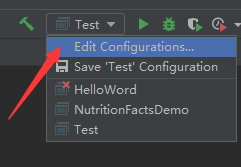
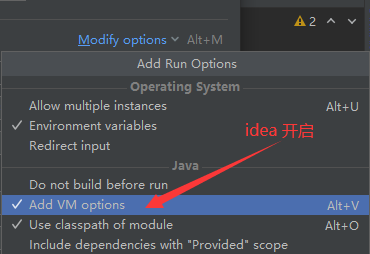
找到 VM options 输入-ea
public class Test {
    public static void main(String[] args){
        // false时会报异常	java.lang.AssertionError: 结果不正确
        assert 11+10 == 20:"结果不正确";
    }
}
我没用到过
基本类型
byte、short、int、long、float、double、char、boolean
作用域
| 关键字 | 当前类 | 同一包 | 子类 | 其他包 |
|---|---|---|---|---|
| private | √ | × | × | × |
| default | √ | √ | × | × |
| protected | √ | √ | √ | × |
| public | √ | √ | √ | √ |
private:表明该方法或者变量只有当前类才可以进行访问
default:表明只有同一类,或者同一包中的类有访问权限,(默认为不写,在作用范围如此,同一包下的子类可以访问,其他包下的都不能访问)
protected:表明该变量或者变量不能被其他包中的类或者对象调用,子类具有访问父类的权限,(不同包中的子类可以访问)
public: 表明该方法或者变量对所以得类是可见的,所有的类或者对象都可以进行访问。
if和else
public class Main {
    public static void main(String[] args) {
        //生成一个随机数给n
        int n = (int) (Math.random()*10);
        //if 判断 ()中表达式结果运算要么为true,要么为false
        if (i == 1){
            System.out.println("n==1");
        }else if (i == 2){//i!=1时,再判断i 等不等于 2
            System.out.println("n==2");
        }else {//前面if、else if都不成立,执行else(只有一个)
            System.out.println("n== 其他");
        }
    }
}
switch和case
public class Main {
    public static void main(String[] args) {
        //生成一个随机数给n
        int n = (int) (Math.random()*3);
        switch (n){
            case 1:
                System.out.println("n等于1打印此语句");
                break;
            case 2:
                System.out.println("n等于2打印此语句");
                break;
            default:
                System.out.println("n不满足上面要求时打印此语句");
        }
    }
}
default:默认,例如,用在switch语句中,表明一个默认的分支(即case所有条件不成立)
try、catch和finally
异常处理
public class Main {
    public static void main(String[] args) {
        try {
            //ArithmeticException: / by zero 除数不能为0
            int i = 10/0;
        }catch (Exception e){
            //catch 中进行语句处理
            System.out.println(e);
        }finally {
            //finally里的语句一定会执行(除开程序终止)
            System.out.println("finally");
        }
    }
}
continue和break
continue:跳过
break:结束
public class Main {
    public static void main(String[] args) {
        //for循环打印0~9
        for (int i = 0; i < 10; i++) {
            if (i == 3){
                //i等于3时跳过,不执行for此后面的代码
                continue;
            }else if (i == 8){
                //i等于8时,结束for循环,不会打印9
                break;
            }
            //打印i
            System.out.println(i);
        }
    }
}
do、while和for(循环)
public class Main {
    public static void main(String[] args) {
        int i = 0;
        //do{执行语句}while(布尔表达式);
        do {
            //执行语句
            System.out.println(i);
            i++;
        }while(i<10);//布尔表达式
        //先执行do{}代码块中的语句,在对while中的布尔表达式判断true还是false
        //while(布尔表达式){执行语句};
        while(i<15){
            System.out.println(i);
            i++;
        }
        //先判断布尔表达式结果,再执行{}代码块中的语句
        //for(变量初始化; 布尔表达式; 更新){//代码语句}
        for(int j = 0; j<5; j++){
            System.out.println(j);
        }
        /*	先 j=0(变量赋值), j<5判断 , 执行语句 , j++ , j<5 , 执行语句 , j++ , j<5 , 				执行语句 ......
		*/
	}
}
return
从成员方法中返回数据
public class Main {
    public static void main(String[] args) {
        int sum = method(1, 2);
        System.out.println(sum);
    }

    private static int method(int a, int b) {
        return a+b;
    }
}
void
声明当前成员方法没有返回值
public class Main {
    public static void main(String[] args) {
    	print("你好");
    	print("嘻嘻");
    }
	//方法
    private static void print(String str) {
       	System.out.println(str);
    }
}
static
表明具有静态属性
静态的可直接调用
详解(更新中......)
class(类)
声明一个类
public class Main {
    class NeiMain{

    }
}
new
用来创建新实例对象
public class Main {
    public static void main(String[] args) {
        // new 一个当前 Main类的实例对象,调用print方法
    	Main main = new Main();
        main.print();
    }
    void print(){
        System.out.println("方法");
    }
}
enum(枚举)
//枚举类
public enum WeekDay {
    //常量
    SUN, MON, TUE, WED, THT, FRI, SAT
}
final
用来说明最终属性,表明一个类不能派生出子类,或者成员方法不能被覆盖,或者成员域的值不能被改变,用来定义常量
public class Main {
    //sb引用不可被改变(str可以改变其内容)
    static final StringBuffer sb = new StringBuffer("你好");
    public static void main(String[] args) {
        System.out.println(sb);
        str.append("我变了");
        System.out.println(sb);
    }
}
interface(接口)
public interface A{
}
extends(继承)
表明一个类型是另一个类型的子类型。对于类,可以是另一个类或者抽象类;对于接口,可以是另一个接口
public class A {
}
class FA extends A{//FA类继承A类,(抽象类也一样)
}
interface B{
}
interface FB extends B{//FB接口继承B接口
}
abstract
抽象:定义在类上表明该类是抽象类,成员方法具有抽象属性
//抽象类
public abstract class MyAbstract {
    //抽象方法
    abstract void method();
}
import(导包)
//import 需要导入util下的Scanner
import java.util.Scanner;

public class Main {
    public static void main(String[] args) {
        //此处使用Scanner控制台扫描输入
        Scanner sc =  new Scanner(System.in);
        //从控制台读入一行数据赋值给str
        String str = sc.nextLine();
    }
}
instanceof
public class Main {
    public static void main(String[] args) {
        B b = new B();
        //判断该对象是A的实例化(new的对象,A的子类实例也可以)
        System.out.println(b instanceof A);
    }
}
class A{
}
class B extends A{
}
implements(实现)
public class Main {
    public static void main(String[] args) {
        A a = new B();
        a.eat();
    }
}
interface A{
    void eat();
}
class B implements A{
    //实现A接口
    //重写方法
    @Override
    public void eat() {
        System.out.println("吃大份的");
    }
}
native
用来声明一个方法是由与计算机相关的语言(如C/C++/FORTRAN语言)实现的
java底层就有一些是调用的C++的代码
this和super
this:指向当前实例对象的引用
super:表明当前对象的父类型的引用或者父类型的构造方法
synchronized
表明一段代码需要同步执行(多个线程,只有一个能执行该段代码块)
throw和throws
throw:抛出一个异常
throws:声明在当前定义的成员方法中所有需要抛出的异常

 浙公网安备 33010602011771号