
装饰器模式
装饰器模式(Decorator Pattern)是在不必改变原类文件且不使用继承的情况下,动态地扩展一个对象的功能。通过创建了一个装饰类,用来包装原有的类,来通过额外的功能。
- 抽象组件(Component):抽象接口,规范接收附加功能的对象。
- 具体构件(Concrete Component):接收附加功能的类。
- 装饰(Decorator):持有 Component 对象的实例,并实现与 Component 接口一致的接口。
- 具体装饰(Concrete Decorator):负责给组件对象添加上附加的功能。
UML:

Cast:以火锅为例
HotPot:火锅抽象类(Component)


 1 public abstract class HotPot {
 2
 3     protected String description;
 4     private int price = 0;
 5
 6     public String getDescription() {
 7         return description;
 8     }
 9
10     public void setDescription(String description) {
11         this.description = description;
12     }
13
14     public int getPrice() {
15         return price;
16     }
17
18     public void setPrice(int price) {
19         this.price = price;
20     }
21
22     // 计费方法
23     public abstract int cost();
24 }
各种锅底:(ConcreteComponent)
 1 // 经典麻辣锅底
 2 public class ClassifySpicy extends HotPot {
 3     public ClassifySpicy() {
 4         setPrice(101);
 5         setDescription("经典麻辣锅底 ¥" + 101);
 6     }
 7
 8     @Override
 9     public int cost() {
10         return super.getPrice();
11     }
12 }
13
14 // 清油锅底
15 public class Oily extends HotPot {
16
17     public Oily() {
18         setPrice(78);
19         setDescription("清油锅底 ¥" + getPrice());
20     }
21
22     @Override
23     public int cost() {
24         return super.getPrice();
25     }
26 }
27
28 // 番茄清油锅底
29 public class TomatoOily extends HotPot {
30     public TomatoOily() {
31         setPrice(101);
32         setDescription("番茄清油锅底 ¥" + getPrice());
33     }
34
35     @Override
36     public int cost() {
37         return super.getPrice();
38     }
39 }
Decorator:
 1 public class Decorator extends HotPot {
 2     private HotPot obj;
 3     protected int num;
 4     public Decorator(HotPot hotPot) {
 5         this.obj = hotPot;
 6     }
 7
 8     @Override
 9     public int cost() {
10         return obj.cost() + this.getPrice();
11     }
12
13     @Override
14     public String getDescription() {
15         return obj.getDescription() + super.getDescription();
16     }
17 }
各种配菜(ConcreteDecorator):
  1 // 生菜
  2 public class Lettuce extends Decorator {
  3     public Lettuce(HotPot hotPot, int... num) {
  4         super(hotPot);
  5         if (num.length != 0)
  6             this.num = num[0];
  7         else
  8             this.num = 1;
  9         setPrice(this.num * 10);
 10         setDescription("\n生菜 x " + this.num + "\t ¥" + getPrice());
 11     }
 12 }
 13
 14 // 金针菇
 15 public class EnokiMushroom extends Decorator {
 16     public EnokiMushroom(HotPot hotPot, int... num) {
 17         super(hotPot);
 18         if (num.length != 0)
 19             this.num = num[0];
 20         else
 21             this.num = 1;
 22         setPrice(this.num * 14);
 23         setDescription("\n金针菇 x " + this.num + "\t ¥" + getPrice());
 24     }
 25 }
 26
 27 // 藕片
 28 public class LotusRoot extends Decorator {
 29     public LotusRoot(HotPot hotPot, int... num) {
 30         super(hotPot);
 31         if (num.length != 0)
 32             this.num = num[0];
 33         else
 34             this.num = 1;
 35         setPrice(this.num * 10);
 36         setDescription("\n藕片 x " + this.num + "\t ¥" + getPrice());
 37     }
 38 }
 39
 40 // 鹌鹑蛋
 41 public class QuailEgg extends Decorator {
 42     public QuailEgg(HotPot hotPot, int... num) {
 43         super(hotPot);
 44         if (num.length != 0)
 45             this.num = num[0];
 46         else
 47             this.num = 1;
 48         setPrice(this.num * 14);
 49         setDescription("\n鹌鹑蛋 x " + this.num + "\t ¥" + getPrice());
 50     }
 51 }
 52
 53 // 肥牛
 54 public class BeefRoll extends Decorator {
 55     public BeefRoll(HotPot hotPot, int... num) {
 56         super(hotPot);
 57         if (num.length != 0)
 58             this.num = num[0];
 59         else
 60             this.num = 1;
 61         setPrice(this.num * 35);
 62         setDescription("\n肥牛 x " + this.num + "\t ¥" + getPrice());
 63     }
 64 }
 65
 66 // 鸭血
 67 public class GooseBlood extends Decorator {
 68     public GooseBlood(HotPot hotPot, int... num) {
 69         super(hotPot);
 70         if (num.length != 0)
 71             this.num = num[0];
 72         else
 73             this.num = 1;
 74         setPrice(this.num * 21);
 75         setDescription("\n鸭血 x " + this.num + "\t ¥" + getPrice());
 76     }
 77 }
 78
 79 // 毛肚
 80 public class HairyBelly extends Decorator {
 81     public HairyBelly(HotPot hotPot, int... num) {
 82         super(hotPot);
 83         if (num.length != 0)
 84             this.num = num[0];
 85         else
 86             this.num = 1;
 87         setPrice(this.num * 31);
 88         setDescription("\n毛肚 x " + this.num + "\t ¥" + getPrice());
 89     }
 90 }
 91
 92 // 虾滑
 93 public class ShrimpPaste extends Decorator {
 94     public ShrimpPaste(HotPot hotPot, int... num) {
 95         super(hotPot);
 96         if (num.length != 0)
 97             this.num = num[0];
 98         else
 99             this.num = 1;
100         setPrice(this.num * 28);
101         setDescription("\n虾滑 x " + this.num + "\t ¥" + getPrice());
102     }
103 }
Client:
 1 public static void main(String[] args) {
 2     HotPot order = new ClassifySpicy();
 3
 4     order = new Lettuce(order);
 5     order = new EnokiMushroom(order, 2);
 6     order = new LotusRoot(order);
 7     order = new QuailEgg(order);
 8     order = new BeefRoll(order, 2);
 9     order = new GooseBlood(order);
10     order = new HairyBelly(order);
11     order = new ShrimpPaste(order);
12
13     System.out.println(order.getDescription());
14     System.out.println("------------------\n合计:\t\t¥" + order.cost());
15
16
17 }
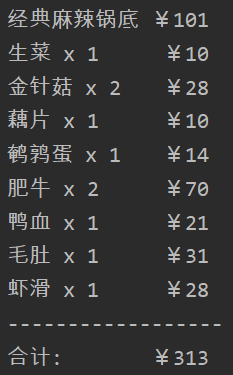
运行结果:
优点:
装饰类和被装饰类可以独立发展,不会相互耦合,符合开闭原则
装饰器模式是继承的一个替代模式,符合合成复用原则
装饰器模式可以动态扩展一个实现类的功能
缺点:
比继承更加灵活机动的特性,也意味着更加多的复杂性。
会产生较多的细粒度对象过度使用,会使程序变得很复杂。
装饰器模式针对抽象组件(Component)编程。如果要针对具体组件编程,就应该重新思考应用的架构,以及装饰者是否合适。当然也可以改变Component接口,增加新的公开的行为,实现“半透明”的装饰者模式。在实际项目中要做出最佳选择
适用情况:
需要扩展一个类的功能,或给一个类添加附加职责。
需要动态的给一个对象添加功能,且这些功能可以再动态的撤销。
当不能采用生成子类的方法进行扩充时。一种情况是,可能有大量独立的扩展,为支持每一种组合将产生大量的子类,使得子类数目呈爆炸性增长。另一种情况可能是因为类定义被隐藏,或类定义不能用于生成子类。
模式简化:
如果只有一个Concrete Component类而没有抽象的Component接口时,可以让Decorator继承Concrete Component。
如果只有一个Concrete Decorator类时,可以将Decorator和Concrete Decorator合并。
java IO 流是典型的装饰器模式
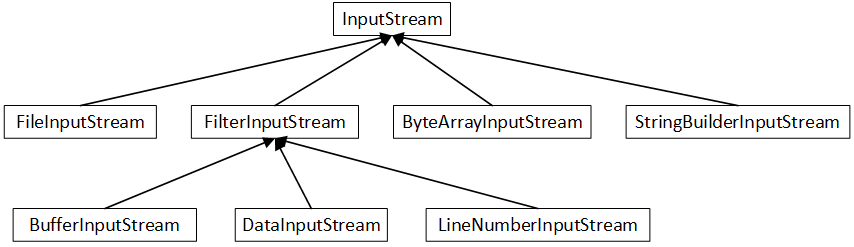
InputStream 是抽象类,对应 component

FileInputStream 对应 concreteComponent
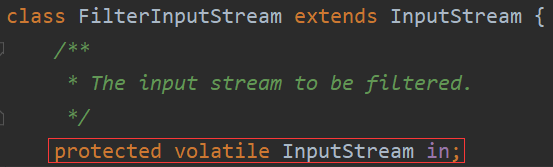
FilterInputStream 对应 Decorator,持有 InputStream(被修饰对象)
BufferInputStream、DataInputStream、LineNumberInputStream 对应 concreteDecorator

 浙公网安备 33010602011771号