
Java 多线程基础
方法1:写一个继承 Thread 的类,重写 run() 方法


 1 public class MyThread1 extends Thread {
 2     @Override
 3     public void run() {
 4         for (int i = 0; i < 3; i++) {
 5             System.out.println("run: " + i);
 6             try {
 7                 sleep(10);
 8             } catch (InterruptedException e) {
 9                 e.printStackTrace();
10             }
11         }
12     }
13
14     // main线程为主线程
15     public static void main(String[] args) throws Exception {
16
17         MyThread1 myThread1 = new MyThread1();// 创建线程对象
18
19         myThread1.start();// 调用 start() 方法开启线程
20
21         for (int i = 0; i < 3; i++) {
22             System.out.println("main: " + i);
23             sleep(10);
24         }
25     }
26 }
方法2:实现 runnable 接口,重写 run() 方法
 1 public class MyThread2 implements Runnable {
 2     @Override
 3     public void run() {
 4         for(int i = 0; i < 3; i++) {
 5             System.out.println("run: " + i);
 6             try {
 7                 Thread.sleep(10);
 8             } catch (InterruptedException e) {
 9                 e.printStackTrace();
10             }
11         }
12     }
13
14     public static void main(String[] args) {
15
16         // 创建线程对象
17         MyThread2 myThread2 = new MyThread2();
18
19         Thread myThread2Test = new Thread(myThread2);
20
21         myThread2Test.start();// 开启线程
22
23         for(int i = 0; i < 3; i++) {
24             System.out.println("main: " + i);
25             try {
26                 Thread.sleep(10);
27             } catch (InterruptedException e) {
28                 e.printStackTrace();
29             }
30         }
31
32     }
33 }
结果如下
1、 2、 3、
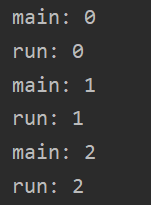
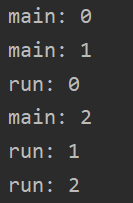
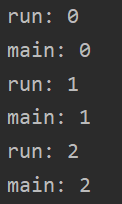
运行结果不同,因为线程开启不一定立即执行,各进程由CUP调度执行
View Code

 浙公网安备 33010602011771号