TOGAF ADM: A Comprehensive Guide for Enterprise Architecture
企业架构 (EA) 是将业务目标与 IT 策略对齐的关键。开放组架构框架 (TOGAF) 是一个广泛认可的框架,用于开发和管理企业架构。TOGAF 的核心是架构开发方法 (ADM),它是一个分步骤的过程,指导组织开发和管理其企业架构。
What is TOGAF and the ADM?
TOGAF 是一个开发、管理和实施企业架构的全面框架。它提供了最佳实践、工具和方法,以将 IT 与业务策略对齐,确保高效和有效的运营。
ADM 是 TOGAF 的核心组件,提供了一种结构化的方法来开发组织的企业架构。ADM 设计为迭代和循环的,确保组织可以不断完善其架构,以适应不断变化的业务需求和技术。
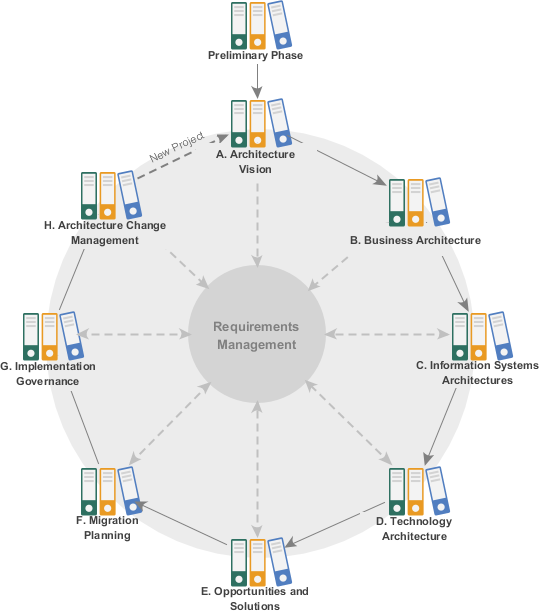
Overview of the TOGAF ADM
TOGAF ADM 由九个阶段组成,每个阶段都有特定的重点和一组成果。这些阶段指导组织通过计划、设计、实施和维护有效的企业架构的过程。这些阶段是:
- Preliminary Phase
- Phase A: Architecture Vision
- Phase B: Business Architecture
- Phase C: Information Systems Architecture
- Phase D: Technology Architecture
- Phase E: Opportunities & Solutions
- Phase F: Migration Planning
- Phase G: Implementation Governance
- Phase H: Architecture Change Management
此外,还有一个架构需求管理过程,它在 ADM 周期中不断运行,以管理和跟踪需求的变化。
In-Depth Review of Each TOGAF ADM Phase
1. Preliminary Phase: Setting the Foundation
- Purpose: 建立架构框架,定义原则,并设置架构治理结构。
- Key Activities: 定义范围和目标,建立架构团队,并设置架构工具和技术。
- Deliverables: 架构原则和治理框架,初步项目计划和利益相关者参与策略。
2. Phase A: Architecture Vision
- Purpose: 开发与业务目标对齐的目标架构的高层次愿景。
- Key Activities: 参与利益相关者,定义范围、约束和关键成果,并开发架构愿景文件。
- Deliverables: 架构愿景文件,业务案例和项目宪章。
3. Phase B: Business Architecture
- Purpose: 创建详细的业务架构,定义业务如何运作以实现其战略目标。
- Key Activities: 分析当前业务流程,设计未来状态业务流程,并识别业务能力。
- Deliverables: 业务架构文件和差距分析报告。
4. Phase C: Information Systems Architecture
- Purpose: 开发信息系统的架构,重点是数据架构和应用架构。
- Key Activities: 定义数据模型、数据流和应用交互,并确保数据完整性、安全性和可访问性。
- Deliverables: 数据架构和应用架构模型,以及信息系统路线图。
5. Phase D: Technology Architecture
- Purpose: 设计支持业务和信息系统架构所需的技术基础设施。
- Key Activities: 定义所需的硬件、软件和网络基础设施,并开发详细的技术路线图。
- Deliverables: 技术架构文件和技术标准和规范。
6. Phase E: Opportunities & Solutions
- Purpose: 识别潜在解决方案,评估其可行性,并开发高层次的实施计划。
- Key Activities: 进行成本效益分析,识别快速获胜和高影响项目,并开发架构实施的概述。
- Deliverables: 机会和解决方案报告和高层次的项目计划。
7. Phase F: Migration Planning
- Purpose: 开发从当前状态到目标架构的详细迁移计划。
- Key Activities: 优先考虑项目,开发实施时间表,并创建过渡计划。
- Deliverables: 迁移路线图和详细的项目计划,以及风险评估和缓解策略。
8. Phase G: Implementation Governance
- Purpose: 确保架构按计划实施,并有效管理任何偏差。
- Key Activities: 监控项目进度,进行架构审查,并解决问题。
- Deliverables: 治理报告和合规性检查表,以及项目状态更新和问题日志。
9. Phase H: Architecture Change Management
- Purpose: 管理架构随时间的变化,以确保其保持与业务目标一致。
- Key Activities: 监控环境中的变化,根据需要更新架构,并定期进行架构审查。
- Deliverables: 变更管理计划和更新的架构文件。
Best Practices for Implementing the TOGAF ADM
- Involve Stakeholders Early and Often: 确保利益相关者在整个过程中参与,以使架构与业务需求对齐。
- Tailor the ADM to Your Organization: 虽然 ADM 提供了结构化的方法,但重要的是将其调整以适应组织的特定上下文和行业。
- Focus on Iteration and Continuous Improvement: ADM 设计为迭代的。定期审查和完善架构,以适应不断变化的业务环境。
- Leverage Automation Tools: 使用 ArchiMate、Sparx EA 和 Orbus iServer 等架构工具来简化文档和分析过程。
Why Use the TOGAF ADM?
TOGAF ADM 提供了一种经过验证的结构化方法,用于开发与业务策略对齐的企业架构。通过遵循 ADM 中概述的阶段,组织可以确保其架构是灵活的、可扩展的,并且能够适应不断变化的业务需求。
Recommended Tool: Visual Paradigm's TOGAF ADM Guide-Through Process Software Platform
对于希望简化其 TOGAF ADM 过程的企业架构 (EA) 团队,Visual Paradigm 的 TOGAF ADM 指南过程软件平台 是一个很好的选择。该平台提供了一套全面的工具,旨在指导 EA 团队完成整个 ADM 过程,确保在开发和管理企业架构方面的效率和效果。
Key Features of Visual Paradigm's TOGAF ADM Software:
-
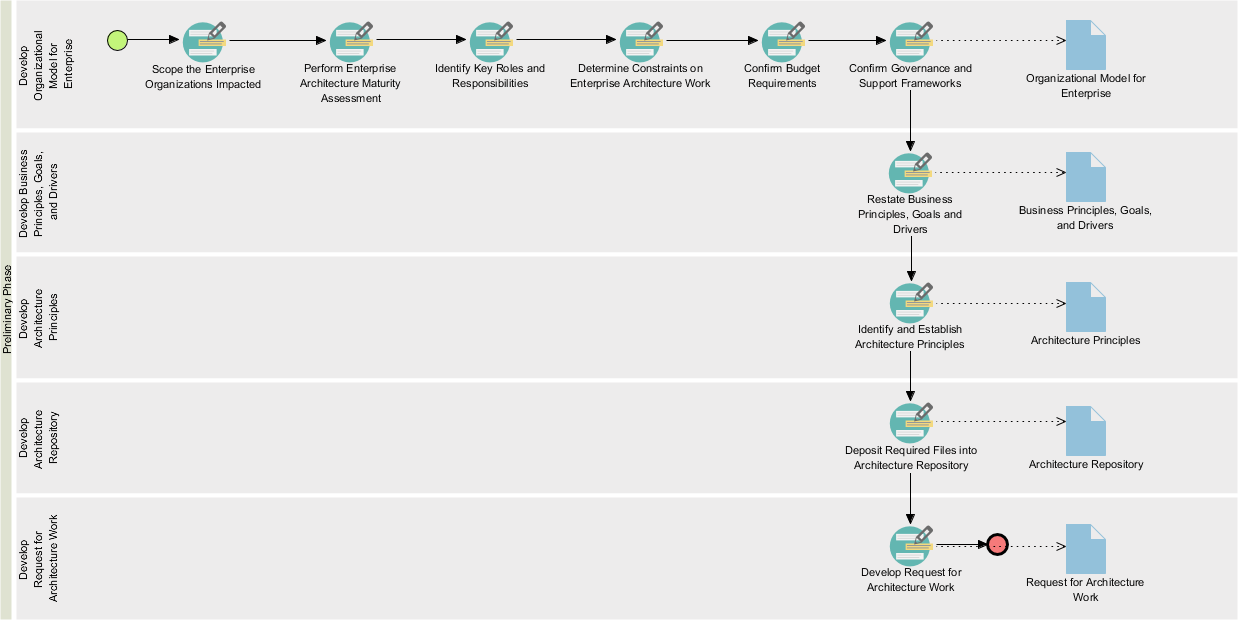
Guided ADM Process: 该平台具有高度可配置的 TOGAF ADM 流程图,其中包括使用 TOGAF ADM 协作设计、计划、开发和治理企业所需的所有可操作工作项。企业架构师可以按照每个工作项中定义的步骤和说明来开发架构1.
-
Automated Deliverable Generation: 随着活动的完成,工件逐渐开发并在整个 ADM 过程中重复使用。这意味着您之前创建的工作将填充到后续活动中,消除了重新工作的需要。您的努力将被提取和排列以创建 TOGAF ADM 成果,确保一个无缝和高效的过程1.
-
Visual Process Maps: TOGAF ADM 阶段和步骤被可视化为一堆可视化流程图,使得轻松导航整个 EA 过程。这种视觉表示帮助团队保持正轨,并确保完成所有必要的步骤1.
-
Comprehensive Toolkit: Visual Paradigm 提供了一系列功能,支持企业架构和项目管理的各个方面,包括 ArchiMate® 3 (认证)、DoDAF、NAF、MODAF、TOGAF® ADM 指南和 TOGAF® ADM 流程图。这个全面的工具包提供了一种逐步方法来开发 TOGAF ADM 中所需的所有成果,使其成为 EA 团队的强大和多才多艺的解决方案2.
-
Ease of Use: Visual Paradigm 的设计使其易于使用,具有直观的功能和可定制的选项,使其即使对于没有广泛培训的人也是可访问的。该平台包括说明、技巧、示例和案例研究,以帮助用户轻松生成 TOGAF ADM 成果3.
-
Integration and Flexibility: 该平台允许您创建一个新项目,并在 ADM 周期中随时访问 ADM 流程导航器。这种灵活性确保您可以根据组织的具体需求定制流程,并将其与其他管理框架集成3.
-
Free Trial and Download: Visual Paradigm 提供免费试用,使 EA 团队可以在承诺之前体验平台的功能。该软件适用于 Windows 11、10 PC 和笔记本电脑,使其便于用户访问和使用45.
Conclusion
TOGAF ADM 提供了一种结构化和迭代的方法来开发和管理企业架构,使 IT 投资与业务策略对齐。对于希望优化其 ADM 过程的 EA 团队,Visual Paradigm 的 TOGAF ADM 指南过程软件平台 是一个很好的选择。其全面的功能、易于使用和灵活性使其成为任何企业架构倡议的宝贵工具。
版本:英文翻译
TOGAF ADM: A Comprehensive Guide for Enterprise Architecture
Enterprise Architecture (EA) is crucial for aligning business objectives with IT strategies. The Open Group Architecture Framework (TOGAF) is a widely recognized framework for developing and managing enterprise architectures. At the core of TOGAF is the Architecture Development Method (ADM), a step-by-step process that guides organizations through the development and management of their enterprise architecture.
What is TOGAF and the ADM?
TOGAF is a comprehensive framework for developing, managing, and implementing enterprise architectures. It provides best practices, tools, and methodologies for aligning IT with business strategy to ensure efficient and effective operations.
The ADM is the core component of TOGAF, offering a structured approach for developing an organization’s enterprise architecture. The ADM is designed to be iterative and cyclical, ensuring that organizations can continuously refine their architecture as business needs and technologies evolve.
Overview of the TOGAF ADM
The TOGAF ADM consists of nine phases, each with a specific focus and set of deliverables. These phases guide organizations through the process of planning, designing, implementing, and maintaining an effective enterprise architecture. The phases are:
- Preliminary Phase
- Phase A: Architecture Vision
- Phase B: Business Architecture
- Phase C: Information Systems Architecture
- Phase D: Technology Architecture
- Phase E: Opportunities & Solutions
- Phase F: Migration Planning
- Phase G: Implementation Governance
- Phase H: Architecture Change Management
Additionally, there is an Architecture Requirements Management process that runs continuously throughout the ADM cycle to manage and track changes in requirements.
In-Depth Review of Each TOGAF ADM Phase
-
Preliminary Phase: Setting the Foundation
- Purpose: Establish the architecture framework, define principles, and set up the architecture governance structure.
- Key Activities: Define the scope and objectives, establish the architecture team, and set up the architecture tools and techniques.
- Deliverables: Architecture principles and governance framework, initial project plan, and stakeholder engagement strategy.
-
Phase A: Architecture Vision
- Purpose: Develop a high-level vision of the target architecture that aligns with business goals.
- Key Activities: Engage stakeholders, define the scope, constraints, and key deliverables, and develop an Architecture Vision document.
- Deliverables: Architecture Vision document, business case, and project charter.
-
Phase B: Business Architecture
- Purpose: Create a detailed business architecture that defines how the business will operate to achieve its strategic goals.
- Key Activities: Analyze current business processes, design future state business processes, and identify business capabilities.
- Deliverables: Business Architecture documentation and gap analysis report.
-
Phase C: Information Systems Architecture
- Purpose: Develop the architecture for information systems, focusing on Data Architecture and Application Architecture.
- Key Activities: Define data models, data flows, and application interactions, and ensure data integrity, security, and accessibility.
- Deliverables: Data Architecture and Application Architecture models, and information systems roadmap.
-
Phase D: Technology Architecture
- Purpose: Design the technology infrastructure needed to support the business and information systems architectures.
- Key Activities: Define the hardware, software, and network infrastructure required, and develop a detailed technology roadmap.
- Deliverables: Technology Architecture document and technology standards and specifications.
-
Phase E: Opportunities & Solutions
- Purpose: Identify potential solutions, assess their feasibility, and develop a high-level implementation plan.
- Key Activities: Conduct a cost-benefit analysis, identify quick wins and high-impact projects, and develop an outline of the architecture implementation.
- Deliverables: Opportunities and Solutions report and high-level project plan for implementation.
-
Phase F: Migration Planning
- Purpose: Develop a detailed migration plan to move from the current state to the target architecture.
- Key Activities: Prioritize projects, develop a timeline for implementation, and create a transition plan.
- Deliverables: Migration roadmap and detailed project plans, and risk assessment and mitigation strategies.
-
Phase G: Implementation Governance
- Purpose: Ensure that the architecture is implemented according to plan and that any deviations are managed effectively.
- Key Activities: Monitor project progress, conduct architecture reviews, and resolve issues.
- Deliverables: Governance reports and compliance checklists, and project status updates and issue logs.
-
Phase H: Architecture Change Management
- Purpose: Manage changes to the architecture over time to ensure it remains aligned with business objectives.
- Key Activities: Monitor the environment for changes, update the architecture as needed, and conduct periodic architecture reviews.
- Deliverables: Change management plan and updated architecture documentation.
Best Practices for Implementing the TOGAF ADM
- Involve Stakeholders Early and Often: Ensure that stakeholders are engaged throughout the process to align the architecture with business needs.
- Tailor the ADM to Your Organization: While the ADM provides a structured approach, it’s important to tailor it to fit your organization’s specific context and industry.
- Focus on Iteration and Continuous Improvement: The ADM is designed to be iterative. Regularly review and refine your architecture to adapt to changing business environments.
- Leverage Automation Tools: Use architecture tools like ArchiMate, Sparx EA, and Orbus iServer to streamline the documentation and analysis process.
Why Use the TOGAF ADM?
The TOGAF ADM offers a proven, structured approach for developing an enterprise architecture that aligns IT investments with business strategy. By following the phases outlined in the ADM, organizations can ensure that their architecture is flexible, scalable, and capable of adapting to changing business needs.
Recommended Tool: Visual Paradigm's TOGAF ADM Guide-Through Process Software Platform
For enterprise architecture (EA) teams looking to streamline their TOGAF ADM processes, Visual Paradigm's TOGAF ADM Guide-Through Process Software Platform is an excellent choice. This platform offers a comprehensive suite of tools designed to guide EA teams through the entire ADM process, ensuring efficiency and effectiveness in developing and managing enterprise architectures.
Key Features of Visual Paradigm's TOGAF ADM Software:
-
Guided ADM Process: The platform features a highly configurable TOGAF ADM process map that includes all the actionable work items needed to design, plan, develop, and govern an enterprise collaboratively using TOGAF ADM. Enterprise architects can follow the steps and instructions defined in each work item to develop the architecture effectively1.
-
Automated Deliverable Generation: As you complete the activities, artifacts are gradually developed and reused throughout the entire ADM process. This means that your work created earlier will be populated in subsequent activities, eliminating the need for re-work. Your efforts will be extracted and arranged to create TOGAF ADM deliverables, ensuring a seamless and efficient process1.
-
Visual Process Maps: The TOGAF ADM phases and steps are visualized as a stack of visual process maps, making it easy to navigate through the entire EA process. This visual representation helps teams stay on track and ensures that all necessary steps are completed1.
-
Comprehensive Toolkit: Visual Paradigm offers a wide range of features to support various aspects of enterprise architecture and project management, including ArchiMate® 3 (Certified), DoDAF, NAF, MODAF, TOGAF® ADM Guide-Through, and TOGAF® ADM Process-Map. This comprehensive toolkit provides a step-by-step approach to developing all the deliverables required in the TOGAF ADM, making it a powerful and versatile solution for EA teams2.
-
Ease of Use: Visual Paradigm is designed to be user-friendly, with intuitive features and customizable options that make it accessible even to those without extensive training. The platform includes instructions, tips, samples, and case studies to help users produce TOGAF ADM deliverables with ease3.
-
Integration and Flexibility: The platform allows you to create a new project and access the ADM process navigator anytime throughout the ADM cycle. This flexibility ensures that you can tailor the process to your organization's specific needs and integrate it with other management frameworks3.
-
Free Trial and Download: Visual Paradigm offers a free trial, allowing EA teams to experience the platform's capabilities before committing. The software is available for download for Windows 11, 10 PC, and laptop, making it accessible and convenient for users45.
Conclusion
The TOGAF ADM provides a structured and iterative approach to developing and managing enterprise architectures, aligning IT investments with business strategy. For EA teams looking to optimize their ADM processes, Visual Paradigm's TOGAF ADM Guide-Through Process Software Platform is a top recommendation. Its comprehensive features, ease of use, and flexibility make it an invaluable tool for any enterprise architecture initiative.
posted on 2025-01-10 11:25 Lynch_Warren 阅读(285) 评论(0) 收藏 举报


 浙公网安备 33010602011771号