

【OSG学习笔记】Day 15: 路径动画与相机漫游 - 教程
2025-10-07 21:38 tlnshuju 阅读(21) 评论(0) 收藏 举报
本章来学习下漫游相机。
路径动画与相机漫游
本届内容比较简单,其实就是实现物体的运动和相机的运动
当然这两个要一起执行。
贝塞尔曲线
贝塞尔曲线(Bézier curve)是一种在计算机图形学、动画制作、工业设计等领域广泛应用的参数曲线,它由法国工程师皮埃尔・贝塞尔(Pierre Bézier)在 20 世纪 60 年代为汽车工业设计而提出。
大致类似这样:
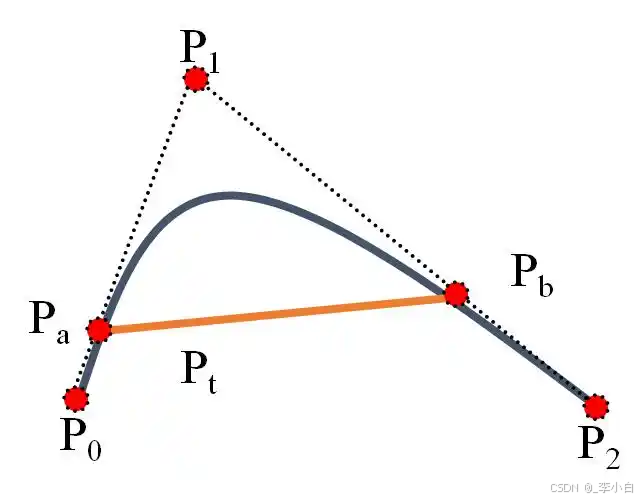
经过控制一些点来定义整个曲线。
实战
使用OpenSceneGraph(OSG)实现沿贝塞尔曲线移动模型以及录制相机路径的示例代码。
代码实现了在OSG中创建一个模型,并让它沿着贝塞尔曲线移动,同时也记录相机的路径。
#
include <osg/Group>
#
include <osg/Node>
#
include <osg/Geometry>
#
include <osg/Geode>
#
include <osgViewer/Viewer>
#
include <osgGA/TrackballManipulator>
#
include <osg/MatrixTransform>
#
include <osg/AnimationPath>
#
include <osg/Quat>
#
include <iostream>
#
include <vector>
// 计算贝塞尔曲线上的点
osg::Vec3 bezierPoint(
const std::vector<osg::Vec3>
& controlPoints,
double t) {
int n = controlPoints.size(
) - 1
;
osg::Vec3 result(0.0
, 0.0
, 0.0
)
;
for (
int i = 0
; i <= n;
++i) {
double binomial = 1.0
;
for (
int j = 0
; j < i;
++j) {
binomial *= (n - j) / (i - j)
;
}
binomial *= pow(1 - t, n - i) * pow(t, i)
;
result += binomial * controlPoints[i]
;
}
return result;
}
int main(
) {
// 创建一个场景组
osg::ref_ptr<osg::Group> root =
new osg::Group;
// 创建一个简单的模型(这里以一个立方体为例)
osg::ref_ptr<osg::Geometry> geom = osg::createTexturedCubeGeometry(osg::Vec3(0
, 0
, 0
)
, 1.0
)
;
osg::ref_ptr<osg::Geode> geode =
new osg::Geode;
geode->
addDrawable(geom)
;
root->
addChild(geode)
;
// 贝塞尔曲线的控制点
std::vector<osg::Vec3> controlPoints = {
osg::Vec3(-5
, 0
, 0
)
,
osg::Vec3(-2
, 5
, 0
)
,
osg::Vec3(2
, -5
, 0
)
,
osg::Vec3(5
, 0
, 0
)
}
;
// 创建动画路径
osg::ref_ptr<osg::AnimationPath> animationPath =
new osg::AnimationPath;
animationPath->
setLoopMode(osg::AnimationPath::LOOP)
;
// 采样贝塞尔曲线生成动画路径的关键帧
const
int numSamples = 100
;
for (
int i = 0
; i < numSamples;
++i) {
double t = static_cast<
double>(i) / (numSamples - 1
)
;
osg::Vec3 position = bezierPoint(controlPoints, t)
;
osg::Quat orientation;
// 这里简单设置为无旋转
osg::Vec3 scale(1
, 1
, 1
)
;
osg::AnimationPath::ControlPoint cp(static_cast<
double>(i) * 0.1
, position, orientation, scale)
;
animationPath->
insert(cp)
;
}
// 创建一个矩阵变换节点来应用动画路径
osg::ref_ptr<osg::MatrixTransform> mt =
new osg::MatrixTransform;
mt->
addChild(geode)
;
osg::ref_ptr<osg::AnimationPathCallback> callback =
new osg::AnimationPathCallback(animationPath)
;
mt->
setUpdateCallback(callback)
;
root->
addChild(mt)
;
// 创建相机路径记录器
osg::ref_ptr<osg::Group> cameraPathGroup =
new osg::Group;
osg::ref_ptr<osg::Vec3Array> cameraPathVertices =
new osg::Vec3Array;
osg::ref_ptr<osg::Geometry> cameraPathGeom =
new osg::Geometry;
cameraPathGeom->
setVertexArray(cameraPathVertices)
;
osg::ref_ptr<osg::Geode> cameraPathGeode =
new osg::Geode;
cameraPathGeode->
addDrawable(cameraPathGeom)
;
cameraPathGroup->
addChild(cameraPathGeode)
;
root->
addChild(cameraPathGroup)
;
// 创建查看器
osgViewer::Viewer viewer;
viewer.setSceneData(root)
;
viewer.setCameraManipulator(
new osgGA::TrackballManipulator)
;
// 记录相机路径
bool recording = false
;
osg::Vec3 lastCameraPosition;
viewer.setCameraManipulator(
new osgGA::TrackballManipulator)
;
viewer.realize(
)
;
while (!viewer.done(
)
) {
osg::Matrix cameraMatrix = viewer.getCamera(
)->
getViewMatrix(
)
;
osg::Vec3 cameraPosition = osg::Vec3(cameraMatrix.getTrans(
)
)
;
if (recording) {
cameraPathVertices->
push_back(cameraPosition)
;
osg::ref_ptr<osg::DrawArrays> drawArrays =
new osg::DrawArrays(osg::PrimitiveSet::LINE_STRIP, 0
, cameraPathVertices->
size(
)
)
;
cameraPathGeom->
setDrawArray(drawArrays)
;
}
// 简单的按键控制记录开始和结束
const osgGA::GUIEventAdapter& ea = viewer.getEventQueue(
)->
getCurrentEvent(
)
;
if (ea.getEventType(
) == osgGA::GUIEventAdapter::KEYDOWN && ea.getKey(
) == osgGA::GUIEventAdapter::KEY_R) {
recording =!recording;
if (recording) {
lastCameraPosition = cameraPosition;
}
}
viewer.frame(
)
;
}
return 0
;
}执行效果
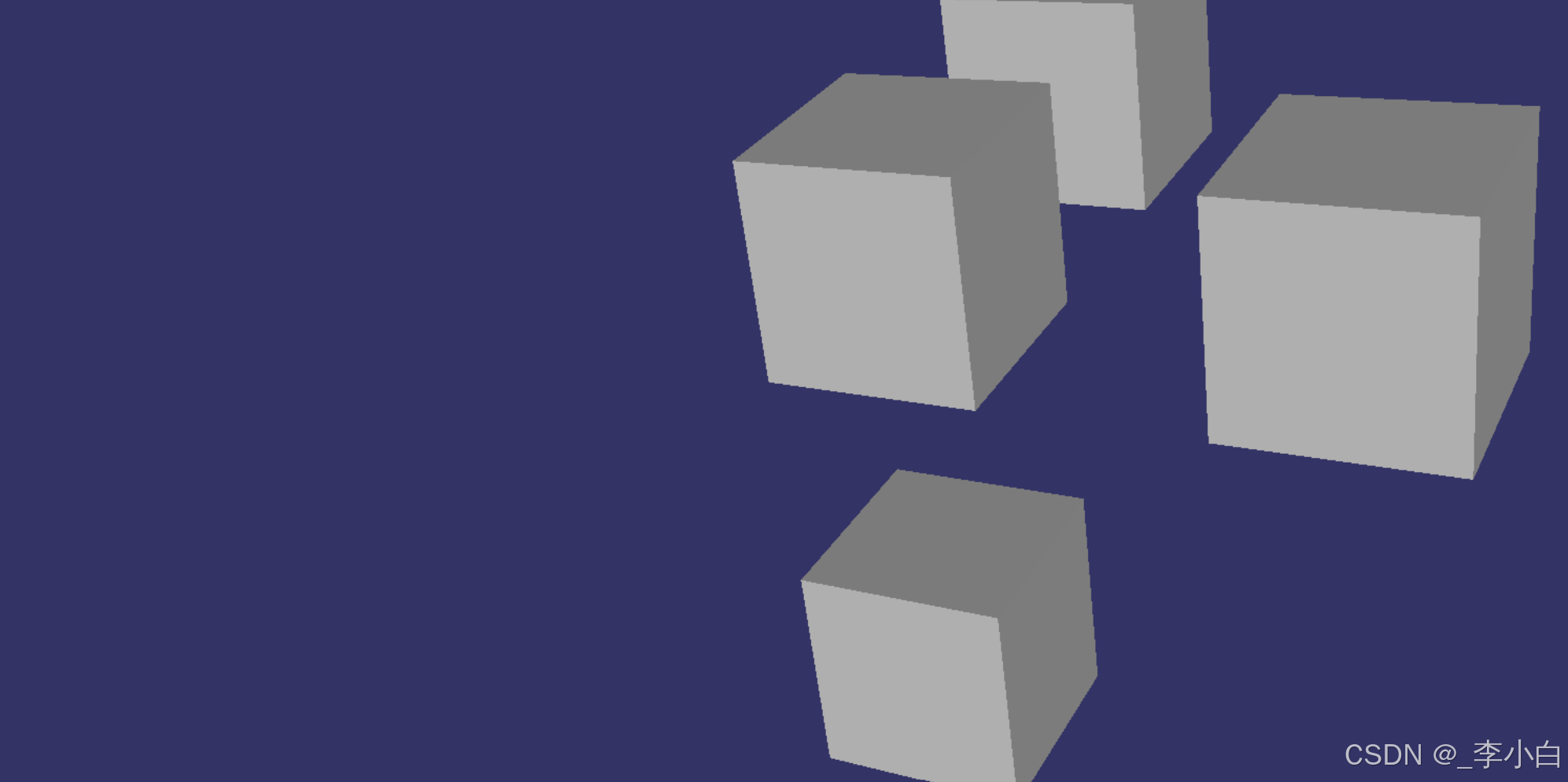
ok,今天就到这里。明天继续!

 浙公网安备 33010602011771号