
1_MyBatis
1、简介
1.1、什么是MyBatis

- MyBatis是一款优秀的持久层框架
- 它支持定制化SQL、存储过程以及高级映射
- MyBatis避免了几乎所有的JDBC代码和手动设置参数以及获取结果集
- MyBatis可以使用简单的XML或注解来配置和映射原生类型、接口和Java的POJO(Plain Old Java Objects,普通老式Java对象)为数据库中的记录
- MyBatis本是apache的一个开源项目iBatis,2010年这个项目由apache software foundation迁移到了google code,并且改名为MyBatis
- 2013年11月迁移到了Github
1.2、如何获取MyBatis
-
maven仓库:https://mvnrepository.com/
<!-- https://mvnrepository.com/artifact/org.mybatis/mybatis -->
<dependency>
    <groupId>org.mybatis</groupId>
    <artifactId>mybatis</artifactId>
    <version>3.5.6</version>
</dependency>
1.3、持久化
数据持久化
- 持久化就是将程序的数据在持久状态和瞬时状态转化的过程
- 内存:断电即失
- 数据库(jdbc),io文件持久化
- 生活中的持久化:冷藏、罐头
为什么需要持久化?
- 有一些对象,不能让他丢掉
- 内存太贵了
1.4、持久层
Dao层,Service层,Controller层
- 完成持久化工作的代码块
- 层是界限十分明显的
1.5、为什么需要MyBatis
- 帮助程序员将数据库存入到数据库中
- 方便使用
- 传统的JDBC代码太复杂了,简化、框架、自动化
- 不用MyBatis也可以,更容易上手
- 优点:
- 简单易学
- 灵活
- sql和代码的分离,提高了可维护性
- 提供映射标签,支持对象与数据库的orm字段关系映射
- 提供对象关系映射标签,支持对象关系组建维护
- 提供xml标签,支持编写动态sql
- 最重要的一点:使用的人多
2、第一个MyBatis程序
思路:搭建环境-->导入MyBatis-->编写代码-->测试
2.1、搭建环境
-
搭建数据库
create database mybatis; use mybatis; create table user( id int(20) not null primary key, name varchar(30) default null, pwd varchar(30) default null ) engine=innodb default charset=utf8; insert into user(id, name, pwd) values (1, '张三', '1111111111'), (2, '李四', '2222222222'), (3, '王五', '3333333333') -
新建项目
-
用IDEA创建一个普通的maven项目
-
删除src目录,当作父工程
-
导入maven依赖,参考官方文档
<dependencies>
    <!--mysql驱动-->
    <dependency>
        <groupId>mysql</groupId>
        <artifactId>mysql-connector-java</artifactId>
        <version>5.1.47</version>
    </dependency>
    <!--mybatis-->
    <dependency>
        <groupId>org.mybatis</groupId>
        <artifactId>mybatis</artifactId>
        <version>3.5.6</version>
    </dependency>
    <!--junit-->
    <dependency>
        <groupId>junit</groupId>
        <artifactId>junit</artifactId>
        <version>4.12</version>
    </dependency>
</dependencies>
-
2.2、创建一个模块
-
编写mybatis的核心配置文件
mybatis-config.xml<?xml version="1.0" encoding="UTF-8" ?> <!DOCTYPE configuration PUBLIC "-//mybatis.org//DTD Config 3.0//EN" "http://mybatis.org/dtd/mybatis-3-config.dtd"> <configuration> <environments default="development"> <environment id="development"> <transactionManager type="JDBC"/> <dataSource type="POOLED"> <property name="driver" value="com.mysql.jdbc.Driver"/> <property name="url" value="jdbc:mysql://localhost:3306/mybatis?useUnicode=true&characterEncoding=utf8&useSSL=true"/> <property name="username" value="root"/> <property name="password" value="111111"/> </dataSource> </environment> </environments> </configuration> -
编写mybatis工具类
MyBatisUtils.javapackage com.yunlbd.utils; import org.apache.ibatis.io.Resources; import org.apache.ibatis.session.SqlSession; import org.apache.ibatis.session.SqlSessionFactory; import org.apache.ibatis.session.SqlSessionFactoryBuilder; import java.io.IOException; import java.io.InputStream; public class MyBatisUtils { private static SqlSessionFactory sqlSessionFactory; static { String resource = "mybatis-config.xml"; try { InputStream inputStream = Resources.getResourceAsStream(resource); sqlSessionFactory = new SqlSessionFactoryBuilder().build(inputStream); } catch (IOException e) { e.printStackTrace(); } } public static SqlSession getSqlSession() { return sqlSessionFactory.openSession(); } }
2.3、编写代码
-
实体类
package com.yunlbd.pojo; public class User { private int id; private String name; private String pwd; public User() { } public User(int id, String name, String pwd) { this.id = id; this.name = name; this.pwd = pwd; } public int getId() { return id; } public void setId(int id) { this.id = id; } public String getName() { return name; } public void setName(String name) { this.name = name; } public String getPwd() { return pwd; } public void setPwd(String pwd) { this.pwd = pwd; } @Override public String toString() { return "User{" + "id=" + id + ", name='" + name + '\'' + ", pwd='" + pwd + '\'' + '}'; } } -
Dao接口
package com.yunlbd.dao; import com.yunlbd.pojo.User; import java.util.List; public interface UserMapper { List<User> getUserList(); } -
接口实现类由原来的UserDaoImpl转变为一个Mapper配置文件
<?xml version="1.0" encoding="UTF-8" ?> <!DOCTYPE mapper PUBLIC "-//mybatis.org//DTD Mapper 3.0//EN" "http://mybatis.org/dtd/mybatis-3-mapper.dtd"> <mapper namespace="com.yunlbd.dao.UserMapper"> <!--查询语句--> <select id="getUserList" resultType="com.yunlbd.pojo.User"> select * from user </select> </mapper> -
在mybatis的核心配置文件
mybatis-config.xml中注册mapper<!--每一个Mapper.xml都需要在mybatis核心配置文件中注册--> <mappers> <mapper resource="com/yunlbd/dao/UserMapper.xml"/> </mappers> -
在
pom.xml中配置build,防止资源导出失败的问题<!--在build中配置resources,来防止我们资源导出失败的问题--> <build> <resources> <resource> <directory>src/main/resources</directory> <excludes> <exclude>**/*.properties</exclude> <exclude>**/*.xml</exclude> </excludes> <filtering>true</filtering> </resource> <resource> <directory>src/main/java</directory> <includes> <include>**/*.properties</include> <include>**/*.xml</include> </includes> <filtering>true</filtering> </resource> </resources> </build>
2.4、测试
按照规范,在test目录中使用junit来测试
package com.yunlbd.dao;

import com.yunlbd.pojo.User;
import com.yunlbd.utils.MyBatisUtils;
import org.apache.ibatis.session.SqlSession;
import org.junit.Test;

import java.util.List;

public class UserMapperTest {

    @Test
    public void test() {
        SqlSession sqlSession = MyBatisUtils.getSqlSession();
        try {
            UserMapper userMapper = sqlSession.getMapper(UserMapper.class);
            List<User> userList = userMapper.getUserList();
            for (User user : userList) {
                System.out.println(user);
            }
        } finally {
            sqlSession.close();
        }
    }
}
执行结果:
User{id=1, name='张三', pwd='1111111111'}
User{id=2, name='李四', pwd='2222222222'}
User{id=3, name='王五', pwd='3333333333'}
可能遇到的问题:
- Mapper配置文件没有在mybatis核心配置文件中注册
- 绑定接口错误
- 方法名不对
- 返回类型不对
- Maven导出资源文件的问题
- 如果出现
java.io.IOException: Could not find resource mybatis-config.xml的错误,把<build>标签中的第一个<resource>去掉 - 如果没有出现则不用管
- 如果出现
- 如果出现
Error building SqlSession的错误,两种解决方法:- 去掉Mapper配置文件中的中文注释
- 修改Mapper配置文件中头部的
encoding="UTF-8"为encoding="UTF8"
3、增删改查实现
3.1、namespace
<mapper namespace="com.yunlbd.dao.UserMapper"></mapper>
namespace中的包名要和Dao/Mapper接口的包名一致
3.2、select
UserMapper接口中添加getUserById(int id)方法
User getUserById(int id);
<select id="getUserById" parameterType="int" resultType="com.yunlbd.pojo.User">
    select * from user where id = #{id}
</select>
- id:就是对应的namespace中的方法名
- resultType:sql语句执行的返回值
- parameterType:参数类型
测试代码:
@Test
public void test() {
    SqlSession sqlSession = MyBatisUtils.getSqlSession();
    try {
        UserMapper userMapper = sqlSession.getMapper(UserMapper.class);
        User user = userMapper.getUserById(1);
        System.out.println(user);
    } finally {
        sqlSession.close();
    }
}
3.3、insert
UserMapper接口中添加addUser(User user)方法
int addUser(User user);
<insert id="addUser" parameterType="com.yunlbd.pojo.User">
    insert into user (id, name, pwd) value (#{id}, #{name}, #{pwd})
</insert>
测试代码:
@Test
public void test() {
    SqlSession sqlSession = MyBatisUtils.getSqlSession();
    try {
        UserMapper userMapper = sqlSession.getMapper(UserMapper.class);
        int key = userMapper.addUser(new User(4, "赵六", "4444444444"));
        if (key > 0) {
            System.out.println("插入成功!");
        }
        //一定要记得提交事务
        sqlSession.commit();
    } finally {
        sqlSession.close();
    }
}
3.4、update
UserMapper接口中添加updateUserById(User user)方法
int updateUserById(User user);
<update id="updateUserById" parameterType="com.yunlbd.pojo.User">
    update user set name = #{name}, pwd = #{pwd} where id = #{id}
</update>
测试代码:
@Test
public void test() {
    SqlSession sqlSession = MyBatisUtils.getSqlSession();
    try {
        UserMapper userMapper = sqlSession.getMapper(UserMapper.class);
        int key = userMapper.updateUserById(new User(4, "孙七", "5555555555"));
        if (key > 0) {
            System.out.println("修改成功!");
        }
        //一定要记得提交事务
        sqlSession.commit();
    } finally {
        sqlSession.close();
    }
}
3.5、delete
UserMapper接口中添加deleteUserById(int id)方法
int deleteUserById(int id);
<delete id="deleteUserById" parameterType="int">
    delete from user where id = #{id}
</delete>
测试代码:
@Test
public void test() {
    SqlSession sqlSession = MyBatisUtils.getSqlSession();
    try {
        UserMapper userMapper = sqlSession.getMapper(UserMapper.class);
        int key = userMapper.deleteUserById(4);
        if (key > 0) {
            System.out.println("删除成功!");
        }
        //一定要记得提交事务
        sqlSession.commit();
    } finally {
        sqlSession.close();
    }
}
3.6、万能Map
假设我们的实体类或者数据库中的表字段或者参数过多,我们应当考虑使用Map。
UserMapper接口中添加addUser2(Map<String, Object> map)方法
int addUser2(Map<String, Object> map);
<insert id="addUser2" parameterType="map">
    insert into user (id, name, pwd) value (#{id}, #{username}, #{password})
</insert>
测试代码:
@Test
public void test() {
    SqlSession sqlSession = MyBatisUtils.getSqlSession();
    try {
        UserMapper userMapper = sqlSession.getMapper(UserMapper.class);
        Map<String, Object> map = new HashMap<String, Object>();
        map.put("id", 4);
        map.put("username", "赵六");
        map.put("password", "4444444444");
        int key = userMapper.addUser2(map);
        if (key > 0) {
            System.out.println("插入成功!");
        }
        sqlSession.commit();
    } finally {
        sqlSession.close();
    }
}
总结:
- Map传递参数,直接在sql中取出key即可(parameterType="map")
- 对象传递参数,直接在sql中取出对象的属性即可(parameterType="Object")
- 只有一个基本类型参数的情况下,可以不用写parameterType,可以直接在sql中取到
- 多个参数用Map,或者注解
3.7、模糊查询的写法
-
Java代码执行的时候,传递通配符
%%List<User> userList = mapper.getUserByName("%张%"); -
在sql拼接中使用通配符
select * from user where name like "%#{value}%"
4、配置解析
4.1、核心配置文件
mybatis-config.xml的配置文件中包含了会深深影响MyBatis行为的设置和属性信息。配置文档的顶层结构如下:
- configuration(配置)
- properties(属性)
- settings(设置)
- typeAliases(类型别名)
- typeHandlers(类型处理器)
- objectFactory(对象工厂)
- plugins(插件)
- environments(环境配置)
- environment(环境变量)
- transactionManager(事务管理器)
- dataSource(数据源)
- environment(环境变量)
- databaseIdProvider(数据库厂商标识)
- mappers(映射器)
4.2、环境配置(environments)
MyBatis 可以配置成适应多种环境,这种机制有助于将 SQL 映射应用于多种数据库之中, 现实情况下有多种理由需要这么做。例如,开发、测试和生产环境需要有不同的配置;或者想在具有相同 Schema 的多个生产数据库中使用相同的 SQL 映射。还有许多类似的使用场景。
不过要记住:尽管可以配置多个环境,但每个 SqlSessionFactory 实例只能选择一种环境。
- 学会使用配置多套运行环境
- Mybatis默认的事务管理器就是JDBC,连接池是POOLED
4.3、属性(properties)
我们可以通过properties属性来实现引用配置文件
这些属性都是可外部配置且可动态替换的,既可以在典型的Java属性文件中配置,亦可通过properties元素的子元素来传递。
dp.properties
driver=com.mysql.jdbc.Driver
url=jdbc:mysql://localhost:3306/mybatis?useUnicode=true&characterEncoding=utf8&useSSL=true
username=root
password=111111
在xml文件中标签可以设置顺序的,这里的properties标签必须放在第一个,不然会报错!
在mybatis-config.xml中配置如下:
<!--引入外部配置文件-->
<properties resource="dp.properties"/>
<environments default="development">
    <environment id="development">
        <transactionManager type="JDBC"/>
        <dataSource type="POOLED">
            <property name="driver" value="${driver}"/>
            <property name="url" value="${url}"/>
            <property name="username" value="${username}"/>
            <property name="password" value="${password}"/>
        </dataSource>
    </environment>
</environments>
或者
<properties resource="dp.properties">
    <!--如果这样写,优先级就小于dp.properties配置文件-->
    <property name="username" value="root"/>
    <property name="password" value="111111"/>
</properties>
<environments default="development">
    <environment id="development">
        <transactionManager type="JDBC"/>
        <dataSource type="POOLED">
            <property name="driver" value="${driver}"/>
            <property name="url" value="${url}"/>
            <property name="username" value="${username}"/>
            <property name="password" value="${password}"/>
        </dataSource>
    </environment>
</environments>
注意:
- 可以直接引入外部文件
- 可以在其中增加一些属性配置
- 如果两个文件有同一个字段,优先使用外部配置文件的
4.4、设置(settings)
这是MyBatis中极为重要的调整设置,它们会改变MyBatis的运行时行为。
一般需要记住以下几个:
-
cacheEnabled:全局性地开启或关闭所有映射器配置文件中已配置的任何缓存。
有效值:true | false,默认值:true
-
lazyLoadingEnabled:延迟加载的全局开关。当开启时,所有关联对象都会延迟加载。 特定关联关系中可通过设置
fetchType属性来覆盖该项的开关状态。有效值:true | false,默认值:false
-
logImpl:指定 MyBatis 所用日志的具体实现,未指定时将自动查找。
有效值:SLF4J | LOG4J | LOG4J2 | JDK_LOGGING | COMMONS_LOGGING | STDOUT_LOGGING | NO_LOGGING
在mybatis-config.xml中配置如下:
settings标签要写在properties之后,放在第二个,不然会报错
<settings>
  <setting name="cacheEnabled" value="true"/>
  <setting name="lazyLoadingEnabled" value="true"/>
  <setting name="multipleResultSetsEnabled" value="true"/>
  <setting name="useColumnLabel" value="true"/>
  <setting name="useGeneratedKeys" value="false"/>
  <setting name="autoMappingBehavior" value="PARTIAL"/>
  <setting name="autoMappingUnknownColumnBehavior" value="WARNING"/>
  <setting name="defaultExecutorType" value="SIMPLE"/>
  <setting name="defaultStatementTimeout" value="25"/>
  <setting name="defaultFetchSize" value="100"/>
  <setting name="safeRowBoundsEnabled" value="false"/>
  <setting name="mapUnderscoreToCamelCase" value="false"/>
  <setting name="localCacheScope" value="SESSION"/>
  <setting name="jdbcTypeForNull" value="OTHER"/>
  <setting name="lazyLoadTriggerMethods" value="equals,clone,hashCode,toString"/>
</settings>
4.5、类型别名(typeAliases)
- 类型别名是为Java类型设置一个短的名字
- 存在的意义仅在于用来减少类完全限定名的冗余
在mybatis-config.xml中配置如下:
typeAliases标签要放在settings之后,放在第三个,不然会报错
<typeAliases>
    <typeAlias type="com.yunlbd.pojo.User" alias="User"/>
</typeAliases>
mapper.xml中配置修改如下:
<select id="getUserList" resultType="User">
    select * from user order by id
</select>
也可以指定一个包名,MyBatis 会在包名下面搜索需要的 Java Bean,比如:
扫描实体类的包,它的默认别名就为这个类的类名,首字母小写!
在mybatis-config.xml中配置如下:
<typeAliases>
    <package name="com.yunlbd.pojo"/>
</typeAliases>
mapper.xml中配置修改如下:
<select id="getUserList" resultType="user">
    select * from user order by id
</select>
在实体类比较少的时候,使用第一种方式。
如果实体类十分多,建议使用第二种。
第一种可以DIY别名;第二种则不行,如果非要改则在实体类上加注解:
@Alias("user")
public class User {}
4.6、其他配置
- typeHandlers(类型处理器)
- objectFactory(对象工厂)
- plugins(插件)
- mybatis-generator-core
- mybatis-plus
- 通用mapper
4.7、映射器(mappers)
MapperRegistry:注册绑定我们的Mapper文件:
-
方式一:使用相对于类路径的资源引用
<mappers> <mapper resource="com/yunlbd/dao/UserMapper.xml"/> </mappers> -
方式二:使用映射器接口实现类的完全限定类名
<mappers>
    <mapper class="com.yunlbd.dao.UserMapper"/>
</mappers>
注意点:
- 接口和他的Mapper配置文件必须同名
- 接口和他的Mapper配置文件必须在同一个包下
-
方式三:将包内的映射器接口实现全部注册为映射器
<mappers>
    <package name="com.yunlbd.dao"/>
</mappers>
注意点与方式二一样。
4.8、生命周期和作用域
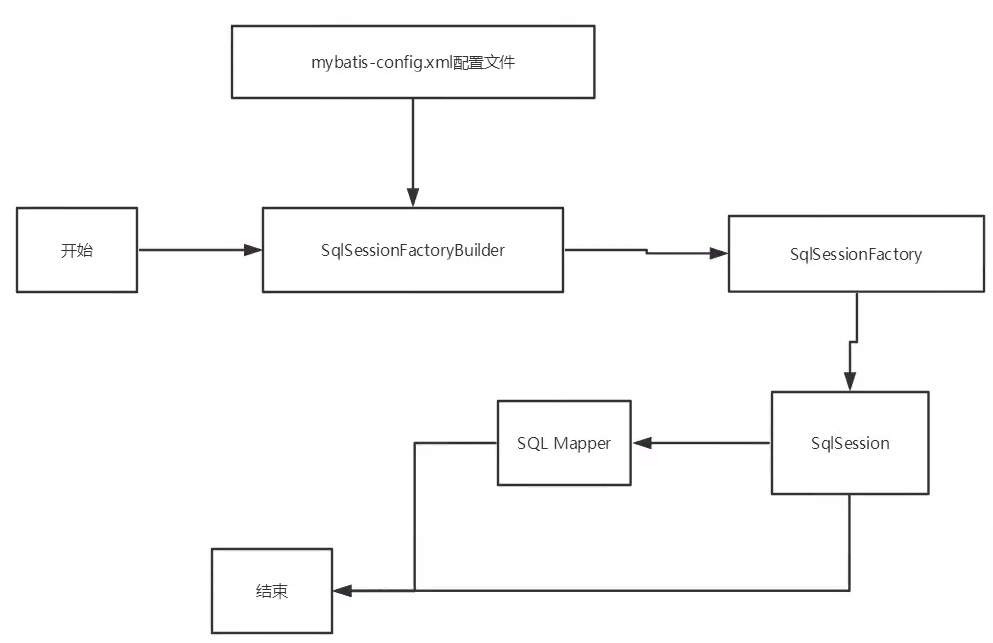
生命周期和作用域是至关重要的,因为错误的使用会导致非常严重的并发问题。
SqlSessionFactoryBuilder
- 一旦创建了SqlSessionFactoryBuilder就不再需要它了
- 局部变量
SqlSessionFactory
- 说白了可以理解为数据库连接池
- SqlSessionFactory一旦被创建就应该在应用的运行期间一直存在,没有任何理由丢弃它或重新创建另一个实例。
- 因此SqlSessionFactory的最佳作用域是应用作用域。
- 最简单的就是使用单例模式或者静态单例模式。
SqlSession
-
可以理解为连接到连接池的一个请求
-
qlSession 的实例不是线程安全的,因此是不能被共享的,所以它的最佳的作用域是请求或方法作用域。
-
用完之后需要赶紧关闭,否则资源被占用。
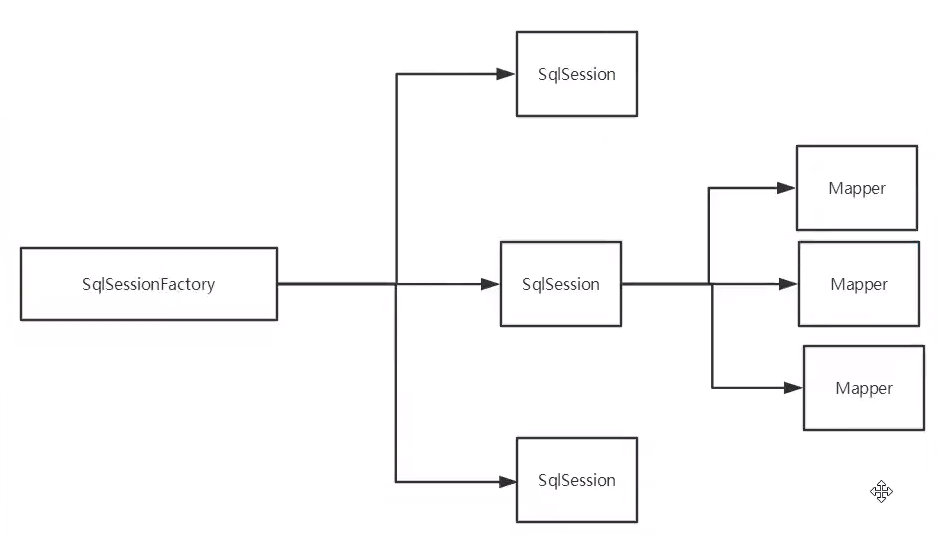
这里面的每一个Mapper,就代表一个具体的业务!
5、ResultMap结果集映射
为了解决属性名和字段名不一致的问题,如下图:
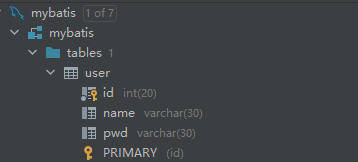
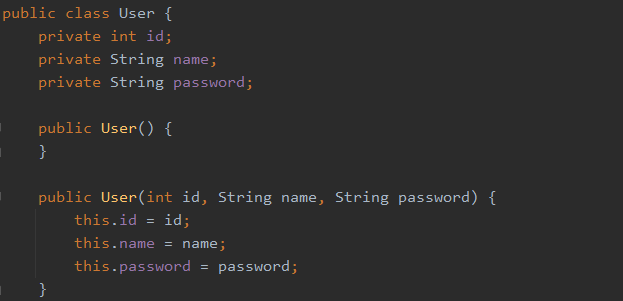
数据库字段名和实体类的password不一致。会导致下面的输出结果:

解决方法:
-
起别名
<select id="getUserById" parameterType="int" resultType="com.yunlbd.pojo.User"> select id, name, pwd as password from user where id = #{id} </select> -
resultMap
<resultMap id="UserMap" type="User"> <result column="id" property="id"/> <result column="name" property="name"/> <result column="pwd" property="password"/> </resultMap> <select id="getUserById" parameterType="int" resultMap="UserMap"> select * from user where id = #{id} </select>resultMap元素是MyBatis中最重要最强大的元素。resultMap的设计思想是,对于简单的语句根本不需要配置显式的结果映射,而对于复杂一点的语句只需要描述他们的关系就行了。resultMap最优秀的地方在于,虽然你已经对它相当了解了,但是根本就不需要显式地用到他们。
6、日志
6.1、日志工厂
如果一个数据库操作,出现了异常,我们需要排错。日志就是最好的助手!
曾经:sout、debug
现在:日志工厂!

- SLF4J
- LOG4J【掌握】
- LOG4J2
- JDK_LOGGING
- COMMONS_LOGGING
- STDOUT_LOGGING【掌握】
- NO_LOGGING
在MyBatis中具体使用哪一个日志实现,在设置中设定
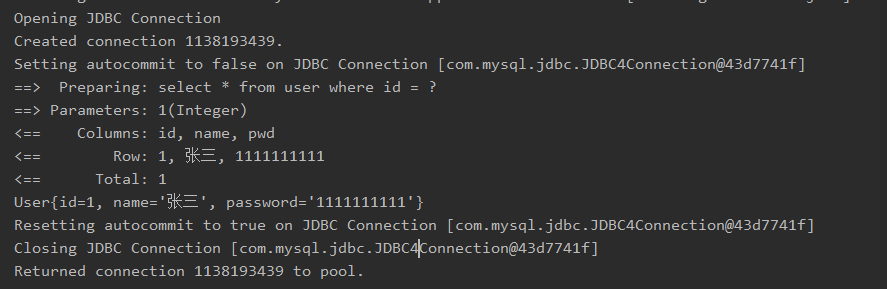
STDOUT_LOGGING标准日志输出
在mybatis-config.xml核心配置文件中配置如下:
<settings>
    <setting name="logImpl" value="STDOUT_LOGGING"/>
</settings>
执行输出:
6.2、Log4j
6.2.1、什么是Log4j
- Log4j是Apache的一个开源项目,通过使用Log4j,我们可以控制日志信息输送的目的地是控制台、文件、GUI组件
- 我们也可以控制每一条日志的输出格式
- 通过定义每一条日志信息的级别,我们能够更加细致地控制日志的生成过程
- 通过一个配置文件来灵活地进行配置,而不需要修改应用的代码
6.2.2、Log4j如何使用
-
先到导入log4j的包
<dependency> <groupId>log4j</groupId> <artifactId>log4j</artifactId> <version>1.2.17</version> </dependency> -
新建
log4j.properties文件,并引入配置#将等级为DEBUG的日志信息输出到console和file这两个目的地,console和file的定义在下面的代码 log4j.rootLogger=DEBUG,console,file #控制台输出的相关设置 log4j.appender.console = org.apache.log4j.ConsoleAppender log4j.appender.console.Target = System.out log4j.appender.console.Threshold=DEBUG log4j.appender.console.layout = org.apache.log4j.PatternLayout log4j.appender.console.layout.ConversionPattern=[%c]-%m%n #文件输出的相关设置 log4j.appender.file = org.apache.log4j.RollingFileAppender log4j.appender.file.File=./log/log4j.log log4j.appender.file.MaxFileSize=10mb log4j.appender.file.Threshold=DEBUG log4j.appender.file.layout=org.apache.log4j.PatternLayout log4j.appender.file.layout.ConversionPattern=[%p][%d{yy-MM-dd}][%c]%m%n #日志输出级别 log4j.logger.org.mybatis=DEBUG log4j.logger.java.sql=DEBUG log4j.logger.java.sql.Statement=DEBUG log4j.logger.java.sql.ResultSet=DEBUG log4j.logger.java.sql.PreparedStatement=DEBUG -
在
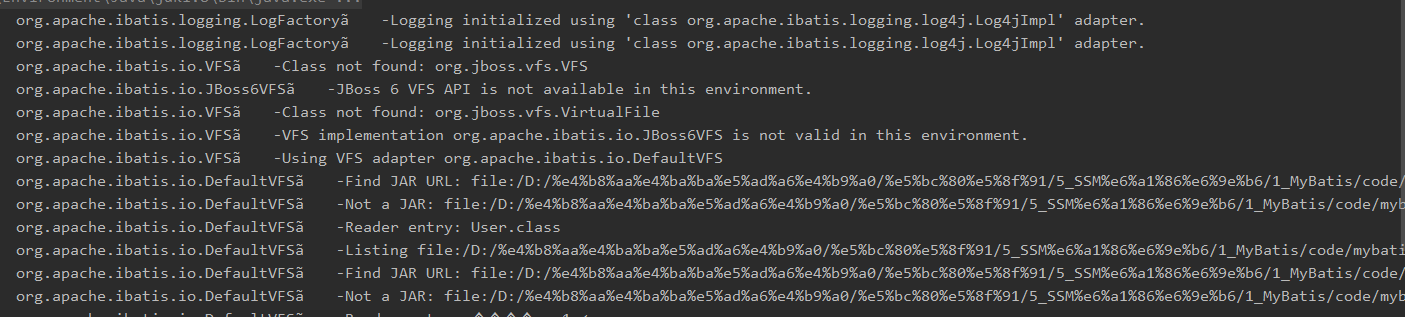
mybatis-config.xml核心配置文件中配置log4j为日志实现<settings> <setting name="logImpl" value="LOG4J"/> </settings> -
Log4j的测试

-
Log4j的简单使用
-
在要使用Log4j的类中,导入包
import org.apache.log4j.Logger; -
日志对象,参数为当前类的class
static Logger logger = Logger.getLogger(UserMapperTest.class); -
日志级别
logger.info("info");
logger.debug("debug");
logger.error("error");
-
7、分页
7.1、使用Limit分页
语法:select * from tablename limit startIndex, pageSize
select * from user limit 3; #[0, n]
使用MyBatis实现分页,核心SQL
-
接口
List<User> getUsersByLimit(Map<String, Integer> map); -
Mapper.xml
<select id="getUsersByLimit" parameterType="map" resultMap="UserMap"> select * from user limit #{startIndex}, #{pageSize} </select> -
测试
@Test
public void test() {
    SqlSession sqlSession = MyBatisUtils.getSqlSession();
    try {
        UserMapper userMapper = sqlSession.getMapper(UserMapper.class);
        Map<String, Integer> map = new HashMap<String, Integer>();
        map.put("startIndex", 0);
        map.put("pageSize", 5);
        List<User> users = userMapper.getUsersByLimit(map);
        for (User user : users) {
            System.out.println(user);
        }
    } finally {
        sqlSession.close();
    }
}
7.2、RowBounds分页
不再使用SQL实现分页
-
接口
List<User> getUsersByRowBounds(); -
mapper.xml
<select id="getUsersByRowBounds" resultMap="UserMap"> select * from user </select> -
测试
@Test
public void test() {
    SqlSession sqlSession = MyBatisUtils.getSqlSession();
    try {
        RowBounds rowBounds = new RowBounds(1, 2);
        List<User> users = sqlSession.selectList("com.yunlbd.dao.UserMapper.getUsersByRowBounds", null, rowBounds);
        for (User user : users) {
            System.out.println(user);
        }
    } finally {
        sqlSession.close();
    }
}
7.3、分页插件
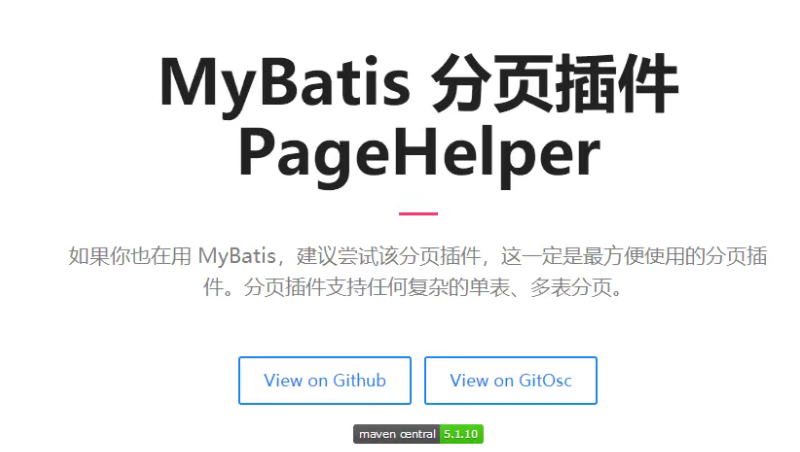
了解即可,万一以后公司的架构师说要使用,你需要知道它是什么东西。
8、使用注解开发
8.1、面向接口编程
- 大家之前都学过面向对象编程,也学习过接口,但在真正的开发中,很多时候我们会选择面向接口编程。
- 根本原因 : 解耦 , 可拓展 , 提高复用 , 分层开发中 , 上层不用管具体的实现 , 大家都遵守共同的标准 , 使得开发变得容易 , 规范性更好。
- 在一个面向对象的系统中,系统的各种功能是由许许多多的不同对象协作完成的。在这种情况下,各个对象内部是如何实现自己的,对系统设计人员来讲就不那么重要了。
- 而各个对象之间的协作关系则成为系统设计的关键。小到不同类之间的通信,大到各模块之间的交互,在系统设计之初都是要着重考虑的,这也是系统设计的主要工作内容。面向接口编程就是指按照这种思想来编程。
关于接口的理解
-
接口从更深层次的理解,应是定义(规范,约束)与实现(名实分离的原则)的分离。
-
接口的本身反映了系统设计人员对系统的抽象理解。
-
接口应有两类:
-
- 第一类是对一个个体的抽象,它可对应为一个抽象体(abstract class);
- 第二类是对一个个体某一方面的抽象,即形成一个抽象面(interface);
-
一个体有可能有多个抽象面。抽象体与抽象面是有区别的。
三个面向区别
- 面向对象是指,我们考虑问题时,以对象为单位,考虑它的属性及方法 。
- 面向过程是指,我们考虑问题时,以一个具体的流程(事务过程)为单位,考虑它的实现 。
- 接口设计与非接口设计是针对复用技术而言的,与面向对象(过程)不是一个问题。更多的体现就是对系统整体的架构。
8.2、使用注解开发
-
注解在接口上实现
@Select("select * from user") List<User> getUserList(); -
需要在核心配置文件中绑定接口
<mappers> <mapper class="com.yunlbd.dao.UserMapper"/> </mappers> -
测试
@Test
public void test() {
    SqlSession sqlSession = MyBatisUtils.getSqlSession();
    try {
        UserMapper mapper = sqlSession.getMapper(UserMapper.class);
        List<User> users = mapper.getUserList();
        for (User user : users) {
            System.out.println(user);
        }
    } finally {
        sqlSession.close();
    }
}
本质:反射机制实现
底层:动态代理
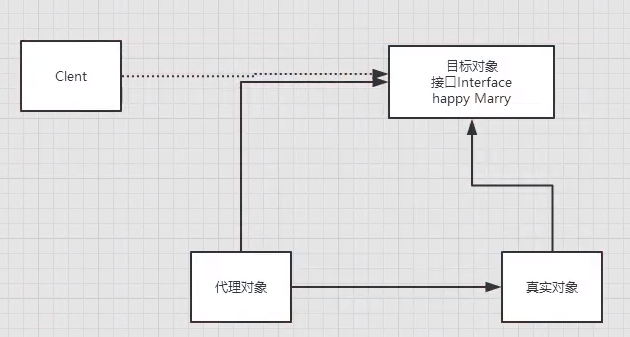
MyBatis详细的执行流程
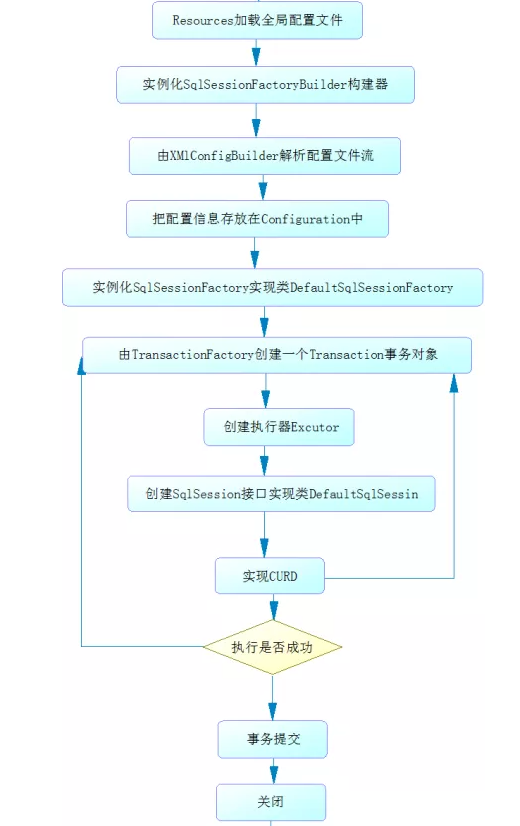
8.3、CRUD
我们可以在工具类创建的时候实现自动提交事务
public static SqlSession getSqlSession() {
    return sqlSessionFactory.openSession(true);
}
编写接口,增加注释:
package com.yunlbd.dao;

import com.yunlbd.pojo.User;
import org.apache.ibatis.annotations.*;

import java.util.List;

public interface UserMapper {

    @Select("select * from user")
    List<User> getUserList();

    // 方法存在多个参数,所有的参数前面必须加上@Param()的注解
    @Select("select * from user where id = #{id} and name = #{name}")
    User getUserByID(@Param("id") int id, @Param("name") String name);

    @Insert("insert into user(id, name, pwd) values(#{id}, #{name}, #{password})")
    int addUser(User user);

    @Update("update user set name = #{name}, pwd = #{password} where id = #{id}")
    int updateUser(User user);

    @Delete("delete from user where id = #{id}")
    int deleteUser(@Param("id") int id);
}
测试类:
package com.yunlbd.dao;

import com.yunlbd.pojo.User;
import com.yunlbd.utils.MyBatisUtils;
import org.apache.ibatis.session.SqlSession;
import org.junit.Test;

import java.util.List;

public class UserMapperTest {

    @Test
    public void test() {
        SqlSession sqlSession = MyBatisUtils.getSqlSession();
        try {
            UserMapper mapper = sqlSession.getMapper(UserMapper.class);
            List<User> users = mapper.getUserList();
            for (User user : users) {
                System.out.println(user);
            }
        } finally {
            sqlSession.close();
        }
    }

    @Test
    public void test2() {
        SqlSession sqlSession = MyBatisUtils.getSqlSession();
        try {
            UserMapper mapper = sqlSession.getMapper(UserMapper.class);
            User user = mapper.getUserByID(1, "张三");
            System.out.println(user);
        } finally {
            sqlSession.close();
        }
    }

    @Test
    public void test3() {
        SqlSession sqlSession = MyBatisUtils.getSqlSession();
        try {
            UserMapper mapper = sqlSession.getMapper(UserMapper.class);
            int i = mapper.addUser(new User(5, "hello", "123233"));
            if (i > 0) {
                System.out.println("插入成功");
            }
            sqlSession.commit();
        } finally {
            sqlSession.close();
        }
    }

    @Test
    public void test4() {
        SqlSession sqlSession = MyBatisUtils.getSqlSession();
        try {
            UserMapper mapper = sqlSession.getMapper(UserMapper.class);
            int i = mapper.updateUser(new User(5, "hello2", "1232332"));
            if (i > 0) {
                System.out.println("更新成功");
            }
            sqlSession.commit();
        } finally {
            sqlSession.close();
        }
    }

    @Test
    public void test5() {
        SqlSession sqlSession = MyBatisUtils.getSqlSession();
        try {
            UserMapper mapper = sqlSession.getMapper(UserMapper.class);
            int i = mapper.deleteUser(5);
            if (i > 0) {
                System.out.println("删除成功");
            }
            sqlSession.commit();
        } finally {
            sqlSession.close();
        }
    }
}
【注意:我们必须要将接口注册绑定到我们的核心配置文件中!】
关于@Param()注解:
- 基本类型的参数或者String类型,需要加上
- 引用类型不需要加
- 如果只有一个基本类型的话,可以忽略,但是建议大家都加上
- 我们在SQL中引用的就是我们这里的
@Param("")中设定的属性名
9、Lombok
偷懒神器
-
Lombok是一款Java开发插件, 使得Java开发者可以通过其定义的一些注解来消除业务工程中冗长和繁琐的代码,尤其对于简单的Java模型对象(POJO) 。在开发环境中使用Lombok插件后,Java开发 人员可以节省出重复构建,诸如hashCode和equals这样的方法以及各
种业务对象模型的accessor和ToString等方法的大量时间。对于这些方法,它能够在编译源代码期间自动帮我们生成这些方法,并没有如反射那样降低程序的性能。 -
使用步骤:
-
在IDEA中安装Lombok插件
-
在项目中导入Lombok的jar包
<dependency> <groupId>org.projectlombok</groupId> <artifactId>lombok</artifactId> <version>1.18.20</version> </dependency> -
在实体类上加注解
@Getter and @Setter
@FieldNameConstants
@ToString
@EqualsAndHashCode
@AllArgsConstructor, @RequiredArgsConstructor and @NoArgsConstructor
@Log, @Log4j, @Log4j2, @Slf4j, @XSlf4j, @CommonsLog, @JBossLog, @Flogger, @CustomLog
@Data
@Builder
@SuperBuilder
@Singular
@Delegate
@Value
@Accessors
@Wither
@With
@SneakyThrows
@val
@var
experimental @var
@UtilityClass
重点:
@Data //自动生成无参构造、get、set、toString、hashCode、equals
@AllArgsConstructor  //自动生成有参构造
@NoArgsConstructor   //自动生成无参构造
-
-
示例:
package com.yunlbd.pojo;

import lombok.AllArgsConstructor;
import lombok.Data;
import lombok.NoArgsConstructor;

@Data
@AllArgsConstructor
@NoArgsConstructor
public class User {
    private int id;
    private String name;
    private String password;
}
10、多对一处理
多对一的理解:
- 多个学生对应一个老师
- 如果对于学生这边,就是一个多对一的现象,即从学生这边关联一个老师!
10.1、数据库设计
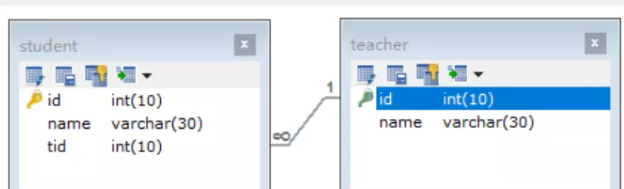
CREATE TABLE `teacher` (
    `id` INT(10) NOT NULL,
    `name` VARCHAR(30) DEFAULT NULL,
    PRIMARY KEY (`id`)
) ENGINE=INNODB DEFAULT CHARSET=utf8

INSERT INTO teacher(`id`, `name`) VALUES (1, '秦老师');

CREATE TABLE `student` (
    `id` INT(10) NOT NULL,
    `name` VARCHAR(30) DEFAULT NULL,
    `tid` INT(10) DEFAULT NULL,
    PRIMARY KEY (`id`),
    KEY `fktid` (`tid`),
    CONSTRAINT `fktid` FOREIGN KEY (`tid`) REFERENCES `teacher` (`id`)
) ENGINE=INNODB DEFAULT CHARSET=utf8


INSERT INTO `student` (`id`, `name`, `tid`) VALUES ('1', '小明', '1');
INSERT INTO `student` (`id`, `name`, `tid`) VALUES ('2', '小红', '1');
INSERT INTO `student` (`id`, `name`, `tid`) VALUES ('3', '小张', '1');
INSERT INTO `student` (`id`, `name`, `tid`) VALUES ('4', '小李', '1');
INSERT INTO `student` (`id`, `name`, `tid`) VALUES ('5', '小王', '1');
10.2、搭建测试环境
-
IDEA安装Lombok插件
-
引入Maven依赖
<dependency> <groupId>org.projectlombok</groupId> <artifactId>lombok</artifactId> <version>1.18.20</version> </dependency> -
在代码中增加注解
@Data //GET,SET,ToString,有参,无参构造
public class Teacher {
   private int id;
   private String name;
}
@Data public class Student { private int id; private String name; //多个学生可以是同一个老师,即多对一 private Teacher teacher; } -
编写实体类对应的Mapper接口
无论有没有需求,都应该写上,以备后来之需!
public interface StudentMapper {
}
public interface TeacherMapper { } -
编写Mapper接口对应的 mapper.xml配置文件
无论有没有需求,都应该写上,以备后来之需!
<?xml version="1.0" encoding="UTF-8" ?>
<!DOCTYPE mapper
       PUBLIC "-//mybatis.org//DTD Mapper 3.0//EN"
       "http://mybatis.org/dtd/mybatis-3-mapper.dtd">
<mapper namespace="com.kuang.mapper.StudentMapper">

</mapper>
<?xml version="1.0" encoding="UTF-8" ?> <!DOCTYPE mapper PUBLIC "-//mybatis.org//DTD Mapper 3.0//EN" "http://mybatis.org/dtd/mybatis-3-mapper.dtd"> <mapper namespace="com.kuang.mapper.TeacherMapper"> </mapper>
10.3、按查询嵌套处理
<?xml version="1.0" encoding="UTF-8" ?>
<!DOCTYPE mapper
       PUBLIC "-//mybatis.org//DTD Mapper 3.0//EN"
       "http://mybatis.org/dtd/mybatis-3-mapper.dtd">
<mapper namespace="com.kuang.mapper.StudentMapper">
    <select id="getStudents" resultMap="StudentTeacher">
        select * from student
    </select>
    <resultMap id="StudentTeacher" type="Student">
        <!--association关联属性 property属性名 javaType属性类型 column在多的一方的表中的列名-->
        <association property="teacher" column="tid" javaType="Teacher" select="getTeacher"/>
    </resultMap>
    <!--
   这里传递过来的id,只有一个属性的时候,下面可以写任何值
   association中column多参数配置:
       column="{key=value,key=value}"
       其实就是键值对的形式,key是传给下个sql的取值名称,value是片段一中sql查询的字段名。
   -->
    <select id="getTeacher" resultType="teacher">
        select * from teacher where id = #{id}
    </select>
</mapper>
10.4、按结果嵌套处理
<?xml version="1.0" encoding="UTF-8" ?>
<!DOCTYPE mapper
       PUBLIC "-//mybatis.org//DTD Mapper 3.0//EN"
       "http://mybatis.org/dtd/mybatis-3-mapper.dtd">
<mapper namespace="com.kuang.mapper.StudentMapper">
    <select id="getStudentList" resultMap="StudentTeacher">
        select s.id as sid, s.name as sname, t.id as tid, t.name as tname
        from student s, teacher t where s.tid = t.id order by s.id
    </select>

    <resultMap id="StudentTeacher" type="com.yunlbd.pojo.Student">
        <result property="id" column="sid"/>
        <result property="name" column="sname"/>
        <association property="teacher" javaType="com.yunlbd.pojo.Teacher">
            <result property="id" column="tid"/>
            <result property="name" column="tname"/>
        </association>
    </resultMap>
</mapper>
10.5、小结
- 按照查询进行嵌套处理就像SQL中的子查询
- 按照结果进行嵌套处理就像SQL中的联表查询
11、一对多处理
一对多的理解:
- 一个老师拥有多个学生
- 如果对于老师这边,就是一个一对多的现象,即从一个老师下面拥有一群学生(集合)!
11.1、实体类编写
@Data
public class Student {
   private int id;
   private String name;
   private int tid;
}
@Data
public class Student {
   private int id;
   private String name;
   private int tid;
}
和之前一样,搭建测试环境
11.2、按结果嵌套处理
-
TeacherMapper接口编写方法
//获取指定老师,及老师下的所有学生 public Teacher getTeacher(int id); -
编写接口对应的Mapper配置文件
<mapper namespace="com.kuang.mapper.TeacherMapper"> <!-- 思路: 1. 从学生表和老师表中查出学生id,学生姓名,老师姓名 2. 对查询出来的操作做结果集映射 1. 集合的话,使用collection! JavaType和ofType都是用来指定对象类型的 JavaType是用来指定pojo中属性的类型 ofType指定的是映射到list集合属性中pojo的类型。 --> <select id="getTeacher" resultMap="TeacherStudent"> select s.id sid, s.name sname , t.name tname, t.id tid from student s,teacher t where s.tid = t.id and t.id=#{id} </select> <resultMap id="TeacherStudent" type="Teacher"> <result property="name" column="tname"/> <collection property="students" ofType="Student"> <result property="id" column="sid" /> <result property="name" column="sname" /> <result property="tid" column="tid" /> </collection> </resultMap> </mapper> -
将Mapper文件注册到MyBatis-config文件中
<mappers> <mapper resource="mapper/TeacherMapper.xml"/> </mappers> -
测试
@Test
public void testGetTeacher(){
   SqlSession session = MybatisUtils.getSession();
   TeacherMapper mapper = session.getMapper(TeacherMapper.class);
   Teacher teacher = mapper.getTeacher(1);
   System.out.println(teacher.getName());
   System.out.println(teacher.getStudents());
}
11.3、按查询嵌套处理
<select id="getTeacher2" resultMap="TeacherStudent2">
select * from teacher where id = #{id}
</select>
<resultMap id="TeacherStudent2" type="Teacher">
   <!--column是一对多的外键 , 写的是一的主键的列名-->
   <collection property="students" javaType="ArrayList" ofType="Student" column="id" select="getStudentByTeacherId"/>
</resultMap>
<select id="getStudentByTeacherId" resultType="Student">
  select * from student where tid = #{id}
</select>
11.4、小结
- 关联-association
- 集合-collection
- association是用于一对一和多对一,而collection是用于一对多的关系
- JavaType和ofType都是用来指定对象类型的
- JavaType是用来指定pojo中属性的类型
- ofType指定的是映射到list集合属性中pojo的类型
注意:
- 保证SQL的可读性,尽量通俗易懂
- 根据实际要求,尽量编写性能更高的SQL语句
- 注意属性名和字段不一致的问题
- 注意一对多和多对一 中:字段和属性对应的问题
- 尽量使用Log4j,通过日志来查看自己的错误
12、动态SQL
12.1、简介
什么是动态SQL:动态SQL指的是根据不同的查询条件 , 生成不同的Sql语句。
官网描述:
MyBatis 的强大特性之一便是它的动态 SQL。如果你有使用 JDBC 或其它类似框架的经验,你就能体会到根据不同条件拼接 SQL 语句的痛苦。例如拼接时要确保不能忘记添加必要的空格,还要注意去掉列表最后一个列名的逗号。利用动态 SQL 这一特性可以彻底摆脱这种痛苦。
虽然在以前使用动态 SQL 并非一件易事,但正是 MyBatis 提供了可以被用在任意 SQL 映射语句中的强大的动态 SQL 语言得以改进这种情形。
动态 SQL 元素和 JSTL 或基于类似 XML 的文本处理器相似。在 MyBatis 之前的版本中,有很多元素需要花时间了解。MyBatis 3 大大精简了元素种类,现在只需学习原来一半的元素便可。MyBatis 采用功能强大的基于 OGNL 的表达式来淘汰其它大部分元素。

  -------------------------------
  - if
  - choose (when, otherwise)
  - trim (where, set)
  - foreach
  -------------------------------
我们之前写的 SQL 语句都比较简单,如果有比较复杂的业务,我们需要写复杂的 SQL 语句,往往需要拼接,而拼接 SQL ,稍微不注意,由于引号,空格等缺失可能都会导致错误。
那么怎么去解决这个问题呢?这就要使用 mybatis 动态SQL,通过 if, choose, when, otherwise, trim, where, set, foreach等标签,可组合成非常灵活的SQL语句,从而在提高 SQL 语句的准确性的同时,也大大提高了开发人员的效率。
12.2、搭建环境
新建一个数据库表:blog
字段:id,title,author,create_time,views
CREATE TABLE `blog` (
    `id` varchar(50) NOT NULL COMMENT '博客id',
    `title` varchar(100) NOT NULL COMMENT '博客标题',
    `author` varchar(30) NOT NULL COMMENT '博客作者',
    `create_time` datetime NOT NULL COMMENT '创建时间',
    `views` int(30) NOT NULL COMMENT '浏览量'
) ENGINE=InnoDB DEFAULT CHARSET=utf8
1、创建Mybatis基础工程
2、IDutil工具类
public class IDUtil {
    public static String genId(){
        return UUID.randomUUID().toString().replaceAll("-","");
    }
}
3、实体类编写
import java.util.Date;

public class Blog {
    private String id;
    private String title;
    private String author;
    private Date createTime;
    private int views;
}
4、编写Mapper接口及xml文件
public interface BlogMapper {
}
<?xml version="1.0" encoding="UTF-8" ?>
<!DOCTYPE mapper
       PUBLIC "-//mybatis.org//DTD Mapper 3.0//EN"
       "http://mybatis.org/dtd/mybatis-3-mapper.dtd">
<mapper namespace="com.yunlbd.mapper.BlogMapper">

</mapper>
5、mybatis核心配置文件,下划线驼峰自动转换
<settings>
    <setting name="mapUnderscoreToCamelCase" value="true"/>
    <setting name="logImpl" value="STDOUT_LOGGING"/>
</settings>
<!--注册Mapper.xml-->
<mappers>
    <mapper resource="mapper/BlogMapper.xml"/>
</mappers>
6、插入初始数据
编写接口:
//新增一个博客
int addBlog(Blog blog);
sql配置文件:
<insert id="addBlog" parameterType="blog">
    insert into blog (id, title, author, create_time, views)
    values (#{id},#{title},#{author},#{createTime},#{views});
</insert>
初始化博客方法
@Test
public void addInitBlog(){
    SqlSession session = MybatisUtils.getSession();
    BlogMapper mapper = session.getMapper(BlogMapper.class);

    Blog blog = new Blog();
    blog.setId(IDUtil.genId());
    blog.setTitle("Mybatis如此简单");
    blog.setAuthor("张三");
    blog.setCreateTime(new Date());
    blog.setViews(9999);
    mapper.addBlog(blog);
    blog.setId(IDUtil.genId());
    blog.setTitle("Java如此简单");
    mapper.addBlog(blog);
    blog.setId(IDUtil.genId());
    blog.setTitle("Spring如此简单");
    mapper.addBlog(blog);
    blog.setId(IDUtil.genId());
    blog.setTitle("微服务如此简单");
    mapper.addBlog(blog);
    session.close();
}
初始化数据完毕!
12.3、if 语句
需求:根据作者名字和博客名字来查询博客!如果作者名字为空,那么只根据博客名字查询,反之,则根据作者名来查询
1、编写接口类
//需求1
List<Blog> queryBlogIf(Map map);
2、编写SQL语句
<!--需求1:
    根据作者名字和博客名字来查询博客!
    如果作者名字为空,那么只根据博客名字查询,反之,则根据作者名来查询
    select * from blog where title = #{title} and author = #{author}
-->
<select id="queryBlogIf" parameterType="map" resultType="blog">
    select * from blog where
    <if test="title != null">
        title = #{title}
    </if>
    <if test="author != null">
        and author = #{author}
    </if>
</select>
3、测试
@Test
public void testQueryBlogIf(){
    SqlSession session = MybatisUtils.getSession();
    BlogMapper mapper = session.getMapper(BlogMapper.class);

    HashMap<String, String> map = new HashMap<String, String>();
    map.put("title","Mybatis如此简单");
    map.put("author","狂神说");
    List<Blog> blogs = mapper.queryBlogIf(map);

    System.out.println(blogs);

    session.close();
}
这样写我们可以看到,如果 author 等于 null,那么查询语句为 select * from user where title=#{title},但是如果title为空呢?那么查询语句为 select * from user where and author=#{author},这是错误的 SQL 语句,如何解决呢?请看下面的 where 语句!
12.4、Where
修改上面的SQL语句:
<select id="queryBlogIf" parameterType="map" resultType="blog">
    select * from blog
    <where>
        <if test="title != null">
            title = #{title}
        </if>
        <if test="author != null">
            and author = #{author}
        </if>
    </where>
</select>
这个“where”标签会知道如果它包含的标签中有返回值的话,它就插入一个‘where’。此外,如果标签返回的内容是以AND 或OR 开头的,则它会剔除掉。
12.5、Set
同理,上面的对于查询 SQL 语句包含 where 关键字,如果在进行更新操作的时候,含有 set 关键词,我们怎么处理呢?
1、编写接口方法
int updateBlog(Map map);
2、sql配置文件
<!--注意set是用的逗号隔开-->
<update id="updateBlog" parameterType="map">
    update blog
    <set>
        <if test="title != null">
            title = #{title},
        </if>
        <if test="author != null">
            author = #{author}
        </if>
    </set>
    where id = #{id};
</update>
3、测试
@Test
public void testUpdateBlog(){
    SqlSession session = MybatisUtils.getSession();
    BlogMapper mapper = session.getMapper(BlogMapper.class);
    HashMap<String, String> map = new HashMap<String, String>();
    map.put("title","动态SQL");
    map.put("author","张三");
    map.put("id","9d6a763f5e1347cebda43e2a32687a77");
    mapper.updateBlog(map);
    session.close();
}
12.6、choose语句
有时候,我们不想用到所有的查询条件,只想选择其中的一个,查询条件有一个满足即可,使用 choose 标签可以解决此类问题,类似于 Java 的 switch 语句
1、编写接口方法
List<Blog> queryBlogChoose(Map map);
2、sql配置文件
<select id="queryBlogChoose" parameterType="map" resultType="blog">
    select * from blog
    <where>
        <choose>
            <when test="title != null">
                title = #{title}
            </when>
            <when test="author != null">
                and author = #{author}
            </when>
            <otherwise>
                and views = #{views}
            </otherwise>
        </choose>
    </where>
</select>
3、测试类
@Test
public void testQueryBlogChoose(){
    SqlSession session = MybatisUtils.getSession();
    BlogMapper mapper = session.getMapper(BlogMapper.class);
    HashMap<String, Object> map = new HashMap<String, Object>();
    map.put("title","Java如此简单");
    map.put("author","张三");
    map.put("views",9999);
    List<Blog> blogs = mapper.queryBlogChoose(map);
    System.out.println(blogs);
    session.close();
}
12.7、SQL片段
有时候可能某个 sql 语句我们用的特别多,为了增加代码的重用性,简化代码,我们需要将这些代码抽取出来,然后使用时直接调用。
提取SQL片段:
<sql id="if-title-author">
    <if test="title != null">
        title = #{title}
    </if>
    <if test="author != null">
        and author = #{author}
    </if>
</sql>
引用SQL片段:
<select id="queryBlogIf" parameterType="map" resultType="blog">
    select * from blog
    <where>
        <!-- 引用 sql 片段,如果refid 指定的不在本文件中,那么需要在前面加上 namespace -->
        <include refid="if-title-author"></include>
        <!-- 在这里还可以引用其他的 sql 片段 -->
    </where>
</select>
注意:
①、最好基于单表来定义 sql 片段,提高片段的可重用性
②、在 sql 片段中不要包括 where
12.8、Foreach
将数据库中前三个数据的id修改为1,2,3;
需求:我们需要查询 blog 表中 id 分别为1,2,3的博客信息
1、编写接口
List<Blog> queryBlogForeach(Map map);
2、编写SQL语句
<select id="queryBlogForeach" parameterType="map" resultType="blog">
    select * from blog
    <where>
        <!--
       collection:指定输入对象中的集合属性
       item:每次遍历生成的对象
       open:开始遍历时的拼接字符串
       close:结束时拼接的字符串
       separator:遍历对象之间需要拼接的字符串
       select * from blog where 1=1 and (id=1 or id=2 or id=3)
     -->
        <foreach collection="ids"  item="id" open="and (" close=")" separator="or">
            id=#{id}
        </foreach>
    </where>
</select>
3、测试
@Test
public void testQueryBlogForeach(){
    SqlSession session = MybatisUtils.getSession();
    BlogMapper mapper = session.getMapper(BlogMapper.class);
    HashMap map = new HashMap();
    List<Integer> ids = new ArrayList<Integer>();
    ids.add(1);
    ids.add(2);
    ids.add(3);
    map.put("ids",ids);
    List<Blog> blogs = mapper.queryBlogForeach(map);
    System.out.println(blogs);
    session.close();
}
小结:其实动态 sql 语句的编写往往就是一个拼接的问题,为了保证拼接准确,我们最好首先要写原生的 sql 语句出来,然后在通过 mybatis 动态sql 对照着改,防止出错。多在实践中使用才是熟练掌握它的技巧。
13、缓存
13.1、简介
1、什么是缓存 [ Cache ]?
- 存在内存中的临时数据。
- 将用户经常查询的数据放在缓存(内存)中,用户去查询数据就不用从磁盘上(关系型数据库数据文件)查询,从缓存中查询,从而提高查询效率,解决了高并发系统的性能问题。
2、为什么使用缓存?
- 减少和数据库的交互次数,减少系统开销,提高系统效率。
3、什么样的数据能使用缓存?
- 经常查询并且不经常改变的数据。
13.2、Mybatis缓存
-
MyBatis包含一个非常强大的查询缓存特性,它可以非常方便地定制和配置缓存。缓存可以极大的提升查询效率。
-
MyBatis系统中默认定义了两级缓存:一级缓存和二级缓存
- 默认情况下,只有一级缓存开启。(SqlSession级别的缓存,也称为本地缓存)
- 二级缓存需要手动开启和配置,他是基于namespace级别的缓存。
- 为了提高扩展性,MyBatis定义了缓存接口Cache。我们可以通过实现Cache接口来自定义二级缓存
13.2.1、一级缓存
一级缓存也叫本地缓存:
- 与数据库同一次会话期间查询到的数据会放在本地缓存中。
- 以后如果需要获取相同的数据,直接从缓存中拿,没必须再去查询数据库。
测试:
1、在mybatis中加入日志,方便测试结果
2、编写接口方法
//根据id查询用户
User queryUserById(@Param("id") int id);
3、接口对应的Mapper文件
<select id="queryUserById" resultType="user">
    select * from user where id = #{id}
</select>
4、测试
@Test
public void testQueryUserById(){
    SqlSession session = MybatisUtils.getSession();
    UserMapper mapper = session.getMapper(UserMapper.class);

    User user = mapper.queryUserById(1);
    System.out.println(user);
    User user2 = mapper.queryUserById(1);
    System.out.println(user2);
    System.out.println(user==user2);

    session.close();
}
5、结果分析
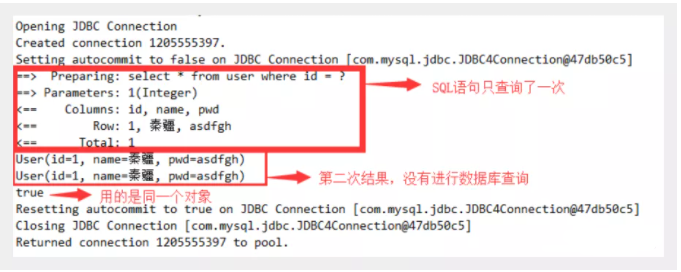
一级缓存失效的四种情况:
一级缓存是SqlSession级别的缓存,是一直开启的,我们关闭不了它。
一级缓存失效情况:没有使用到当前的一级缓存,效果就是,还需要再向数据库中发起一次查询请求!
-
sqlSession不同
@Test
public void testQueryUserById(){
    SqlSession session = MybatisUtils.getSession();
    SqlSession session2 = MybatisUtils.getSession();
    UserMapper mapper = session.getMapper(UserMapper.class);
    UserMapper mapper2 = session2.getMapper(UserMapper.class);

    User user = mapper.queryUserById(1);
    System.out.println(user);
    User user2 = mapper2.queryUserById(1);
    System.out.println(user2);
    System.out.println(user==user2);

    session.close();
    session2.close();
}
观察结果:发现发送了两条SQL语句!
结论:每个sqlSession中的缓存相互独立
-
sqlSession相同,查询条件不同
@Test
public void testQueryUserById(){
    SqlSession session = MybatisUtils.getSession();
    UserMapper mapper = session.getMapper(UserMapper.class);
    UserMapper mapper2 = session.getMapper(UserMapper.class);

    User user = mapper.queryUserById(1);
    System.out.println(user);
    User user2 = mapper2.queryUserById(2);
    System.out.println(user2);
    System.out.println(user==user2);

    session.close();
}
观察结果:发现发送了两条SQL语句!很正常的理解
结论:当前缓存中,不存在这个数据
-
sqlSession相同,两次查询之间执行了增删改操作!
增加方法
//修改用户
int updateUser(Map map);
编写SQL
<update id="updateUser" parameterType="map">
    update user set name = #{name} where id = #{id}
</update>
测试
@Test
public void testQueryUserById(){
    SqlSession session = MybatisUtils.getSession();
    UserMapper mapper = session.getMapper(UserMapper.class);

    User user = mapper.queryUserById(1);
    System.out.println(user);

    HashMap map = new HashMap();
    map.put("name","kuangshen");
    map.put("id",4);
    mapper.updateUser(map);

    User user2 = mapper.queryUserById(1);
    System.out.println(user2);

    System.out.println(user==user2);

    session.close();
}
观察结果:查询在中间执行了增删改操作后,重新执行了
结论:因为增删改操作可能会对当前数据产生影响
-
sqlSession相同,手动清除一级缓存
@Test
public void testQueryUserById(){
    SqlSession session = MybatisUtils.getSession();
    UserMapper mapper = session.getMapper(UserMapper.class);

    User user = mapper.queryUserById(1);
    System.out.println(user);

    session.clearCache();//手动清除缓存

    User user2 = mapper.queryUserById(1);
    System.out.println(user2);

    System.out.println(user==user2);

    session.close();
}
一级缓存就是一个map
13.2.2、二级缓存
-
二级缓存也叫全局缓存,一级缓存作用域太低了,所以诞生了二级缓存
-
基于namespace级别的缓存,一个名称空间,对应一个二级缓存
-
工作机制
- 一个会话查询一条数据,这个数据就会被放在当前会话的一级缓存中;
- 如果当前会话关闭了,这个会话对应的一级缓存就没了;但是我们想要的是,会话关闭了,一级缓存中的数据被保存到二级缓存中;
- 新的会话查询信息,就可以从二级缓存中获取内容;
- 不同的mapper查出的数据会放在自己对应的缓存(map)中;
使用步骤:
1、开启全局缓存 【mybatis-config.xml】
<setting name="cacheEnabled" value="true"/>
2、去每个mapper.xml中配置使用二级缓存,这个配置非常简单;【xxxMapper.xml】
<cache/>
<!--或者-->
<cache
       eviction="FIFO"
       flushInterval="60000"
       size="512"
       readOnly="true"/>
这个更高级的配置创建了一个 FIFO 缓存,每隔 60 秒刷新,最多可以存储结果对象或列表的 512 个引用,而且返回的对象被认为是只读的,因此对它们进行修改可能会在不同线程中的调用者产生冲突。
3、代码测试
- 所有的实体类先实现序列化接口
- 测试代码
@Test
public void testQueryUserById(){
    SqlSession session = MybatisUtils.getSession();
    SqlSession session2 = MybatisUtils.getSession();

    UserMapper mapper = session.getMapper(UserMapper.class);
    UserMapper mapper2 = session2.getMapper(UserMapper.class);

    User user = mapper.queryUserById(1);
    System.out.println(user);
    session.close();

    User user2 = mapper2.queryUserById(1);
    System.out.println(user2);
    System.out.println(user==user2);

    session2.close();
}
结论:
- 只要开启了二级缓存,我们在同一个Mapper中的查询,可以在二级缓存中拿到数据
- 查出的数据都会被默认先放在一级缓存中
- 只有会话提交或者关闭以后,一级缓存中的数据才会转到二级缓存中
13.3、缓存原理图
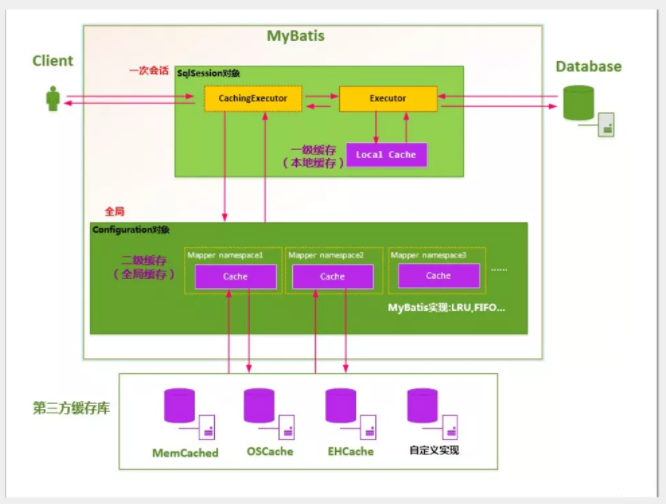
缓存读取顺序:
- 先看二级缓存中有没有
- 再看一级缓存中有没有
- 如果二级和一级缓存中都没有,则查询数据库
13.4、自定义缓存EhCache
第三方缓存实现--EhCache: 查看百度百科
Ehcache是一种广泛使用的java分布式缓存,用于通用缓存;
要在应用程序中使用Ehcache,需要引入依赖的jar包
<!-- https://mvnrepository.com/artifact/org.mybatis.caches/mybatis-ehcache -->
<dependency>
    <groupId>org.mybatis.caches</groupId>
    <artifactId>mybatis-ehcache</artifactId>
    <version>1.1.0</version>
</dependency>
在mapper.xml中使用对应的缓存即可
<mapper namespace = “org.acme.FooMapper” >
    <cache type = “org.mybatis.caches.ehcache.EhcacheCache” />
</mapper>
编写ehcache.xml文件,如果在加载时未找到/ehcache.xml资源或出现问题,则将使用默认配置。
<?xml version="1.0" encoding="UTF-8"?>
<ehcache xmlns:xsi="http://www.w3.org/2001/XMLSchema-instance"
         xsi:noNamespaceSchemaLocation="http://ehcache.org/ehcache.xsd"
         updateCheck="false">
    <!--
      diskStore:为缓存路径,ehcache分为内存和磁盘两级,此属性定义磁盘的缓存位置。参数解释如下:
      user.home – 用户主目录
      user.dir – 用户当前工作目录
      java.io.tmpdir – 默认临时文件路径
    -->
    <diskStore path="./tmpdir/Tmp_EhCache"/>

    <defaultCache
                  eternal="false"
                  maxElementsInMemory="10000"
                  overflowToDisk="false"
                  diskPersistent="false"
                  timeToIdleSeconds="1800"
                  timeToLiveSeconds="259200"
                  memoryStoreEvictionPolicy="LRU"/>

    <cache
           name="cloud_user"
           eternal="false"
           maxElementsInMemory="5000"
           overflowToDisk="false"
           diskPersistent="false"
           timeToIdleSeconds="1800"
           timeToLiveSeconds="1800"
           memoryStoreEvictionPolicy="LRU"/>
    <!--
      defaultCache:默认缓存策略,当ehcache找不到定义的缓存时,则使用这个缓存策略。只能定义一个。
    -->
    <!--
     name:缓存名称。
     maxElementsInMemory:缓存最大数目
     maxElementsOnDisk:硬盘最大缓存个数。
     eternal:对象是否永久有效,一但设置了,timeout将不起作用。
     overflowToDisk:是否保存到磁盘,当系统当机时
     timeToIdleSeconds:设置对象在失效前的允许闲置时间(单位:秒)。仅当eternal=false对象不是永久有效时使用,可选属性,默认值是0,也就是可闲置时间无穷大。
     timeToLiveSeconds:设置对象在失效前允许存活时间(单位:秒)。最大时间介于创建时间和失效时间之间。仅当eternal=false对象不是永久有效时使用,默认是0.,也就是对象存活时间无穷大。
     diskPersistent:是否缓存虚拟机重启期数据 Whether the disk store persists between restarts of the Virtual Machine. The default value is false.
     diskSpoolBufferSizeMB:这个参数设置DiskStore(磁盘缓存)的缓存区大小。默认是30MB。每个Cache都应该有自己的一个缓冲区。
     diskExpiryThreadIntervalSeconds:磁盘失效线程运行时间间隔,默认是120秒。
     memoryStoreEvictionPolicy:当达到maxElementsInMemory限制时,Ehcache将会根据指定的策略去清理内存。默认策略是LRU(最近最少使用)。你可以设置为FIFO(先进先出)或是LFU(较少使用)。
     clearOnFlush:内存数量最大时是否清除。
     memoryStoreEvictionPolicy:可选策略有:LRU(最近最少使用,默认策略)、FIFO(先进先出)、LFU(最少访问次数)。
     FIFO,first in first out,这个是大家最熟的,先进先出。
     LFU, Less Frequently Used,就是上面例子中使用的策略,直白一点就是讲一直以来最少被使用的。如上面所讲,缓存的元素有一个hit属性,hit值最小的将会被清出缓存。
     LRU,Least Recently Used,最近最少使用的,缓存的元素有一个时间戳,当缓存容量满了,而又需要腾出地方来缓存新的元素的时候,那么现有缓存元素中时间戳离当前时间最远的元素将被清出缓存。
  -->
</ehcache>

 浙公网安备 33010602011771号