
大数据--Java面向对象
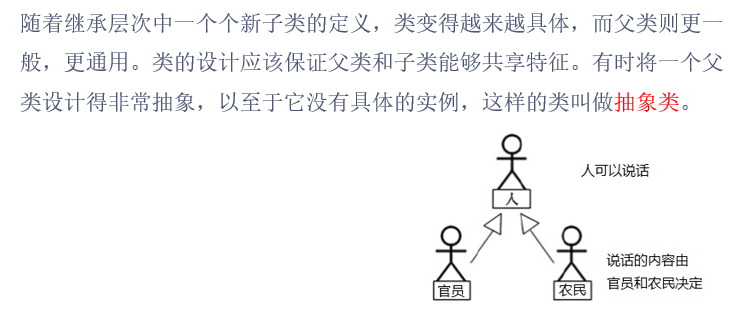
abstract关键字的使用
 1 /**
 2  * 举例1:
 3  * abstract class Account{
 4  *     double balance;
 5  *
 6  *     //存钱、取钱的方法
 7  * }
 8  *
 9  * class SavingAccount extends Account{
10  *
11  * }
12  * class CheckAccount extends Account{
13  *
14  * }
15  *
16  * class Customer{
17  *     Account acct;
18  *     public void setAccount(Account acct){ //Account acct = new SavingAccount();
19  *         this.acct = acct;
20  *     }
21  *
22  * }
23  *
24  * 1. abstract:抽象的
25  * 2. 可以用来修饰:类、方法
26  *
27  * 3. abstract 来修饰类:抽象类
28  *      > 此类就不可以实例化(不能创建对象)  ---> 凡是类,内部都有构造器。
29  *              -->此时抽象类提供构造器的意义:为了子类对象实例化进行对抽象父类中构造器的调用
30  *      > 在开发中,针对于抽象类,我们一定会提供其子类。在实现过程中,创建子类的对象。
31  *
32  * 4. abstract 来修饰方法:抽象方法
33  *      > 特点:抽象方法,没有方法体结构。
34  *      > 抽象类中可以没有抽象方法;但是,抽象方法所在的类,一定是抽象类。
35  *      > 如果抽象类的子类重写了父类中的所有的抽象方法,则此子类可以实例化。
36  *        如果抽象类的子类没有重写父类中所有的抽象方法,则此子类也必须声明为abstract的。
37  *
38  *
39  *
40  * @author shkstart
41  * @create 2020-07-10 9:03
42  */
代码举例
 1 public class AbstractTest {
 2
 3     public static void main(String[] args) {
 4 //        Person p1 = new Person();
 5 //        p1.eat();
 6
 7         Student s1 = new Student();
 8         s1.eat();
 9
10 //        Worker w1 = new Worker();
11 //        w1.eat();
12
13         //提供抽象类的匿名子类的对象
14         Person p2 = new Person(){
15
16             @Override
17             public void eat() {
18                 System.out.println("人:吃饭");
19             }
20
21             @Override
22             public void walk() {
23                 System.out.println("人:走路");
24             }
25
26             @Override
27             public void breath() {
28                 System.out.println("人:呼吸");
29             }
30         };
31         p2.eat();
32
33         //创建了BB的匿名子类的对象
34         BB b = new BB(){
35
36         };
37     }
38 }
39
40 abstract class BB{
41
42 }
43
44 abstract class Creature{
45
46     public abstract void breath();
47 }
48
49 abstract class Person extends Creature{
50     String name;
51     int age;
52
53     public Person(){
54
55     }
56
57     public Person(String name,int age){
58         this.name = name;
59         this.age = age;
60     }
61     //抽象方法
62     public abstract void eat();
63
64     //抽象方法
65     public abstract void walk();
66 }
67
68 class Student extends Person{
69     String major;
70
71     public Student(){}
72     public Student(String name ,int age ,String major){
73         super(name, age);
74         this.major = major;
75     }
76
77     public void eat(){
78         System.out.println("学生:多吃有营养的食物");
79     }
80     public void walk(){
81         System.out.println("学生:背着书包上学");
82     }
83
84     @Override
85     public void breath() {
86         System.out.println("学生应该呼吸新鲜的空气");
87     }
88 }
89
90 abstract class Worker extends Person{
91     String skill;
92
93 //    public void eat(){
94 //        System.out.println("工人:在工厂吃盒饭");
95 //    }
96 //    public void walk(){
97 //        System.out.println("工人:在车间行走");
98 //    }
99 }
举例
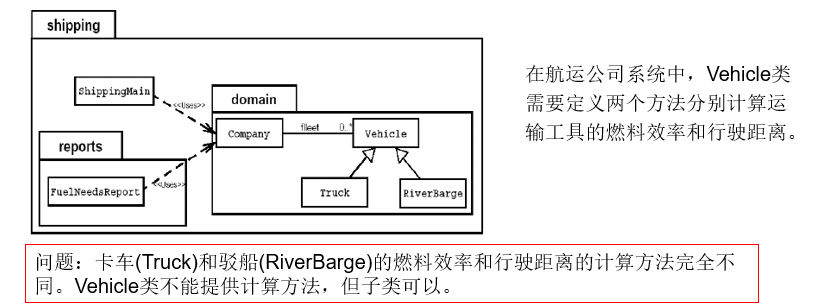
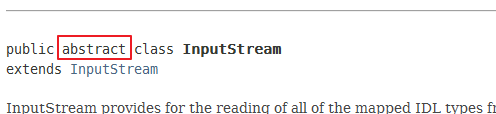
abstract的补充说明
 1 /**
 2  *  不能用abstract修饰变量、代码块、构造器;
 3  *
 4  *  不能用abstract修饰私有方法、静态方法、final的方法、final的类。
 5  *
 6  * @author shkstart
 7  * @create 2020-07-10 10:11
 8  */
 9 public abstract class AbstractTest1 {
10
11 //    private abstract void method();
12 //
13 //    public static abstract void method1();
14
15 }
16
17 class A extends AbstractTest1{
18
19 }
练习1
 1 public abstract class GeometricObject {
 2     protected  String color;//颜色
 3     protected  double weight;//权重
 4
 5     public GeometricObject(String color, double weight) {
 6         this.color = color;
 7         this.weight = weight;
 8     }
 9
10     public String getColor() {
11         return color;
12     }
13
14     public void setColor(String color) {
15         this.color = color;
16     }
17
18     public double getWeight() {
19         return weight;
20     }
21
22     public void setWeight(double weight) {
23         this.weight = weight;
24     }
25
26     //返回几何图形的面积
27     public abstract double findArea();
28 }
练习2
  1 package com.atguigu.exer1;
  2
  3 /**
  4  * @author shkstart
  5  * @create 2020-07-10 14:28
  6  */
  7 public abstract class Employee {//员工类
  8     private String name;//姓名
  9     private int id;//编号
 10     private double salary;//薪水
 11
 12     public Employee(String name, int id, double salary) {//构造方法
 13         this.name = name;
 14         this.id = id;
 15         this.salary = salary;
 16     }
 17
 18     public abstract void work();//工作方法
 19
 20     public String getName() {
 21         return name;
 22     }
 23
 24     public void setName(String name) {
 25         this.name = name;
 26     }
 27
 28     public int getId() {
 29         return id;
 30     }
 31
 32     public void setId(int id) {
 33         this.id = id;
 34     }
 35
 36     public double getSalary() {
 37         return salary;
 38     }
 39
 40     public void setSalary(double salary) {
 41         this.salary = salary;
 42     }
 43
 44     @Override
 45     public String toString() {
 46         return
 47                 "name='" + name + '\'' +
 48                         ", id=" + id +
 49                         ", salary=" + salary;
 50     }
 51 }
 52
 53
 54 package com.atguigu.exer1;
 55
 56 /**
 57  * @author shkstart
 58  * @create 2020-07-10 14:35
 59  */
 60 public class CommonEmployee extends Employee{//普通员工类
 61
 62     public CommonEmployee(String name, int id, double salary) {//构造方法
 63         super(name, id, salary);//调用父类的构造方法
 64     }
 65
 66     @Override
 67     public void work() {//工作方法
 68         System.out.println("在工地搬砖");
 69     }
 70
 71     @Override
 72     public String toString() {
 73         return "CommonEmployee{ " + super.toString() +"}";
 74     }
 75 }
 76
 77 package com.atguigu.exer1;
 78
 79 /**
 80  * @author shkstart
 81  * @create 2020-07-10 14:32
 82  */
 83 public class Manager extends Employee {
 84
 85     private double bonus;//薪水
 86     public Manager(String name, int id, double salary) {//构造方法
 87         super(name, id, salary);//调用父类的构造方法
 88     }
 89
 90     @Override
 91     public void work() {//工作方法
 92         System.out.println("在办公室工作");
 93     }
 94
 95     public double getBonus() {
 96         return bonus;
 97     }
 98
 99     public void setBonus(double bonus) {
100         this.bonus = bonus;
101     }
102
103     @Override
104     public String toString() {
105         return "Manager{" +
106                 super.toString() +
107                 ",bonus=" + bonus +
108                 "} ";
109     }
110 }
111
112 package com.atguigu.exer1;
113
114 /**
115  * @author shkstart
116  * @create 2020-07-10 14:35
117  */
118 public class EmployeeTest {
119
120     public static void main(String[] args) {
121         Manager manager = new Manager("马大爷", 1001, 5000);
122         manager.setBonus(10000);
123         System.out.println(manager);
124         manager.work();
125
126
127         CommonEmployee commonEmployee = new CommonEmployee("杨鹏展", 1002, 500);
128         System.out.println(commonEmployee);
129         commonEmployee.work();
130
131     }
132 }
练习3
 1 package com.atguigu.exer2;
 2
 3 /**
 4  * 编写工资系统,实现不同类型员工(多态)的按月发放工资。如果当月出现某个Employee对象的
 5  * 生日,则将该雇员的工资增加100元。
 6  *
 7  * 实验说明:
 8  * (1)定义一个Employee类,该类包含:
 9  * private成员变量name,number,birthday,其中birthday 为MyDate类的对象;
10  * abstract方法earnings();
11  * toString()方法输出对象的name,number和birthday。
12  *
13  * @author shkstart
14  * @create 2020-07-10 14:41
15  */
16 public abstract class Employee {
17     private String name;
18     private int number;
19     private MyDate birthday;
20
21     public Employee(String name, int number, MyDate birthday) {
22         this.name = name;
23         this.number = number;
24         this.birthday = birthday;
25     }
26
27     public Employee() {
28     }
29
30     public String getName() {
31         return name;
32     }
33
34     public void setName(String name) {
35         this.name = name;
36     }
37
38     public int getNumber() {
39         return number;
40     }
41
42     public void setNumber(int number) {
43         this.number = number;
44     }
45
46     public MyDate getBirthday() {
47         return birthday;
48     }
49
50     public void setBirthday(MyDate birthday) {
51         this.birthday = birthday;
52     }
53
54     //abstract方法earnings();
55     public abstract double earnings();
56
57     @Override
58     public String toString() {
59         return "name='" + name + '\'' +
60                 ", number=" + number +
61                 ", birthday=" + birthday.toDateString();
62     }
63 }
 1 package com.atguigu.exer2;
 2
 3 /**
 4  * (2)MyDate类包含:
 5  * private成员变量year,month,day ;
 6  * toDateString()方法返回日期对应的字符串:xxxx年xx月xx日
 7  *
 8  * @author shkstart
 9  * @create 2020-07-10 14:42
10  */
11 public class MyDate {
12     private int year;
13     private int month;
14     private int day;
15
16     public MyDate(int year, int month, int day) {
17         this.year = year;
18         this.month = month;
19         this.day = day;
20     }
21
22     public MyDate() {
23     }
24
25     public int getYear() {
26         return year;
27     }
28
29     public void setYear(int year) {
30         this.year = year;
31     }
32
33     public int getMonth() {
34         return month;
35     }
36
37     public void setMonth(int month) {
38         this.month = month;
39     }
40
41     public int getDay() {
42         return day;
43     }
44
45     public void setDay(int day) {
46         this.day = day;
47     }
48
49     public String toDateString(){
50         return year + "年" + month + "月" + day + "日";
51     }
52 }
 1 package com.atguigu.exer2;
 2
 3 /**
 4  * 定义SalariedEmployee类继承Employee类,实现按月计算工资的员工处理。
 5  * 该类包括:private成员变量monthlySalary;
 6  * 实现父类的抽象方法earnings(),该方法返回monthlySalary值;
 7  * toString()方法输出员工类型信息及员工的name,number,birthday。
 8  *
 9  *
10  * @author shkstart
11  * @create 2020-07-10 14:46
12  */
13 public class SalariedEmployee extends Employee {
14
15     private double monthlySalary;//月工资
16
17     public SalariedEmployee(double monthlySalary) {
18         this.monthlySalary = monthlySalary;
19     }
20
21     public SalariedEmployee(String name, int number, MyDate birthday, double monthlySalary) {
22         super(name, number, birthday);
23         this.monthlySalary = monthlySalary;
24     }
25
26     public SalariedEmployee(String name, int number, MyDate birthday) {
27         super(name, number, birthday);
28     }
29
30     public double getMonthlySalary() {
31         return monthlySalary;
32     }
33
34     public void setMonthlySalary(double monthlySalary) {
35         this.monthlySalary = monthlySalary;
36     }
37
38     @Override
39     public double earnings() {
40         return monthlySalary;
41     }
42
43     //toString()方法输出员工类型信息及员工的name,number,birthday
44     @Override
45     public String toString() {
46         return "SalariedEmployee{" + super.toString() + "}";
47     }
48 }
 1 package com.atguigu.exer2;
 2
 3 /**
 4  * (4)参照SalariedEmployee类定义HourlyEmployee类,实现按小时计算工资的员工处理。
 5  * 该类包括:
 6  * private成员变量wage和hour;
 7  * 实现父类的抽象方法earnings(),该方法返回wage*hour值;
 8  * toString()方法输出员工类型信息及员工的name,number,birthday。
 9  *
10  *
11  * @author shkstart
12  * @create 2020-07-10 14:50
13  */
14 public class HourlyEmployee extends Employee {
15
16     private int hour;//小时数
17     private int wage;//单位小时的工资
18
19
20     @Override
21     public double earnings() {
22         return hour * wage;
23     }
24
25     public HourlyEmployee() {
26     }
27
28     public HourlyEmployee(String name, int number, MyDate birthday) {
29         super(name, number, birthday);
30     }
31
32     public HourlyEmployee(String name, int number, MyDate birthday, int hour, int wage) {
33         super(name, number, birthday);
34         this.hour = hour;
35         this.wage = wage;
36     }
37
38     public int getHour() {
39         return hour;
40     }
41
42     public void setHour(int hour) {
43         this.hour = hour;
44     }
45
46     public int getWage() {
47         return wage;
48     }
49
50     public void setWage(int wage) {
51         this.wage = wage;
52     }
53
54     //toString()方法输出员工类型信息及员工的name,number,birthday。
55     @Override
56     public String toString() {
57         return "HourlyEmployee{" + super.toString() + "}";
58     }
59 }
 1 package com.atguigu.exer2;
 2
 3 import java.util.Scanner;
 4
 5 /**
 6  * 定义PayrollSystem类,创建Employee变量数组并初始化,该数组存放各类雇员对象的引用。
 7  * 利用循环结构遍历数组元素,输出各个对象的类型,name,number,birthday,以及该对象生日。
 8  * 当键盘输入本月月份值时,如果本月是某个Employee对象的生日,还要输出增加工资信息。
 9  *
10  * @author shkstart
11  * @create 2020-07-10 14:55
12  */
13 public class PayrollSystem {
14     public static void main(String[] args) {
15         Employee[] emps = new Employee[2];
16
17         emps[0] = new SalariedEmployee("杨超宇",1001,new MyDate(1994,4,02),20000);
18         emps[1] = new HourlyEmployee("闫宏浩",1002,new MyDate(1988,7,10),240,100);
19
20         Scanner scanner = new Scanner(System.in);
21         System.out.println("请输入当前的月份:");
22         int month = scanner.nextInt();
23
24         for (int i = 0; i < emps.length; i++) {
25             System.out.println(emps[i]);
26             double monthlyMoney = emps[i].earnings();
27             if(month == emps[i].getBirthday().getMonth()){
28                 monthlyMoney += 200;
29             }
30             System.out.println("月工资为:" + monthlyMoney);
31         }
32     }
33 }
 1 /**
 2  * interface关键字的使用
 3  * 1. 我们使用interface来声明一个接口。
 4  *     接口与类,是Java中并列关系的两个结构。
 5  *
 6  * 2. 接口,可以理解为特定功能的封装。通过类实现接口的方法,进而体现功能的扩充。同时,还不
 7  * 影响此类单继承父类的情况。
 8  *     而且,一个类可以实现多个接口。
 9  * 3. 格式:class SubClass extends SuperClass implements 接口1,接口2,...
10  *
11  * 4. 关于接口的使用:
12  *    JDK 7及之前:只能定义全局常量 和 抽象方法
13  *         > 全局常量使用:public static final 修饰。也可以省略不写
14  *         > 抽象方法使用:public abstract 修饰。也可以省略不写
15  *
16  *    JDK 8: 增加了对静态方法、默认方法的定义。
17  *    JDK 9: 增加了对私有方法的定义。
18  *
19  * 5. 实现类在实现了接口之后,必须要实现接口中的所有抽象方法,方可实例化。
20  *    否则,实现类如果没有实现接口中的所有抽象方法,则此实现类仍为抽象类。
21  *
22  *  6. 接口中不能定义构造器的。也就是说,接口不能实例化。
23  *
24  *  7. 类与接口之间是实现关系,而且是可以多实现的。
25  *     接口与接口之间是继承关系,而且是可以多继承的。
26  *
27  *
28  * 补充说明:
29  * 类继承类的关系:is - a
30  * 类实现接口的关系: like - a
31  * 类及其属性的关系: has - a
32  *
33  * @author shkstart
34  * @create 2020-07-10 10:30
35  */
代码演示
 1 public class InterfaceTest {
 2     public static void main(String[] args) {
 3         System.out.println(Flyable.MAX_SPEED);
 4 //        Flyable.MAX_SPEED = 8000;
 5     }
 6 }
 7
 8 interface Flyable{
 9     //全局常量
10     public static final int MIN_SPEED = 1;
11     int MAX_SPEED = 7900;
12     //抽象方法
13     public abstract void fly();
14
15     void stop();
16 }
17 interface AttackAble{
18
19     void attack();//攻击
20
21 }
22
23 abstract class Plane implements Flyable{
24
25     @Override
26     public void fly() {
27
28     }
29
30 //    @Override
31 //    public void stop() {
32 //
33 //    }
34 }
35
36 class Bullet implements Flyable,AttackAble{
37
38     @Override
39     public void fly() {
40
41     }
42
43     @Override
44     public void stop() {
45
46     }
47
48     @Override
49     public void attack() {
50
51     }
52 }
53
54
55
56
57 interface AA{
58
59 }
60
61 interface CC{
62
63
64 }
65 interface DD extends AA,CC{
66
67 }
体会接口作为标准、规范的存在
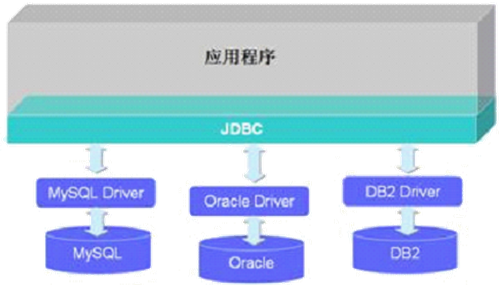
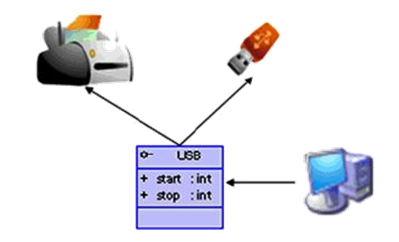
 1 /**
 2  * 1. 接口的本质是契约,标准,规范
 3  *
 4  * 2. 接口的使用:实现了多态性。
 5  *
 6  * 3. 匿名实现类的理解
 7  *
 8  * @author shkstart
 9  * @create 2020-07-10 11:24
10  */
11 public class USBTest {
12     public static void main(String[] args) {
13         Computer com = new Computer();
14         //1.创建了接口的实现类的对象printer
15         Printer printer = new Printer();
16         com.transferData(printer);
17
18         //2.创建了接口的实现类的匿名对象
19         com.transferData(new Flash());
20
21         //3. 创建接口的匿名实现类的对象
22         USB camera = new USB(){
23             @Override
24             public void start() {
25                 System.out.println("照相机开始工作");
26             }
27
28             @Override
29             public void stop() {
30                 System.out.println("照相机结束工作");
31             }
32         };
33
34         com.transferData(camera);
35
36         //4. 创建接口的匿名实现类的匿名对象
37         com.transferData(new USB(){
38             @Override
39             public void start() {
40                 System.out.println("mp3开始工作");
41             }
42
43             @Override
44             public void stop() {
45                 System.out.println("mp3结束工作");
46             }
47         });
48     }
49 }
50
51 class Computer{
52
53     public void transferData(USB usb){ //体现了多态性。
54
55         usb.start(); //虚方法调用
56
57         System.out.println("========具体的数据传输细节=======");
58
59         usb.stop();
60     }
61
62 }
63 interface USB{
64     void start();
65
66     void stop();
67 }
68
69 class Printer implements USB{ //打印机
70
71     @Override
72     public void start() {
73         System.out.println("打印机开始工作");
74     }
75
76     @Override
77     public void stop() {
78         System.out.println("打印机结束工作");
79     }
80 }
81
82 class Flash implements USB{//U盘
83
84     @Override
85     public void start() {
86         System.out.println("U盘开始工作");
87     }
88
89     @Override
90     public void stop() {
91         System.out.println("U盘结束工作");
92     }
93 }
java8中接口的新特性
 1 package com.atguigu.java2;
 2
 3 import java.net.SocketTimeoutException;
 4
 5 /**
 6  * @author shkstart
 7  * @create 2020-07-10 15:37
 8  */
 9 public interface CompareA {
10
11     public static void method1() {
12         System.out.println("CompareA:北京");
13     }
14
15     public default void method2() {
16         System.out.println("CompareA:上海");
17
18     }
19
20     default void method3() {
21         System.out.println("CompareA:广州");
22     }
23
24     public default void method4(){
25         System.out.println("CompareA:深圳");
26     }
27
28 }
29
30 package com.atguigu.java2;
31
32 /**
33  * @author shkstart
34  * @create 2020-07-10 15:50
35  */
36 public interface CompareB {
37     public default void method2() {
38         System.out.println("CompareB:上海");
39     }
40 }
41 package com.atguigu.java2;
42
43 /**
44  * @author shkstart
45  * @create 2020-07-10 15:46
46  */
47 public class SuperClass {
48
49     public void method4(){
50         System.out.println("SuperClass:深圳");
51     }
52 }
53
54
55 package com.atguigu.java2;
56
57 /**
58  * @author shkstart
59  * @create 2020-07-10 15:39
60  */
61 public class SubClass extends SuperClass implements CompareA,CompareB {
62     public void method3() {
63         System.out.println("SubClass:广州");
64     }
65
66     public void method4(){
67         System.out.println("SubClass:深圳");
68     }
69
70     public void method2() {
71         System.out.println("SubClass:上海");
72     }
73
74     public void method(){
75         //6. 如何在子类(或实现类)中调用父类或接口中被重写的方法
76         //调用父类的方法:
77         super.method4();
78         //调用接口中的方法:
79         CompareA.super.method2();
80         CompareB.super.method2();
81
82     }
83 }
 1 package com.atguigu.java2;
 2
 3 /**
 4  * @author shkstart
 5  * @create 2020-07-10 15:40
 6  */
 7 public class SubClassTest {
 8     public static void main(String[] args) {
 9
10         //1. 接口中静态方法的调用:只能使用接口本身来调用,其实现类不可以调用。
11         CompareA.method1();
12 //        SubClass.method1();
13
14         //2. 可以通过实现类的对象,调用接口中的默认方法
15         SubClass sub1 = new SubClass();
16         sub1.method2();
17         //3.实现类可以重写接口中的默认方法。
18         sub1.method3();
19
20         //4.如果子类(或实现类)继承的父类和实现的接口中声明了同名同参数的方法,则子类在没有
21         //重写此方法的情况下,默认调动的是父类中声明的方法。--->类优先原则
22         //补充:如果子类(或实现类)重写了上述的方法,则调用的就是自己重写的方法。
23         sub1.method4();
24
25         //5.如果实现类实现了多个接口,且多个接口中声明了同名同参数的方法。则
26         //子类必须重写此方法。否则,编译不通过。 --->接口冲突。
27         sub1.method2();
28
29         //6. 见SubClass内
30         sub1.method();
31     }
32 }
 1 /**
 2  * 类的成员之五:内部类
 3  *
 4  * 1. 分类:
 5  *   成员内部类:直接声明在外部类的内部。
 6  *
 7  *   局部内部类:声明在方法内、代码块内等的内部类。
 8  *
 9  * 2. 关于成员内部类的使用:
10  *    2.1 作为外部类的一个成员:
11  *    > 可以使用4种不同的权限进行修饰
12  *    > 可以使用static进行修饰
13  *    > 可以在内部类中调用外部类的成员
14  *
15  *    2.2 作为类的:
16  *    > 可以在内部声明属性、方法、构造器、代码块、内部类....
17  *    > 可以被abstract、final修饰。
18  *
19  *
20  *
21  * 3. 学习内部类需要掌握的三个知识点
22  * ① 如何创建成员内部类的对象
23  * ② 如何在成员内部类中调用外部类的属性、方法
24  * ③ 熟悉局部内部类的基本使用: 见 InnerClassTest1.java
25  *
26  * @author shkstart
27  * @create 2020-07-10 16:19
28  */
代码举例
外部类的使用
 1 public class InnerClassTest {
 2     public static void main(String[] args) {
 3         //创建静态的成员内部类
 4         Person.Bird bird = new Person.Bird();
 5         //创建非静态的成员内部类
 6         Person p = new Person();
 7         Person.Dog dog = p.new Dog();
 8
 9         dog.info();
10         dog.show("旺财");
11     }
12 }
13
14
15 class Person{
16     String name = "小明";
17     int age = 1;
18     //静态的成员内部类
19     static class Bird{
20
21     }
22     //非静态的成员内部类
23     class Dog{
24         String name = "小花";
25
26         public void info(){
27             //直接调用外部类的属性和方法
28             System.out.println(age);
29             Person.this.eat();
30         }
31
32         public void show(String name){
33             System.out.println(name);
34             System.out.println(this.name);
35             System.out.println(Person.this.name);
36         }
37
38         public void eat(){
39             System.out.println("狗吃骨头");
40         }
41     }
42
43     public void eat(){
44         System.out.println("人吃饭");
45     }
46
47 }
内部类的使用
 1 package com.atguigu.java3;
 2
 3 /**
 4  * 体会局部内部类的使用
 5  *
 6  * @author shkstart
 7  * @create 2020-07-10 16:40
 8  */
 9 public class InnerClassTest1 {
10
11     //此种方式使用局部内部类:不常见
12     public void method(){
13         //声明一个局部内部类
14         class A{
15
16         }
17     }
18
19     //常见如下的操作:
20     public Comparable getComparable(){
21         //方式一:
22         /*//内部声明一个接口的实现类
23         class MyComparable implements Comparable{
24
25             @Override
26             public int compareTo(Object o) {
27                 return 0;
28             }
29         }
30
31         return new MyComparable();*/
32
33         //方式二:创建了接口的匿名实现类的匿名对象
34         return new Comparable(){
35
36             @Override
37             public int compareTo(Object o) {
38                 return 0;
39             }
40         };
41     }
42
43 }

 浙公网安备 33010602011771号