pytorch学习笔记(1)
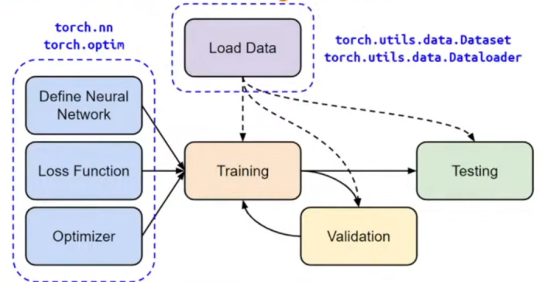
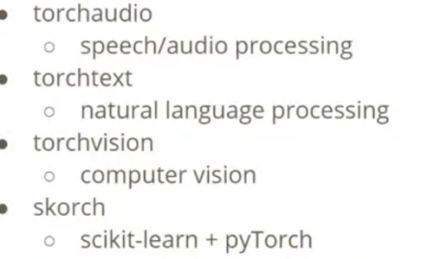
pytorch的模块
Pytorch 官方文档链接: https://pytorch.org/docs/stable/
torch.nn:神经网络相关api
torch.option: 优化算法
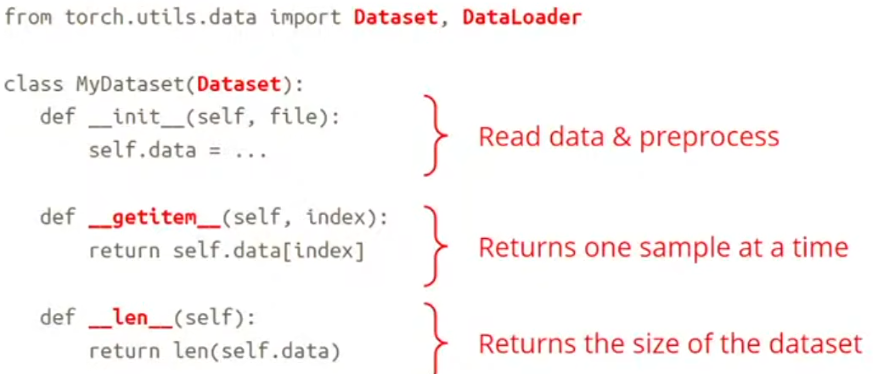
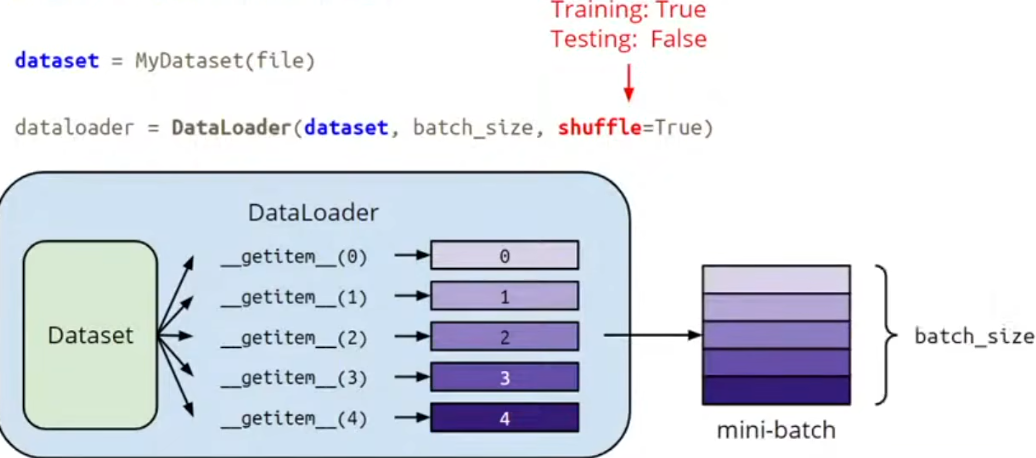
torch.utils.data : dataset,dataLoader
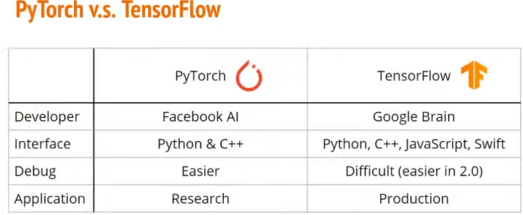
1.pytorch和tensorflow区别
2.tensor(向量)相关操作
- 形状:
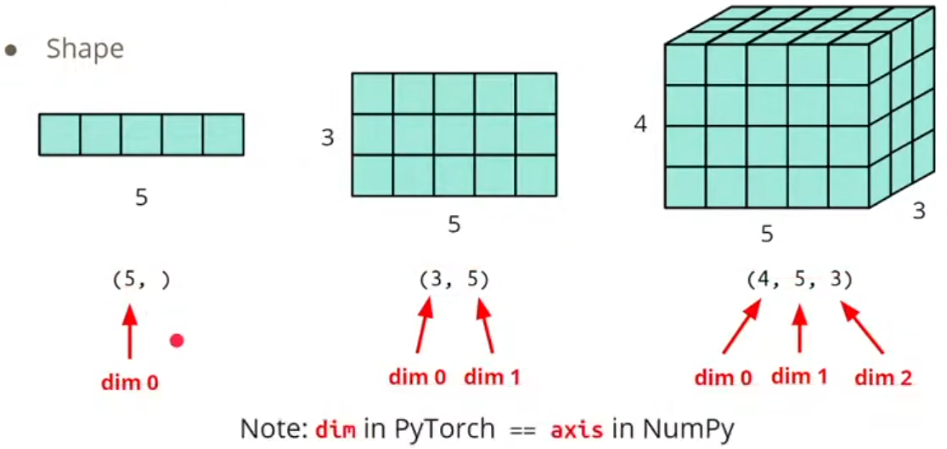
- 声明一个tensor:

import torch
x = torch.ones([1,3,5])
print(x, x.shape)
x = x.squeeze(0)
print(x, x.shape)

y = torch.ones([3,1,5])
print(y, y.shape)
y = y.squeeze(1)
print(y, y.shape)

x2 = torch.ones([2,3])
print(x2, x2.shape)

x3 = torch.ones([3,4,6])
print(x3, x3.shape)
输出结果:

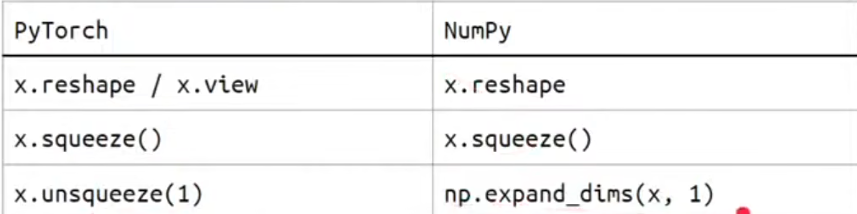
- squeeze操作:压缩一个维度

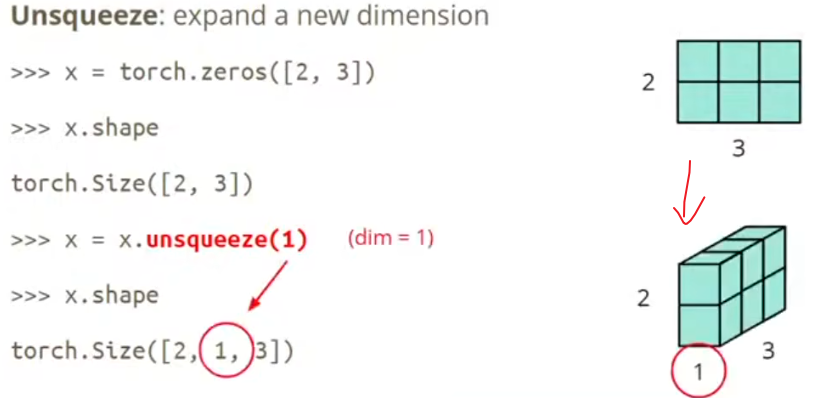
- unsqueeze操作:
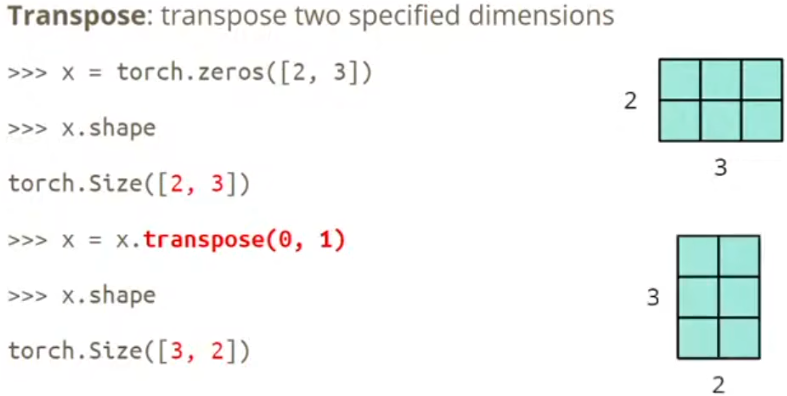
- Transpose:维度对调
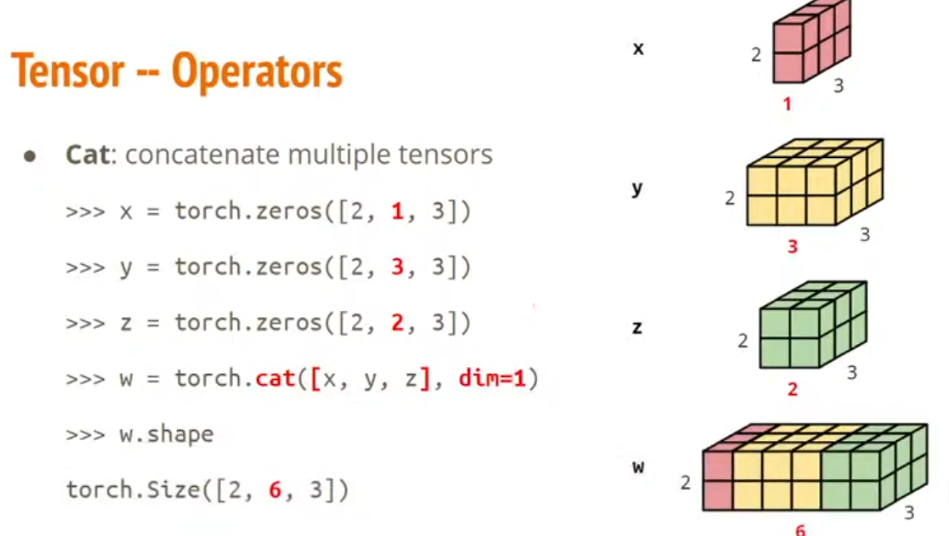
- cat:联合几个tensor
- 和numpy的区别:
3.运行设备设置
pytorch默认是在CPU上计算,如果在GPU上跑要特别声明下:
x = x.to('cpu')
x = x.to('cuda')
torch.cuda.is_available() #检查设备状态
4.怎么计算梯度Gradient

import torch
import numpy as np

x = torch.tensor([[1.,0.],[-1.,1.]],requires_grad=True)
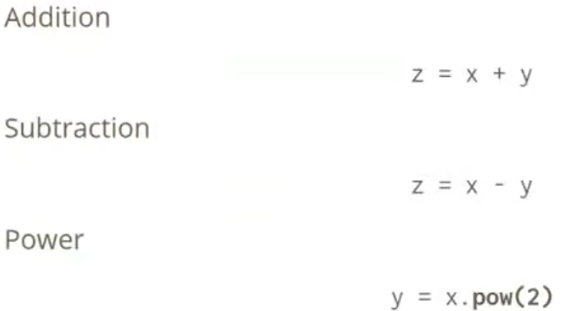
y = x.pow(2) #这里是每个元素的平方
print(y)
z = x.pow(2).sum() #所有元素的平方和
print(z)
z.backward()  #z值对每个矩阵元素反向求导
g = x.grad
print(g)

x_num = np.array([[4.,3.],[-1.,1.]])
y_num = x_num**2
print(y_num)
print(sum(sum(y_num)))
输出结果:

6.torch.nn --神经网络层
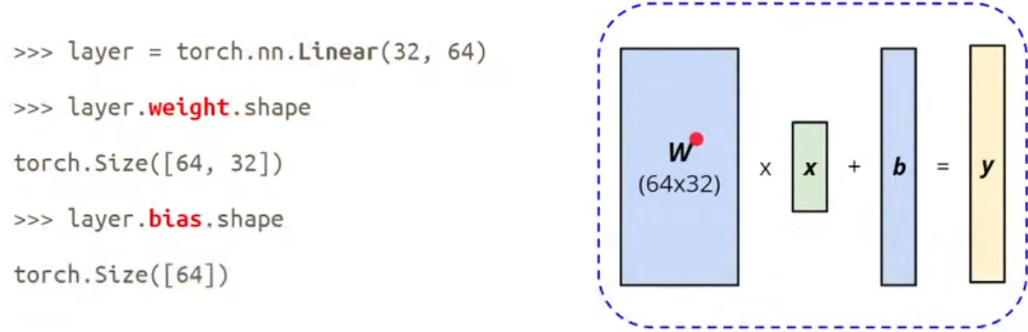
*** Linear Layer:**
nn.Linear(in_features, out_features)
nn.sigmoid()
nn.ReLU()
- Loss functions:
nn.MSELoss()           #均方误差损失
nn.CrossEntropyLoss()  #交叉熵损失
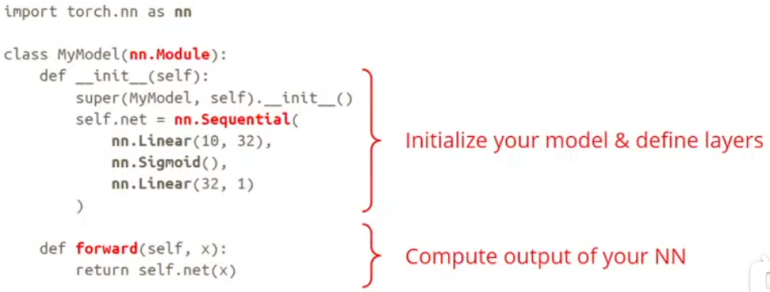
- 构造自己的神经网络:

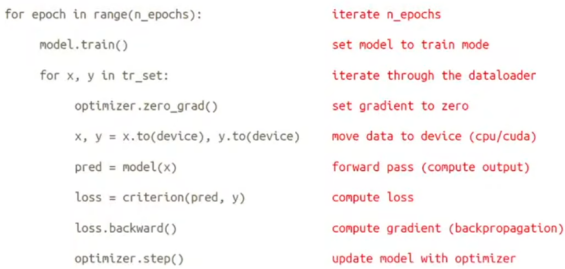
8.validation Set:
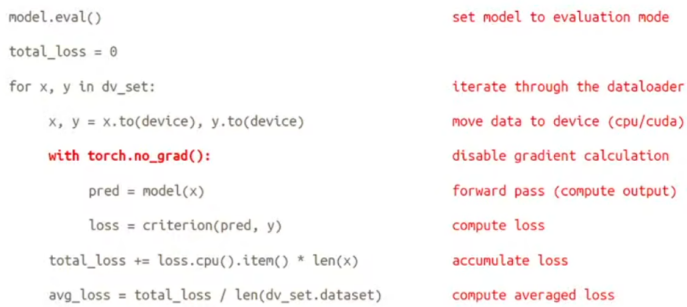
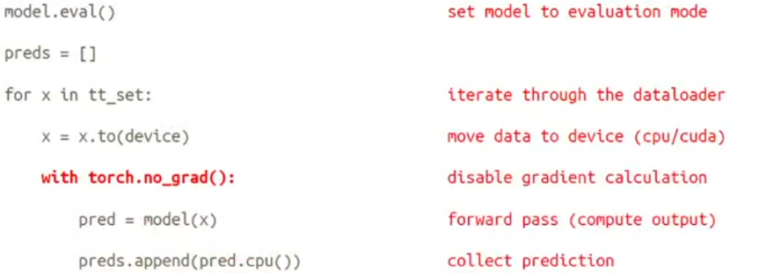
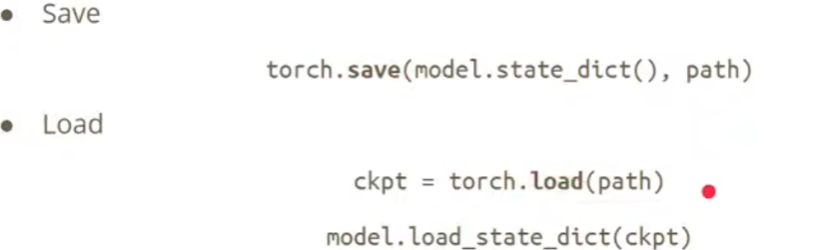
10.Save/Load Neural Network

 浙公网安备 33010602011771号