
Ajax+拦截器
Ajax
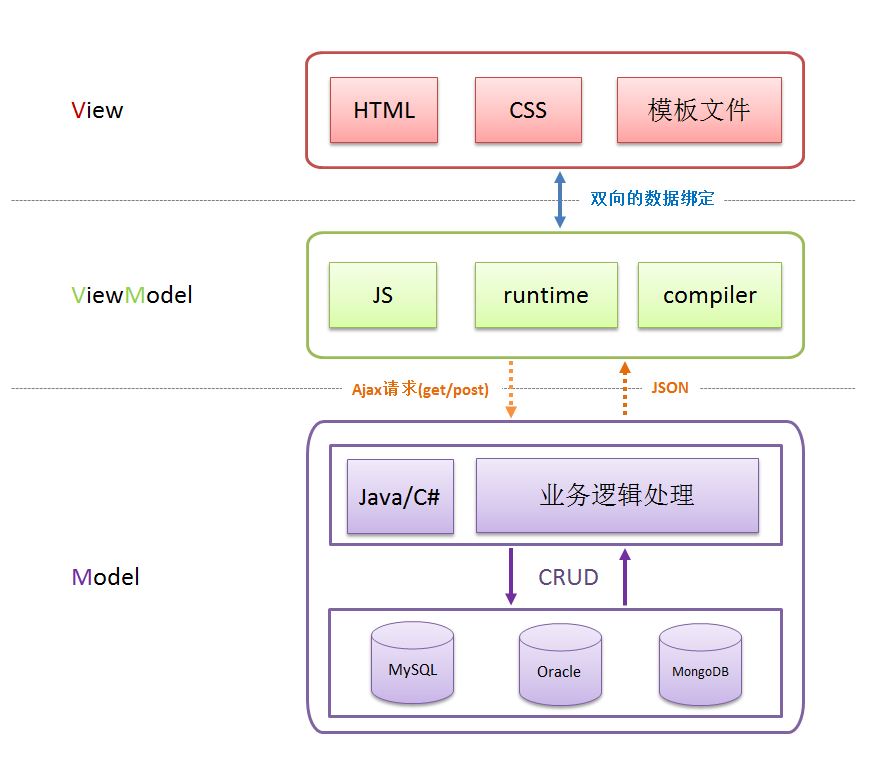
AJAX是异步的JavaScript和XML
AJAX是一种在无需重新加载整个网页的情况下,能够更新部分网页的技术
可以创造出动态性极强的web界面,当在搜索框输入关键字时,JS会把这些字符发送到服务器
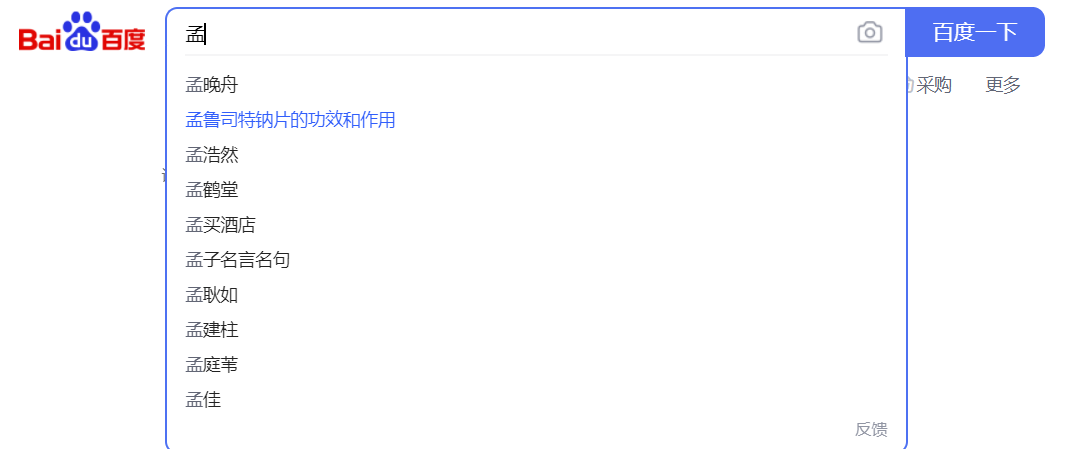
伪造Ajax
1、新建一个module :sspringmvc-06-ajax , 导入web支持!
2、编写一个 ajax-frame.html 使用 iframe 测试,感受下效果
<!DOCTYPE html>
<html>
<head lang="en">
    <meta charset="UTF-8">
    <title>kuangshen</title>
</head>
<body>

<script type="text/javascript">
    window.onload = function(){
        var myDate = new Date();
        document.getElementById('currentTime').innerText = myDate.getTime();
    };

    function LoadPage(){
        var targetUrl =  document.getElementById('url').value;
        console.log(targetUrl);
        document.getElementById("iframePosition").src = targetUrl;
    }

</script>

<div>
    <p>请输入要加载的地址:<span id="currentTime"></span></p>
    <p>
        <input id="url" type="text" value="https://www.baidu.com/"/>
        <input type="button" value="提交" onclick="LoadPage()">
    </p>
</div>

<div>
    <h3>加载页面位置:</h3>
    <iframe id="iframePosition" style="width: 100%;height: 500px;"></iframe>
</div>

</body>
</html>
jQuery Ajax
Ajax的核心是XMLHttpRequest对象(XHR)。XHR为向服务器发送请求和解析服务器响应提供了接口。能够以异步方式从服务器获取新数据。
通过 jQuery AJAX 方法,您能够使用 HTTP Get 和 HTTP Post 从远程服务器上请求文本、HTML、XML 或 JSON – 同时您能够把这些外部数据直接载入网页的被选元素中。
jQuery Ajax本质就是 XMLHttpRequest,对他进行了封装,方便调用!
jQuery.ajax(...)
       部分参数:
              url:请求地址
             type:请求方式,GET、POST(1.9.0之后用method)
          headers:请求头
             data:要发送的数据
      contentType:即将发送信息至服务器的内容编码类型(默认: "application/x-www-form-urlencoded; charset=UTF-8")
            async:是否异步
          timeout:设置请求超时时间(毫秒)
       beforeSend:发送请求前执行的函数(全局)
         complete:完成之后执行的回调函数(全局)
          success:成功之后执行的回调函数(全局)
            error:失败之后执行的回调函数(全局)
          accepts:通过请求头发送给服务器,告诉服务器当前客户端可接受的数据类型
         dataType:将服务器端返回的数据转换成指定类型
            "xml": 将服务器端返回的内容转换成xml格式
           "text": 将服务器端返回的内容转换成普通文本格式
           "html": 将服务器端返回的内容转换成普通文本格式,在插入DOM中时,如果包含JavaScript标签,则会尝试去执行。
         "script": 尝试将返回值当作JavaScript去执行,然后再将服务器端返回的内容转换成普通文本格式
           "json": 将服务器端返回的内容转换成相应的JavaScript对象
          "jsonp": JSONP 格式使用 JSONP 形式调用函数时,如 "myurl?callback=?" jQuery 将自动替换 ? 为正确的函数名,以执行回调函数
简单测试
1、配置web.xml 和 springmvc的配置文件 【记得静态资源过滤和注解驱动配置上】
<?xml version="1.0" encoding="UTF-8"?>
<beans xmlns="http://www.springframework.org/schema/beans"
       xmlns:xsi="http://www.w3.org/2001/XMLSchema-instance"
       xmlns:context="http://www.springframework.org/schema/context"
       xmlns:mvc="http://www.springframework.org/schema/mvc"
       xsi:schemaLocation="http://www.springframework.org/schema/beans
        http://www.springframework.org/schema/beans/spring-beans.xsd
        http://www.springframework.org/schema/context
        https://www.springframework.org/schema/context/spring-context.xsd
        http://www.springframework.org/schema/mvc
        https://www.springframework.org/schema/mvc/spring-mvc.xsd">

    <!-- 自动扫描指定的包,下面所有注解类交给IOC容器管理 -->
    <context:component-scan base-package="com.kuang.controller"/>
    <mvc:default-servlet-handler />
    <mvc:annotation-driven />

    <!-- 视图解析器 -->
    <bean class="org.springframework.web.servlet.view.InternalResourceViewResolver"
          id="internalResourceViewResolver">
        <!-- 前缀 -->
        <property name="prefix" value="/WEB-INF/jsp/" />
        <!-- 后缀 -->
        <property name="suffix" value=".jsp" />
    </bean>
</beans>
2、编写一个AjaxController
@Controller
public class AjaxController {

    @RequestMapping("/a1")
    public void ajax1(String name , HttpServletResponse response) throws IOException {
        if ("admin".equals(name)){
            response.getWriter().print("true");
        }else{
            response.getWriter().print("false");
        }
    }

}
3、导入jquery , 可以使用在线的CDN , 也可以下载导入
<script src="https://code.jquery.com/jquery-3.1.1.min.js"></script>
<script src="${pageContext.request.contextPath}/statics/js/jquery-3.1.1.min.js"></script>
4、编写index.jsp测试
<%@ page contentType="text/html;charset=UTF-8" language="java" %>
<html>
  <head>
    <title>$Title$</title>
    <%--<script src="https://code.jquery.com/jquery-3.1.1.min.js"></script>--%>
    <script src="${pageContext.request.contextPath}/statics/js/jquery-3.1.1.min.js"></script>
    <script>
        function a1(){
            $.post({
                url:"${pageContext.request.contextPath}/a1",
                data:{'name':$("#txtName").val()},
                success:function (data,status) {
                    alert(data);
                    alert(status);
                }
            });
        }
    </script>
  </head>
  <body>

  <%--onblur:失去焦点触发事件--%>
  用户名:<input type="text" id="txtName" onblur="a1()"/>

  </body>
</html>
5、启动tomcat测试!打开浏览器的控制台,当我们鼠标离开输入框的时候,可以看到发出了一个ajax的请求!是后台返回给我们的结果!测试成功!
SpringMVC实现
1、实体类
@Data
@AllArgsConstructor
@NoArgsConstructor
public class User {
    private String name;
    private int age;
    private String sex;
}
2、我们来获取一个集合对象,展示到前端页面
@RequestMapping("/a2")
public List<User> ajax2(){
    List<User> list = new ArrayList<User>();
    list.add(new User("秦疆1号",3,"男"));
    list.add(new User("秦疆2号",3,"男"));
    list.add(new User("秦疆3号",3,"男"));
    return list; //由于@RestController注解,将list转成json格式返回
}
3、前端页面
<%@ page contentType="text/html;charset=UTF-8" language="java" %>
<html>
<head>
    <title>Title</title>
</head>
<body>
<input type="button" id="btn" value="获取数据"/>
<table width="80%" align="center">
    <tr>
        <td>姓名</td>
        <td>年龄</td>
        <td>性别</td>
    </tr>
    <tbody id="content">
    </tbody>
</table>

<script src="${pageContext.request.contextPath}/statics/js/jquery-3.1.1.min.js"></script>
<script>

    $(function () {
        $("#btn").click(function () {
            $.post("${pageContext.request.contextPath}/a2",function (data) {
                console.log(data)
                var html="";
                for (var i = 0; i <data.length ; i++) {
                    html+= "<tr>" +
                        "<td>" + data[i].name + "</td>" +
                        "<td>" + data[i].age + "</td>" +
                        "<td>" + data[i].sex + "</td>" +
                        "</tr>"
                }
                $("#content").html(html);
            });
        })
    })
</script>
</body>
</html>
Ajax实现登录验证
1、Controller
@RequestMapping("/a3")
public String ajax3(String name,String pwd){
    String msg = "";
    //模拟数据库中存在数据
    if (name!=null){
        if ("admin".equals(name)){
            msg = "OK";
        }else {
            msg = "用户名输入错误";
        }
    }
    if (pwd!=null){
        if ("123456".equals(pwd)){
            msg = "OK";
        }else {
            msg = "密码输入有误";
        }
    }
    return msg; //由于@RestController注解,将msg转成json格式返回
}
2、前端页面
<%@ page contentType="text/html;charset=UTF-8" language="java" %>
<html>
<head>
    <title>ajax</title>
    <script src="${pageContext.request.contextPath}/statics/js/jquery-3.1.1.min.js"></script>
    <script>

        function a1(){
            $.post({
                url:"${pageContext.request.contextPath}/a3",
                data:{'name':$("#name").val()},
                success:function (data) {
                    if (data.toString()=='OK'){
                        $("#userInfo").css("color","green");
                    }else {
                        $("#userInfo").css("color","red");
                    }
                    $("#userInfo").html(data);
                }
            });
        }
        function a2(){
            $.post({
                url:"${pageContext.request.contextPath}/a3",
                data:{'pwd':$("#pwd").val()},
                success:function (data) {
                    if (data.toString()=='OK'){
                        $("#pwdInfo").css("color","green");
                    }else {
                        $("#pwdInfo").css("color","red");
                    }
                    $("#pwdInfo").html(data);
                }
            });
        }

    </script>
</head>
<body>
<p>
    用户名:<input type="text" id="name" onblur="a1()"/>
    <span id="userInfo"></span>
</p>
<p>
    密码:<input type="text" id="pwd" onblur="a2()"/>
    <span id="pwdInfo"></span>
</p>
</body>
</html>
【记得处理json乱码问题】
<!--JSON乱码问题配置-->
<mvc:annotation-driven>
    <mvc:message-converters register-defaults="true">
        <bean class="org.springframework.http.converter.StringHttpMessageConverter">
            <constructor-arg value="UTF-8"/>
        </bean>
        <bean class="org.springframework.http.converter.json.MappingJackson2HttpMessageConverter">
            <property name="objectMapper">
                <bean class="org.springframework.http.converter.json.Jackson2ObjectMapperFactoryBean">
                    <property name="failOnEmptyBeans" value="false"/>
                </bean>
            </property>
        </bean>
    </mvc:message-converters>
</mvc:annotation-driven>
拦截器
过滤器与拦截器的区别:拦截器是AOP思想的具体应用。
过滤器
-
servlet规范中的一部分,任何java web工程都可以使用
-
在url-pattern中配置了/*之后,可以对所有要访问的资源进行拦截
拦截器
-
拦截器是SpringMVC框架自己的,只有使用了SpringMVC框架的工程才能使用
-
拦截器只会拦截访问的控制器方法, 如果访问的是jsp/html/css/image/js是不会进行拦截的
自定义拦截器
1、新建一个Moudule , springmvc-07-Interceptor , 添加web支持
2、配置web.xml 和 springmvc-servlet.xml 文件
<?xml version="1.0" encoding="UTF-8"?>
<web-app xmlns="http://xmlns.jcp.org/xml/ns/javaee"
         xmlns:xsi="http://www.w3.org/2001/XMLSchema-instance"
         xsi:schemaLocation="http://xmlns.jcp.org/xml/ns/javaee http://xmlns.jcp.org/xml/ns/javaee/web-app_4_0.xsd"
         version="4.0">

    <servlet>
        <servlet-name>springmvc</servlet-name>
        <servlet-class>org.springframework.web.servlet.DispatcherServlet</servlet-class>
        <init-param>
            <param-name>contextConfigLocation</param-name>
            <param-value>classpath:springmvc-servlet.xml</param-value>
        </init-param>
        <load-on-startup>1</load-on-startup>
    </servlet>

    <servlet-mapping>
        <servlet-name>springmvc</servlet-name>
        <url-pattern>/</url-pattern>
    </servlet-mapping>


    <filter>
        <filter-name>encoding</filter-name>
        <filter-class>org.springframework.web.filter.CharacterEncodingFilter</filter-class>
        <init-param>
            <param-name>encoding</param-name>
            <param-value>utf-8</param-value>
        </init-param>
    </filter>
    <filter-mapping>
        <filter-name>encoding</filter-name>
        <url-pattern>/*</url-pattern>
    </filter-mapping>

</web-app>
<?xml version="1.0" encoding="UTF-8"?>
<beans xmlns="http://www.springframework.org/schema/beans"
       xmlns:xsi="http://www.w3.org/2001/XMLSchema-instance"
       xmlns:context="http://www.springframework.org/schema/context"
       xmlns:mvc="http://www.springframework.org/schema/mvc"
       xsi:schemaLocation="http://www.springframework.org/schema/beans
       http://www.springframework.org/schema/beans/spring-beans.xsd
       http://www.springframework.org/schema/context
       https://www.springframework.org/schema/context/spring-context.xsd
       http://www.springframework.org/schema/mvc
       https://www.springframework.org/schema/mvc/spring-mvc.xsd">


    <context:component-scan base-package="com.meng.controller"/>
    <mvc:default-servlet-handler/>

    <!--JSON乱码问题配置-->
    <mvc:annotation-driven>
        <mvc:message-converters register-defaults="true">
            <bean class="org.springframework.http.converter.StringHttpMessageConverter">
                <constructor-arg value="UTF-8"/>
            </bean>
            <bean class="org.springframework.http.converter.json.MappingJackson2HttpMessageConverter">
                <property name="objectMapper">
                    <bean class="org.springframework.http.converter.json.Jackson2ObjectMapperFactoryBean">
                        <property name="failOnEmptyBeans" value="false"/>
                    </bean>
                </property>
            </bean>
        </mvc:message-converters>
    </mvc:annotation-driven>

    <!-- 视图解析器 -->
    <bean class="org.springframework.web.servlet.view.InternalResourceViewResolver"
          id="internalResourceViewResolver">
        <!-- 前缀 -->
        <property name="prefix" value="/WEB-INF/jsp/" />
        <!-- 后缀 -->
        <property name="suffix" value=".jsp" />
    </bean>

</beans>
3、编写一个拦截器
package com.meng.interceptor;

import org.springframework.web.servlet.HandlerInterceptor;
import org.springframework.web.servlet.ModelAndView;

import javax.servlet.http.HttpServletRequest;
import javax.servlet.http.HttpServletResponse;

public class MyInterceptor implements HandlerInterceptor {

    public boolean preHandle(HttpServletRequest request, HttpServletResponse response, Object handler) throws Exception {
        System.out.println("--------处理前--------");
        return true;
    }

    public void postHandle(HttpServletRequest request, HttpServletResponse response, Object handler, ModelAndView modelAndView) throws Exception {
        System.out.println("--------处理后--------");
    }

    public void afterCompletion(HttpServletRequest request, HttpServletResponse response, Object handler, Exception ex) throws Exception {
        System.out.println("--------清理--------");
    }
}
4、在springmvc的配置文件中配置拦截器
<!--关于拦截器的配置-->
<mvc:interceptors>
    <mvc:interceptor>
        <!--/** 包括路径及其子路径-->
        <!--/admin/* 拦截的是/admin/add等等这种 , /admin/add/user不会被拦截-->
        <!--/admin/** 拦截的是/admin/下的所有-->
        <mvc:mapping path="/**"/>
        <!--bean配置的就是拦截器-->
        <bean class="com.meng.interceptor.MyInterceptor"/>
    </mvc:interceptor>
</mvc:interceptors>
5、编写一个Controller,接收请求
package com.meng.controller;

import org.springframework.stereotype.Controller;
import org.springframework.web.bind.annotation.RequestMapping;
import org.springframework.web.bind.annotation.ResponseBody;

@Controller
public class InterceptorController {

    @RequestMapping("/interceptor")
    @ResponseBody
    public String testFunction() {
        System.out.println("控制器中的方法执行了");
        return "hello";
    }

}
6、前端 index.jsp
<a href="${pageContext.request.contextPath}/interceptor">拦截器测试</a>
7、启动tomcat 测试一下!

 浙公网安备 33010602011771号