
(原創) 如何使用C++/CLI对图片做Grayscale Opening? (.NET) (C/C++) (C++/CLI) (GDI+) (Image Processing)
Opening的算法是:先对图片做Erosion,将结果再做Dilation,其目的在消除影像中的小杂点。
1 #include "stdafx.h"
2#include <vector>
3#include <algorithm>
4
5using namespace System::Drawing;
6using namespace System::Drawing::Imaging;
7
8typedef std::pair<int, int> MyPoint;
9typedef std::vector<MyPoint> MyPointVec;
10typedef int GrayLevel;
11
12// Make kernel by radius
13MyPointVec makeKernel(const int&);
14// Process opening
15Bitmap^ opening(Bitmap^, const MyPointVec%);
16// Process dilation
17Bitmap^ dilation(Bitmap^, const MyPointVec%);
18// Process erosion
19Bitmap^ erosion(Bitmap^, const MyPointVec%);
20// Get max gray level by kernel
21GrayLevel getMaxByKernel(Bitmap^, const MyPointVec%, const MyPoint%);
22// Get max gray level by kernel
23GrayLevel getMinByKernel(Bitmap^, const MyPointVec%, const MyPoint%);
24// Get gray level from Color object
25GrayLevel getGrayLevelFromColor(Color^);
26
27 int main() {
28 // Read image from lena.jpg
29 Bitmap^ image = gcnew Bitmap("lena.jpg");
30 const int radius = 2;
31 // Make kernel by radius
32 MyPointVec kernel = makeKernel(radius);
33 // New dilated image
34 Bitmap^ newImage = opening(image, kernel);
35 // Save new dilated image to disk
36 newImage->Save("GrayscaleOpening.jpg");
37
38 return 0;
39 }
}
40
41// Make kernel by radius
42MyPointVec makeKernel(const int& radius) {
43 MyPointVec kernel;
44
45 if (radius == 0) {
46 kernel.push_back(std::make_pair(0,0));
47 }
}
48 else if (radius == 1) {
49 // *
50 // ***
51 // *
52 kernel.push_back(std::make_pair(0,0));
53 kernel.push_back(std::make_pair(1,0));
54 kernel.push_back(std::make_pair(0,1));
55 kernel.push_back(std::make_pair(-1,0));
56 kernel.push_back(std::make_pair(0,-1));
57 }
58 else {
59 kernel.push_back(std::make_pair(-1,2));
60 kernel.push_back(std::make_pair(0,2));
61 kernel.push_back(std::make_pair(1,2));
62
63 kernel.push_back(std::make_pair(-2,1));
64 kernel.push_back(std::make_pair(-1,1));
65 kernel.push_back(std::make_pair(0,1));
66 kernel.push_back(std::make_pair(1,1));
67 kernel.push_back(std::make_pair(2,1));
68
69 kernel.push_back(std::make_pair(-2,0));
70 kernel.push_back(std::make_pair(-1,0));
71 kernel.push_back(std::make_pair(0,0));
72 kernel.push_back(std::make_pair(1,0));
73 kernel.push_back(std::make_pair(2,0));
74
75 kernel.push_back(std::make_pair(-2,-1));
76 kernel.push_back(std::make_pair(-1,-1));
77 kernel.push_back(std::make_pair(0,-1));
78 kernel.push_back(std::make_pair(1,-1));
79 kernel.push_back(std::make_pair(2,-1));
80
81 kernel.push_back(std::make_pair(-1,-2));
82 kernel.push_back(std::make_pair(0,-2));
83 kernel.push_back(std::make_pair(1,-2));
84 }
85
86 return kernel;
87}
88
89// Process opening
90Bitmap^ opening(Bitmap^ image, const MyPointVec% kernel) {
91 Bitmap^ newImage = dilation(erosion(image, kernel), kernel);
92
93 return newImage;
94}
95
96// Process dilation
97Bitmap^ dilation(Bitmap^ image, const MyPointVec% kernel) {
98 // New dilated image
99 Bitmap^ newImage = gcnew Bitmap(image->Width, image->Height);
100 for(int x = 0; x != image->Width; ++x) {
101 for(int y = 0; y != image->Height; ++y) {
102 // Get max gray level by kernel
103 GrayLevel gray = getMaxByKernel(image, kernel, std::make_pair(x,y));
104 // Set max gray level to new dilated image
105 newImage->SetPixel(x, y, Color::FromArgb(gray, gray, gray));
106 }
107 }
108
109 return newImage;
110}
111
112// Process erosion
113Bitmap^ erosion(Bitmap^ image, const MyPointVec% kernel) {
114 // New dilated image
115 Bitmap^ newImage = gcnew Bitmap(image->Width, image->Height);
116 for(int x = 0; x != image->Width; ++x) {
117 for(int y = 0; y != image->Height; ++y) {
118 // Get max gray level by kernel
119 GrayLevel gray = getMinByKernel(image, kernel, std::make_pair(x,y));
120 // Set max gray level to new dilated image
121 newImage->SetPixel(x, y, Color::FromArgb(gray, gray, gray));
122 }
123 }
124
125 return newImage;
126}
127
128
129// Get max gray level by kernel
130GrayLevel getMaxByKernel(Bitmap^ image, const MyPointVec% kernel, const MyPoint% point) {
131 typedef std::vector<GrayLevel> NeighborColor;
132 NeighborColor neighborColor;
133
134 // C++/CLI's new for each syntax
135 for each (MyPoint kpoint in kernel) {
136 int x = point.first + kpoint.first;
137 int y = point.second + kpoint.second;
138 if (x >= 0 && x < image->Width) {
139 if (y >= 0 && y < image->Height) {
140 GrayLevel gray = getGrayLevelFromColor(image->GetPixel(x, y));
141 // push_back new gray level to vector
142 neighborColor.push_back(gray);
143 }
144 }
145 }
146
147 // Use STL max_element() algorithm to get max gray level
148 NeighborColor::iterator maxIter = max_element(neighborColor.begin(), neighborColor.end());
149
150 return *maxIter;
151}
152
153// Get min gray level by kernel
154GrayLevel getMinByKernel(Bitmap^ image, const MyPointVec% kernel, const MyPoint% point) {
155 typedef std::vector<GrayLevel> NeighborColor;
156 NeighborColor neighborColor;
157
158 // C++/CLI's new for each syntax
159 for each (MyPoint kpoint in kernel) {
160 int x = point.first + kpoint.first;
161 int y = point.second + kpoint.second;
162 if (x >= 0 && x < image->Width) {
163 if (y >= 0 && y < image->Height) {
164 GrayLevel gray = getGrayLevelFromColor(image->GetPixel(x, y));
165 // push_back new gray level to vector
166 neighborColor.push_back(gray);
167 }
168 }
169 }
170
171 // Use STL min_element() algorithm to get max gray level
172 NeighborColor::iterator minIter = min_element(neighborColor.begin(), neighborColor.end());
173
174 return *minIter;
175}
176
177
178// Get gray level from Color object
179GrayLevel getGrayLevelFromColor(Color^ color) {
180 return (color->R + color->G + color->B) /3;
181}
#include "stdafx.h"2
#include <vector>3
#include <algorithm>4
5
using namespace System::Drawing;6
using namespace System::Drawing::Imaging;7
8
typedef std::pair<int, int> MyPoint;9
typedef std::vector<MyPoint> MyPointVec;10
typedef int GrayLevel;11
12
// Make kernel by radius13
MyPointVec makeKernel(const int&);14
// Process opening15
Bitmap^ opening(Bitmap^, const MyPointVec%);16
// Process dilation 17
Bitmap^ dilation(Bitmap^, const MyPointVec%); 18
// Process erosion19
Bitmap^ erosion(Bitmap^, const MyPointVec%); 20
// Get max gray level by kernel21
GrayLevel getMaxByKernel(Bitmap^, const MyPointVec%, const MyPoint%);22
// Get max gray level by kernel23
GrayLevel getMinByKernel(Bitmap^, const MyPointVec%, const MyPoint%);24
// Get gray level from Color object25
GrayLevel getGrayLevelFromColor(Color^);26
27
int main() {

28
// Read image from lena.jpg29
Bitmap^ image = gcnew Bitmap("lena.jpg");30
const int radius = 2;31
// Make kernel by radius32
MyPointVec kernel = makeKernel(radius);33
// New dilated image34
Bitmap^ newImage = opening(image, kernel);35
// Save new dilated image to disk36
newImage->Save("GrayscaleOpening.jpg");37
38
return 0;39
}40
41
// Make kernel by radius42
MyPointVec makeKernel(const int& radius) {43
MyPointVec kernel;44
45
if (radius == 0) {
46
kernel.push_back(std::make_pair(0,0));47
}48
else if (radius == 1) {49
// *50
// ***51
// *52
kernel.push_back(std::make_pair(0,0));53
kernel.push_back(std::make_pair(1,0));54
kernel.push_back(std::make_pair(0,1));55
kernel.push_back(std::make_pair(-1,0));56
kernel.push_back(std::make_pair(0,-1));57
}58
else {59
kernel.push_back(std::make_pair(-1,2));60
kernel.push_back(std::make_pair(0,2));61
kernel.push_back(std::make_pair(1,2));62
63
kernel.push_back(std::make_pair(-2,1));64
kernel.push_back(std::make_pair(-1,1));65
kernel.push_back(std::make_pair(0,1));66
kernel.push_back(std::make_pair(1,1));67
kernel.push_back(std::make_pair(2,1));68
69
kernel.push_back(std::make_pair(-2,0));70
kernel.push_back(std::make_pair(-1,0));71
kernel.push_back(std::make_pair(0,0));72
kernel.push_back(std::make_pair(1,0));73
kernel.push_back(std::make_pair(2,0));74
75
kernel.push_back(std::make_pair(-2,-1));76
kernel.push_back(std::make_pair(-1,-1));77
kernel.push_back(std::make_pair(0,-1));78
kernel.push_back(std::make_pair(1,-1));79
kernel.push_back(std::make_pair(2,-1));80
81
kernel.push_back(std::make_pair(-1,-2));82
kernel.push_back(std::make_pair(0,-2));83
kernel.push_back(std::make_pair(1,-2));84
}85
86
return kernel;87
}88
89
// Process opening90
Bitmap^ opening(Bitmap^ image, const MyPointVec% kernel) {91
Bitmap^ newImage = dilation(erosion(image, kernel), kernel);92
93
return newImage;94
}95
96
// Process dilation 97
Bitmap^ dilation(Bitmap^ image, const MyPointVec% kernel) {98
// New dilated image99
Bitmap^ newImage = gcnew Bitmap(image->Width, image->Height);100
for(int x = 0; x != image->Width; ++x) {101
for(int y = 0; y != image->Height; ++y) {102
// Get max gray level by kernel103
GrayLevel gray = getMaxByKernel(image, kernel, std::make_pair(x,y));104
// Set max gray level to new dilated image105
newImage->SetPixel(x, y, Color::FromArgb(gray, gray, gray));106
}107
}108
109
return newImage;110
}111
112
// Process erosion 113
Bitmap^ erosion(Bitmap^ image, const MyPointVec% kernel) {114
// New dilated image115
Bitmap^ newImage = gcnew Bitmap(image->Width, image->Height);116
for(int x = 0; x != image->Width; ++x) {117
for(int y = 0; y != image->Height; ++y) {118
// Get max gray level by kernel119
GrayLevel gray = getMinByKernel(image, kernel, std::make_pair(x,y));120
// Set max gray level to new dilated image121
newImage->SetPixel(x, y, Color::FromArgb(gray, gray, gray));122
}123
}124
125
return newImage;126
}127
128
129
// Get max gray level by kernel130
GrayLevel getMaxByKernel(Bitmap^ image, const MyPointVec% kernel, const MyPoint% point) {131
typedef std::vector<GrayLevel> NeighborColor;132
NeighborColor neighborColor;133
134
// C++/CLI's new for each syntax135
for each (MyPoint kpoint in kernel) {136
int x = point.first + kpoint.first;137
int y = point.second + kpoint.second;138
if (x >= 0 && x < image->Width) {139
if (y >= 0 && y < image->Height) {140
GrayLevel gray = getGrayLevelFromColor(image->GetPixel(x, y));141
// push_back new gray level to vector142
neighborColor.push_back(gray);143
}144
}145
}146
147
// Use STL max_element() algorithm to get max gray level148
NeighborColor::iterator maxIter = max_element(neighborColor.begin(), neighborColor.end());149
150
return *maxIter;151
}152
153
// Get min gray level by kernel154
GrayLevel getMinByKernel(Bitmap^ image, const MyPointVec% kernel, const MyPoint% point) {155
typedef std::vector<GrayLevel> NeighborColor;156
NeighborColor neighborColor;157
158
// C++/CLI's new for each syntax159
for each (MyPoint kpoint in kernel) {160
int x = point.first + kpoint.first;161
int y = point.second + kpoint.second;162
if (x >= 0 && x < image->Width) {163
if (y >= 0 && y < image->Height) {164
GrayLevel gray = getGrayLevelFromColor(image->GetPixel(x, y));165
// push_back new gray level to vector166
neighborColor.push_back(gray);167
}168
}169
}170
171
// Use STL min_element() algorithm to get max gray level172
NeighborColor::iterator minIter = min_element(neighborColor.begin(), neighborColor.end());173
174
return *minIter;175
}176
177
178
// Get gray level from Color object179
GrayLevel getGrayLevelFromColor(Color^ color) {180
return (color->R + color->G + color->B) /3;181
}原图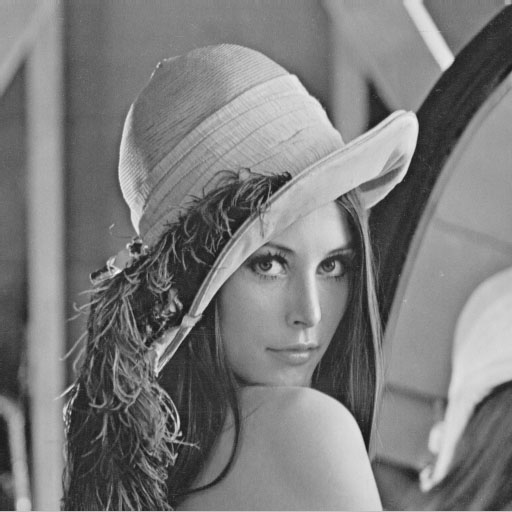
执行结果
See Also
如何使用C++/CLI对图片做Grayscale Dilation?
如何使用C++/CLI对图片做Grayscale Erosion?
如何使用C++/CLI对图片做Grayscale Closing?

 浙公网安备 33010602011771号