

土地盐碱化 Soil salinization
一.The origin of soil salinization
1.Climate factors: in China's arid, semi-arid and dry subhumid areas, there are climate conditions with less precipitation and violent evaporation. Within the ratio of evaporation and precipitation are greater than one, soil moisture running direction above line is given priority to, into the soluble salt of soil matrix cannot filter down, evaporation to salt in the groundwater accumulation in the surface soil, soil salt at the same time, long-term accumulation and concentration has formed the saline
2.Landform factors: In terms of regional topography, saline-alkali soil is mostly distributed in low-lying inland basins, intermountain depressions and plains with poor drainage. However, in terms of the community terrain, because the ground water is concentrated in the depression, the water in the depression supplies the groundwater on the slope, so the soil salinization on the gentle slope is often heavier. In addition, in small relief terrain, when rainfall or irrigation, the low water, strong dissolution effect; high water, and strong evaporation effect, water from the low to high continuous supply, salt accumulation in the high to form salt spots. In the case of poor soil permeability, the water containing a certain salt flows from the height to the low place, and the water evaporation, salt will accumulate in the low place, making the soil salinized.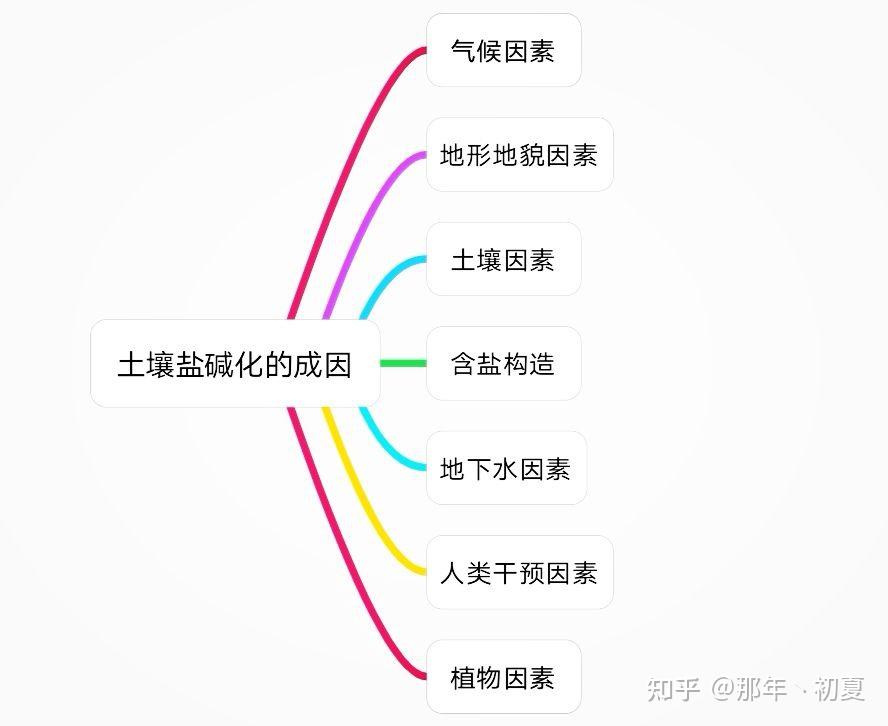
3.Soil factors: The relationship between the salinization (0~5m) and the surface soil of different soil texture shows that in several different groundwater levels, the surface salt content of light loam is higher than that of medium loam and heavy loam, and the more sticky the texture, the lighter the soil salinization. Thirdly, the soil organic matter has a salt inhibitory effect. Generally speaking, the higher the content of the soil organic matter is, the stronger its effect on inhibiting the upward shift of water and salt is. The study shows that the rising rate of capillary water in sandy soil (any thickness or layer) of clay interlayer soil is lower than sandy soil and slows down with the increase of the thickness of clay interlayer and with the increase of clay layer at the same thickness.
4.Salted structure: The existence of saline strata (with saline mineral layers or strata containing underground halines) is an important source of soil salt in some settings. Due to the influence of natural and anthropogenic activities, the salt content in the salt-bearing strata is released to participate in the salt accumulation process of modern soil.
5.Groundwater factor: Generally speaking, the deeper the groundwater is, the less the evaporation amount of diving recharge is, and the less salt is accumulated in the soil.
6.Plant factors: the calcium salt and sodium salt formed by the decomposition of plant residues with extremely high salt tolerance return to the soil by the rain shower and saline the soil. Changes in plant species can also affect soil salinity. If the original plants with developed roots are replaced by some shallow root crops, more rainwater will not be absorbed by the deep root plants, but added to the groundwater, causing the rise of the groundwater level.
7.Human intervention factors: ① Due to the development of water diver-sion artesian irrigation, the groundwater level rises, so that the salt of groundwater and soil soil with the loss of soil capillary water through the ground evaporation.② The use of surface or underground mineralized water for irrigation without taking measures to regulate the movement of soil water an-d salt, leading to the accumulation of salt in the irrigation water in the tillage layer.③ Extensive farming, unreasonable planting and fertilization will also cause soil salt accumulation.
(Human activities affect the degree of soil salinization mainly by changing natural conditions)
二.The dangers of soil salinity
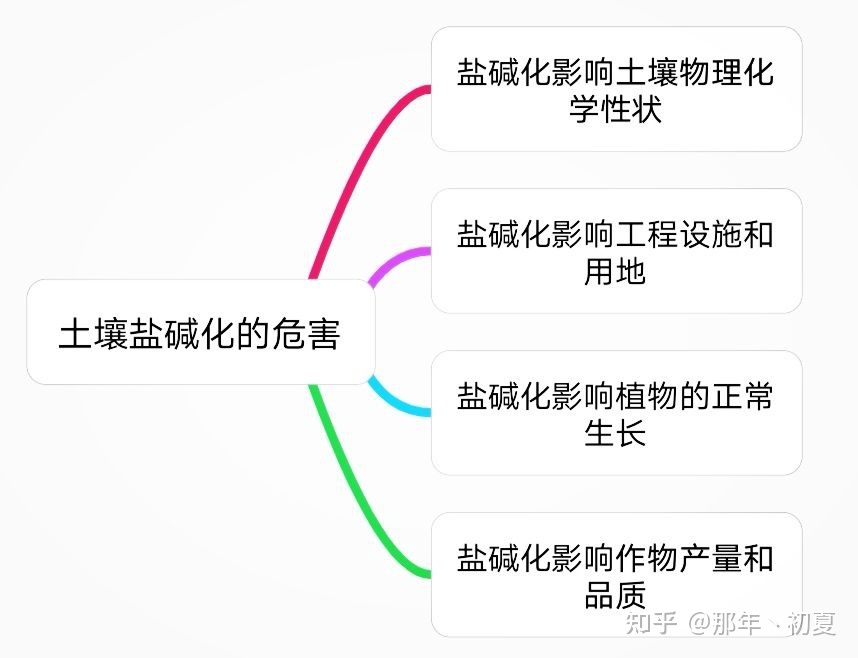
1.Salinization affects soil physicochemical properties: soil is easier to harden, water permeability and permeability is reduced, and soil nutrient utilization, organic matter content and soil fertility decrease.
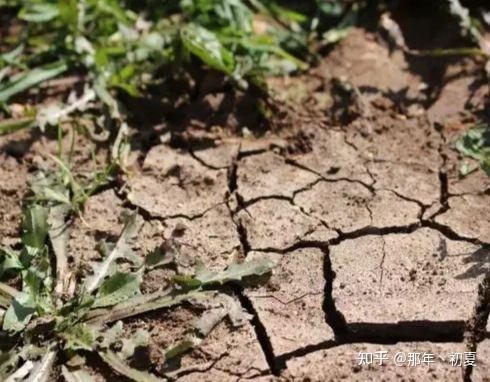
2.Salinization affects engineering facilities and land use: there are land subsidence, salt swelling and other phenomena, which aggravate the corrosion and damage to engineering facilities.
3.Salinization affects the normal growth of plants: plants are prone to drought and wither, inhibiting the normal nutritional growth and reproduction of plants.
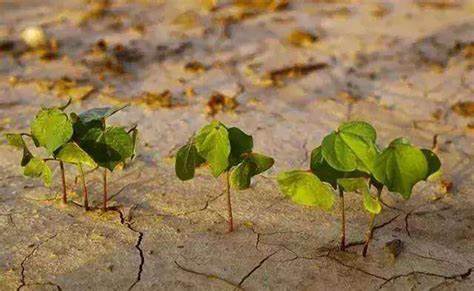
4.Salinization affects crop yield and quality: according to research, the high chloride content in soil will make tobacco combustion worse and the quality worse. The appropriate amount of chloride in soil can promote the improvement of grape yield and quality, and when the content of chloride in soil exceeds a certain amount, the yield and quality of grape will decrease.
三.Treatment of soil salinization
- Strengthen agricultural management, as far as possible reasonable planting.
- We can improve water conservancy and strengthen the management of irrigation, drainage and silt discharge.
- Plant saline-tolerant plants to increase the organic matter content in the soil and improve the physical and chemical properties of the soil.
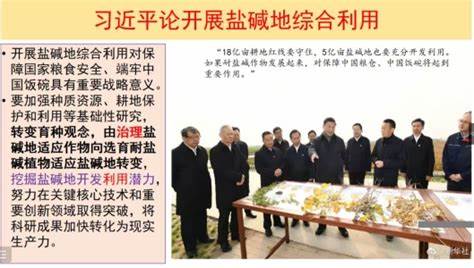
4.The use of chemical improvement method is relatively quick, but not a long-term solution.
5.Seek international cooperation to jointly manage land salinization.

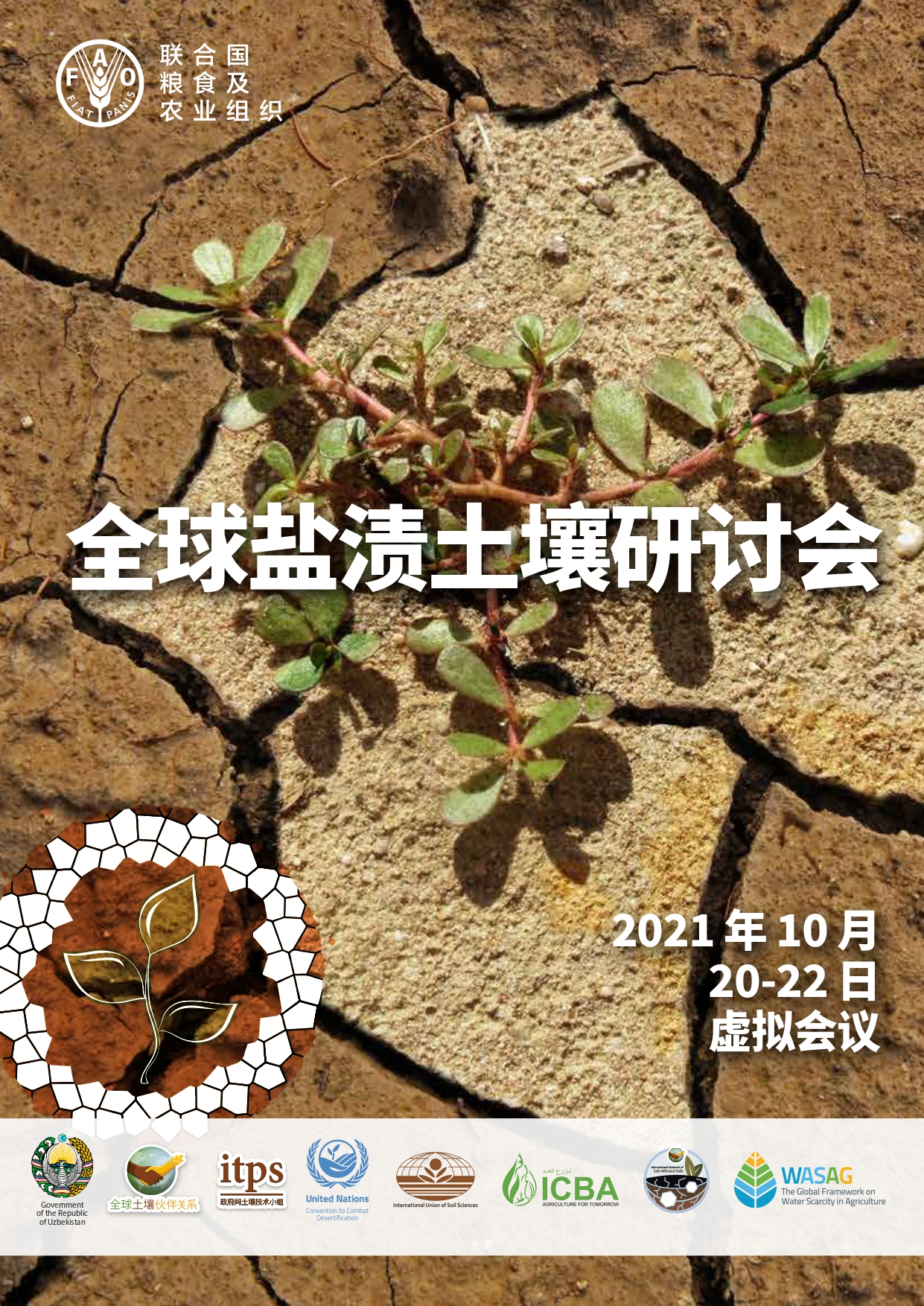
Note: During the COVID-19 pandemic, the Global Salized Soil Symposium (GSAS21) "Preventing soil salinization and Improving soil productivity" was held in a virtual form from 20 to 22 October 2021.

 浙公网安备 33010602011771号