
智能仓库软件系统设计
运行环境及技术选型
运行环境:
| 运行环境 | 版本 |
|---|---|
| 操作系统 | centos5.6 |
| JDK | JDK11 |
| 数据库 | mysql5.7 |
| 服务器 | tomcat9.0.33 |
技术选型:
- 后端采用Spring + Mybatis + SpringMVC, 用Maven管理项目依赖。
- 前端采用React + redux ,用npm管理项目依赖。
软件架构
本项目采用前后点分离的开发方式,大致流程如下:
- 首先前后端开发人员一起确定接口api。
- 前后端开发人员根据接口api各自按照api进行同步开发。
- 双方协助调试和修正接口出现的故障。
后端采用MVC分层结构,前端采用MVVM结构。
MVC
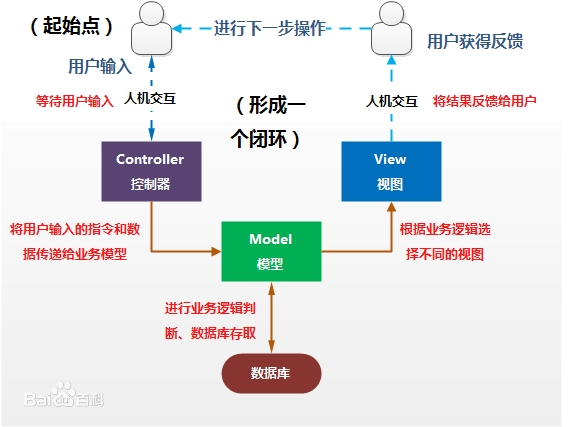
- 模型:用来封装核心数据和功能。它独立于特定的输出表示和输入行为,是执行某些任务的代码,至于这些任务以什么形式显示给用户。并不是模型所关注的问题。
- 视图:用来向用户显示信息,它获取来自模型的数据,决定模型以什么样的方式展示给用户。由于采用前后端分离,视图采用 RESTFUL 架构的JSON类型。
- 控制器:通过控制器来操纵模型,从而向模型传递数据,改变模型的状态,并最后导致视图的更新
MVVM
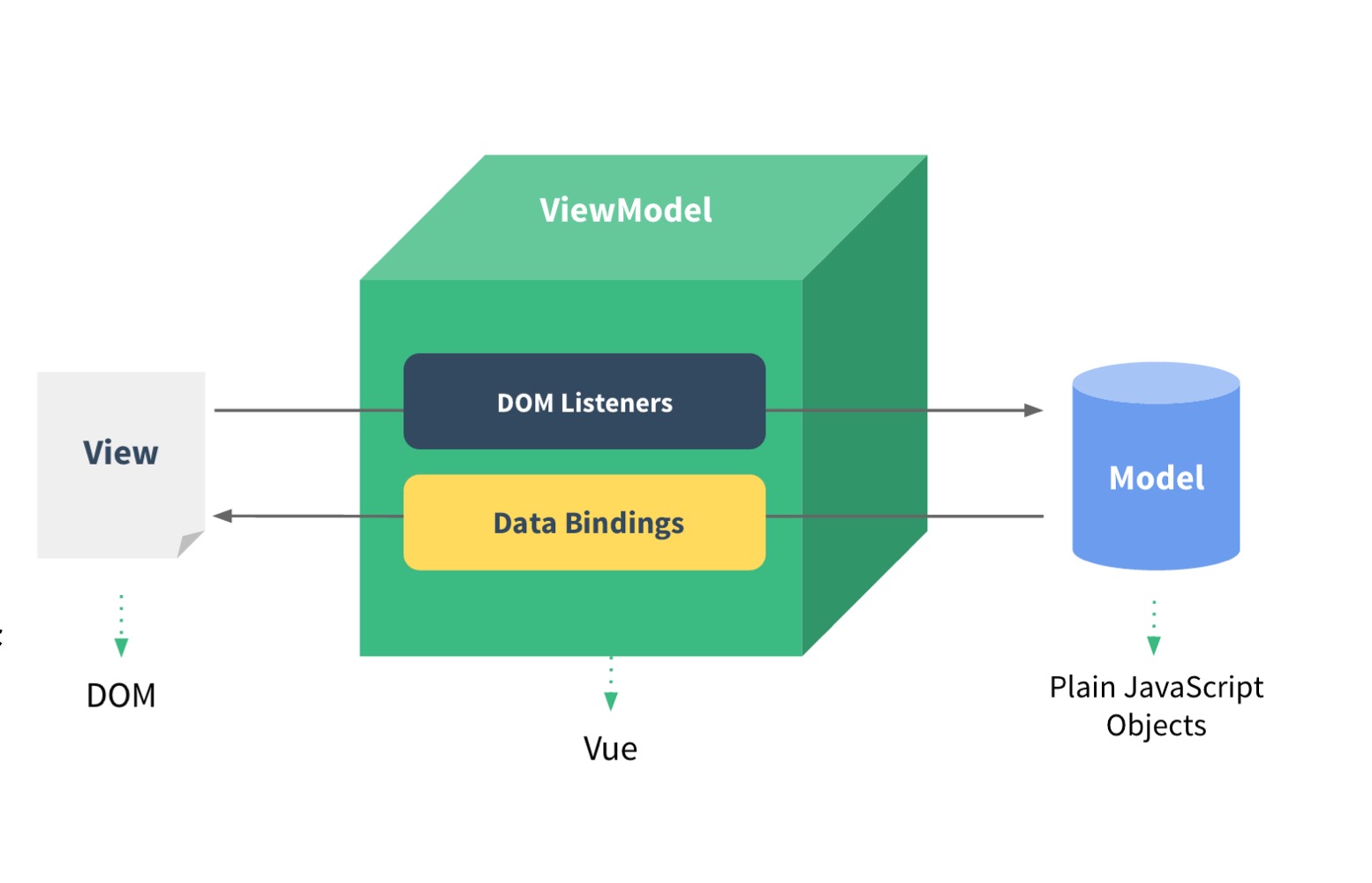
在前端页面上,把Model 用纯JavaScript对象表示,View 负责显示,用ViewModel把View和Model关联起来。ViewModel负责把Model的数据同步到View显示出来,还负责把View的修改同步到Model.
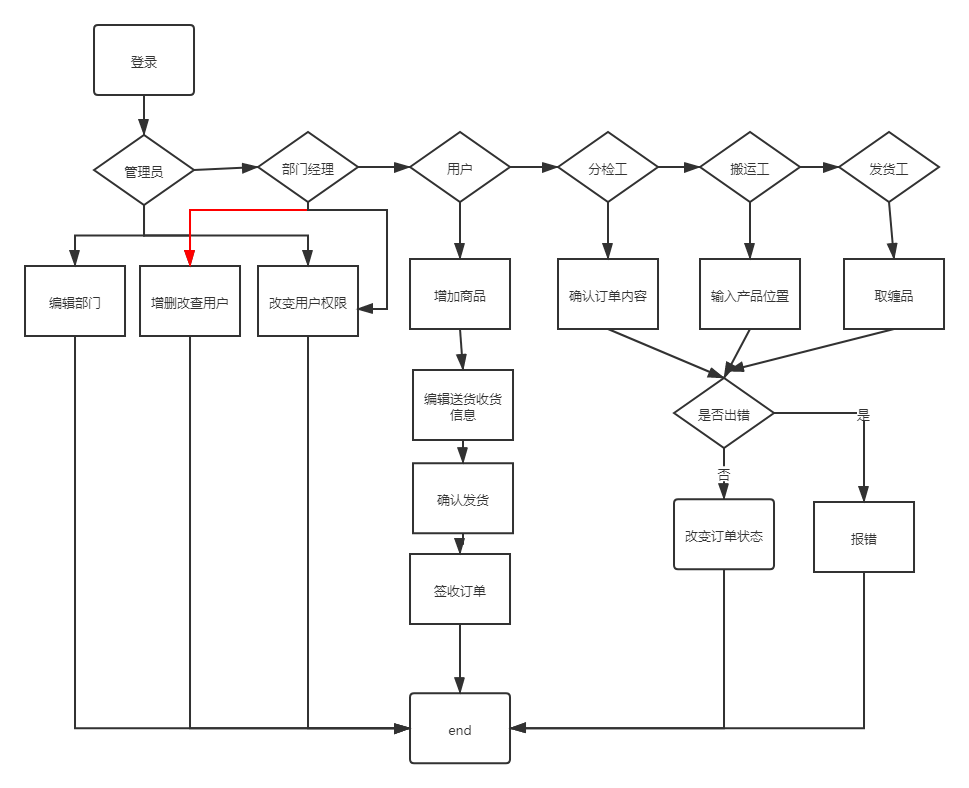
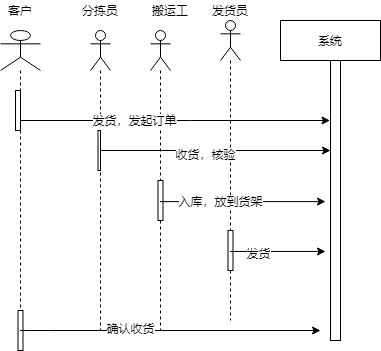
流程图和时序图
在上次的作业中,我们通过需求分析做出了流程图和时序图:
api
/user/login
request:
    String username,
    String password
response:
    success
     {
        "status": 0,
        "data": {
            "id": 12,
            "username": "aaa",
            "role": 0,
        }
    }
fail:
    {
        "status": 1,
        "msg": "密码错误"
    }
/user/edit
request:
    String username,
    String password,
    int role,
response:
    success
     {
        "status": 0,
        "data": {
            "id": 12,
            "username": "aaa",
            "role": 0,
            }
    }
fail:
    {
        "status": 1,
        "msg": ""
    }
/user/list
显示所有用户
response:
success:
     {
        "status": 0,
        "data": [{
            "id": 12,
            "username": "aaa",
            "role": 0,
            },]
    }
fail:
    {
        "status": 1,
        "msg": ""
    }
/user/chmod
改变用户权限
response:
success
     {
        "status": 0,
        "data": [{
            "id": 12,
            "username": "aaa",
            "role": 0,
            },]
    }
fail:
    {
        "status": 1,
        "msg": ""
    }
/department/edit
request:
int id
response:
    success
     {
        "status": 0,
        "data": {
            "id": 12,
            "name": "业务部",
            "desc": "",
            }
    }
fail:
    {
        "status": 1,
        "msg": ""
    }
/department/list
显示所有部门
response:
success:
     {
        "status": 0,
        "data": [{
            "id": 12,
            "name": "业务部",
            "desc": "",
            },]
    }
fail:
    {
        "status": 1,
        "msg": ""
    }
/good/addGood
添加产品信息
request:
   String name
   int quantity
   String detail,
response:
success:
     {
        "status": 0,
        "data": {
            "id": 12,
            "name": "",
            "quantity": 20,
            "detail":""
            status:"未发货"
            }
    }
fail:
    {
        "status": 1,
        "msg": ""
    }
/good/changeStatus
改变产品状态(未发货、发货中、已收货等)
request:
   int id,
   int status
response:
success:
     {
        "status": 0,
        "data": {
            "id": 12,
            "name": "",
            "quantity": 20,
            "detail":""
            status:"未发货"
            }
    }
fail:
    {
        "status": 1,
        "msg": ""
    }
/good/editGood
添加产品信息
request:
   int id
   String name
   int quantity
   String detail
response:
success:
     {
        "status": 0,
        "data": {
            "id": 12,
            "name": "",
            "quantity": 20,
            "detail":""
            status:"未发货"
            }
    }
fail:
    {
        "status": 1,
        "msg": ""
    }
/good/list
显示订单可选的所有产品
response:
success:
     {
        "status": 0,
        "data": [{
            "id": 12,
            "name": "",
            "quantity": 20,
            "detail":""
            status:"未发货"
            },]
    }
fail:
    {
        "status": 1,
        "msg": ""
    }
/cart/addGood
将产品放到货架上.
request
int cartId
int row
int col
int productId
response
success:
     {
        "status": 0,
        msg: "添加成功"
    }
fail:
    {
        "status": 1,
        "msg": "已被放置"
    }
/cart/removeGood
将产品从货架拿走.
request
int cartId
int row
int col
int productId
response
success:
     {
        "status": 0,
        msg: "移除成功"
    }
fail:
    {
        "status": 1,
        "msg": "失败"
    }
/cart/list
显示货架上各个位置的产品
response
success:
     {
        "status": 0,
        msg:[
         {
         "id": 2,
          products:[[200, 100, -1], [20, 18, 7]] //-1表示无产品
         }
       ]
    }
fail:
    {
        "status": 1,
        "msg": "失败"
    }
/log/add
添加错误日志
request
int type
string message
int handlerId
response
success:
     {
        "status": 0,
        msg:
         {
         "id": 2,
          type:2,
          string:"损坏",
          handlerId: 2
         }
       ]
    }
fail:
    {
        "status": 1,
        "msg": "失败"
    }
/log/get
获取错误日志
request
int id
response
success:
     {
        "status": 0,
        msg:
         {
         "id": 2,
          type:2,
          string:"损坏",
          handlerId: 2
         }
       ]
    }
fail:
    {
        "status": 1,
        "msg": "失败"
    }
/log/add
获取所有错误日志
response
success:
     {
        "status": 0,
        msg:
         [{
         "id": 2,
          type:2,
          string:"损坏",
          handlerId: 2
         }]
       ]
    }
fail:
    {
        "status": 1,
        "msg": "失败"
    }
数据库
user
| id | username | password | role |
|---|---|---|---|
department
| id | name | desc |
|---|---|---|
user_department
| id | departmentId | userId |
|---|---|---|
product
| id | name | quantity | detail | status | position |
|---|---|---|---|---|---|
shipping订单
| id | userId | productId | status | handler |
|---|---|---|---|---|
cart货架
| id | row | col |
|---|---|---|
error_info
| id | type | message | handler |
|---|---|---|---|
项目目录
后端
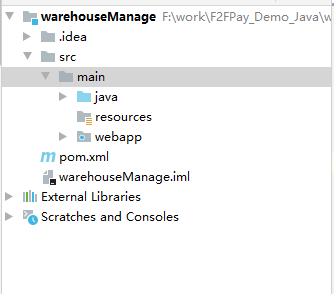
entity里面是实体类,dao层负责数据库交互,service层负责具体的功能逻辑,controller层负责与用户进行交互。
前端
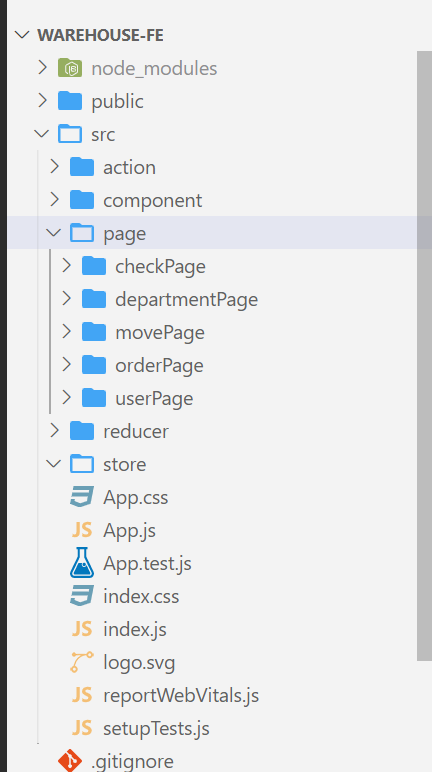
page中存放的是各个页面, component存放公共组件,store、reducer和action目录负责redux的功能来管理数据。

 浙公网安备 33010602011771号