


Servlet第六篇【Session】
Session的基本使用
    @Override
    protected void doPost(HttpServletRequest req, HttpServletResponse resp) throws ServletException, IOException {
        HttpSession session = req.getSession();
        session.setAttribute("name","zhangsan");
    }
    @Override
    protected void doPost(HttpServletRequest req, HttpServletResponse resp) throws ServletException, IOException {
        Object name = req.getSession().getAttribute("name");
        resp.getWriter().write("session:"+(String)name);
    }
Session常用方法
一个用户一个Session对象
resq.getSession():如果对应的用户没有Session则会创建一个Session,如果有,则获取Session
resq.getSession(false):获取Session,如果没有Session,会报错
session.invalidate(): 使Session无效
session.setMaxInactiveInterval(10) 设置session有效期10秒
Session的过期时间
- config/web.xml,设置所有web应用的session过期时间
    <!--设置过期时间为10分钟-->
    <session-config>
        <session-timeout>10</session-timeoout>
    </session-config>
- WEB-INF/web.xml,设置单个web应用的session过期时间,优先级高于config/web.xml,默认为30分钟过期
    <session-config>
        <session-timeout>10</session-timeoout>
    </session-config>
- setMaxInactiveInterval()方法
    //设置session有效期10秒
    ttpSession session = req.getSession();
    session.setMaxInactiveInterval(10)
JSESSIONID
-
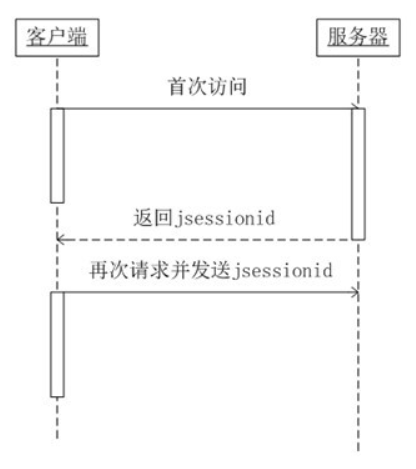
第一次访问服务器且创建Session则会响应一个JSESSIONID的Cookie(临时的Cookie,不会存储到磁盘)
-
之后请求会带着这个Cookie(服务器不在响应JSESSIONID)
禁用Cookie如何获取JSESSIONID?
    @Override
    protected void doPost(HttpServletRequest req, HttpServletResponse resp) throws ServletException, IOException {
        HttpSession session = req.getSession();
        session.setAttribute("name","zhangsan");
        resp.sendRedirect(resp.encodeURL("/b"));
        //resp.sendRedirect(resp.encodeRedirectURL("/b"));
    }
URL地址重写原理:服务器转发时将JSESSIONID放在地址栏中

 浙公网安备 33010602011771号