
多线程的创建
方式一:
1.创建一个继承Thread类的子类
2.重写Thread类的run()
3.创建Thread类的子类的对象
4.通过此对象调用start()
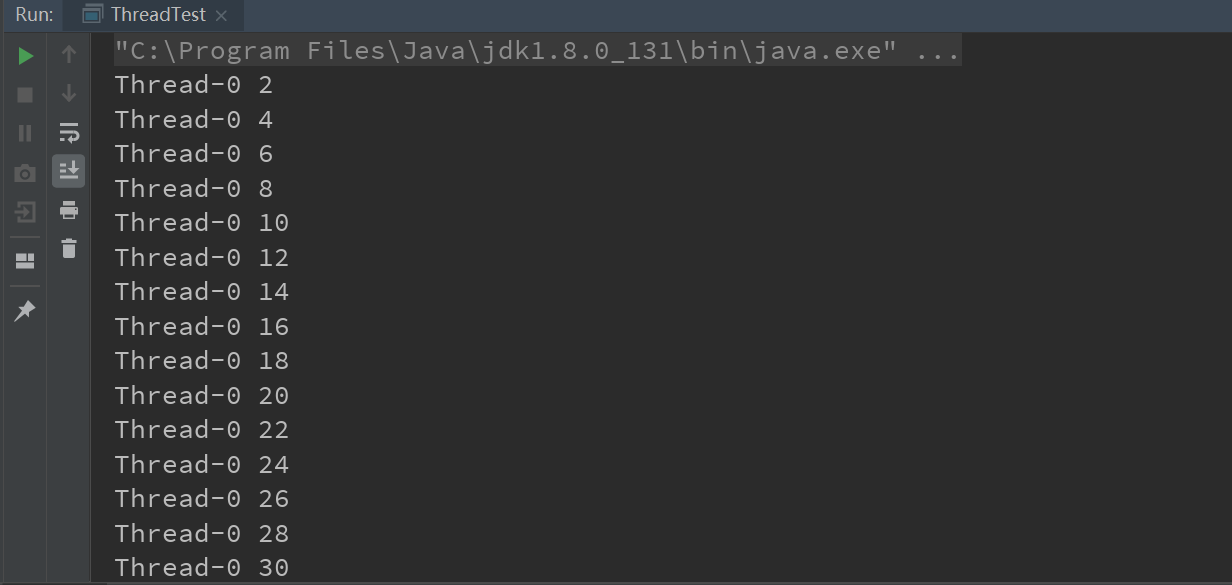
public class ThreadTest {

    public static void main(String[] args) {
        MyThread t1 = new MyThread();
        t1.start();
    }
}

class MyThread extends Thread{
    @Override
    public void run() {
        for (int i = 1; i < 100; i++) {
            if(i%2==0){
                System.out.println(Thread.currentThread().getName()+" "+i);
            }
        }
    }
}
方式二:
1.创建一个实现了Runnable接口的类
2.实现类去实现Runnable抽象方法:run()
3,创建实现类的对象
4.将此对象作为参数传递到Thread类的构造器中,创建Thread类的对象
5.通过Thread类的对象调用start()
public class Window implements Runnable {
    private int ticket = 100;

    @Override
    public void run() {
        while (true) {
            if (ticket > 0) {
                try {
                    Thread.sleep(100);
                } catch (InterruptedException e) {
                    e.printStackTrace();
                }
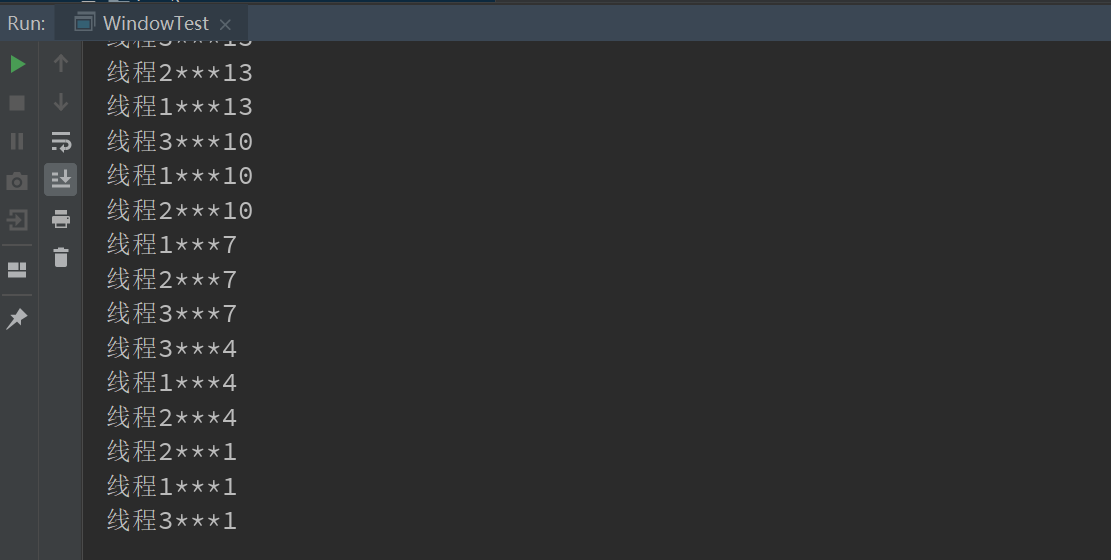
                System.out.println(Thread.currentThread().getName() + "***" + ticket);
                ticket--;
            } else {
                break;
            }
        }
    }
}

class WindowTest {
    public static void main(String[] args) {
        Window w = new Window();
        Thread t1 = new Thread(w);
        Thread t2 = new Thread(w);
        Thread t3 = new Thread(w);

        t1.setName("线程1");
        t2.setName("线程2");
        t3.setName("线程3");

        t1.start();
        t2.start();
        t3.start();
    }
}
方式三:实现Callable接口
1.创建一个实现Callable接口的实现类
2.实现call方法,将此线程需要执行的操作声明在call()中。
3.创建Callable接口实现类的对象
4.将此Callable接口实现类的对象作为参数传递到FutureTask构造器中,创建FutureTask的对象
5.将FutureTask的对象作为参数传递到Thread类的构造器中,创建Thread对象,并调用start()
6.获取Callable中call()方法返回值
public class CallableTest {
    public static void main(String[] args) {
        NumThread numThread = new NumThread();
        FutureTask futureTask = new FutureTask(numThread);
        Thread t1 = new Thread(futureTask);
        t1.start();

        try {
            //get()返回值即为FutureTask构造器参数Callable实现类重写的call()的返回值
            Object sum = futureTask.get();
            System.out.println(sum);
        } catch (InterruptedException e) {
            e.printStackTrace();
        } catch (ExecutionException e) {
            e.printStackTrace();
        }
    }
}

class NumThread implements Callable{

    @Override
    public Object call() throws Exception {
        int sum = 0;
        for (int i = 1; i <= 100; i++) {
            sum += i;
        }
        return sum;
    }
}
使用泛型
public class CallableTest {
    public static void main(String[] args) {
        NumThread numThread = new NumThread();
        FutureTask<Integer> futureTask = new FutureTask<>(numThread);
        Thread t1 = new Thread(futureTask);
        t1.start();

        try {
            //get()返回值即为FutureTask构造器参数Callable实现类重写的call()的返回值
            Integer sum = futureTask.get();
            System.out.println(sum);
        } catch (InterruptedException e) {
            e.printStackTrace();
        } catch (ExecutionException e) {
            e.printStackTrace();
        }

    }


}

class NumThread implements Callable<Integer>{

    @Override
    public Integer call() throws Exception {
        int sum = 0;
        for (int i = 1; i <= 100; i++) {
            sum += i;
        }
        return sum;
    }
}
方式四:线程池
 1 public class ThreadPool {
 2     public static void main(String[] args) {
 3      //1.提供指定线程数量的线程池
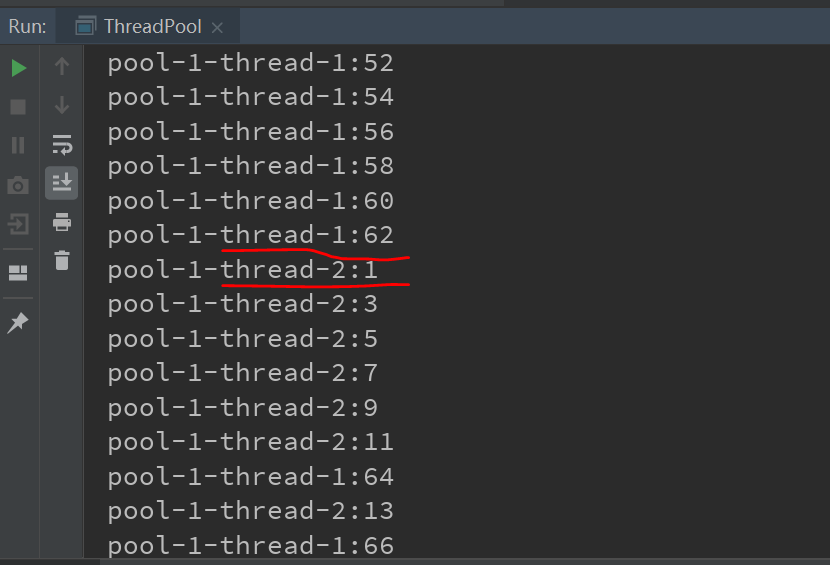
 4         ExecutorService executorService = Executors.newFixedThreadPool(10);
 5      //2.执行指定的线程的操作,需要提供实现Runnable接口或Callable接口实现类的对象
 6         executorService.execute(new NumberThread());//适用于Runnable
 7         executorService.execute(new NumberThread2());//适用于Runnable
 8         //executorService.submit(Callable callable);//适用于Callable
 9         //关闭连接池
10         executorService.shutdown();
11     }
12 }
13
14 class NumberThread implements Runnable{
15
16     @Override
17     public void run() {
18         for (int i = 0; i < 100; i++) {
19             if(i%2==0){
20                 System.out.println(Thread.currentThread().getName()+":"+i);
21             }
22         }
23     }
24 }
25
26 class NumberThread2 implements Runnable{
27
28     @Override
29     public void run() {
30         for (int i = 0; i < 100; i++) {
31             if(i%2!=0){
32                 System.out.println(Thread.currentThread().getName()+":"+i);
33             }
34         }
35     }
36 }

 浙公网安备 33010602011771号