

详细介绍:【 苍穹外卖day6 | 微信小程序 】
前言:此节内容本人首次写代码时踩坑非常之多,有很多问题我会详细列出解决方案哟(●'◡'●)


摘要
本文围绕 HttpClient 和微信小程序登录功能展开,介绍了 HttpClient 的基本信息、核心 API 及 GET、POST 请求的入门案例,还详细阐述了微信小程序开发的准备工作、微信登录流程、需求分析与设计,以及完整的代码开发过程,包括配置定义、各层代码实现和拦截器编写等,最终实现了微信小程序的登录功能。
思维导图
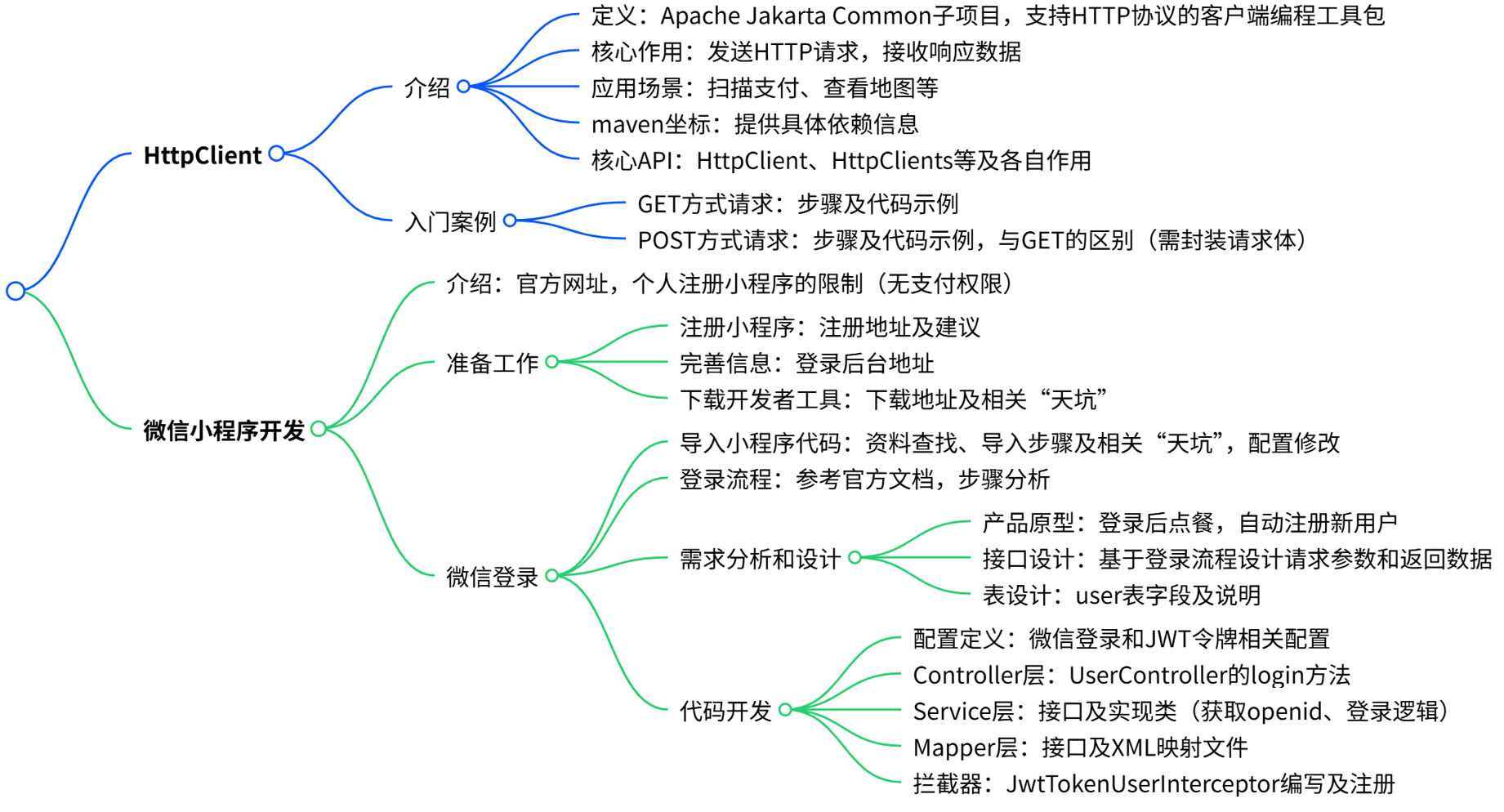
接下来就是本节的具体实现内容
1. HttpClient
1.1 介绍
HttpClient 是Apache Jakarta Common 下的子项目,可以用来提供高效的、最新的、功能丰富的支持 HTTP 协议的客户端编程工具包,并且它支持 HTTP 协议最新的版本和建议。

HttpClient作用:(核心)
发送HTTP请求
接收响应数据
HttpClient应用场景:
当我们在使用扫描支付、查看地图、获取验证码、查看天气等功能时
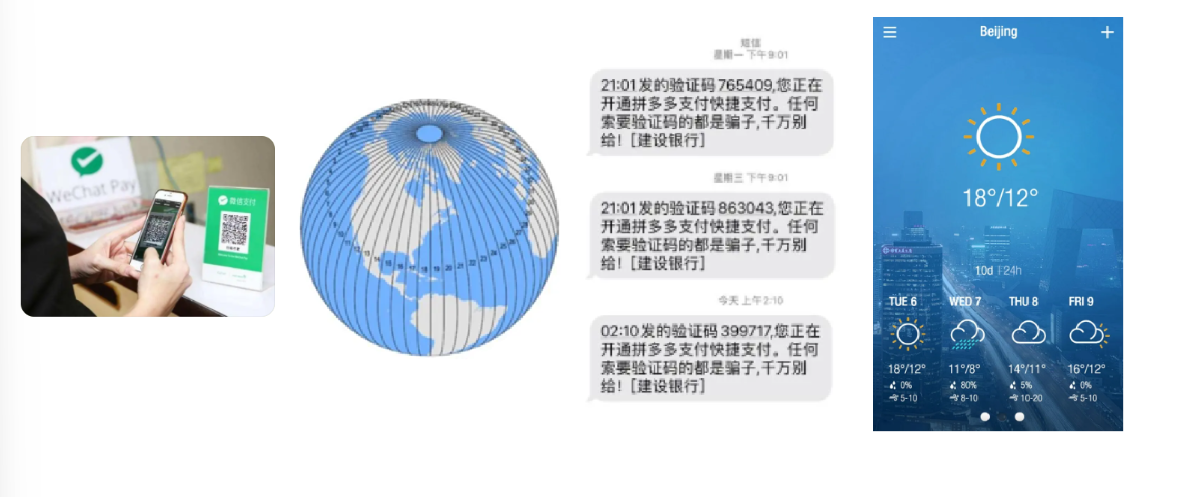
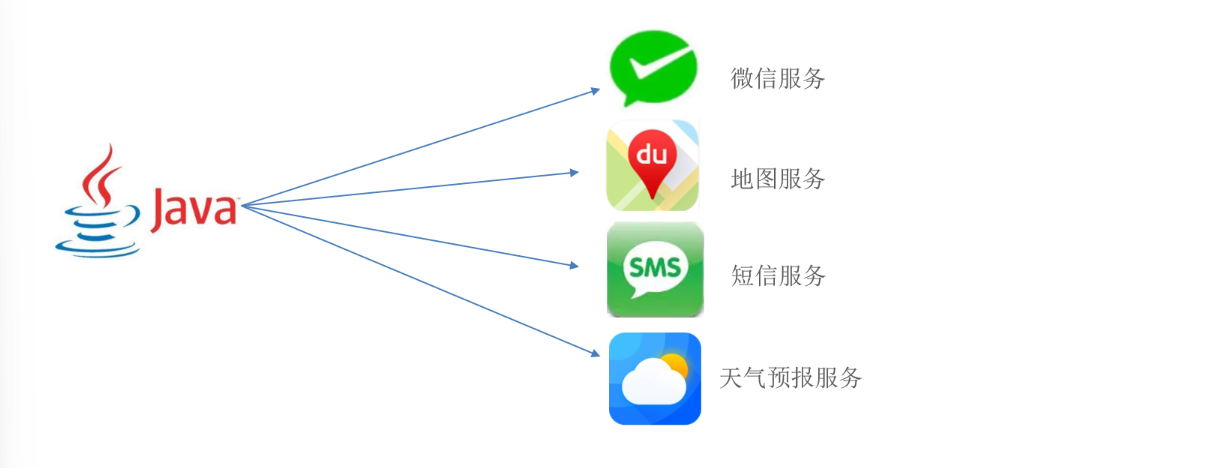
其实,应用程序本身并未实现这些功能,都是在应用程序里访问提供这些功能的服务,访问这些服务需要发送HTTP请求,并且接收响应数据,可通过HttpClient来实现。
HttpClient的maven坐标:
    org.apache.httpcomponents
    httpclient
    4.5.13
HttpClient的核心API:
| 核心API | 作用 |
| HttpClient | Http客户端对象类型,使用该类型对象可发起Http请求 |
| HttpClients | 可认为是构建器,可创建HttpClient对象 |
| CloseableHttpClient | 实现类,实现了HttpClient接口 |
| HttpGet | Get方式请求类型 |
| HttpPost | Post方式请求类型 |
HttpClient发送请求步骤:
1.创建HttpClient对象
2.创建Http请求对象
3.调用HttpClient的execute方法发送请求
1.2 入门案例
能理解并简单实用即可
1.2.1 GET方式请求
实现步骤:
创建HttpClient对象
创建请求对象
发送请求,接受响应结果
解析结果
关闭资源
package com.sky.test;
import org.apache.http.HttpEntity;
import org.apache.http.client.methods.CloseableHttpResponse;
import org.apache.http.client.methods.HttpGet;
import org.apache.http.impl.client.CloseableHttpClient;
import org.apache.http.impl.client.HttpClients;
import org.apache.http.util.EntityUtils;
import org.junit.jupiter.api.Test;
import org.springframework.boot.test.context.SpringBootTest;
@SpringBootTest
public class HttpClientTest {
    /**
     * 测试通过httpclient发送GET方式的请求
     */
    @Test
    public void testGET() throws Exception{
        //创建httpclient对象
        CloseableHttpClient httpClient = HttpClients.createDefault();
        //创建请求对象
        HttpGet httpGet = new HttpGet("http://localhost:8080/user/shop/status");
        //发送请求,接受响应结果
        CloseableHttpResponse response = httpClient.execute(httpGet);
        //获取服务端返回的状态码
        int statusCode = response.getStatusLine().getStatusCode();
        System.out.println("服务端返回的状态码为:" + statusCode);
        HttpEntity entity = response.getEntity();
        String body = EntityUtils.toString(entity);
        System.out.println("服务端返回的数据为:" + body);
        //关闭资源
        response.close();
        httpClient.close();
    }
}
1.2.2 POST方式请求
相比GET请求来说,POST请求若携带参数需要封装请求体对象,并将该对象设置在请求对象中。
实现步骤:
创建HttpClient对象
创建请求对象
发送请求,接收响应结果
解析响应结果
关闭资源
	/**
     * 测试通过httpclient发送POST方式的请求
     */
    @Test
    public void testPOST() throws Exception{
        // 创建httpclient对象
        CloseableHttpClient httpClient = HttpClients.createDefault();
        //创建请求对象
        HttpPost httpPost = new HttpPost("http://localhost:8080/admin/employee/login");
        JSONObject jsonObject = new JSONObject();
        jsonObject.put("username","admin");
        jsonObject.put("password","123456");
        StringEntity entity = new StringEntity(jsonObject.toString());
        //指定请求编码方式
        entity.setContentEncoding("utf-8");
        //数据格式
        entity.setContentType("application/json");
        httpPost.setEntity(entity);
        //发送请求
        CloseableHttpResponse response = httpClient.execute(httpPost);
        //解析返回结果
        int statusCode = response.getStatusLine().getStatusCode();
        System.out.println("响应码为:" + statusCode);
        HttpEntity entity1 = response.getEntity();
        String body = EntityUtils.toString(entity1);
        System.out.println("响应数据为:" + body);
        //关闭资源
        response.close();
        httpClient.close();
    }
2. 微信小程序开发
2.1 介绍
官方网址:微信小程序
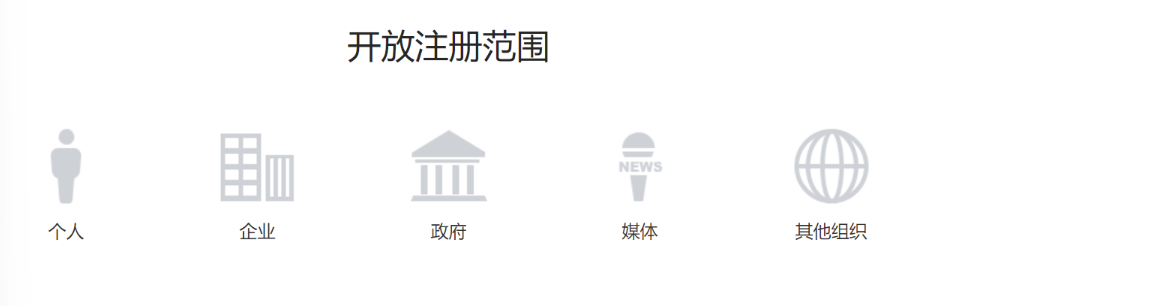
在这个项目中,我们可以以个人的身份来注册一个小程序,但是以个人身份来注册小程序,是无法开通支付权限的。(后续会解决此问题)
2.2 准备工作
开发微信小程序之前需要做如下准备工作:
注册小程序
完善小程序信息
下载开发者工具
1). 注册小程序
注册地址:小程序
本人已注册,以下是一些快捷网址与注意点,故而此处建议在B站看视频注册哦
2). 完善小程序信息
登录小程序后台:微信公众平台
3). 下载开发者工具
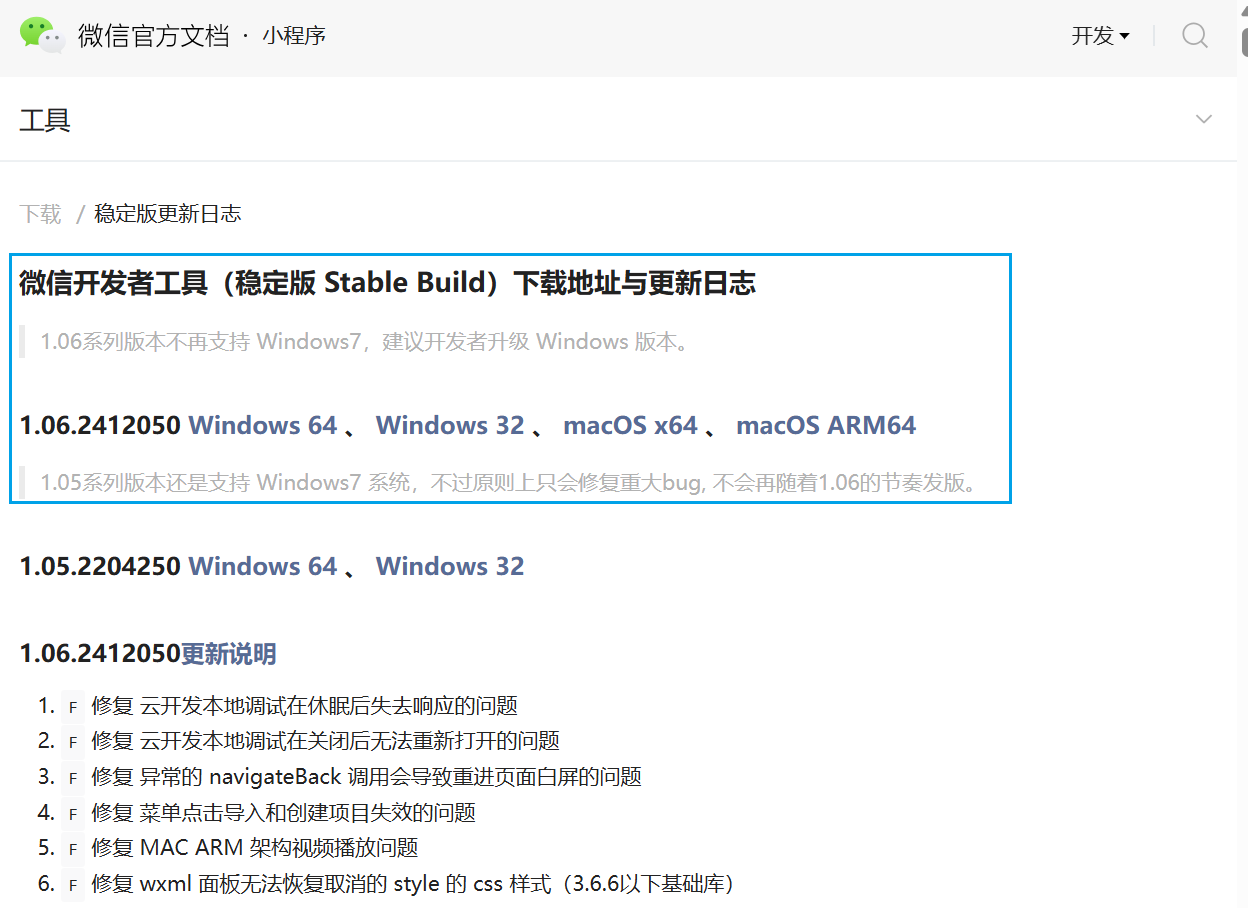
下载地址: 微信开发者工具(稳定版 Stable Build)下载地址与更新日志 | 微信开放文档
天坑一:(下载开发工具)
此处老师提供的安装包有bug,一定不要使用,应该在官网下载稳定版的开发者工具
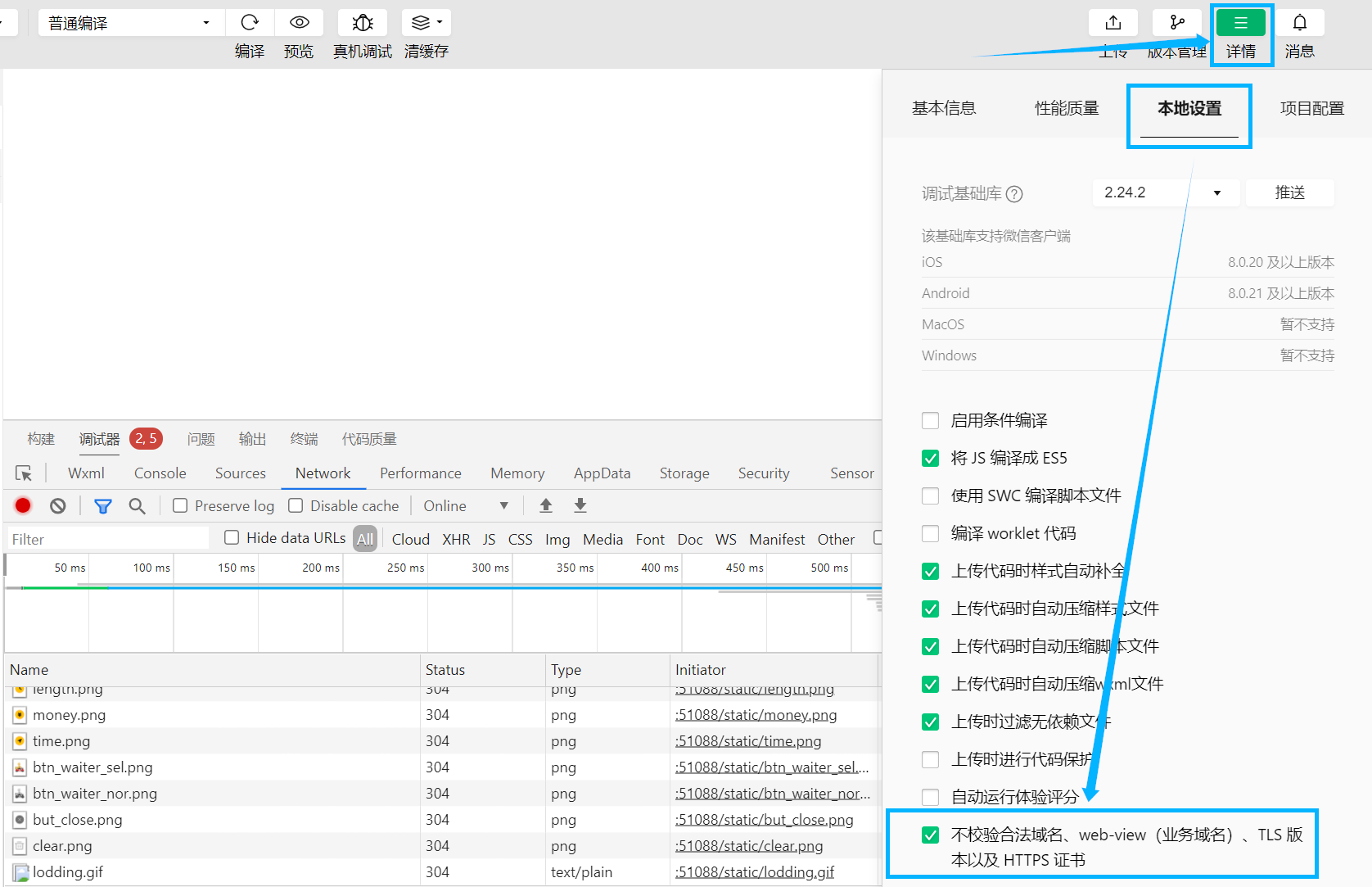
天坑二:(发送请求)
一定要勾选该勾选框!!!
注:开发阶段,小程序发出请求到后端的Tomcat服务器,若不勾选,请求发送失败。
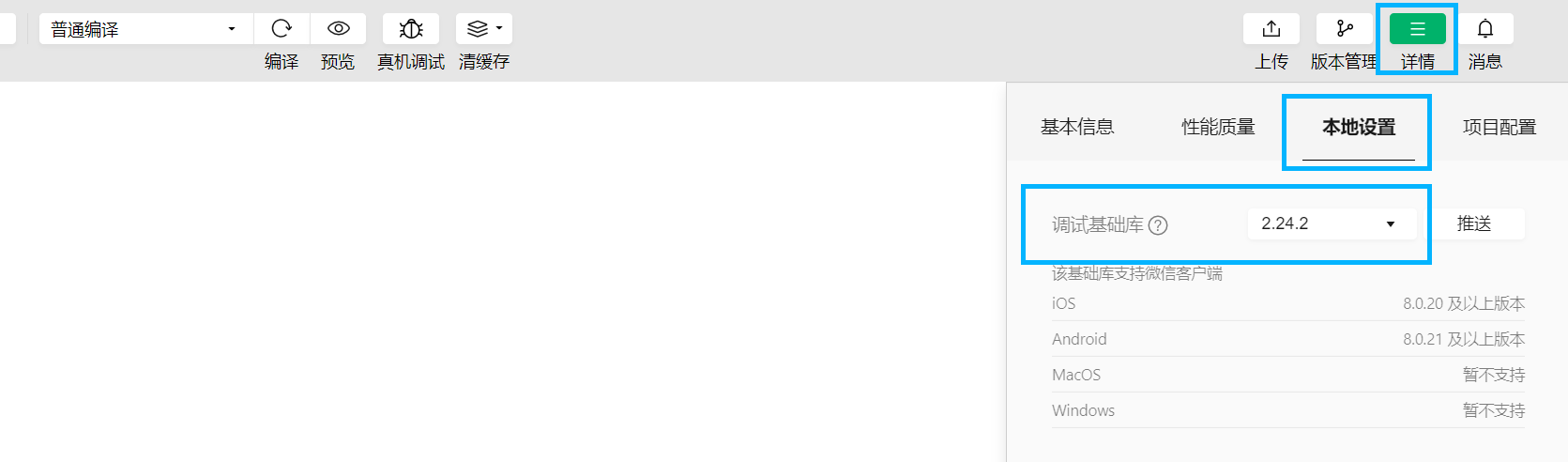
天坑三:(基础库版本选择)
调试基础库为较低的版本,本人实测,建议使用2.24.2
3. 微信登录
详细讲解
3.1 导入小程序代码
开发微信小程序,本质上是属于前端的开发,我们的重点其实还是后端代码开发。所以,小程序的代码已经提供好了,直接导入到微信开发者工具当中,直接来使用就可以了。
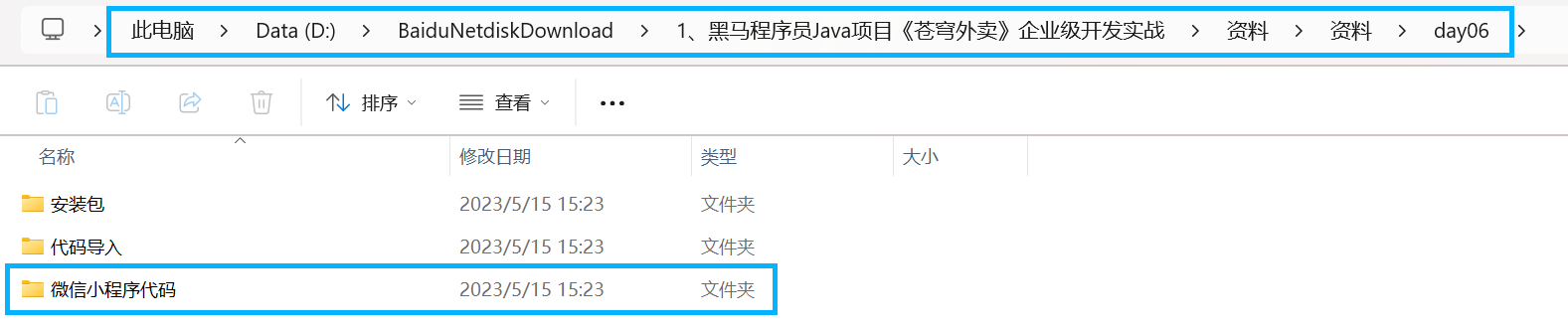
1). 找到资料
天坑四:
微信小程序代码一定要从当天资料文件夹中获取,而不是外面的小程序代码
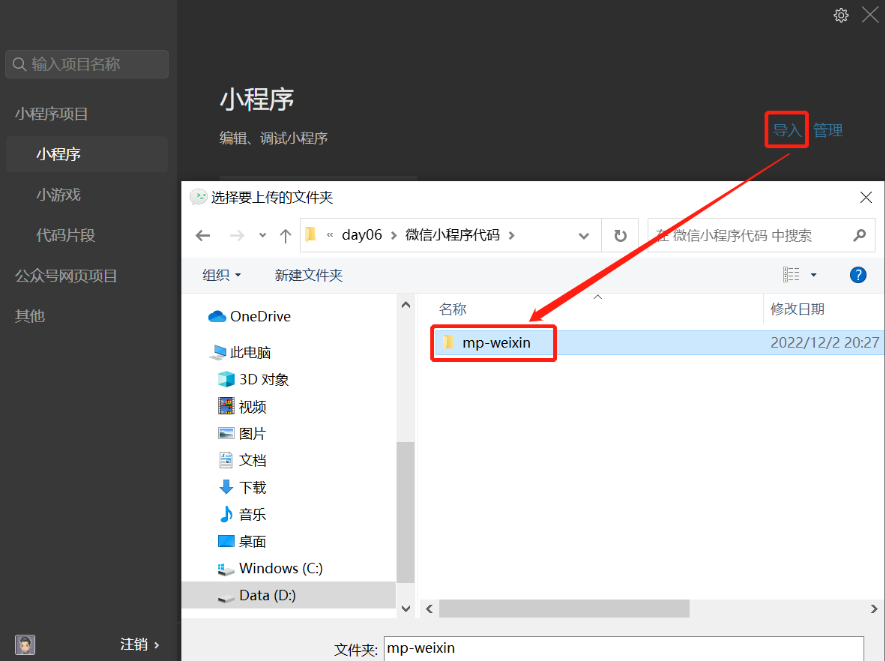
2). 导入代码
天坑五:(没有json数据)
解压后,会新增一层文件夹,注意导入时的文件夹层级是否与老师的一致
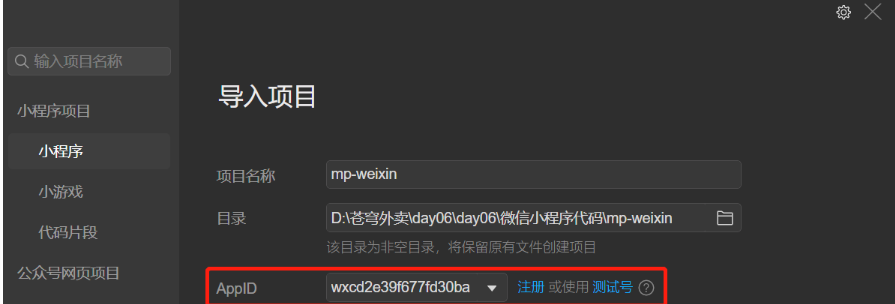
天坑六:(APPID)
在导入时可能会自动填充APPID,请将其修改为自己的APPID
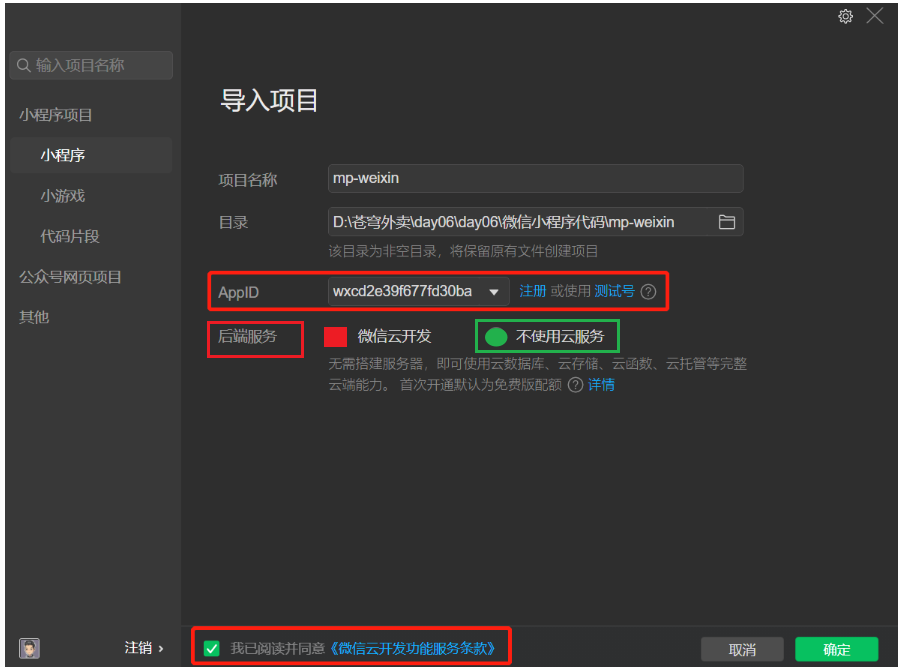
天坑七:(不使用云服务)
后端服务改为不使用云服务
4). 修改配置
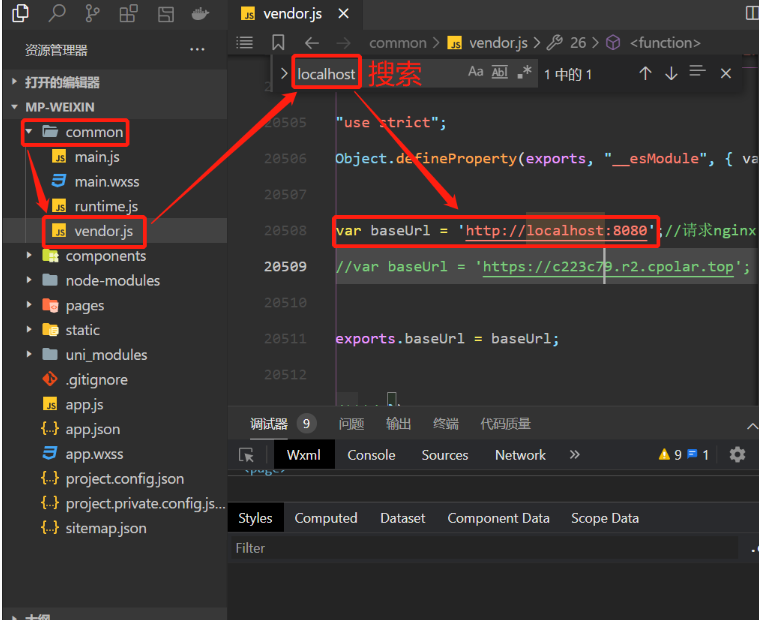
天坑八:(修改配置)
修改为自己后端服务的ip地址和端口号(默认不需要修改)
common-->vendor.js-->搜索(ctrl+f)-->localhost
3.2 微信登录流程
微信登录:小程序登录 | 微信开放文档
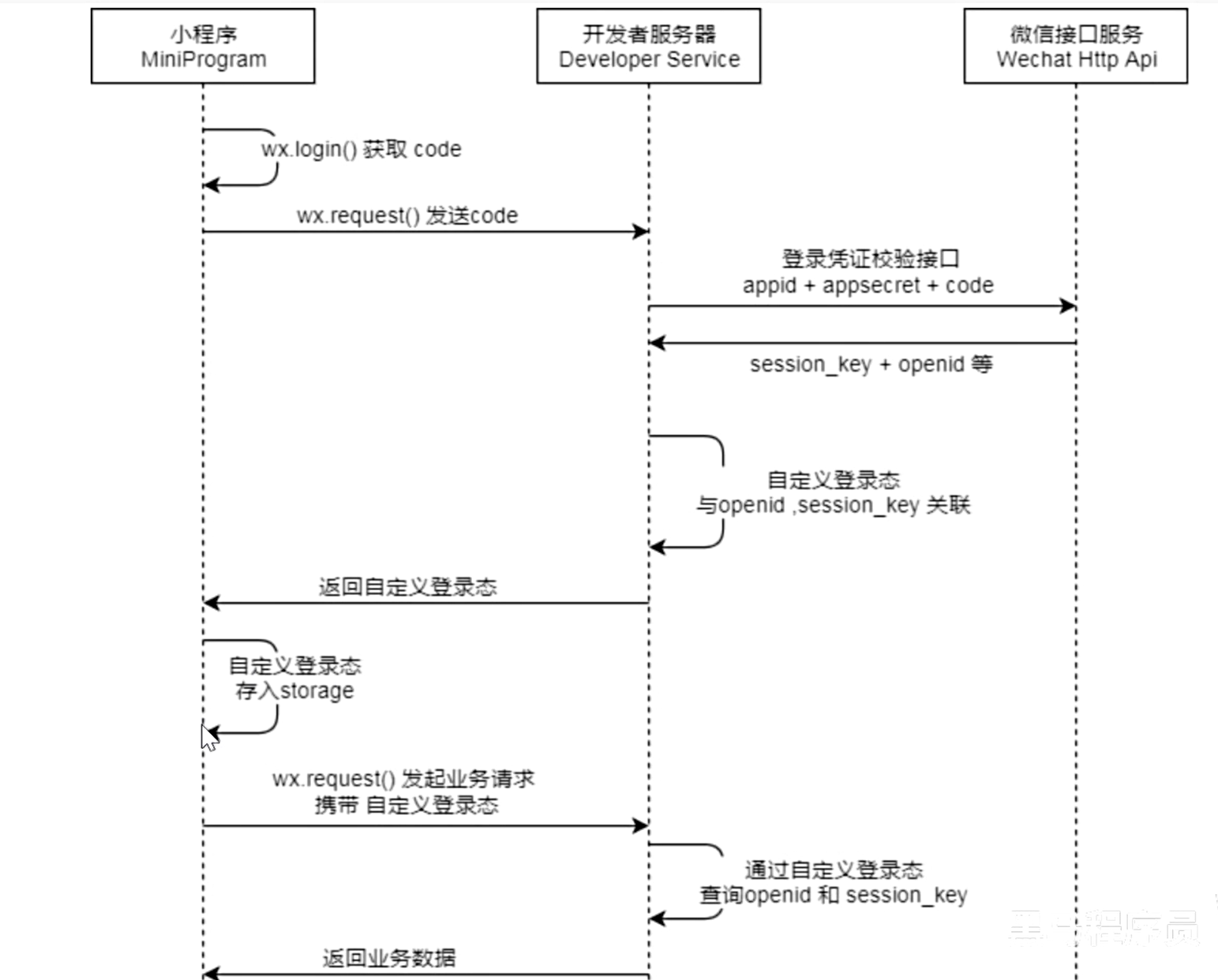
步骤分析:
小程序端,调用wx.login()获取code,就是授权码。
小程序端,调用wx.request()发送请求并携带code,请求开发者服务器。
开发者服务端,通过HttpClient向微信接口服务发送请求,并携带对应参数。
开发者服务端,接收微信接口服务返回的数据。opendId是微信用户的唯一标识。
开发者服务端,自定义登录态,生成令牌(token)和openid等数据返回给小程序端。
小程序端,收到自定义登录态,存储storage。
小程序端,后绪通过wx.request()发起业务请求时,携带token。
开发者服务端,收到请求后,通过携带的token,解析当前登录用户的id。
开发者服务端,身份校验通过后,继续相关的业务逻辑处理,最终返回业务数据。
3.3 需求分析和设计
3.3.1 产品原型
用户进入到小程序的时候,微信授权登录之后才能点餐。
需要获取当前微信用户的相关信息,这样才能够进入到小程序进行下单操作。
是基于微信登录来实现小程序的登录功能,没有采用传统账户密码登录的方式。
若第一次使用小程序来点餐,为新用户,需把这个新的用户保存到数据库当中完成自动注册。
登录功能原型图:
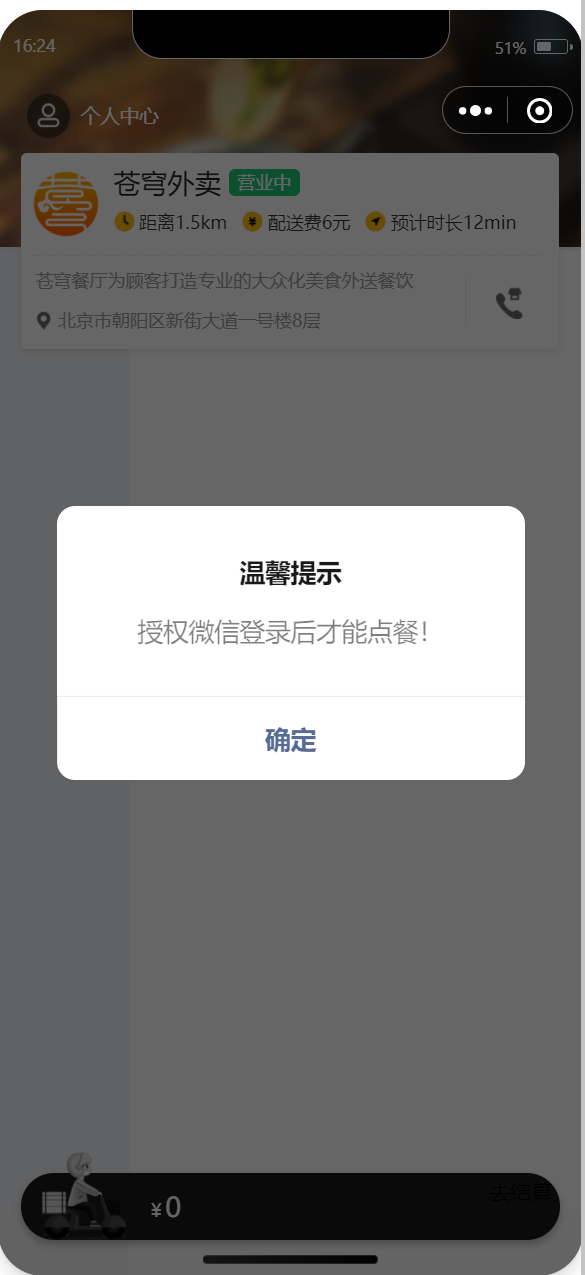
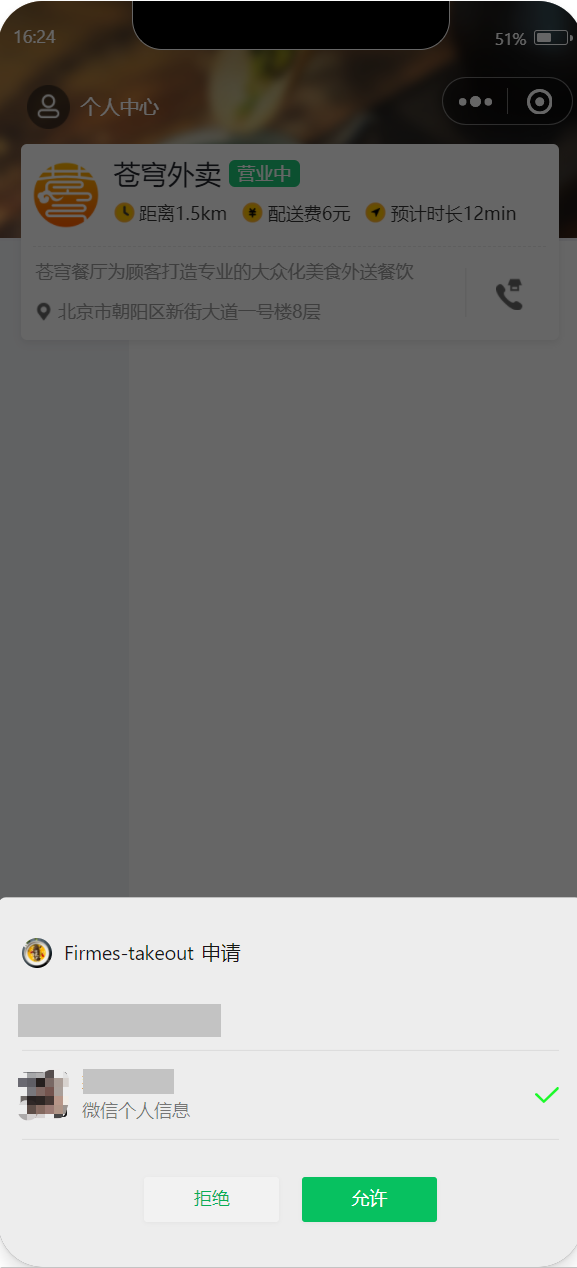
业务规则:
基于微信登录实现小程序的登录功能
如果是新用户需要自动完成注册
3.3.2 接口设计
通过微信登录的流程,如果要完成微信登录的话,最终就要获得微信用户的openid。在小程序端获取授权码后,向后端服务发送请求,并携带授权码,这样后端服务在收到授权码后,就可以去请求微信接口服务。最终,后端向小程序返回openid和token等数据。
基于上述的登录流程,就可以设计出该接口的请求参数和返回数据。
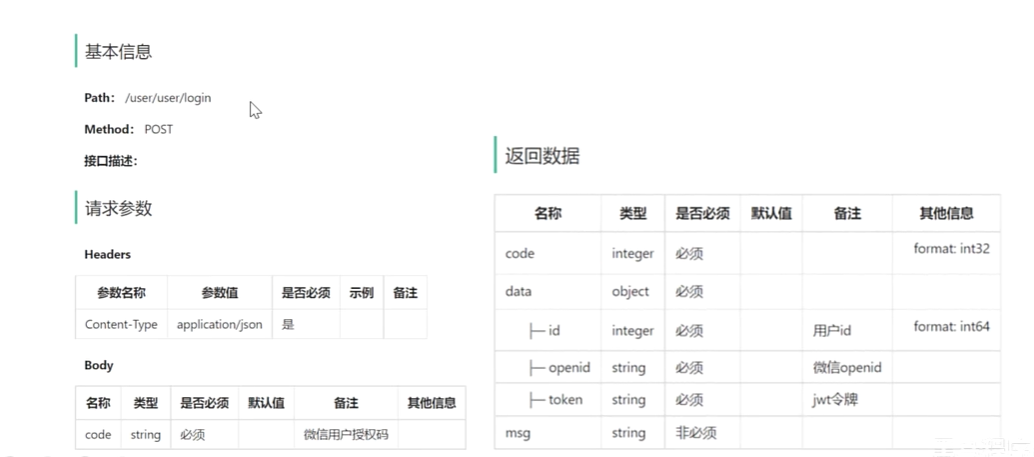
说明:请求路径/user/user/login,第一个user代表用户端,第二个user代表用户模块
3.3.3 表设计
当用户第一次使用小程序时,会完成自动注册,把用户信息存储到user表中。
| 字段名 | 数据类型 | 说明 | 备注 |
|---|---|---|---|
| id | bigint | 主键 | 自增 |
| openid | varchar(45) | 微信用户的唯一标识 | |
| name | varchar(32) | 用户姓名 | |
| phone | varchar(11) | 手机号 | |
| sex | varchar(2) | 性别 | |
| id_number | varchar(18) | 身份证号 | |
| avatar | varchar(500) | 微信用户头像路径 | |
| create_time | datetime | 注册时间 |
说明:手机号字段比较特殊,个人身份注册的小程序没有权限获取到微信用户的手机号。如果是以企业的资质 注册的小程序就能够拿到微信用户的手机号。
3.4 代码开发
3.4.1 定义相关配置
配置微信登录所需配置项:
application-dev.yml
sky:
  wechat:
    appid: 自己的
    secret: 自己的
application.yml
sky:
  wechat:
    appid: ${sky.wechat.appid}
    secret: ${sky.wechat.secret}
配置为微信用户生成jwt令牌时使用的配置项:
application.yml
sky:
  jwt:
    # 设置jwt签名加密时使用的秘钥
    admin-secret-key: itcast
    # 设置jwt过期时间(时间本人延长了)
    admin-ttl: 720000000
    # 设置前端传递过来的令牌名称
    admin-token-name: token
    user-secret-key: itheima
    user-ttl: 720000000
user-token-name: authentication天坑九:(user-token-name)
注意是authentication,不是authorization(idea自动填充的结果)
3.4.4 Controller层
根据接口定义创建UserController的login方法:
package com.sky.controller.user;
import com.sky.constant.JwtClaimsConstant;
import com.sky.dto.UserLoginDTO;
import com.sky.entity.User;
import com.sky.properties.JwtProperties;
import com.sky.result.Result;
import com.sky.service.UserService;
import com.sky.utils.JwtUtil;
import com.sky.vo.UserLoginVO;
import io.swagger.annotations.Api;
import io.swagger.annotations.ApiOperation;
import lombok.extern.slf4j.Slf4j;
import org.springframework.beans.factory.annotation.Autowired;
import org.springframework.web.bind.annotation.PostMapping;
import org.springframework.web.bind.annotation.RequestBody;
import org.springframework.web.bind.annotation.RequestMapping;
import org.springframework.web.bind.annotation.RestController;
import java.util.HashMap;
import java.util.Map;
@RestController
@RequestMapping("/user/user")
@Api(tags = "C端用户相关接口")
@Slf4j
public class UserController {
    @Autowired
    private UserService userService;
    @Autowired
    private JwtProperties jwtProperties;
    /**
     * 微信登录
     * @param userLoginDTO
     * @return
     */
    @PostMapping("/login")
    @ApiOperation("微信登录")
    public Result login(@RequestBody UserLoginDTO userLoginDTO){
        log.info("微信用户登录:{}",userLoginDTO.getCode());
        //微信登录
        User user = userService.wxLogin(userLoginDTO);//后绪步骤实现
        //为微信用户生成jwt令牌
        Map claims = new HashMap<>();
        claims.put(JwtClaimsConstant.USER_ID,user.getId());
        String token = JwtUtil.createJWT(jwtProperties.getUserSecretKey(), jwtProperties.getUserTtl(), claims);
        UserLoginVO userLoginVO = UserLoginVO.builder()
                .id(user.getId())
                .openid(user.getOpenid())
                .token(token)
                .build();
        return Result.success(userLoginVO);
    }
}
其中,JwtClaimsConstant.USER_ID常量已定义
3.4.5 Service层接口
创建UserService接口:
package com.sky.service;
import com.sky.dto.UserLoginDTO;
import com.sky.entity.User;
public interface UserService {
    /**
     * 微信登录
     * @param userLoginDTO
     * @return
     */
    User wxLogin(UserLoginDTO userLoginDTO);
}
3.4.6 Service层实现类
创建UserServiceImpl实现类:实现获取微信用户的openid和微信登录功能
package com.sky.service.impl;
import com.alibaba.fastjson.JSON;
import com.alibaba.fastjson.JSONObject;
import com.sky.constant.MessageConstant;
import com.sky.dto.UserLoginDTO;
import com.sky.entity.User;
import com.sky.exception.LoginFailedException;
import com.sky.mapper.UserMapper;
import com.sky.properties.WeChatProperties;
import com.sky.service.UserService;
import com.sky.utils.HttpClientUtil;
import lombok.extern.slf4j.Slf4j;
import org.springframework.beans.factory.annotation.Autowired;
import org.springframework.stereotype.Service;
import java.time.LocalDateTime;
import java.util.HashMap;
import java.util.Map;
@Service
@Slf4j
public class UserServiceImpl implements UserService {
    //微信服务接口地址
    public static final String WX_LOGIN = "https://api.weixin.qq.com/sns/jscode2session";
    @Autowired
    private WeChatProperties weChatProperties;
    @Autowired
    private UserMapper userMapper;
    /**
     * 微信登录
     * @param userLoginDTO
     * @return
     */
    public User wxLogin(UserLoginDTO userLoginDTO) {
        String openid = getOpenid(userLoginDTO.getCode());
        //判断openid是否为空,如果为空表示登录失败,抛出业务异常
        if(openid == null){
            throw new LoginFailedException(MessageConstant.LOGIN_FAILED);
        }
        //判断当前用户是否为新用户
        User user = userMapper.getByOpenid(openid);
        //如果是新用户,自动完成注册
        if(user == null){
            user = User.builder()
                    .openid(openid)
                    .createTime(LocalDateTime.now())
                    .build();
            userMapper.insert(user);//后绪步骤实现
        }
        //返回这个用户对象
        return user;
    }
    /**
     * 调用微信接口服务,获取微信用户的openid
     * @param code
     * @return
     */
    private String getOpenid(String code){
        //调用微信接口服务,获得当前微信用户的openid
        Map map = new HashMap<>();
        map.put("appid",weChatProperties.getAppid());
        map.put("secret",weChatProperties.getSecret());
        map.put("js_code",code);
        map.put("grant_type","authorization_code");
        String json = HttpClientUtil.doGet(WX_LOGIN, map);
        JSONObject jsonObject = JSON.parseObject(json);
        String openid = jsonObject.getString("openid");
        return openid;
    }
}
3.4.7 Mapper层
创建UserMapper接口:
package com.sky.mapper;
import com.sky.entity.User;
import org.apache.ibatis.annotations.Mapper;
import org.apache.ibatis.annotations.Select;
@Mapper
public interface UserMapper {
    /**
     * 根据openid查询用户
     * @param openid
     * @return
     */
    @Select("select * from user where openid = #{openid}")
    User getByOpenid(String openid);
    /**
     * 插入数据
     * @param user
     */
    void insert(User user);
}
创建UserMapper.xml映射文件:
        insert into user (openid, name, phone, sex, id_number, avatar, create_time)
        values (#{openid}, #{name}, #{phone}, #{sex}, #{idNumber}, #{avatar}, #{createTime})
3.4.8 编写拦截器
编写拦截器JwtTokenUserInterceptor:统一拦截用户端发送的请求并进行jwt校验
package com.sky.interceptor;
import com.sky.constant.JwtClaimsConstant;
import com.sky.context.BaseContext;
import com.sky.properties.JwtProperties;
import com.sky.utils.JwtUtil;
import io.jsonwebtoken.Claims;
import lombok.extern.slf4j.Slf4j;
import org.springframework.beans.factory.annotation.Autowired;
import org.springframework.stereotype.Component;
import org.springframework.web.method.HandlerMethod;
import org.springframework.web.servlet.HandlerInterceptor;
import javax.servlet.http.HttpServletRequest;
import javax.servlet.http.HttpServletResponse;
/**
 * jwt令牌校验的拦截器
 */
@Component
@Slf4j
public class JwtTokenUserInterceptor implements HandlerInterceptor {
    @Autowired
    private JwtProperties jwtProperties;
    /**
     * 校验jwt
     *
     * @param request
     * @param response
     * @param handler
     * @return
     * @throws Exception
     */
    public boolean preHandle(HttpServletRequest request, HttpServletResponse response, Object handler) throws Exception {
        //判断当前拦截到的是Controller的方法还是其他资源
        if (!(handler instanceof HandlerMethod)) {
            //当前拦截到的不是动态方法,直接放行
            return true;
        }
        //1、从请求头中获取令牌
        String token = request.getHeader(jwtProperties.getUserTokenName());
        //2、校验令牌
        try {
            log.info("jwt校验:{}", token);
            Claims claims = JwtUtil.parseJWT(jwtProperties.getUserSecretKey(), token);
            Long userId = Long.valueOf(claims.get(JwtClaimsConstant.USER_ID).toString());
            log.info("当前用户的id:", userId);
            BaseContext.setCurrentId(userId);
            //3、通过,放行
            return true;
        } catch (Exception ex) {
            //4、不通过,响应401状态码
            response.setStatus(401);
            return false;
        }
    }
}
在WebMvcConfiguration配置类中注册拦截器:
	@Autowired
    private JwtTokenUserInterceptor jwtTokenUserInterceptor;
	/**
     * 注册自定义拦截器
     * @param registry
     */
    protected void addInterceptors(InterceptorRegistry registry) {
        log.info("开始注册自定义拦截器...");
        //.........
        registry.addInterceptor(jwtTokenUserInterceptor)
                .addPathPatterns("/user/**")
                .excludePathPatterns("/user/user/login")
                .excludePathPatterns("/user/shop/status");
}注意:此处时"/user/shop/status",而不是"user/shop/status"
至此,用户相关的后端接口开发完毕,大家可以按需完善上述代码。
大功告成!

 浙公网安备 33010602011771号