代理网关设计与实现(基于NETTY)
一 问题背景
- 平台端购置一批裸代理,来做广告异地展现审核。从外部购置的代理,使用方式为:
- 通过给定的HTTP 的 API 提取代理 IP:PORT,返回的结果会给出代理的有效时长 3~5 分钟,以及代理所属地域;
从提取的代理中,选取指定地域,添加认证信息,请求获取结果;
本文设计实现一个通过的代理网关:
- 管理维护代理资源,并做代理的认证鉴权;
- 对外暴露统一的代理入口,而非动态变化的代理IP:PORT;
- 流量过滤及限流,比如:静态资源不走代理;
本文重点在代理网关本身的设计与实现,而非代理资源的管理与维护。
注:本文包含大量可执行的JAVA代码以解释代理相关的原理
二 技术路线
本文的技术路线。在实现代理网关之前,首先介绍下代理相关的原理及如何实现
- 透明代理;
- 非透明代理;
- 透明的上游代理;
- 非透明的上游代理;
最后,本文要构建代理网关,本质上就是一个非透明的上游代理,并给出详细的设计与实现。
1 透明代理
透明代理是代理网关的基础,本文采用JAVA原生的NIO进行详细介绍。在实现代理网关时,实际使用的为NETTY框架。原生NIO的实现对理解NETTY的实现有帮助。
透明代理设计三个交互方,客户端、代理服务、服务端,其原理是:
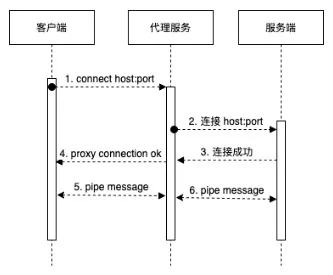
- 代理服务在收到连接请求时,判定:如果是CONNECT请求,需要回应代理连接成功消息到客户端;
- CONNECT请求回应结束后,代理服务需要连接到CONNECT指定的远程服务器,然后直接转发客户端和远程服务通信;
- 代理服务在收到非CONNECT请求时,需要解析出请求的远程服务器,然后直接转发客户端和远程服务通信;
需要注意的点是:
- 通常HTTPS请求,在通过代理前,会发送CONNECT请求;连接成功后,会在信道上进行加密通信的握手协议;因此连接远程的时机是在CONNECT请求收到时,因为此后是加密数据;
- 透明代理在收到CONNECT请求时,不需要传递到远程服务(远程服务不识别此请求);
- 透明代理在收到非CONNECT请求时,要无条件转发;
完整的透明代理的实现不到约300行代码,完整摘录如下:
@Slf4j
public class SimpleTransProxy {

    public static void main(String[] args) throws IOException {
        int port = 8006;
        ServerSocketChannel localServer = ServerSocketChannel.open();
        localServer.bind(new InetSocketAddress(port));
        Reactor reactor = new Reactor();
        // REACTOR线程
        GlobalThreadPool.REACTOR_EXECUTOR.submit(reactor::run);

        // WORKER单线程调试
        while (localServer.isOpen()) {
            // 此处阻塞等待连接
            SocketChannel remoteClient = localServer.accept();

            // 工作线程
            GlobalThreadPool.WORK_EXECUTOR.submit(new Runnable() {
                @SneakyThrows
                @Override
                public void run() {
                    // 代理到远程
                    SocketChannel remoteServer = new ProxyHandler().proxy(remoteClient);

                    // 透明传输
                    reactor.pipe(remoteClient, remoteServer)
                            .pipe(remoteServer, remoteClient);
                }
            });
        }
    }
}

@Data
class ProxyHandler {
    private String method;
    private String host;
    private int port;
    private SocketChannel remoteServer;
    private SocketChannel remoteClient;

    /**
     * 原始信息
     */
    private List<ByteBuffer> buffers = new ArrayList<>();
    private StringBuilder stringBuilder = new StringBuilder();

    /**
     * 连接到远程
     * @param remoteClient
     * @return
     * @throws IOException
     */
    public SocketChannel proxy(SocketChannel remoteClient) throws IOException {
        this.remoteClient = remoteClient;
        connect();
        return this.remoteServer;
    }

    public void connect() throws IOException {
        // 解析METHOD, HOST和PORT
        beforeConnected();

        // 链接REMOTE SERVER
        createRemoteServer();

        // CONNECT请求回应,其他请求WRITE THROUGH
        afterConnected();
    }

    protected void beforeConnected() throws IOException {
        // 读取HEADER
        readAllHeader();

        // 解析HOST和PORT
        parseRemoteHostAndPort();
    }

    /**
     * 创建远程连接
     * @throws IOException
     */
    protected void createRemoteServer() throws IOException {
        remoteServer = SocketChannel.open(new InetSocketAddress(host, port));
    }

    /**
     * 连接建立后预处理
     * @throws IOException
     */
    protected void afterConnected() throws IOException {
        // 当CONNECT请求时,默认写入200到CLIENT
        if ("CONNECT".equalsIgnoreCase(method)) {
            // CONNECT默认为443端口,根据HOST再解析
            remoteClient.write(ByteBuffer.wrap("HTTP/1.0 200 Connection Established\r\nProxy-agent: nginx\r\n\r\n".getBytes()));
        } else {
            writeThrouth();
        }
    }

    protected void writeThrouth() {
        buffers.forEach(byteBuffer -> {
            try {
                remoteServer.write(byteBuffer);
            } catch (IOException e) {
                e.printStackTrace();
            }
        });
    }

    /**
     * 读取请求内容
     * @throws IOException
     */
    protected void readAllHeader() throws IOException {
        while (true) {
            ByteBuffer clientBuffer = newByteBuffer();
            int read = remoteClient.read(clientBuffer);
            clientBuffer.flip();
            appendClientBuffer(clientBuffer);
            if (read < clientBuffer.capacity()) {
                break;
            }
        }
    }

    /**
     * 解析出HOST和PROT
     * @throws IOException
     */
    protected void parseRemoteHostAndPort() throws IOException {
        // 读取第一批,获取到METHOD
        method = parseRequestMethod(stringBuilder.toString());

        // 默认为80端口,根据HOST再解析
        port = 80;
        if ("CONNECT".equalsIgnoreCase(method)) {
            port = 443;
        }

        this.host = parseHost(stringBuilder.toString());

        URI remoteServerURI = URI.create(host);
        host = remoteServerURI.getHost();

        if (remoteServerURI.getPort() > 0) {
            port = remoteServerURI.getPort();
        }
    }

    protected void appendClientBuffer(ByteBuffer clientBuffer) {
        buffers.add(clientBuffer);
        stringBuilder.append(new String(clientBuffer.array(), clientBuffer.position(), clientBuffer.limit()));
    }

    protected static ByteBuffer newByteBuffer() {
        // buffer必须大于7,保证能读到method
        return ByteBuffer.allocate(128);
    }

    private static String parseRequestMethod(String rawContent) {
        // create uri
        return rawContent.split("\r\n")[0].split(" ")[0];
    }

    private static String parseHost(String rawContent) {
        String[] headers = rawContent.split("\r\n");
        String host = "host:";
        for (String header : headers) {
            if (header.length() > host.length()) {
                String key = header.substring(0, host.length());
                String value = header.substring(host.length()).trim();
                if (host.equalsIgnoreCase(key)) {
                    if (!value.startsWith("http://") && !value.startsWith("https://")) {
                        value = "http://" + value;
                    }
                    return value;
                }
            }
        }
        return "";
    }

}

@Slf4j
@Data
class Reactor {

    private Selector selector;

    private volatile boolean finish = false;

    @SneakyThrows
    public Reactor() {
        selector = Selector.open();
    }

    @SneakyThrows
    public Reactor pipe(SocketChannel from, SocketChannel to) {
        from.configureBlocking(false);
        from.register(selector, SelectionKey.OP_READ, new SocketPipe(this, from, to));
        return this;
    }

    @SneakyThrows
    public void run() {
        try {
            while (!finish) {
                if (selector.selectNow() > 0) {
                    Iterator<SelectionKey> it = selector.selectedKeys().iterator();
                    while (it.hasNext()) {
                        SelectionKey selectionKey = it.next();
                        if (selectionKey.isValid() && selectionKey.isReadable()) {
                            ((SocketPipe) selectionKey.attachment()).pipe();
                        }
                        it.remove();
                    }
                }
            }
        } finally {
            close();
        }
    }

    @SneakyThrows
    public synchronized void close() {
        if (finish) {
            return;
        }
        finish = true;
        if (!selector.isOpen()) {
            return;
        }
        for (SelectionKey key : selector.keys()) {
            closeChannel(key.channel());
            key.cancel();
        }
        if (selector != null) {
            selector.close();
        }
    }

    public void cancel(SelectableChannel channel) {
        SelectionKey key = channel.keyFor(selector);
        if (Objects.isNull(key)) {
            return;
        }
        key.cancel();
    }

    @SneakyThrows
    public void closeChannel