
简单使用Nest+Nacos+Kafka实现微服务 - 指南
简单实用Nest+Nacos+Kafka+Docker实现微服务架构
PS:并非实战,一个练习。设计
一个网关,一个用户服务,一个邮件推送服务。
用户服务部署两份,邮件推送服务部署两份。
用户服务和邮件推送服务启动的时候,通过nacos拉取配置,如
新建三个Nest服务
nest new gateway
cd gateway
nest g app user-service
nest g app email-service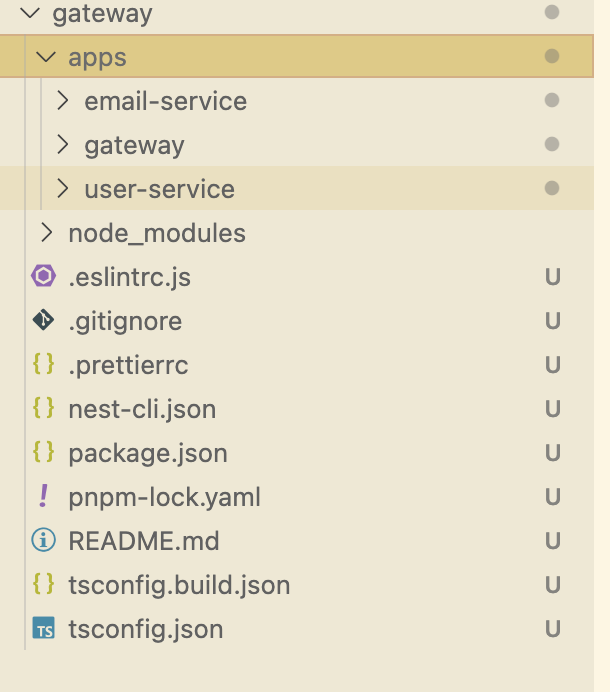
Nacos
配置中心
新增lib:remote-confignest g lib remote-config
根目录新增.env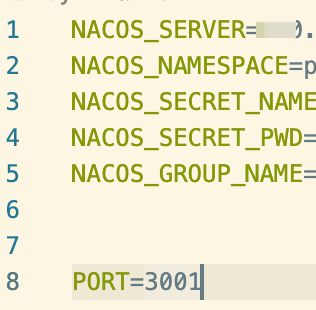
service.ts
import {
Inject,
Injectable,
Logger,
OnModuleDestroy,
OnModuleInit,
} from '@nestjs/common';
import { ConfigService } from '@nestjs/config';
import { NacosConfigClient } from 'nacos';
@Injectable()
export class RemoteConfigService implements OnModuleInit, OnModuleDestroy {
private readonly logger = new Logger(RemoteConfigService.name);
private client: NacosConfigClient;
@Inject()
private configService: ConfigService;
constructor() {}
async onModuleInit() {
try {
this.client = new NacosConfigClient({
serverAddr: this.configService.get<string>('NACOS_SERVER'),
  namespace: this.configService.get<string>('NACOS_NAMESPACE'),
    username: this.configService.get<string>('NACOS_SECRET_NAME'),
      password: this.configService.get<string>('NACOS_SECRET_PWD'),
        });
        this.logger.log('Nacos配置客户端初始化成功');
        } catch (error) {
        this.logger.error('Nacos配置客户端初始化失败', error);
        }
        }
        async onModuleDestroy() {
        await this.client.close();
        }
        async getConfig(
        dataId: string,
        group = this.configService.get('NACOS_GROUP_NAME'),
        ) {
        if (this.configService.get(dataId)) {
        return await this.configService.get(dataId);
        }
        this.watchConfig(dataId, group);
        const config = this.parseConfig(
        await this.client.getConfig(dataId, group),
        'json',
        );
        return config;
        }
        /**
        * 监听配置变化
        */
        watchConfig(
        dataId: string,
        group = this.configService.get('NACOS_GROUP_NAME'),
        ) {
        this.client.subscribe(
        {
        dataId,
        group,
        },
        (content, configType = 'json') => {
        const config = this.parseConfig(content, configType);
        this.configService.set(dataId, config);
        },
        );
        }
        /**
        * 解析配置内容
        */
        private parseConfig(content: string, type: string): any {
        try {
        if (type === 'json') {
        return JSON.parse(content);
        } else if (type === 'yaml' || type === 'yml') {
        // 简单的YAML解析,实际项目中可以使用js-yaml等库
        const config = {};
        content.split('\n').forEach((line) => {
        const parts = line.split(':').map((part) => part.trim());
        if (parts.length >= 2) {
        config[parts[0]] = parts.slice(1).join(':');
        }
        });
        return config;
        } else if (type === 'properties') {
        const config = {};
        content.split('\n').forEach((line) => {
        const parts = line.split('=').map((part) => part.trim());
        if (parts.length >= 2) {
        config[parts[0]] = parts.slice(1).join('=');
        }
        });
        return config;
        }
        return content;
        } catch (error) {
        this.logger.error('配置解析失败', error);
        return content;
        }
        }
        }
module.ts
import { Module } from '@nestjs/common';
import { RemoteConfigService } from './remote-config.service';
import { ConfigModule } from '@nestjs/config';
@Module({
imports: [
ConfigModule.forRoot({
isGlobal: true,
envFilePath: ['.env'],
}),
],
providers: [RemoteConfigService],
exports: [RemoteConfigService],
})
export class RemoteConfigModule {}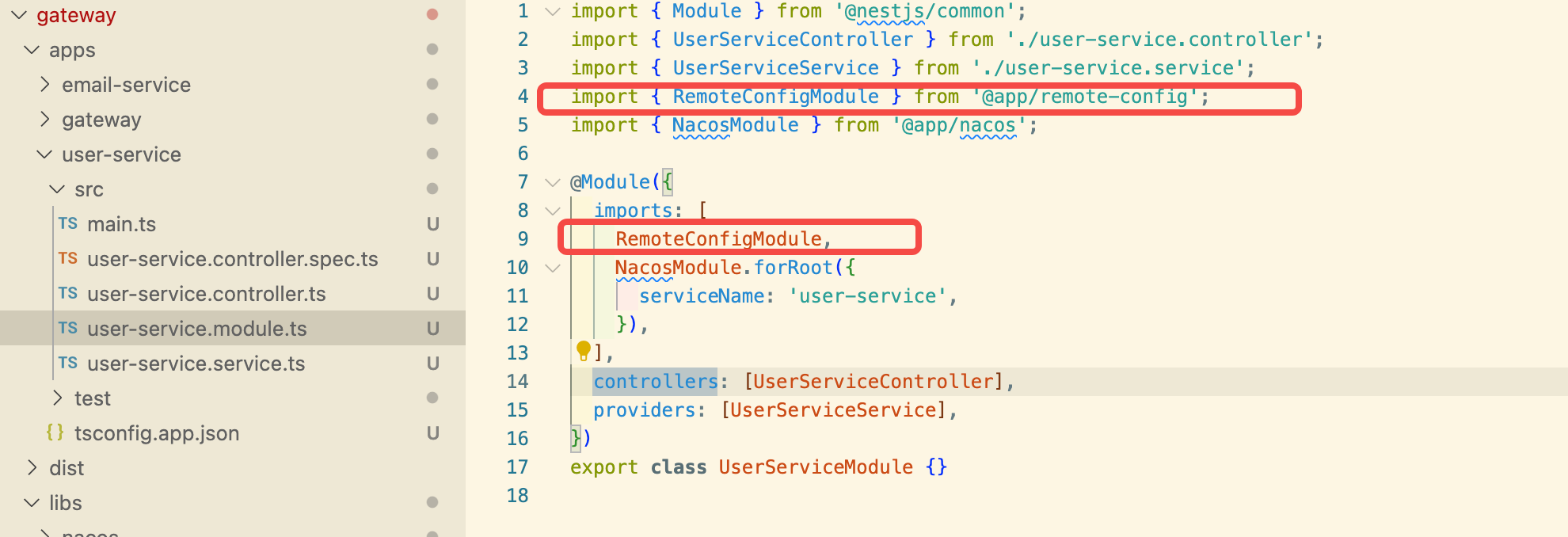
尝试
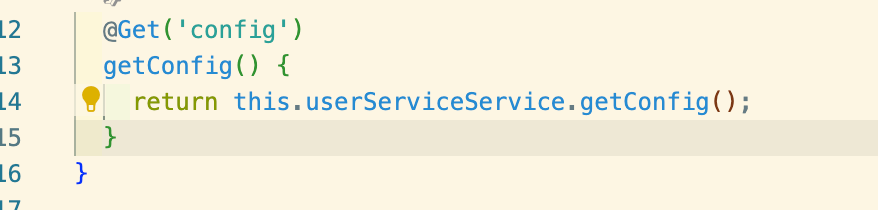
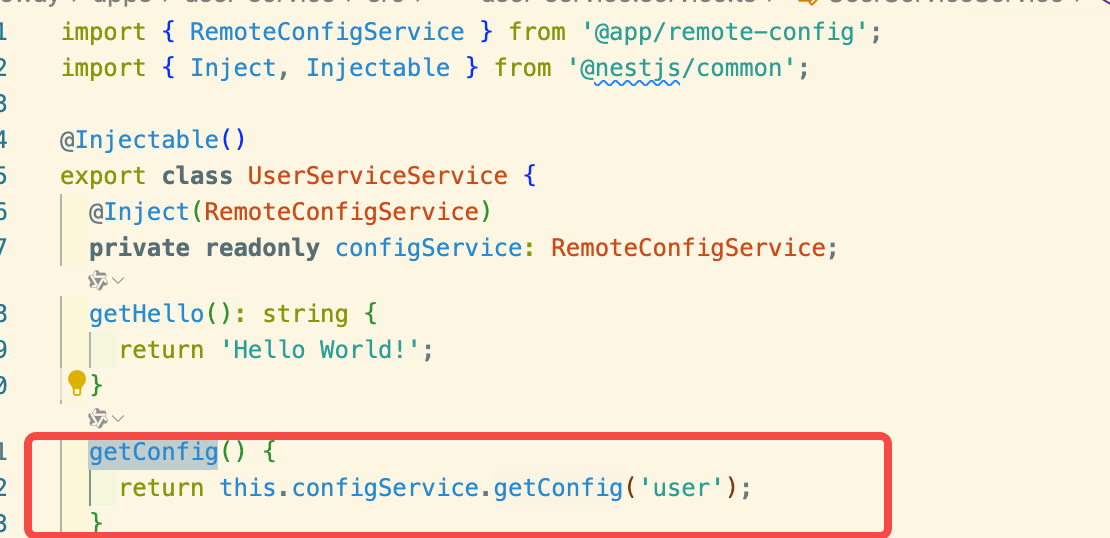
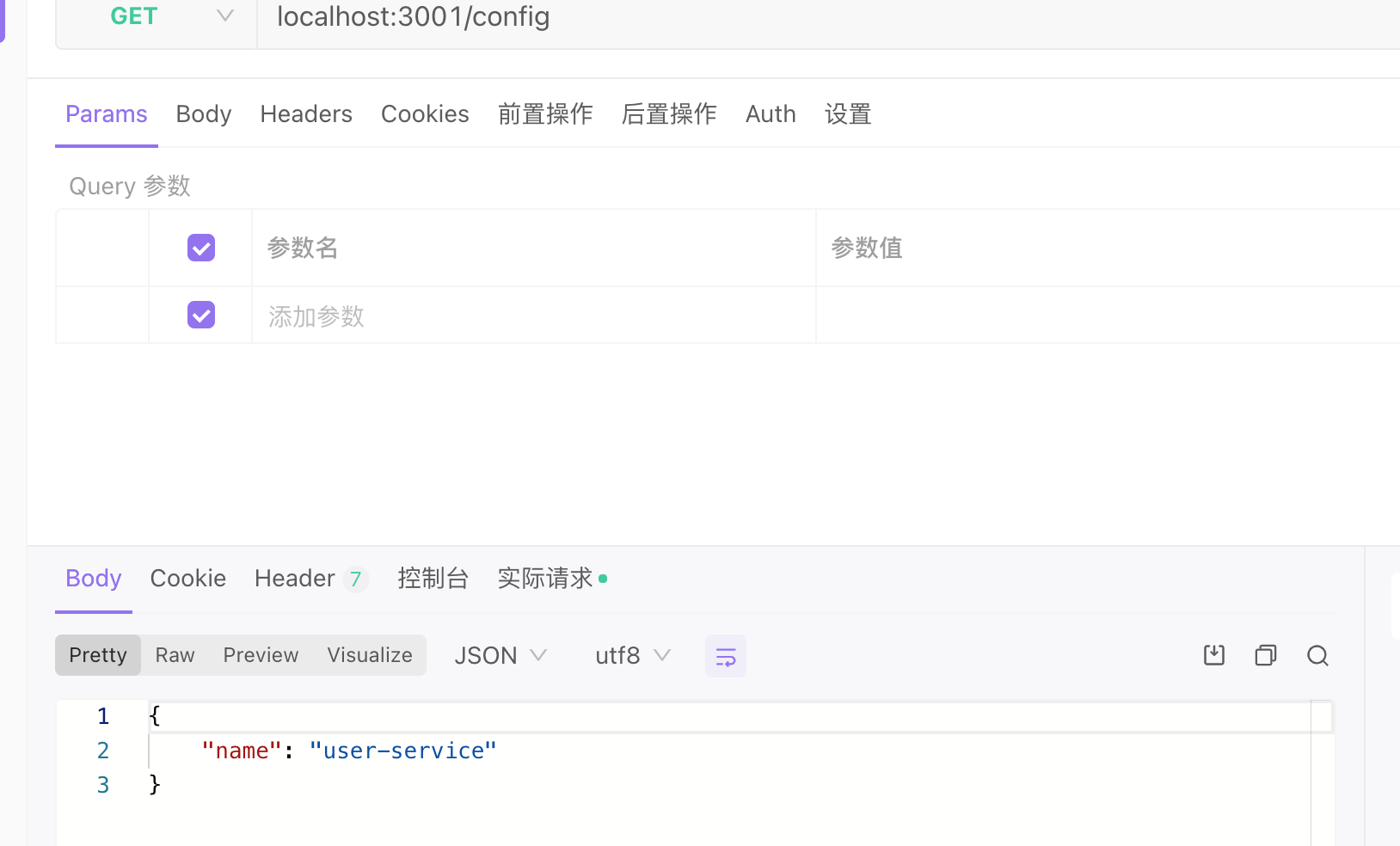
在nacos web管理页面 新增配置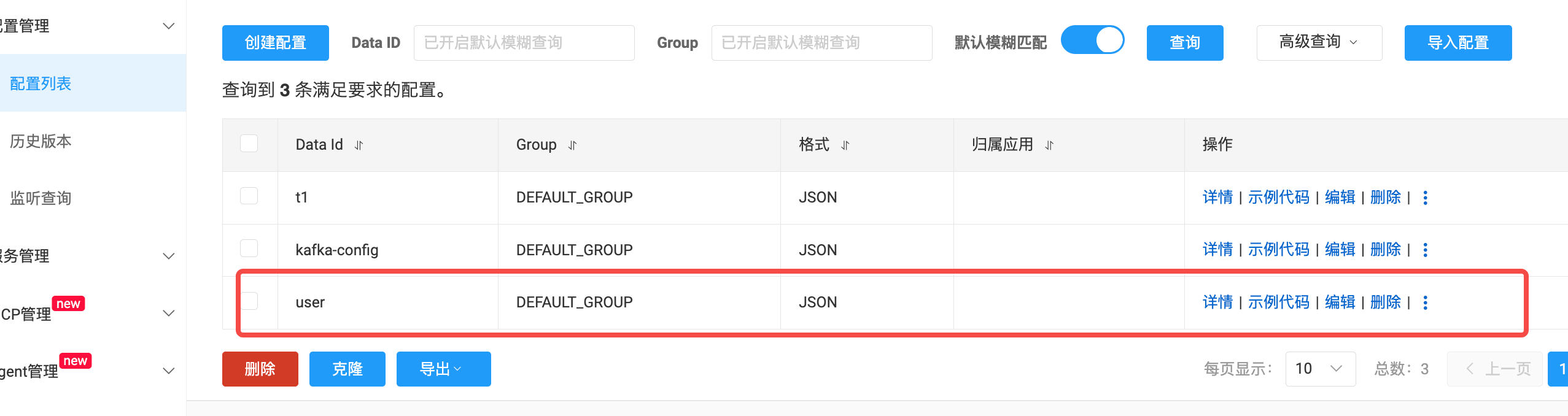
服务注册
nest g lib nacos
新增一个ip.service.ts
// src/utils/ip.service.ts
import { Injectable } from '@nestjs/common';
import * as os from 'os';
@Injectable()
export class IpService {
/**
* 获取本机非内部 IPv4 地址(优先返回第一个有效地址)
* @returns 本机 IP 地址(如 192.168.1.100),无有效地址时返回 127.0.0.1
*/
getLocalIp(): string {
const interfaces = os.networkInterfaces(); // 获取所有网络接口
let localIp = '127.0.0.1'; // 默认回环地址
// 遍历所有网络接口
for (const devName in interfaces) {
const iface = interfaces[devName];
if (!iface) continue;
// 遍历接口下的所有地址
for (const alias of iface) {
// 筛选条件:IPv4、非内部地址(非 127.0.0.1 等回环地址)、已启动
if (
alias.family === 'IPv4' && // 只取 IPv4
!alias.internal && // 排除内部地址(如 127.0.0.1)
alias.address !== '127.0.0.1' && // 进一步排除回环地址
!alias.address.startsWith('169.254.') // 排除 APIPA 地址(本地链路地址)
) {
localIp = alias.address;
return localIp; // 找到第一个有效地址后返回
}
}
}
return localIp; // 未找到有效地址时返回回环地址
}
}
nacos.module.ts
动态模块,传入参数
import { DynamicModule, Module } from '@nestjs/common';
import { NacosOptions, NacosService } from './nacos.service';
import { IpService } from './ip.service';
@Module({})
export class NacosModule {
static forRoot(options: NacosOptions): DynamicModule {
return {
module: NacosModule,
providers: [
IpService,
{
provide: 'CONFIG_OPTIONS',
useValue: options,
},
NacosService,
],
exports: [NacosService],
};
}
}
nacos.service.ts
import {
Inject,
Injectable,
Logger,
OnModuleDestroy,
OnModuleInit,
} from '@nestjs/common';
import { ConfigService } from '@nestjs/config';
import { NacosNamingClient } from 'nacos';
import { IpService } from './ip.service';
interface Instance {
instanceId: string;
healthy: boolean;
enabled: boolean;
serviceName?: string;
weight?: number;
ephemeral?: boolean;
clusterName?: string;
}
export interface NacosOptions {
noRegister?: boolean;
serviceName: string; //Service name
instance?: Partial<Instance>; //Instance
  groupName?: string;
  subList?: { groupName?: string; dataId: string }[];
  }
  @Injectable()
  export class NacosService implements OnModuleInit, OnModuleDestroy {
  @Inject()
  private configService: ConfigService;
  @Inject(IpService)
  private ipService: IpService;
  @Inject('CONFIG_OPTIONS')
  private options: NacosOptions;
  private readonly logger = new Logger(NacosService.name);
  private client: NacosNamingClient;
  async onModuleInit() {
  this.client = new NacosNamingClient({
  logger: {
  ...console,
  log: () => {},
  debug: () => {},
  },
  serverList: this.configService.get<string>('NACOS_SERVER'), // replace to real nacos serverList
    namespace: this.configService.get<string>('NACOS_NAMESPACE'),
      username: this.configService.get<string>('NACOS_SECRET_NAME'),
        password: this.configService.get<string>('NACOS_SECRET_PWD'),
          });
          await this.client.ready();
          if (!this.options.noRegister) {
          await this.destroy();
          await this.register();
          }
          this.logger.log('Nacos客户端准备就绪');
          }
          async getSub(serviceName: string) {
          const service = {
          dataId: serviceName,
          groupName: this.configService.get('NACOS_GROUP_NAME'),
          };
          const res = await this.client.getAllInstances(
          service.dataId,
          service.groupName,
          );
          this.configService.set(`nacos_${serviceName}`, res);
          return res.filter((item) => item.healthy);
          }
          async register() {
          await this.client.registerInstance(
          this.options.serviceName,
          // @ts-ignore
          {
          ...this.options.instance,
          ip: this.ipService.getLocalIp(),
          port: this.configService.get<number>('PORT'),
            },
            this.options.groupName,
            );
            }
            async destroy() {
            await this.client.deregisterInstance(
            this.options.serviceName,
            // @ts-ignore
            {
            ...this.options.instance,
            ip: this.ipService.getLocalIp(),
            port: this.configService.get<number>('PORT'),
              },
              this.options.groupName,
              );
              }
              async onModuleDestroy() {}
              }
尝试
在 user-service服务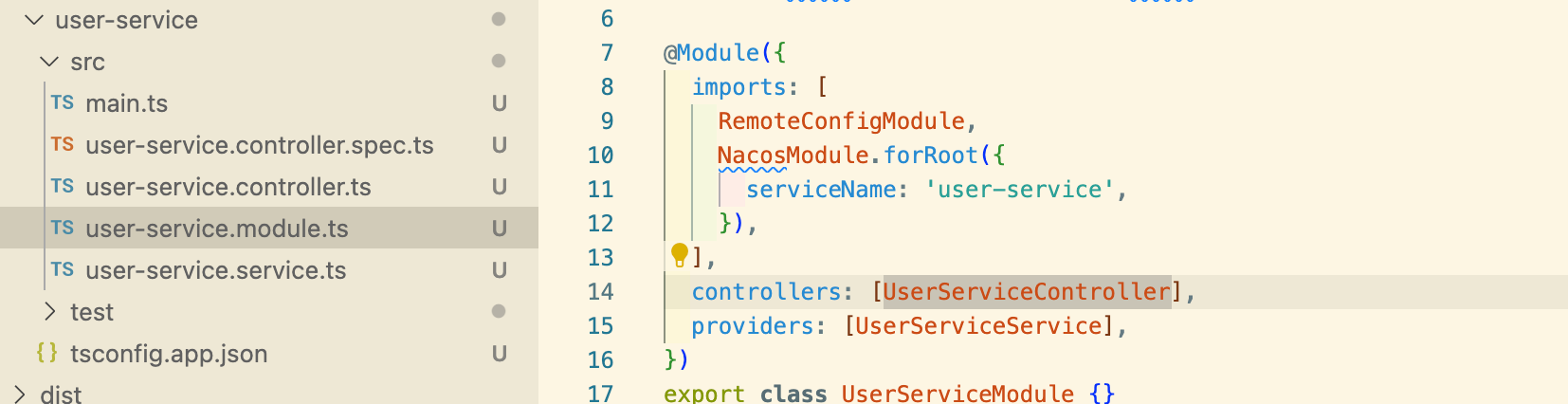
启动服务
这个时候就可以在其他服务获取到user-service的请求地址,可以使用http请求来处理。
改造user-service (TCP)
将user-service改造成微服务,使用TCP
import { NestFactory } from '@nestjs/core';
import { UserServiceModule } from './user-service.module';
import { Transport, MicroserviceOptions } from '@nestjs/microservices';
async function bootstrap() {
const port = Number(process.env.PORT) || 3001;
const app = await NestFactory.createMicroservice<MicroserviceOptions>(
  UserServiceModule,
  {
  transport: Transport.TCP,
  options: {
  port,
  },
  },
  );
  await app.listen();
  }
bootstrap();修改user-service.controller.ts
import { Controller, Get } from '@nestjs/common';
import { UserServiceService } from './user-service.service';
import { MessagePattern } from '@nestjs/microservices';
@Controller()
export class UserServiceController {
constructor(private readonly userServiceService: UserServiceService) {}
@MessagePattern('user')
handleFindById() {
return this.userServiceService.register();
}
}
启动服务
这里因为是本地,需要修改下获取IP的逻辑

改造gateway
引入nacos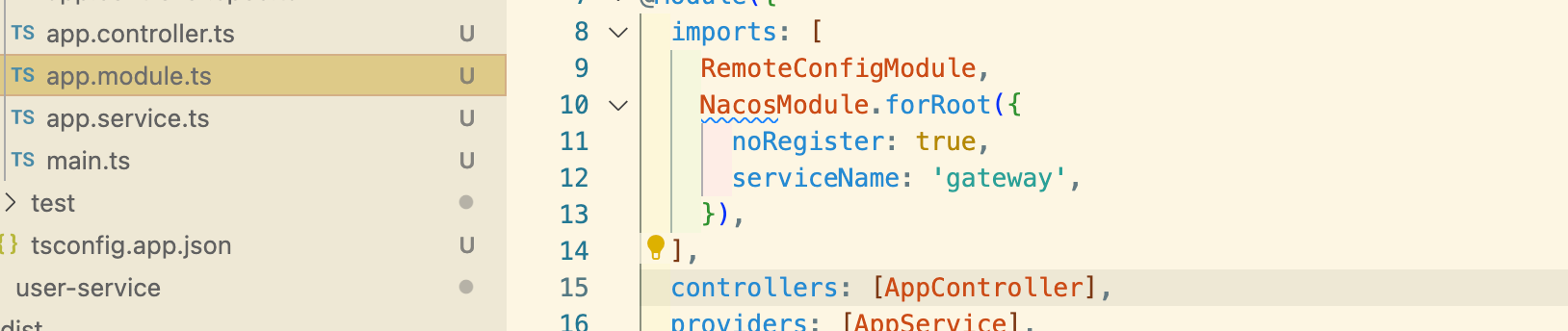
在 app.service.ts中 注册微服务
import { NacosService } from '@app/nacos';
import { Inject, Injectable, OnApplicationBootstrap } from '@nestjs/common';
import {
ClientProxyFactory,
Transport,
ClientProxy,
} from '@nestjs/microservices';
@Injectable()
export class AppService implements OnApplicationBootstrap {
private client: ClientProxy;
@Inject(NacosService)
private readonly nacosService: NacosService;
async onApplicationBootstrap() {
const res = await this.nacosService.getSub('user-service');
const instance = res[0];
this.client = ClientProxyFactory.create({
transport: Transport.TCP,
options: {
host: instance.ip,
port: instance.port,
},
});
await this.client.connect();
}
getHello(): string {
return 'Hello World!';
}
async getInstance() {
const res = await this.client.send('user', '');
return !res;
}
}
启动服务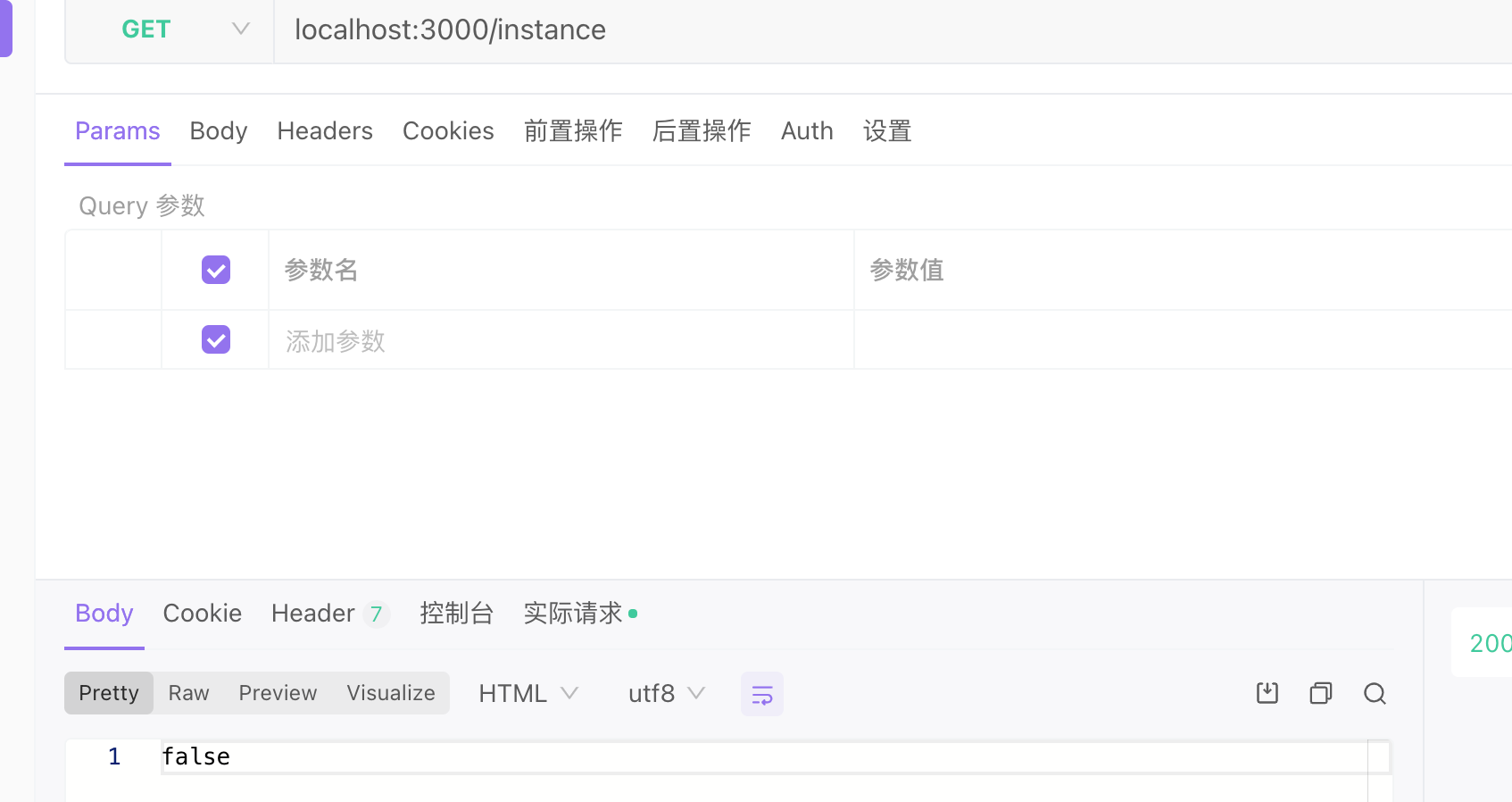
改造email-service(Kafka)
service.ts
这里打印接收的数据
import { Controller, Get, Logger } from '@nestjs/common';
import { EmailServiceService } from './email-service.service';
import { MessagePattern, Payload } from '@nestjs/microservices';
@Controller()
export class EmailServiceController {
constructor(private readonly emailServiceService: EmailServiceService) {}
@MessagePattern('email')
getHello(@Payload() data) {
Logger.log('email-service', data);
}
}
对于 main.ts
需要先创建一个临时configApp,用来获取kafka-config
import { NestFactory } from '@nestjs/core';
import { EmailServiceModule } from './email-service.module';
import { MicroserviceOptions, Transport } from '@nestjs/microservices';
import { RemoteConfigModule, RemoteConfigService } from '@app/remote-config';
async function bootstrap() {
const configApp = await NestFactory.create(RemoteConfigModule);
await configApp.init();
const configService = configApp.get<RemoteConfigService>(RemoteConfigService);
  const res = await configService.getConfig('kafka-config');
  const app = await NestFactory.createMicroservice<MicroserviceOptions>(
    EmailServiceModule,
    {
    transport: Transport.KAFKA,
    options: {
    client: {
    clientId: 'email-service',
    brokers: res.brokers,
    },
    consumer: {
    groupId: 'email-service',
    },
    },
    },
    );
    await app.listen();
    await configApp.close();
    }
bootstrap();在gateway使用app.servite.ts
import { NacosService } from '@app/nacos';
import { RemoteConfigService } from '@app/remote-config';
import {
Inject,
Injectable,
Logger,
OnApplicationBootstrap,
OnModuleDestroy,
} from '@nestjs/common';
import {
ClientProxyFactory,
Transport,
ClientProxy,
ClientKafka,
} from '@nestjs/microservices';
@Injectable()
export class AppService implements OnApplicationBootstrap, OnModuleDestroy {
private client: ClientProxy;
private kafkaClient: ClientKafka;
@Inject(NacosService)
private readonly nacosService: NacosService;
@Inject(RemoteConfigService)
private readonly configService: RemoteConfigService;
async onApplicationBootstrap() {
const res = await this.nacosService.getSub('user-service');
const instance = res[0];
this.client = ClientProxyFactory.create({
transport: Transport.TCP,
options: {
host: instance.ip,
port: instance.port,
},
});
await this.client.connect();
Logger.log(`user-service 连接成功`);
const config = await this.configService.getConfig('kafka-config');
this.kafkaClient = new ClientKafka({
client: {
brokers: config.brokers,
},
producer: {
allowAutoTopicCreation: true,
},
});
await this.kafkaClient.connect();
Logger.log(`email-service 连接成功`);
}
async onModuleDestroy() {
await this.kafkaClient.close(); // 自动断开连接(避免资源泄漏)
}
getHello(): string {
return 'Hello World!';
}
async getInstance() {
const res = await this.client.send('user', '');
return !res;
}
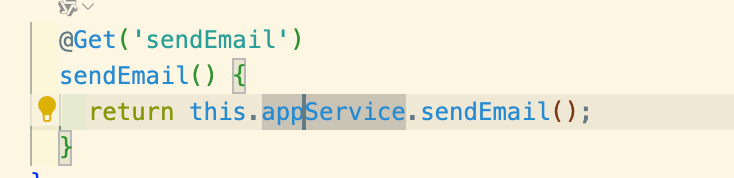
sendEmail() {
this.kafkaClient.emit('email', {
email: '<EMAIL>',
  content: '测试发送邮件',
  });
  }
  }
测试一下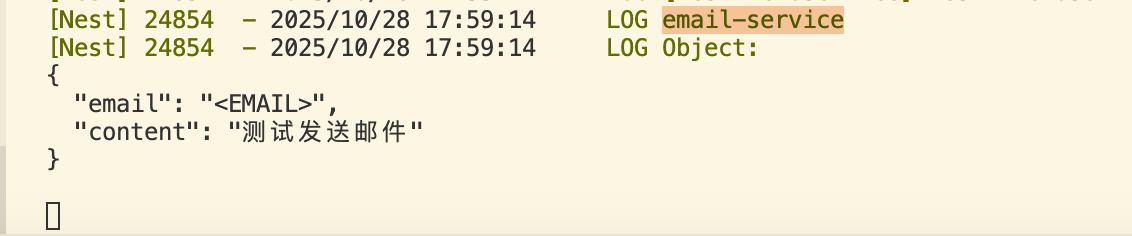
如果需要返回邮件的发送状态。如返回true
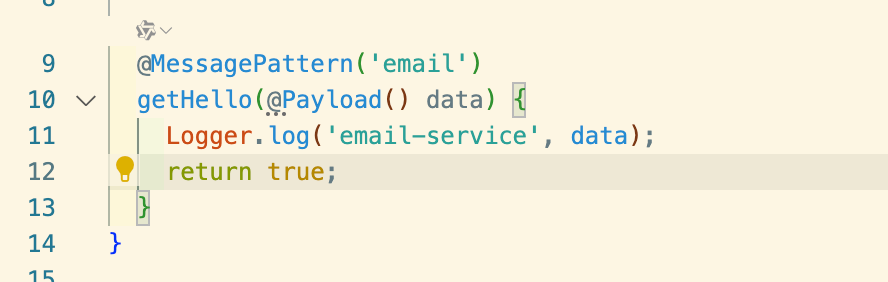
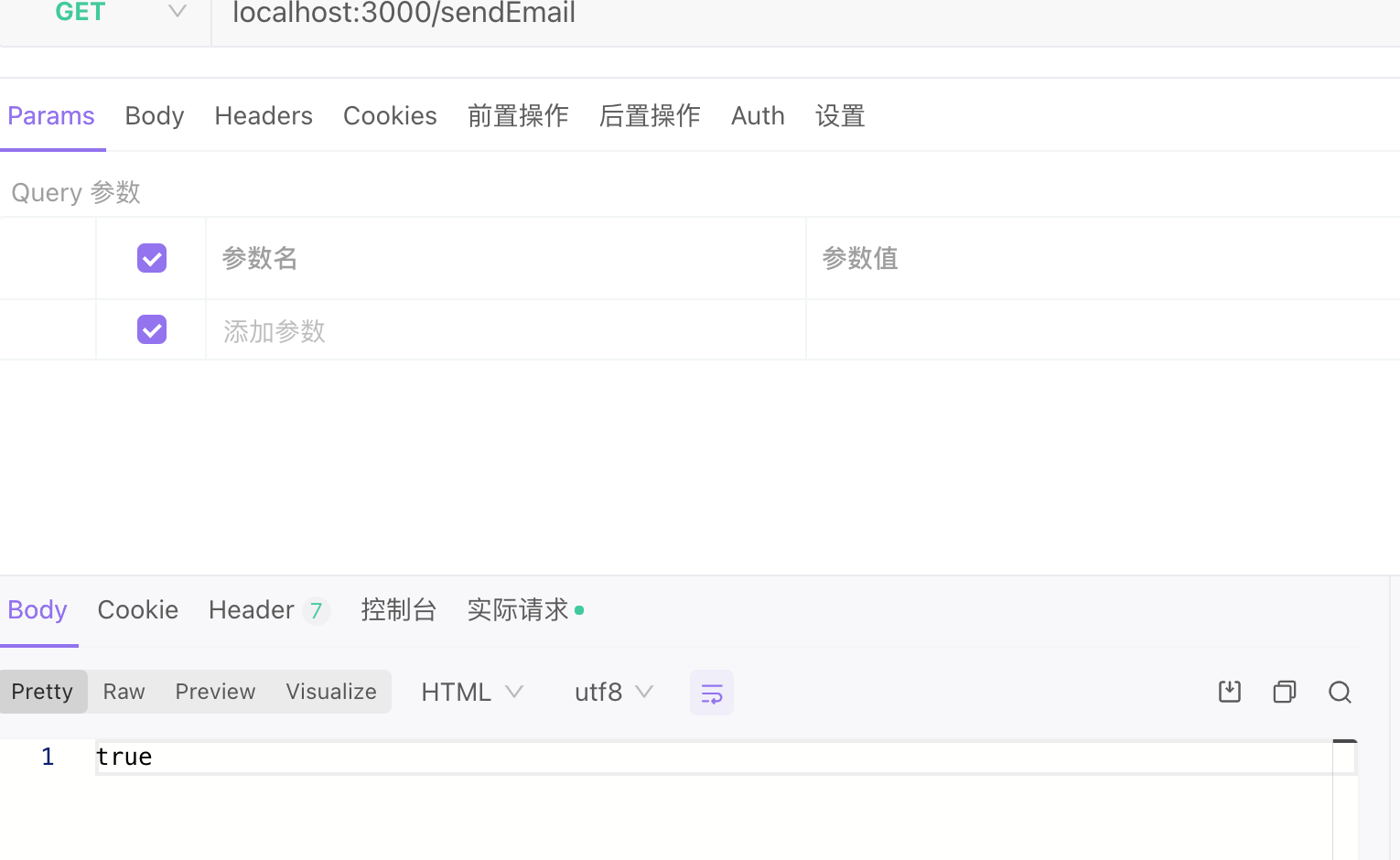
如果直接这样修改。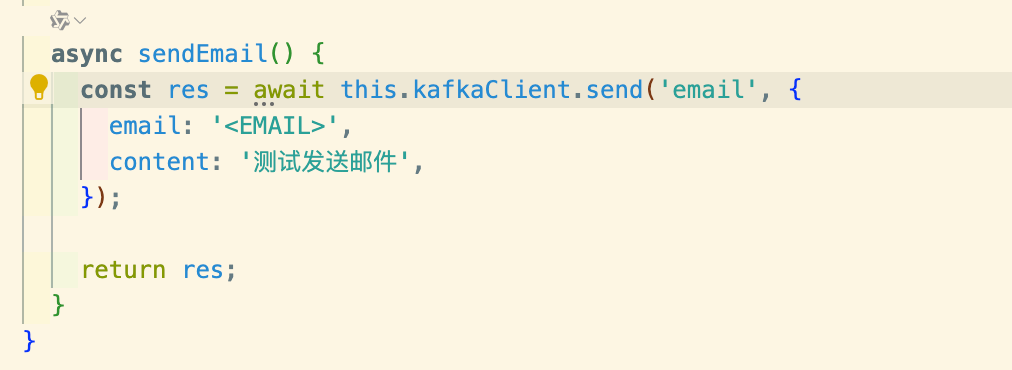
会报错。
send的话,接收reply,需要先订阅下。
修改app.service.ts
在kafkaClient连接之前。
本地测试email-service开启多个实例: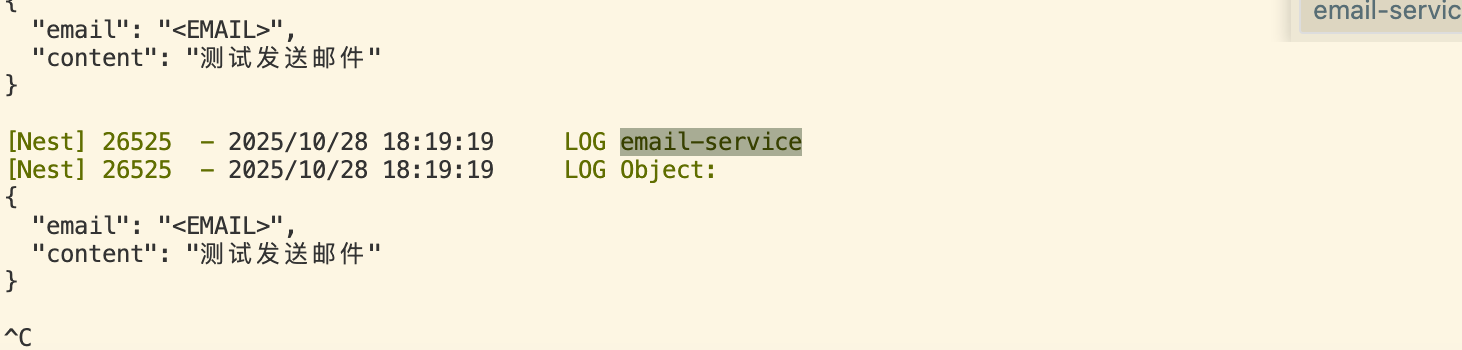
当关掉一个后,接下来的请求会发送到另外一个上面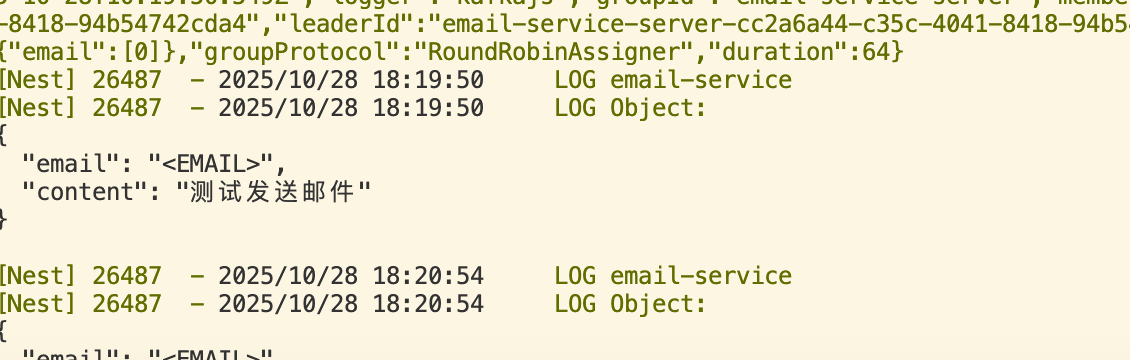
同样的也可以给email-service加上Nacos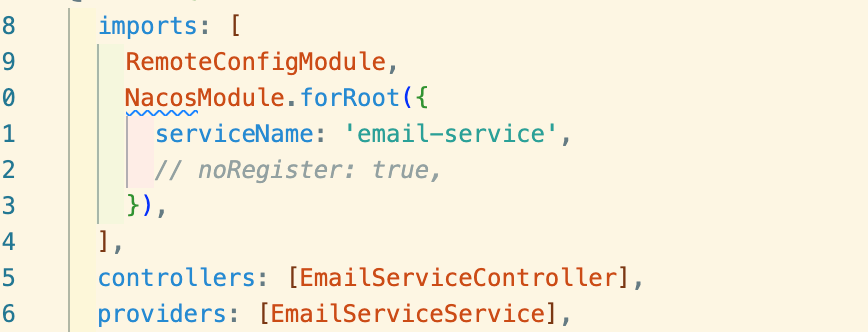
因为本地启动多个相同服务的原因,临时给nacos加了个随机数,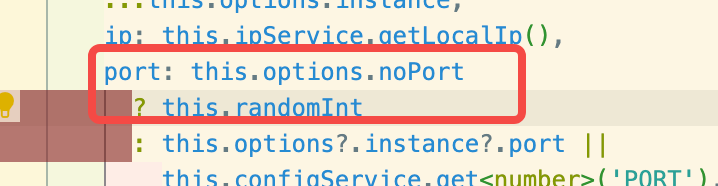



可以判断是否有健康的实例来做进一步处理。
其他
这是一个练习。
其他的,比如,服务下线后,nacos是能检测到健康状态的,那么就要通过配置或者服务变化(nacos有订阅),来通知使用者如gateway。
部署
如通过docker打包,注入环境变量port等等,应用会通过nacos注册,网关使用的时候去拿。
这样就实现了服务的注册和发现?

 浙公网安备 33010602011771号