数据结构-栈与队列
栈:
通俗理解:对于一个数组的插入和删除来讲,栈就像是一个盒子一样,所插入进来的数据都是先进后出,删除的数据都是后进先出;
画图理解:这样子画应该很好理解了吧,所有的数据都像是盒子的形式一样存贮和释放;
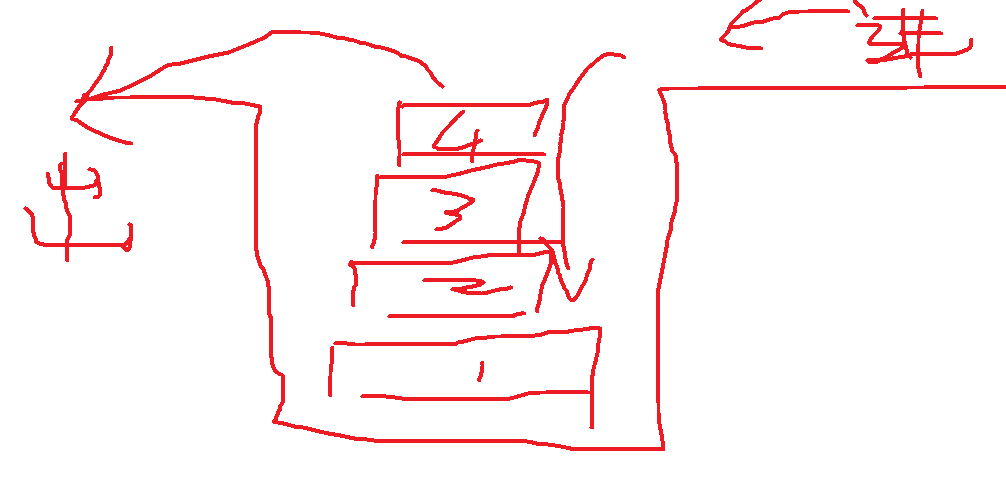
直接上代码:
创建一个栈;
 1 package inn;
 2 /**
 3  * 栈
 4  * @author caizhou
 5  *
 6  */
 7
 8 public class myStack {
 9
10     private long[] arr;
11     private int top;
12
13     public myStack(){
14         arr =new long[20];
15         top = -1;
16     }
17
18     public myStack(int maxsize){
19         arr = new long[maxsize];
20         top = -1;
21     }
22
23     /**
24      * 添加数据;
25      * @param value
26      */
27     public void insert(long value){
28         arr[++top] = value;
29     }
30
31     /**
32      * 移除数据。
33      */
34     public long pop(){
35         return arr[top--];
36     }
37
38     /**
39      * 查看数据
40      */
41
42     public long peek(){
43         return arr[top];
44     }
45     /**
46      * 判断是否为空;
47      * @return
48      */
49     public boolean isEmpty(){
50         return top==-1;
51     }
52     /**
53      * 判断是否溢出;
54      * @return
55      */
56     public boolean isFull(){
57         return top == arr.length -1;
58     }
59 }
测试栈:
 1 package inn;
 2
 3 public class testStack {
 4      public static void main(String[] args) {
 5
 6          myStack my = new myStack(4);
 7          my.insert(23);
 8          my.insert(12);
 9          my.insert(21);
10          my.insert(60);
11
12          while(!my.isEmpty()){
13              System.out.println(my.pop());
14          }
15     }
16 }
测试结果:
60
21
12
23
队列:
通俗理解:队列,和栈基本上是完全相反的,对于数组的插入和删除来讲,队列就像是在电影院排队一样,先进先出,后进后出;
画图理解:符合先进先出,后进后出的理念;
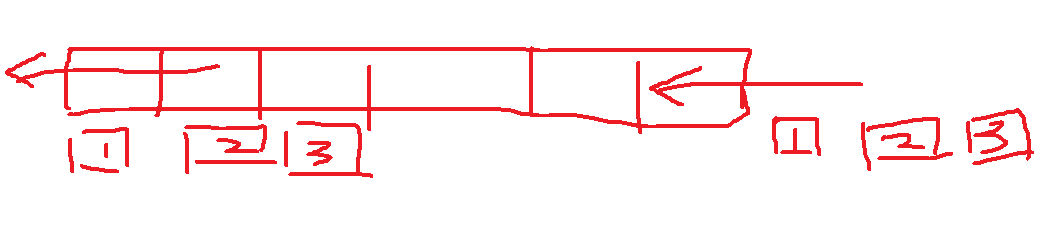
直接上代码:
创建队列;
 1 package inn;
 2 /**
 3  * 队列
 4  * @author caizhou
 5  *
 6  */
 7 public class myQueue {
 8
 9     private long[] arr;
10     /**
11      * 总长度,队头,队尾
12      */
13     private int element;
14     private int front;
15     private int end;
16
17     public myQueue(){
18         arr = new long[20];
19         element = 0;
20         front = 0;
21         end = -1;
22
23     }
24     public myQueue(int maxsize){
25         arr = new long[maxsize];
26         element = 0;
27         front = 0;
28         end = -1;
29     }
30
31     public void insert (int value){
32         arr[++end] = value;
33         if(end == arr.length-1){
34             end = -1;
35         }
36         element++;
37     }
38
39     public long delete(){
40         long value = arr[front++];
41         if(front ==arr.length){
42             front =0;
43         }
44         element--;
45         return value;
46     }
47
48     /**
49      * 从队头查看数据;
50      * @return
51      */
52     public long peek(){
53         if(front ==arr.length){
54             front =0;
55         }
56         return arr[front];
57     }
58
59     public Boolean isEmpty(){
60         return element ==0;
61     }
62     public boolean isFull(){
63         return element ==arr.length-1;
64     }
65 }
测试队列:
package inn;

public class testMyQueue {
        public static void main(String[] args) {

            myQueue my = new myQueue(4);
            my.insert(23);
            my.insert(32);
            my.insert(13);
            my.insert(53);
            System.out.println(my.peek());
            while(!my.isEmpty()){
                System.out.print(my.delete() + ",");
            }

            my.insert(10);
//            while(!my.isEmpty()){
//                System.out.print(my.delete() + ",");
//            }
            System.out.println(my.peek());
        }
}
测试结果:
23
23,32,13,53,10
到此,栈和队列就讲完了,希望可以帮大家理解的清楚;
祈福@点亮希望


 浙公网安备 33010602011771号