
《超越单链表的局限:双链表“哨兵位”设计模式,如何让边界处理代码既优雅又健壮?》 - 教程

@晨非辰Tong:个人主页
专栏:《C语言》、《数据结构与算法》、《数据结构与算法刷题集》
学习阶段:C语言、数据结构与算法初学者
⏳“人理解迭代,神理解递归。”
引言:从基础实现到完美收官,如何让双链表的代码既优雅又可靠?答案便是 “哨兵位” 设计。本篇作为终章,将彻底解决边界与销毁问题,助你写出工业级强度的数据结构。
目录
三、双链表其他功能实现
3.1 双链表查找节点
--先将查找函数实现,为后续的插入做准备。
//定义_查找
DLTNode* DLTFind(DLTNode* phead, DLTDataType* x)
{
	//判空
	assert(!DLTEmpty(phead));
	DLTNode* pcur = phead->next;//临时指针接收
	//循环遍历
	while (pcur != phead)
	{
		if (pcur->data == x)
		{
			return pcur;//找到了,返回指针
		}
		pcur = pcur->next;//后移
	}
	//没找到,返回空
	return NULL;
}
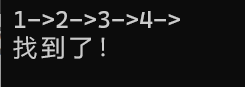
查找算法很简单,首先是要进行循环遍历,条件语句找到相应的data指针,就返回节点的指针,反之返回空(未找到)。
void test01()
{
	DLTNode* plist = NULL;//不是双向链表,初始化
	//初始化
	DLTInit(&plist);//传址
	//尾插
	DLTPushBack(plist, 1);
	DLTPushBack(plist, 2);
	DLTPushBack(plist, 3);
	DLTPushBack(plist, 4);
	DLTPrint(plist);
	//查找
	DLTNode* pos = DLTFind(plist, 4);
	if (DLTFind)
	{
		printf("找到了!\n");
	}
	else
	{
		printf("没找到!\n");
	}
}
int main()
{
	test01();
	return 0;
}
3.2 在指定位置之后插入
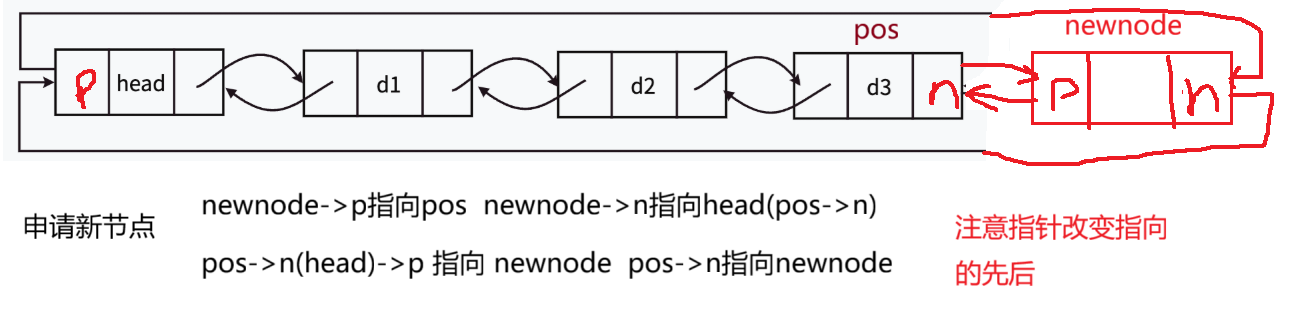
--注意,指定节点不能是头节点(“哨兵位”)。
DList.c文件
#include "DList.h"
//定义_在指定位置之后插入
void DLTInset(DLTNode* pos, DLTDataType* x)
{
	assert(pos);
	//申请新节点
	DLTNode* newnode = DLTBuyNode(x);
	newnode->prev = pos;
	newnode->next = pos->next;
	pos->next->prev = newnode;
	pos->next = newnode;
}
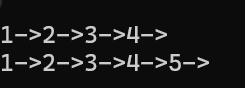
这个算法也是,先申请新节点空间,根据前面定义好的查找函数,找到指定节点,将节点指针用新指针pos接收后,根据图示,改变相应指针。
(注意:为实现普遍情况,其他节点的改变用pos的相关指针表示)
test.c文件
#include "DList.h"
void test01()
{
	DLTNode* plist = NULL;//不是双向链表,初始化
	//初始化
	DLTInit(&plist);//传址
	//尾插
	DLTPushBack(plist, 1);
	DLTPushBack(plist, 2);
	DLTPushBack(plist, 3);
	DLTPushBack(plist, 4);
	DLTPrint(plist);
	//插入
	DLTNode* pos = DLTFind(plist, 4);
	DLTInset(pos, 5);
	DLTPrint(plist);
}
int main()
{
	test01();
	return 0;
}
3.3 删除指定位置的节点

DList.c文件
#include "DList.h"
//定义_删除指定位置的节点
void DLTErase(DLTNode* pos)
{
	assert(pos);
	pos->prev->next = pos->next;
	pos->next->prev = pos->prev;
	//释放被删除的节点空间
	free(pos);
	pos = NULL;
}
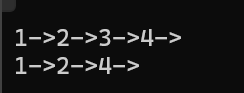
删除指定算法更加简单,只需要将pos传给函数,在按照图示改变pos前后节点相关指针的指向即可。
(注意:还是,为实现普遍情况,pos前后的节点,用pos相关指针表示)
test.c文件
#include "DList.h"
void test01()
{
	DLTNode* plist = NULL;//不是双向链表,初始化
	//初始化
	DLTInit(&plist);//传址
	//尾插
	DLTPushBack(plist, 1);
	DLTPushBack(plist, 2);
	DLTPushBack(plist, 3);
	DLTPushBack(plist, 4);
	DLTPrint(plist);
    //删除指定位置的节点
	DLTNode* pos = DLTFind(plist, 3);
	DLTErase(pos);
	DLTPrint(plist);
}
int main()
{
	test01();
	return 0;
}
3.4 销毁链表
//定义_销毁
void LTDestory(DLTNode* phead)
{
	DLTNode* pcur = phead->next;
	while (pcur != phead)
	{
		DLTNode* next = pcur->next;
		free(pcur);
		pcur = next;
	}
	free(phead);
	phead = NULL;
}
--实现销毁算法,也是寻要进行遍历,在遍历过程中每次销毁一个节点之前就要先把它的下一个节点( ->next)用临时指针存下来,最后销毁完后通过临时指针的来到下一个位置.
四、部分代码改良(保证接口一致性)
对实现的所有接口进行观察:大部分传一级指针本身,少部分二级指针。为了使用体验和一致性,全部改成传指针本身。
4.1 初始化接口
//头节点初始化的优化
DLTNode* DLTInit()
{
	DLTNode* phead = LTBuyNode(-1);
	return phead;
}
--这串代码的简化了在使用时要传二级指针,实现了接口的一致性-->传指针本身,不会再混淆什么时候一级,什么时候二级。
4.2 销毁接口
//销毁
void DLTDestory(DLTNode* phead)//形参
{
	DLTNode* pcur = phead->next;
	while (pcur != phead)
	{
		DLTNode* next = pcur->next;
		free(pcur);
		pcur = next;
	}
	free(phead);
	phead = NULL;
}--进行传值调用,在函数中,由于除头节点外,其他节点通过地址访问-->代表可以真正的改变节点。而头节点(实参)要额外在调用结束后手动将节点释放。
五、全部代码展示
5.1 .h文件
--下面会呈现双链表从无到实现各种功能的完整代码。
DList.h
#pragma once
#include
#include
#include
#include
//定义双链表基本结构
typedef int DLTDataType;
typedef struct DListNode
{
	DLTDataType data;
	struct DListNode* next;//指向下一个节点
	struct DListNode* prev;//指向前一个节点
}DLTNode;
//声明_创建新节点
DLTNode* DLTBuyNode(DLTDataType x);
//声明_初始化
void DLTInit(DLTNode** pphead);//二级指针接收“哨兵位”地址-->改变结构(test.c传的头节点)
//声明_打印
void DLTPrint(DLTNode* phead);
//声明_尾插
void DLTPushBack(DLTNode* phead, DLTDataType x);
//声明_头插
void DLTPushFront(DLTNode* phead, DLTDataType x);
//声明_判空
bool DLTEmpty(DLTNode* phead);
//声明_尾删
void DLTPopBack(DLTNode* phead);
//声明_头删
void DLTPopFront(DLTNode* phead);
//声明_查找
DLTNode* DLTFind(DLTNode* phead, DLTDataType* x);
//声明_在指定位置之后插入
void DLTInset(DLTNode* pos, DLTDataType* x);
//声明_删除指定位置的节点
void DLTErase(DLTNode* pos);
//声明_销毁
//void LTDestory(DLTNode* phead);
void DLTDestory(DLTNode* phead);//形参
5.2 .c文件
DList.c
#include "DList.h"
//定义_由数值创建新节点
DLTNode* DLTBuyNode(DLTDataType x)
{
	//申请空间
	DLTNode* newnode = (DLTNode*)malloc(sizeof(DLTNode));
	//判断非空
	if (newnode == NULL)
	{
		perror("malloc");
		return 1;//申请失败
	}
	newnode->data = x;
	newnode->next = newnode->prev = newnode;//新节点先指向自己
	return newnode;
}
//定义_初始化
//void DLTInit(DLTNode** pphead)//二级指针接收“哨兵位”地址-->改变结构(test.c传的头节点)
//{
//	////申请空间
//	//*pphead = (DLTNode*)malloc(sizeof(DLTNode));//*pphead 是 phead
//	////判断非空
//	//if (*pphead == NULL)
//	//{
//	//	perror("malloc");
//	//	return 1;//申请失败
//	//}
//
//	//(*pphead)->data = -1;//随便一个值,后续不用
//	//(*pphead)->next = (*pphead)->prev = *pphead;//指向自己
//	*pphead = DLTBuyNode(-1);
//}
//头节点初始化的优化
DLTNode* DLTInit()
{
	DLTNode* phead = LTBuyNode(-1);
	return phead;
}
//定义_打印
void DLTPrint(DLTNode* phead)
{
	DLTNode* pcur = phead->next;//指向第一个节点
	//循环遍历
	while (pcur != phead)
	{
		printf("%d->", pcur->data);
		pcur = pcur->next;
	}
	printf("\n");
}
//定义_尾插
void DLTPushBack(DLTNode* phead, DLTDataType x)//一级指针,只需要知道是哪个链表
{
	//断言
	assert(phead);
	//创建新节点
	DLTNode* newnode = DLTBuyNode(x);
	//先对newnode进行改变,防止phead、尾节点指向改变
	newnode->prev = phead->prev;
	newnode->next = phead;
	phead->prev->next = newnode;//->prev->next代表尾节点next
	phead->prev = newnode;
}
//定义_头插
void DLTPushFront(DLTNode* phead, DLTDataType x)
{
	//断言
	assert(phead);
	//申请新节点
	DLTNode* newnode = DLTBuyNode(x);
	newnode->next = phead->next;
	newnode->prev = phead;
	phead->next->prev = newnode;
	phead->next = newnode;
}
//定义-判空
bool DLTEmpty(DLTNode* phead)
{
	assert(phead);
	return phead->next == phead;
}
//定义_尾删
void DLTPopBack(DLTNode* phead)
{
	assert(!DLTEmpty(phead));
	//首先定义指针指向尾节点
	DLTNode* del = phead->prev;
	del->prev->next = phead;
	phead->prev = del->prev;
	//对del节点空间进行释放
	free(del);
	del = NULL;
}
//定义_头删
void DLTPopFront(DLTNode* phead)
{
	assert(!DLTEmpty(phead));
	//定义指针指向第1个节点
	DLTNode* del = phead->next;
	phead->next = del->next;
	del->next->prev = phead;
	//释放del
	free(del);
	del = NULL;
}
//定义_查找
DLTNode* DLTFind(DLTNode* phead, DLTDataType* x)
{
	//判空
	assert(!DLTEmpty(phead));
	DLTNode* pcur = phead->next;//临时指针接收
	//循环遍历
	while (pcur != phead)
	{
		if (pcur->data == x)
		{
			return pcur;//找到了,返回指针
		}
		pcur = pcur->next;//后移
	}
	//没找到,返回空
	return NULL;
}
//定义_在指定位置之后插入
void DLTInset(DLTNode* pos, DLTDataType* x)
{
	assert(pos);
	//申请新节点
	DLTNode* newnode = DLTBuyNode(x);
	newnode->prev = pos;
	newnode->next = pos->next;
	pos->next->prev = newnode;
	pos->next = newnode;
}
//定义_删除指定位置的节点
void DLTErase(DLTNode* pos)
{
	assert(pos);
	pos->prev->next = pos->next;
	pos->next->prev = pos->prev;
	//释放被删除的节点空间
	free(pos);
	pos = NULL;
}
//定义_销毁
//void DLTDestory(DLTNode** pphead)
//{
//	DLTNode* pcur = phead->next;
//	while (pcur != *pphead)
//	{
//		DLTNode* next = pcur->next;
//		free(pcur);
//		pcur = next;
//	}
//	free(*pphead);
//	*pphead = NULL;
//}
//销毁
void DLTDestory(DLTNode* phead)//形参
{
	DLTNode* pcur = phead->next;
	while (pcur != phead)
	{
		DLTNode* next = pcur->next;
		free(pcur);
		pcur = next;
	}
	free(phead);
	phead = NULL;
}
5.3 测试文件
#include "DList.h"
//测试
void test01()
{
	DLTNode* plist = NULL;//不是双向链表,初始化
	//初始化
	DLTInit(&plist);//传址
	//尾插
	DLTPushBack(plist, 1);
	DLTPushBack(plist, 2);
	DLTPushBack(plist, 3);
	DLTPushBack(plist, 4);
	DLTPrint(plist);
	////头插
	//DLTPushFront(plist, 1);
	//DLTPushFront(plist, 2);
	//DLTPushFront(plist, 3);
	//DLTPushFront(plist, 4);
	////尾删
	//DLTPopBack(plist);
	//DLTPrint(plist);
	//DLTPopBack(plist);
	//DLTPrint(plist);
	//DLTPopBack(plist);
	//DLTPrint(plist);
	//DLTPopBack(plist);
	//DLTPrint(plist);
	////头删
	//DLTPopFront(plist);
	//DLTPrint(plist);
	//DLTPopFront(plist);
	//DLTPrint(plist);
	//DLTPopFront(plist);
	//DLTPrint(plist);
	//DLTPopFront(plist);
	//DLTPrint(plist);
	//查找
	/*DLTNode* pos = DLTFind(plist, 4);
	if (DLTFind)
	{
		printf("找到了!\n");
	}
	else
	{
		printf("没找到!\n");
	}*/
	////插入
	//DLTNode* pos = DLTFind(plist, 4);
	//DLTInset(pos, 5);
	//DLTPrint(plist);
	//删除指定位置的节点
	DLTNode* pos = DLTFind(plist, 3);
	DLTErase(pos);
	DLTPrint(plist);
    //销毁
	DLTDestory(plist);//形参
	plist == NULL;
}
int main()
{
	test01();
	return 0;
}
回顾:
结语:掌握了双链表的灵活与自由,我们已然能够在数据的海洋中随意徜徉。然而,在特定的战场上,“限制”往往能催生出更极致的效率。接下来,我们将进入一个纪律严明的世界:栈与队列——看它们如何用“先进后出”和“先进先出”的简单规则,解决复杂的现实问题。

 浙公网安备 33010602011771号