Java集合,概念及一般代码操作

集合

常用集合的分类

Collection 接口的接口 对象的集合(单列集合)

├——-List 接口:元素按进入先后有序保存,可重复

│—————-├ LinkedList 接口实现类, 链表, 插入删除, 没有同步, 线程不安全

│—————-├ ArrayList 接口实现类, 数组, 随机访问, 没有同步, 线程不安全

│—————-└ Vector 接口实现类 数组, 同步, 线程安全

│ ———————-└ Stack 是Vector类的实现类

└——-Set 接口: 仅接收一次,不可重复,并做内部排序

├—————-└HashSet 使用hash表(数组)存储元素

│————————└ LinkedHashSet 链表维护元素的插入次序

└ —————-TreeSet 底层实现为二叉树,元素排好序

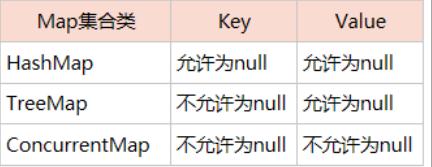
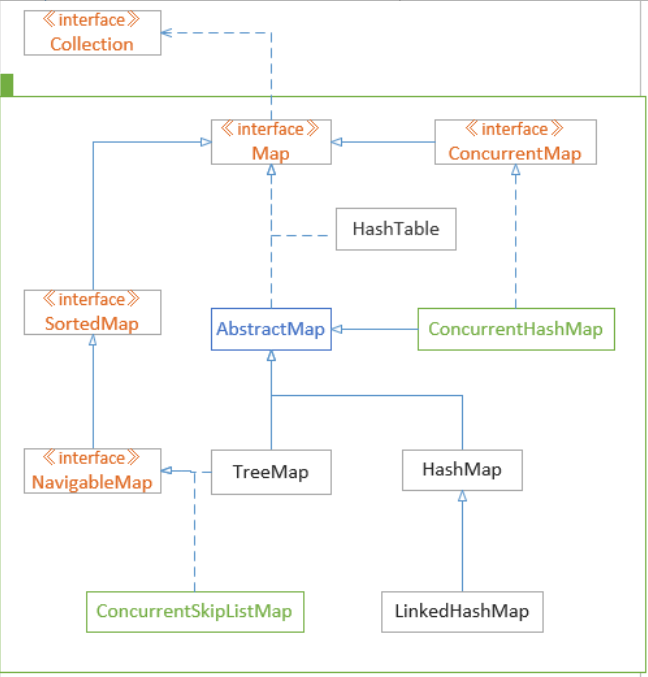
Map 接口 键值对的集合 (双列集合)

├———Hashtable 接口实现类, 同步, 线程安全

├———HashMap 接口实现类 ,没有同步, 线程不安全-

│—————–├ LinkedHashMap 双向链表和哈希表实现

│—————–└ WeakHashMap

├ ——–TreeMap 红黑树对所有的key进行排序

└———IdentifyHashMap


Collection

java.util.Collection 是集合工具类,用来对集合的操作。部分操作如下

public static <T> bollean addAll(Collection<T> c,T... elements);//添加多个元素

public static <T> void shuffle(List<T> l);//打乱元素顺序

public static <T> void sort(List<T> l)//将集合中元素按照默认规则排序


List

 public interface List<E> extends Collection<E>

特点

  • 有序的集合,存储元素和去除的元素顺序是一致的

  • 有索引,包含了一些带索引的方法

  • 允许存储重复的元素

ArrayList

特点

  • 适合查询,不适合增删改

  • 线程不安全

List接口中带索引的方法(特有):

  • -public void void add(int index, E element): 将指定元素,添加到指定位置上

  • -public E set(int index, E element): 用指定元素替换集合中指定位置的元素,返回值的更新前元素

  • -public E get (int inde): 返回集合中指定位置的元素

  • -public E remove (int inde): 移除集合中指定位置的元素,返回的是被移除的元素

一般操作

  public void test01() {
 
         ArrayList<String> list = new ArrayList<String>();
         list.add("a");
         list.add("c");
         list.add("d");
         list.add("g");
         list.add("a");
 
 //       添加
         list.add(3, "lkl");
         System.out.println(list);
         System.out.println("=========");
 //       移除
         String remove = list.remove(2);
         System.out.println("被移除的元素是:" + remove);
         System.out.println(list);
 //     替换
         String hzy = list.set(3, "hzy");
         System.out.println("被替换的元素" + hzy);
         System.out.println(list);
 
         System.out.println("遍历=========");
         System.out.println("增强for循环遍历=========");
 
 //     遍历
 //       增强for循环
         for (String s : list) {
             System.out.println(s);
        }
         System.out.println("一般for循环=========");
 //       一般for循环
         for (int i = 0; i < list.size(); ++i) {
             System.out.println(list.get(i));
        }
 
         System.out.println("迭代器=========");
 //       迭代器
         Iterator<String> iterator = list.iterator();
         while (iterator.hasNext()){
             System.out.println(iterator.next());
        }
    }


LinkedList

List 接口的链接列表实现。实现所有可选的列表操作,并且允许所有元素(包括 null)。除了实现 List 接口外,LinkedList 类还为在列表的开头及结尾 getremoveinsert 元素提供了统一的命名方法。这些操作允许将链接列表用作堆栈、队列[双端队列。

特点

  • 有很多操作首尾元素的方法

  • 底层是链表:增删改快,查询慢

  • 线程不安全

注意:使用linkedList的话,不能使用多态,因为它有很多特有的方法

一般方法

public void addFirst(E e) 将制定的元素插入此列表的开头

public void addLast(E e) 将制定的元素插入此列表的结尾

public E pop( )从此列表所表示的堆栈处弹出一个元素。

public void push(E e )从此列表所表示的堆栈处弹出一个元素。

public E removeFirst () 移除并返回此列表的第一个元素。

public E removeLast () 移除并返回此列表的最后一个元素。

 //    LinkedList 主要方法
     @Test
     public void test02(){
         LinkedList<String> linked = new LinkedList<String>();
         linked.add("w");
         linked.add("r");
         linked.add("e");
         System.out.println(linked);
 
 //       linked.addFirst("d");
         linked.push("d");//此方法等效于 addFirst(E)。
         System.out.println(linked);
 
         String s = linked.removeFirst();
 //       String pop = linked.pop();//等效于removeFirst
         System.out.println("移除的第一个元素:"+s);
         String s1 = linked.removeLast();
         System.out.println("移除最后一个元素:"+s1);
 
         if(!linked.isEmpty()){
             String first = linked.getFirst();
             System.out.println("first:"+first);
             String last = linked.getLast();
             System.out.println("last:"+last);
        }
         System.out.println("===========");
         System.out.println(linked);
 
    }


Vector

public class Vector<E> extends AbstractList<E> implements List<E>, RandomAccess, Cloneable, Serializable


Vector 类可以实现可增长的对象数组。与数组一样,它包含可以使用整数索引进行访问的组件。但是,Vector 的大小可以根据需要增大或缩小,以适应创建 Vector 后进行添加或移除项的操作。

  • 单线程、速度慢

set

java.util.Set接口 extends Collection接口

特点

  • 不允许存储重复的元素

  • 没有索引,没有带索引的方法,也不能用普通的for循环遍历

  • 根据hashcode() 和 equals()方法 共同判断是否重复

hashSet

  • 基于 HashMap 来实现的,是一个不允许有重复元素的集合。

  • 允许有 null 值。

  • 是无序的,即不会记录插入的顺序。

  • 不是线程安全的。

  • HashSet 实现了 Set 接口。


一般代码

 //    去重操作  HashSet 需要重写hashCode() 和 equals()方法    
 @Test
     public void test01() {
         Set stus = new HashSet();
         Student student1 = new Student("小美3", 18);
         Student student2 = new Student("小美2", 18);
         Student student3 = new Student("小美3", 18);
         stus.add(student1);
         stus.add(student2);
         stus.add(student3);
         System.out.println("student1==student3:"+ (student1.equals(student3)));
         System.out.println(stus);
 //       1.使用迭代器遍历
         System.out.println("=============");
         System.out.println("使用迭代器遍历");
         Iterator iterator = stus.iterator();
 
         while (iterator.hasNext()) {
             System.out.println(iterator.next());
        }
 
 //       2.使用for each遍历
         System.out.println("=============");
         System.out.println("使用for each遍历");
         for (Object o : stus) {
             System.out.println(o);
 
        }
    }


treeSet

  • 有序

一般操作

     // TreeSet
     @Test
     public void test02(){
         Set<Student> stus = new TreeSet<Student>();
 
         Student student1 = new Student("小美u", 18);
         Student student2 = new Student("小美2", 18);
         Student student4 = new Student("小美4", 55);
         Student student3 = new Student("小美3", 17);
         stus.add(student1);
         stus.add(student2);
         stus.add(student3);
         stus.add(student4);
 
         System.out.println("=============");
 
 //       使用for each遍历
         for (Object o : stus) {
             System.out.println(o);
 
        }
 
         Set<String> set = new TreeSet<String>();
         System.out.println("=============");
         set.add("ssssll");
         set.add("aaa");
         set.add("aba");
         set.add("cccc");
 
         for (String i : set) {
             System.out.println(i);
        }
 
    }

学生类

 package com.pojo;
 
 import lombok.AllArgsConstructor;
 import lombok.Data;
 import lombok.NoArgsConstructor;
 
 /**
  * @author 刘凯丽
  * @createTime 2021/4/18 21:27
  * @projectName javase-study
  * @className Student.java
  * @description TODO
  */
 
 public class Student implements Comparable<Student>{
 
     private String name;
     private int age;
 
     @Override
     public String toString() {
         return "Student{" +
                 "name='" + name + '\'' +
                 ", age=" + age +
                 '}';
    }
 
     public String getName() {
         return name;
    }
 
     public void setName(String name) {
         this.name = name;
    }
 
     public int getAge() {
         return age;
    }
 
     public void setAge(int age) {
         this.age = age;
    }
 
     public Student(String name, int age) {
         this.name = name;
         this.age = age;
    }
 
     public int compareTo(Student o) {
         if(this.age>o.age)
             return 1;
         else if(this.age==o.age &&this.name.equals(o.name) )
             return 0;
         else
             return  -1;
    }
 }


LinkedHashSet

java.util.LinkedHashSet extends HashSet集合

特点:

底层是一个哈希表(数组+链表/红黑树)+链表;多了一条链表

保证其中元素是有序的


Map


posted @ 2021-04-20 13:11  变成星星眼  阅读(65)  评论(0)    收藏  举报