
动态SQL(IF、where、SQL片段、foreach等)、缓存
什么是动态SQL:动态SQL就是指根据不同的条件生成不同的SQL语句
如果你之前用过 JSTL 或任何基于类 XML 语言的文本处理器,你对动态 SQL 元素可能会感觉似曾相识。在 MyBatis 之前的版本中,需要花时间了解大量的元素。借助功能强大的基于 OGNL 的表达式,MyBatis 3 替换了之前的大部分元素,大大精简了元素种类,现在要学习的元素种类比原来的一半还要少。
- if
- choose (when, otherwise)
- trim (where, set)
- foreach
搭建环境
CREATE TABLE `blog`(
`id` VARCHAR(50) NOT NULL COMMENT '博客id',
`title` VARCHAR(100) NOT NULL COMMENT '博客标题',
`author` VARCHAR(30) NOT NULL COMMENT '博客作者',
`create_time` DATETIME NOT NULL COMMENT '创建时间',
`views` INT(30) NOT NULL COMMENT '浏览量'
)ENGINE=INNODB DEFAULT CHARSET=utf8;
创建一个基础工程
-
导包
-
编写配置文件
-
编写实体类
-
编写实体类对应Mapper接口和Mapper.xml文件
IF
  <select id="queryBlogIF" resultType="com.kuang.pojo.Blog" parameterType="map">
        select * from mybatis.blog where 1=1
        <if test="author != null">
            and author=#{author}
        </if>
        <if test="views != null">
            and views=#{views}
        </if>
    </select>
    public void queryBlogIF(){
        SqlSession sqlSession = MybatisUtils.getSqlSession();
        BlogMapper mapper = sqlSession.getMapper(BlogMapper.class);
        HashMap map = new HashMap();
        map.put("author","荣哥");
        map.put("views","9999");
        List<Blog> blogs = mapper.queryBlogIF(map);
        for (Blog blog : blogs) {
            System.out.println(blog);
        }
        sqlSession.close();
    }
就能查出满足author=荣哥,views=9999的记录
choose、when、otherwise
    <select id="queryBlogChoose" parameterType="map" resultType="com.kuang.pojo.Blog">
        select * from mybatis.blog
        <where>
            <choose>
                <when test="title != null">
                    title = #{title}
                </when>
                <when test="author != null">
                    and  author = #{author}
                </when>
                <otherwise>
                    and views = #{views}
                </otherwise>
            </choose>
        </where>
    </select>
trim、where、set
        select * from mybatis.blog
      //where 元素只会在子元素返回任何内容的情况下才插入 “WHERE” 子句,
      //若子句的开头为 “AND” 或 “OR”,where 元素也会将它们去除。
      //如果没有where标签第一个and要去掉,不然报错。
        <where>
        <if test="title!=null">
            and title = #{title}
        </if>
        <if test="author != null">
            and author like #{author}
        </if>
        <if test="views != null">
            and views=#{views}
        </if>
        </where>
   //set 元素会动态地在行首插入 SET 关键字,并会删掉额外的逗号(这些逗号是在使用条件语句给列赋值时引入的)。
   <update id="updateBlog" parameterType="map">
        update mybatis.blog
        <set>
            <if test="title != null">
                title = #{title},
            </if>
            <if test="author != null">
                author = #{author}
            </if>
        </set>
        where id = #{id}
    </update>
所谓的动态SQL,本质还是SQL语句,只是我们可以在SQL层面。去执行一个逻辑代码
SQL片段
有的时候,我们可能会将一些功能的部分抽取出来,方便复用!
-
使用SQL标签抽取公共的部分
    <sql id="id-title-author">
        <if test="title!=null">
            and title = #{title}
        </if>
        <if test="author != null">
            and author like #{author}
        </if>
</sql> -
在需要使用的地方使用include标签引用即可
    <select id="queryBlogIF" resultType="com.kuang.pojo.Blog" parameterType="map">
        select * from mybatis.blog
        <where>
        <include refid="id-title-author"></include>
        </where>
    </select>
注意事项:
-
最好基于单表来定义SQL片段
-
不要存在where标签
Foreach
select * from user where 1=1 and(id=1 or id=2 or id=3)
<foreach item="id" collection="ids"
open="(" separator="or" close=")">
#{id}
</foreach>
(id=1 or id=2 or id=3)
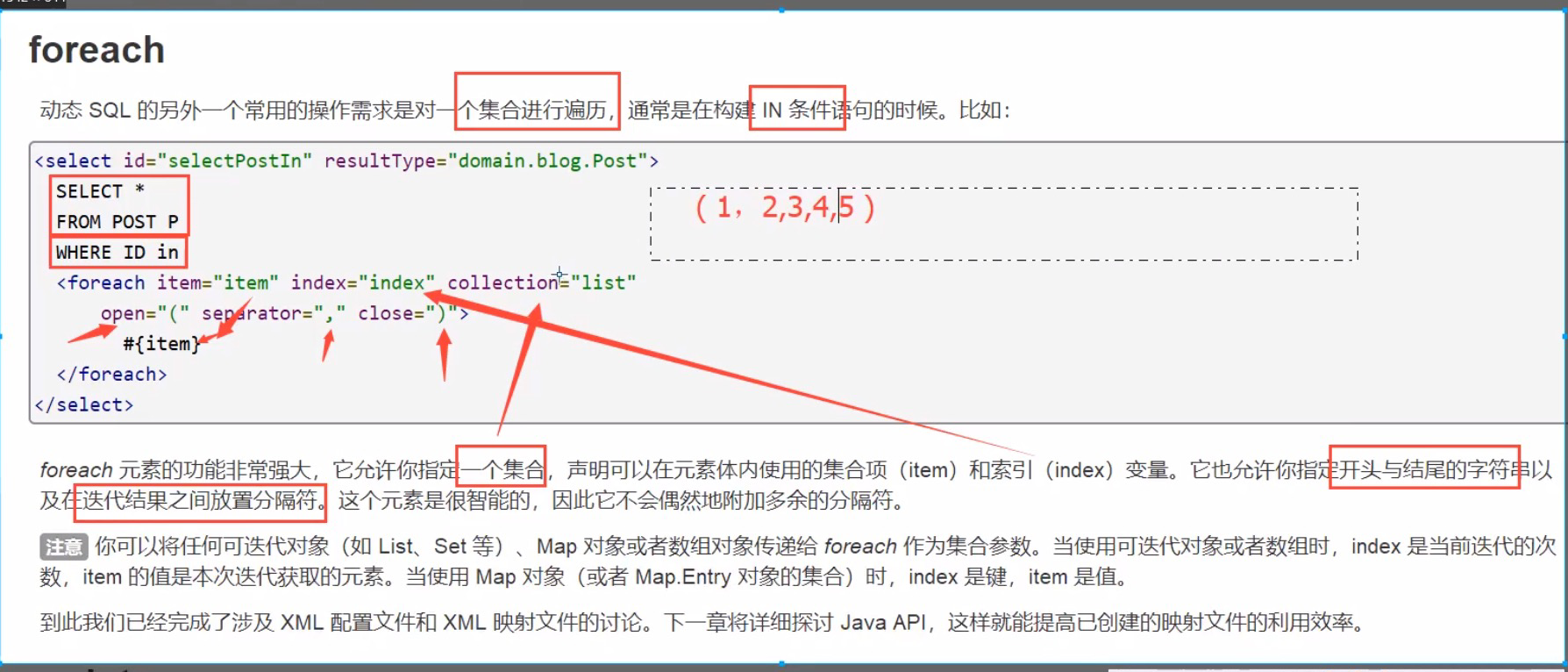

<!--select * from mybatis.blog where 1=1 and(id=1 or id=2 or id=3)
我们现在传递一个万能的map,这map中可以存在一个集合!
-->
<select id="queryBlogForeach" parameterType="map" resultType="com.kuang.pojo.Blog">
select * from mybatis.blog
<where> //遍历出来的集合为ids,对应的每一项就是一个ide(名字自己取)
<foreach collection="ids" item="ide" open="and (" separator="or" close=")">
id=#{ide}
</foreach>
</where>
</select>
   public void queryBlogForeach(){
        SqlSession sqlSession = MybatisUtils.getSqlSession();
        BlogMapper mapper = sqlSession.getMapper(BlogMapper.class);
        HashMap map = new HashMap();
        ArrayList<Integer> ids = new ArrayList<Integer>();
        ids.add(1);
        ids.add(2);
        ids.add(3);
        map.put("ids",ids);
        List<Blog> blogs = mapper.queryBlogForeach(map);
        for (Blog blog : blogs) {
            System.out.println(blog);
        }
        sqlSession.close();
    }
}
动态SQL就是在拼接SQL语句,我们主要保证SQL的正确性,按照SQL的格式,去排列组合就可以了
建议:
-
先在Mysql中写出完整的SQL,再对应的去修改成为我们的动态SQL实现通用即可!
13、缓存
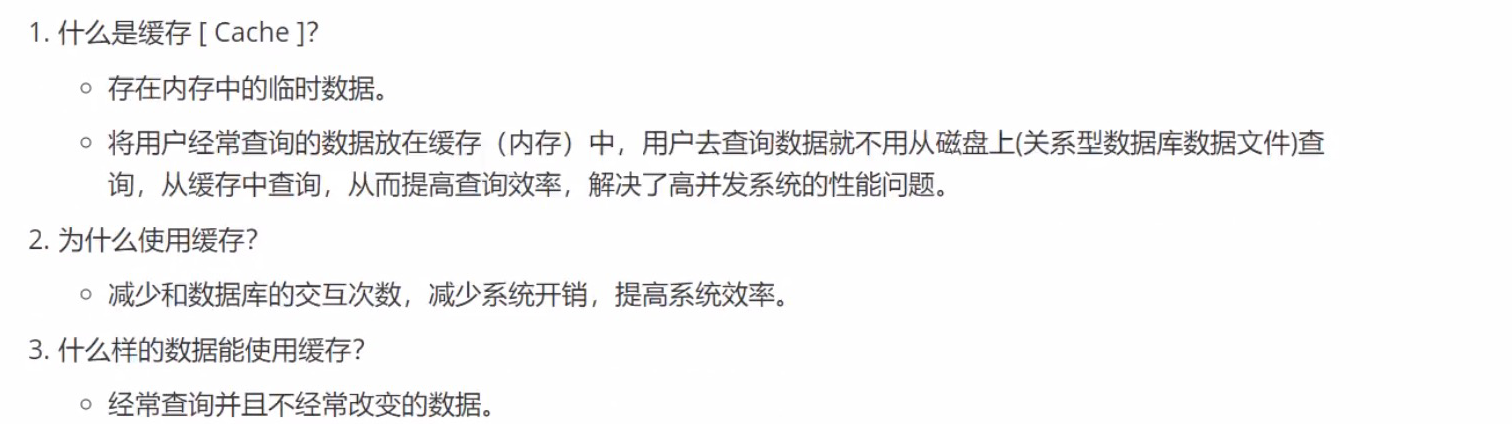
13.1、简介
查询:  连接数据库,耗资源!
    一次查询的结果,给他暂存一个可以直接取到的地方!  --> 内存 :缓存

我们再次查询相同数据的时候,直接走缓存,就不用走数据库了
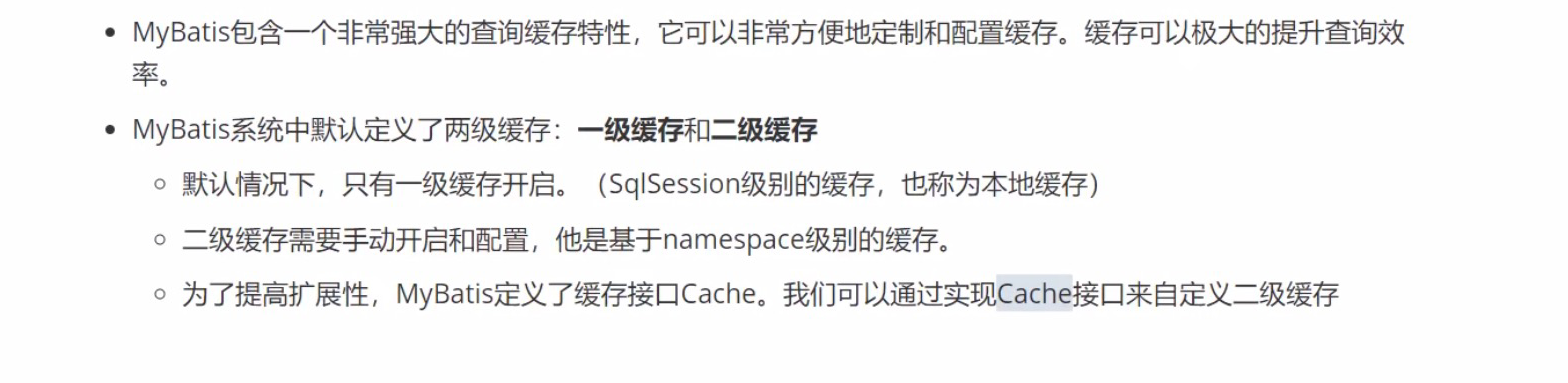
13.2、Mybatis缓存
13.3、一级缓存
-
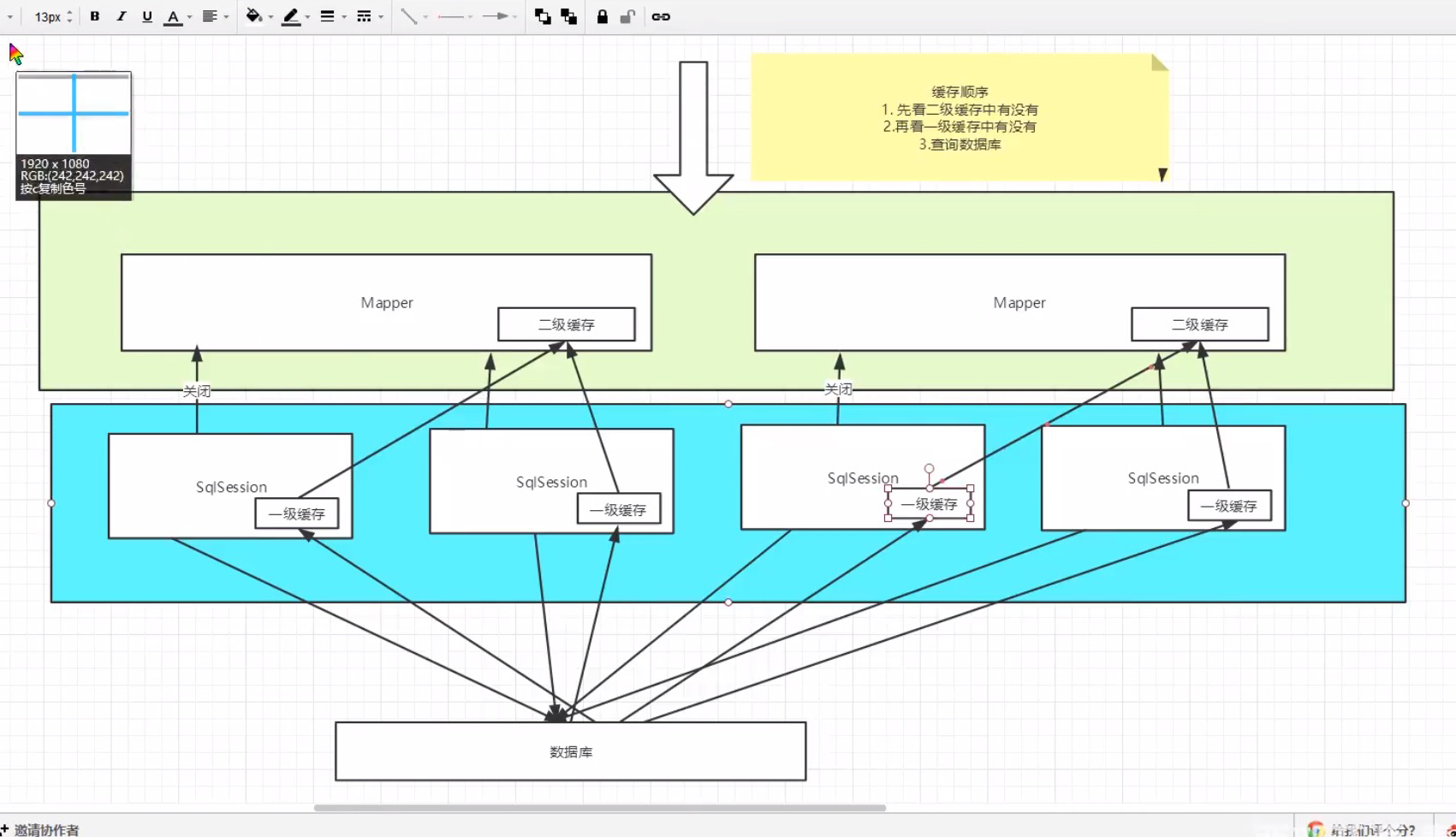
一级缓存也叫本地缓存(默认开启):SqlSession
-
与数据库同一次会话期间查询的数据会放在本地缓存中。
-
以后如果需要获取相同的数据,直接从缓存中拿,没必要再去查询数据库;
-
测试步骤:
-
开启日志
-
测试在一个Session中查询两次相同记录
-
查询日志输出
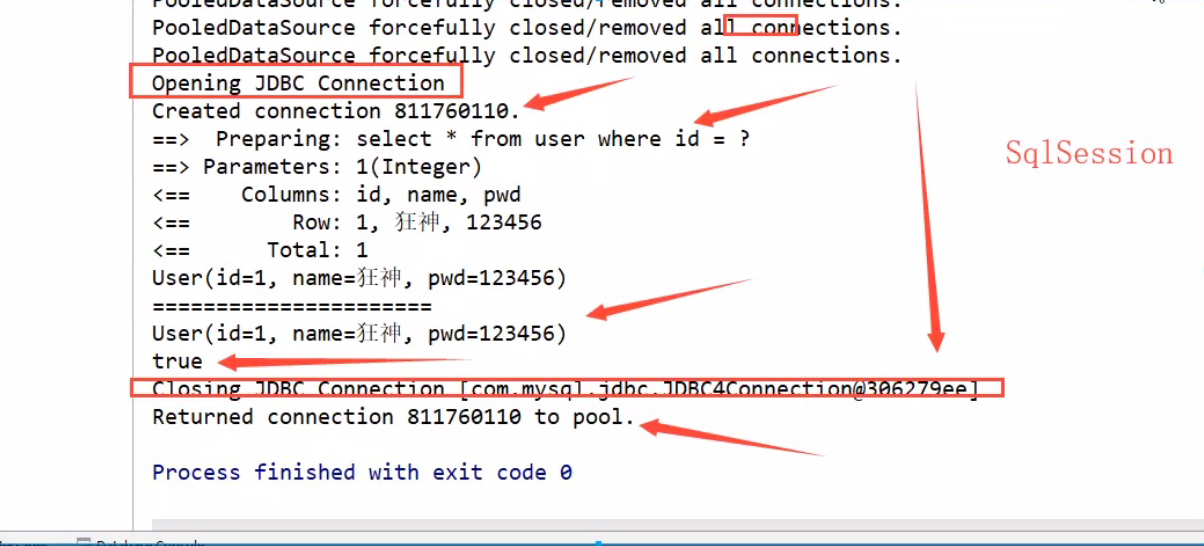
缓存失效的情况:
-
查询不同的东西
-
增删改操作,可能会改变原来的数据,所以必定会刷新缓存!
![]()
-
查询不同的Mapper.xml
-
手动清理缓存
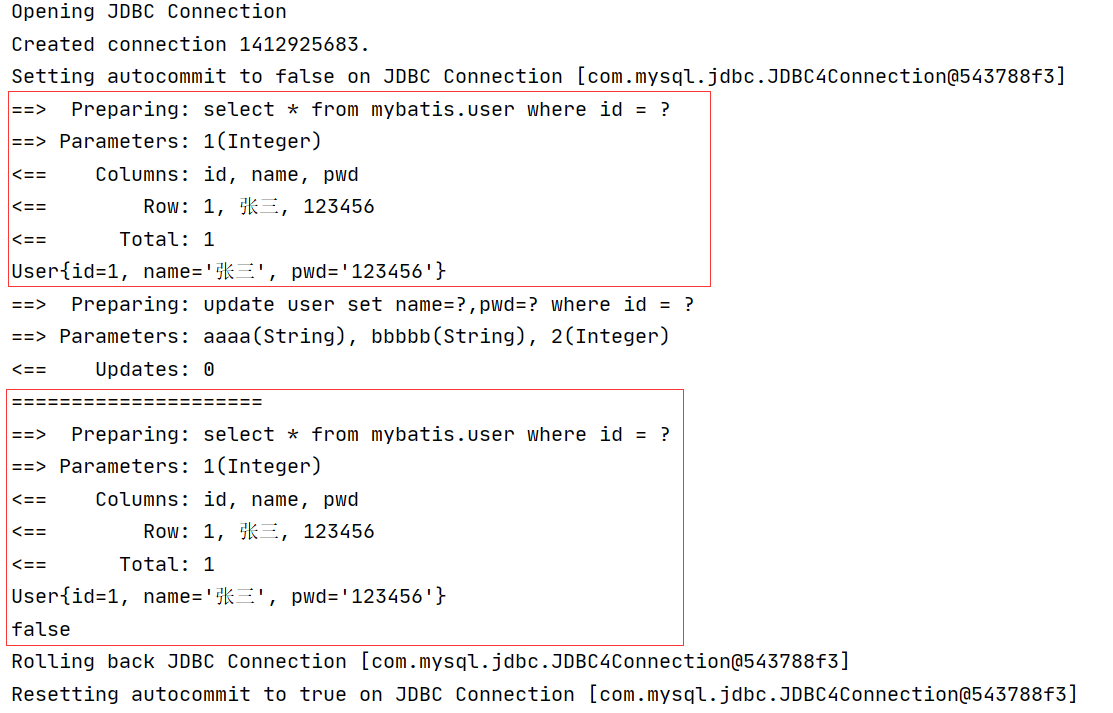
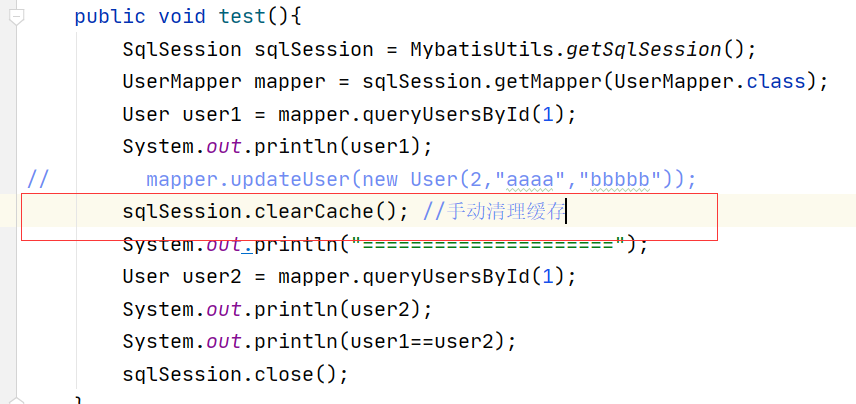
小结:一级缓存默认是开启的,只在一次SqlSession中有效,也就是拿到连接到关闭连接这个区间段!
一级缓存相当于一个Map。
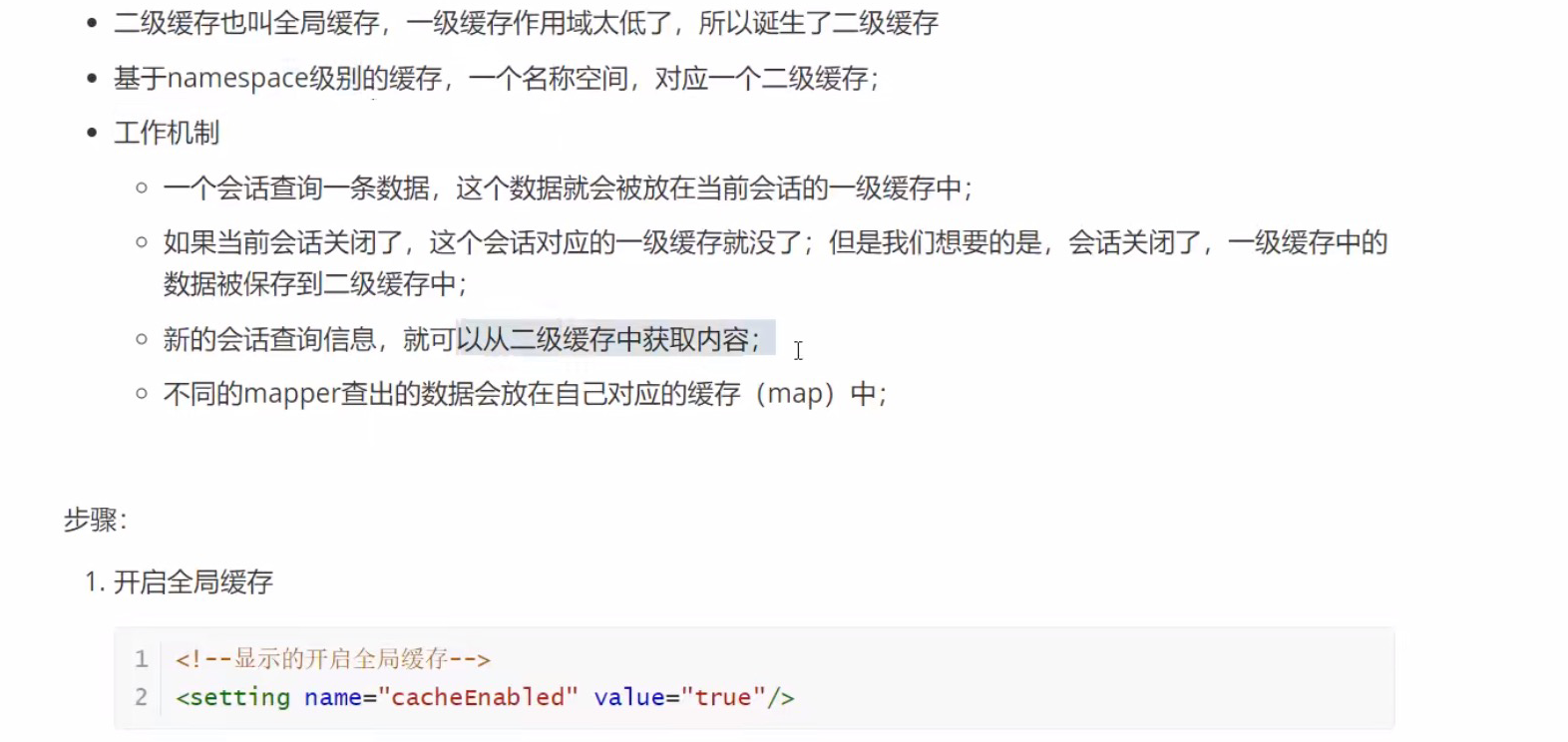
13.4、二级缓存
-
在要使用二级缓存的Mapper中开启
<!--    在当前Mapper.xml中使用二级缓存-->
    <cache/>
也可以自定义参数
    <cache
            eviction="FIFO"
            flushInterval="60000"
            size="512"
readOnly="true"/> -
测试
-
问题:我们需要将实体类序列化,否则就会报错!
Caused by: java.io.NotSerializableException: com.kuang.pojo.User
小结:
-
只要开启了二级缓存,在同一个Mapper下就有效
-
所有的数据都会先放在一级缓存中
-
-
13.5、缓存原理
13.6、自定义缓存

 浙公网安备 33010602011771号