[LeetCode] 1944. Number of Visible People in a Queue_Hard tag: stack
2023-10-11 05:27 Johnson_强生仔仔 阅读(37) 评论(0) 收藏 举报There are n people standing in a queue, and they numbered from 0 to n - 1 in left to right order. You are given an array heights of distinct integers where heights[i] represents the height of the ith person.
A person can see another person to their right in the queue if everybody in between is shorter than both of them. More formally, the ith person can see the jth person if i < j and min(heights[i], heights[j]) > max(heights[i+1], heights[i+2], ..., heights[j-1]).
Return an array answer of length n where answer[i] is the number of people the ith person can see to their right in the queue.
Example 1:
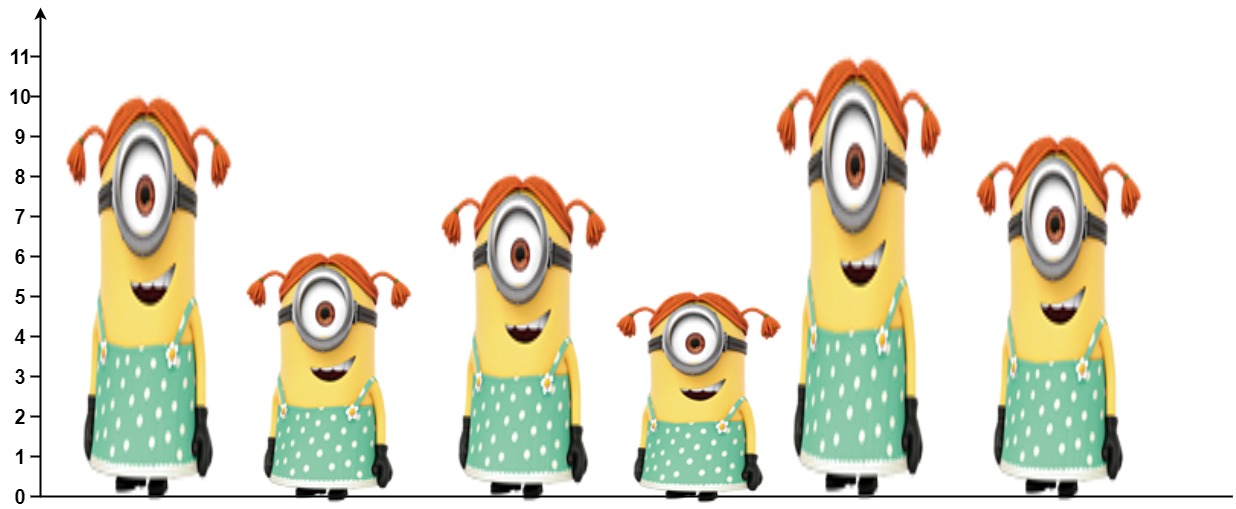
Input: heights = [10,6,8,5,11,9]
Output: [3,1,2,1,1,0]
Explanation:
Person 0 can see person 1, 2, and 4.
Person 1 can see person 2.
Person 2 can see person 3 and 4.
Person 3 can see person 4.
Person 4 can see person 5.
Person 5 can see no one since nobody is to the right of them.
Example 2:
Input: heights = [5,1,2,3,10]
Output: [4,1,1,1,0]
Constraints:
n == heights.length1 <= n <= 1051 <= heights[i] <= 105- All the values of
heightsare unique.
利用 strict decreasing stack来得到第一个左边比nums[i] 大的index,count所有i与那个index之间的num的个数
考虑利用Data structure - Stack 小结及leetcode相关题目 里面的模板
注意因为是从左往右看,所以我们reverse 来traverse。
T: O(n), S: O(n)
class Solution:
    def canSeePersonsCount(self, heights: List[int]) -> List[int]:
        n = len(heights)
        ans = [0] * n
        stack = [] # decrease stack
        for i in range(n - 1, -1, -1):
            while stack and stack[-1] <= heights[i]:
                stack.pop()
                ans[i] += 1 # count num that <= heights[i]
            if stack:
                ans[i] += 1 # plus the first num that > heights[i] if exists
            stack.append(heights[i])
        return ans

 浙公网安备 33010602011771号