

2021年第一次blog总结
一、前言
经过第一个月学习,已经了初步了解到面向对象的程序设计的一些特点。下面将总结三次习题集的一些要点。
1.习题集一 总共8题:
1-6题分别考察Java的各基础语法(输入,输出,各数据类型,循环,选择,数组等),7题考查排序方法,8题通过一个三角形的判断来考察我们的逻辑思维。
2.习题集二 总共5题:
1题考察对字符串的处理,2题考查有序数组的合并,3-5题通过对日期的处理来让我们感知类的定义以及对方法的构造
3.习题集三 总共3题:
1-3题都考查对类的设计与构造,前两题给予类设计的提示,第三题还考察了正则表达式对字符串的处理。
二、设计与分析
1.习题集一
全部八题非常基础为从C语言到Java的适应期题目,在此仅对有一定难度的第八题分析
题目:输入三角形三条边,判断该三角形为什么类型的三角形。
输入格式
(在一行中输入三角形的三条边的值(实型数),可以用一个或多个空格或回车分隔,其中三条边的取值范围均为[1,200]。)
输出格式
((1)如果输入数据非法,则输出“Wrong Format”; (2)如果输入数据合法,但三条边不能构成三角形,则输出“Not a triangle”; (3)如果输入数据合法且能够成等 边三角形,则输出“Equilateral triangle”; (3)如果输入数据合法且能够成等腰直角三角形,则输出“Isosceles right-angled triangle”; (5)如果输入数据合法且 能够成等腰三角形,则输出“Isosceles triangle”; (6)如果输入数据合法且能够成直角三角形,则输出“Right-angled triangle”; (7)如果输入数据合法且能够成一 般三角形,则输出“General triangle”。)
下面为提交源码:
 1 import java.util.Scanner;
 2 public class Main {
 3   public static void main(String[] args){
 4      Scanner in = new Scanner(System.in);
 5      double a,b,c,d,e,f;
 6
 7      a= in.nextDouble();
 8      b= in.nextDouble();
 9      c= in.nextDouble();
10
11
12
13
14
15      if((a>=1&&a<=200) &&(b>=1&&b<=200) && (c>=1&&c<=200)) {
16       if((a+b<=c)||(a+c<=b)||(b+c<=a))
17        System.out.print("Not a triangle");
18
19       else if(a==b&&b==c)
20        System.out.print("Equilateral triangle");
21       else if((a==b&&(Math.abs((a*a)*2-c*c)<=1e-1))||(a==c&&(Math.abs((a*a)*2-b*b)<=1e-1))||(c==b&&(Math.abs((b*b)*2-a*a)<=1e-1)))
22        System.out.print("Isosceles right-angled triangle");
23       else if(((a==b)&&(a!=c))||((a==c)&&(a!=b))||((c==b)&&(c!=a)))
24        System.out.print("Isosceles triangle");
25       else if(((a*a+b*b)==c*c||((a*a+c*c)==b*b))||((b*b+c*c)==a*a))
26        System.out.print("Right-angled triangle");
27       else
28        System.out.print("General triangle");
29      }
30
31      else {
32          System.out.print("Wrong Format");
33         }
34
35
36
37   }
38 }
由于在输出格式中已经提示了基本算法,按照提示要求,写出各三角形的判定条件即可。
但是关于等腰直角三角形的判定出了比较大的问题
1 else if((a==b&&(Math.abs((a*a)*2-c*c)<=1e-1))||(a==c&&(Math.abs((a*a)*2-b*b)<=1e-1))||(c==b&&(Math.abs((b*b)*2-a*a)<=1e-1)))
2        System.out.print("Isosceles right-angled triangle");
其中的 (Math.abs((a*a)*2-c*c)=1e-1),其转化成数学语言即 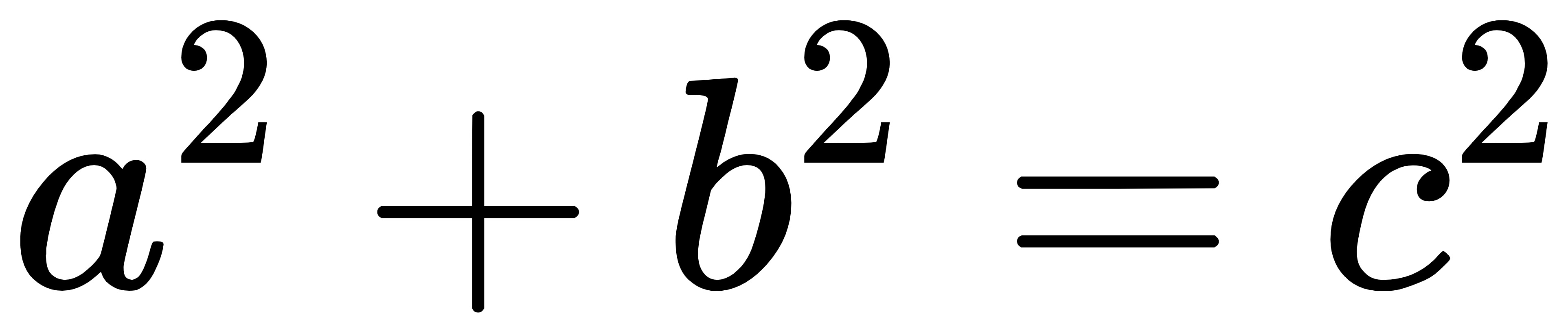 。但根式在计算机中的存储不是以无理数来存储,而是被化简为一个有理数,即需要用(Math.abs((a*a)*2-c*c)<=1e-1)
来判断。
2.习题集二
1,2题较为基础,在此不分析。3-5题都关于日期处理。
第三题题目:输入年月日的值(均为整型数),输出该年份是否为闰年,同时输出该日期为星期几。 其中:年份的合法取值范围为[1820,2020] ,月份合法取值范围为[1,12] ,日期合法取 值范围为[1,31] ; 判断星期几的算法如下:假定公元0001年1月1日为星期一,因此只要计算出当前输入日期离0001年1月1日所差的天数,然后拿这个天数除以7求余数,当余数为0时,为星 期日,当余数为1时,为星期一,以此类推,当余数为6时,为星期六。
下面为提交源码:
  1 import java.util.Scanner;
  2
  3 public class Main {
  4
  5     public static void main(String[] args) {
  6         // TODO Auto-generated method stub
  7
  8         Scanner sc=new Scanner(System.in);
  9         int year=0,month=0,date=0;
 10         year=sc.nextInt();
 11         month=sc.nextInt();
 12         date=sc.nextInt();
 13
 14         if(year<1820||year>2020) {
 15             System.out.println("Wrong Format");
 16             System.exit(0);
 17         }
 18
 19         if(month<1||month>12) {
 20             System.out.println("Wrong Format");
 21             System.exit(0);
 22         }
 23
 24         if(date>31||date<1) {
 25             System.out.println("Wrong Format");
 26             System.exit(0);
 27         }
 28
 29         else if(date==31) {
 30             if(month==4||month==6||month==9||month==11) {
 31             System.out.println("Wrong Format");
 32             System.exit(0);
 33             }
 34         }
 35
 36         else if(date==29) {
 37             if(isLeapYear(year)==false) {
 38                 System.out.println("Wrong Format");
 39                 System.exit(0);
 40             }
 41
 42
 43         }
 44
 45         if(isLeapYear(year)==true) {
 46             System.out.println(year+" is a leap year" +"." );
 47         }
 48         else {
 49             System.out.println(year+" is not a leap year" +"." );
 50         }
 51
 52         int z=numOfDays(year,month ,date);
 53         String A=getWhatDay(z);
 54         System.out.println(year+"-"+month+"-"+date+" is "+A+".");
 55
 56     }
 57
 58     private static boolean isLeapYear(int year) {
 59         // TODO Auto-generated method stub
 60         boolean x=false;
 61
 62         if (year % 4 == 0){
 63             if (year % 100 == 0){
 64                 if (year % 400 == 0){
 65                     x=true;
 66                 }
 67
 68             }
 69             else{
 70                 x=true;
 71             }
 72         }
 73
 74         return x;
 75         }
 76
 77     public static int numOfDays(int year,int month ,int day) {
 78         int t=0;
 79         int a=year-1,r=0,b=0;
 80         for(int i=a;i>0;i--) {
 81             if(isLeapYear(i)==true) {
 82                 r++;
 83             }
 84         }
 85         b=a-r;
 86         t=365*b+366*r;
 87
 88         int m=0, n=0,s=0,p=0;
 89         if (month +1<= 8)
 90         {
 91             for (int i = 1; i < month; i = i + 2) {
 92                 m++;
 93             }
 94
 95             for (int j = 4; j < month; j = j + 2) {
 96                 n++;
 97             }
 98
 99         }
100         else
101         {
102             m = 4;
103             n = 2;
104             for (int i = 8; i < month; i = i + 2) {
105                 m++;
106             }
107
108             for (int j = 9; j < month; j = j + 2) {
109                 n++;
110             }
111
112         }
113         if(month>2) {
114             if(isLeapYear(year)==true) {
115                 p=29;
116             }
117             else {
118                 p=28;
119             }
120         }
121         s = 31 * m + 30 * n + day+p;
122         t+=s;
123         return t;
124     }
125
126     public static String getWhatDay(int days) {
127         int sum=days%7;
128         String end="";
129         switch(sum) {
130         case 0:{
131             end="Sunday";
132         break;
133         }
134
135         case 1:{
136             end="Monday";
137         break;
138         }
139
140         case 2:{
141             end="Tuesday";
142         break;
143         }
144
145         case 3:{
146             end="Wednesday";
147         break;
148         }
149
150         case 4:{
151             end="Thursday";
152         break;
153         }
154
155         case 5:{
156             end="Friday";
157         break;
158         }
159
160         case 6:{
161             end="Saturday";
162         break;
163         }
164
165
166
167     }
168     return end;
169     }
170 }
判断具体星期几的算法已给,那本题核心为求出具体距公元0001年1月1日的具体天数
首先:
1 int t=0;
2         int a=year-1,r=0,b=0;
3         for(int i=a;i>0;i--) {
4             if(isLeapYear(i)==true) {
5                 r++;
6             }
7         }
8         b=a-r;
9         t=365*b+366*r;
a为除本年以外距0001年的年数,通过循环判断出其中具体有多少闰年。从而得出除本年外的所有天数。
其次:
 1 int m=0, n=0,s=0,p=0;
 2         if (month +1<= 8)
 3         {
 4             for (int i = 1; i < month; i = i + 2) {
 5                 m++;
 6             }
 7
 8             for (int j = 4; j < month; j = j + 2) {
 9                 n++;
10             }
11
12         }
13         else
14         {
15             m = 4;
16             n = 2;
17             for (int i = 8; i < month; i = i + 2) {
18                 m++;
19             }
20
21             for (int j = 9; j < month; j = j + 2) {
22                 n++;
23             }
24
25         }
这里算出除去二月的本年天数
具体以7,8月份为界。
上半部分 1,3,5,7(31天)与4,6(30天)。
下半部分8,10,12(31天)与9,11 (30天)。(其中,划分开的月份都是公差为2的等差数列,可以用循环处理)
最后:
 1 if(month>2) {
 2             if(isLeapYear(year)==true) {
 3                 p=29;
 4             }
 5             else {
 6                 p=28;
 7             }
 8         }
 9         s = 31 * m + 30 * n + day+p;
10         t+=s;
判断闰年是否,完成天数的计算。
第四题题目:输入年月日的值(均为整型数),输出该日期的下一天。 其中:年份的合法取值范围为[1820,2020] ,月份合法取值范围为[1,12] ,日期合法取值范围为[1,31] 。
下面为提交源码:
  1 import java.util.Scanner;
  2
  3 public class Main {
  4
  5     public static void main(String[] args) {
  6         // TODO Auto-generated method stub
  7
  8         Scanner sc=new Scanner(System.in);
  9         int year=0,month=0,day=0;
 10         year=sc.nextInt();
 11         month=sc.nextInt();
 12         day=sc.nextInt();
 13
 14         if(checkInputValidity( year, month, day)==false) {
 15             System.out.println("Wrong Format");
 16             System.exit(0);
 17         }
 18
 19
 20         nextDate( year, month, day);
 21
 22     }
 23
 24     private static boolean isLeapYear(int year) {
 25         // TODO Auto-generated method stub
 26         boolean x=false;
 27
 28         if (year % 4 == 0){
 29             if (year % 100 == 0){
 30                 if (year % 400 == 0){
 31                     x=true;
 32                 }
 33
 34             }
 35             else{
 36                 x=true;
 37             }
 38         }
 39
 40         return x;
 41         }
 42
 43
 44     public static boolean checkInputValidity(int year,int month,int day) {
 45
 46         boolean x=true;
 47
 48         if(year<1820||year>2020) {
 49             x=false;
 50         }
 51
 52         if(month<1||month>12) {
 53             x=false;
 54         }
 55
 56         if(day>31||day<1) {
 57             x=false;
 58         }
 59
 60         else if(day==31) {
 61             if(month==4||month==6||month==9||month==11) {
 62                 x=false;
 63             }
 64         }
 65
 66         else if(day==29) {
 67             if(isLeapYear(year)==false) {
 68                 x=false;
 69             }
 70
 71
 72         }
 73         return x;
 74     }
 75
 76     public static void nextDate(int year,int month,int day) {
 77         if(day==31) {
 78             if(month==12) {
 79                 year++;
 80                 System.out.println("Next date is:"+year+"-"+1+"-"+1);
 81             }
 82             else {
 83                 month++;
 84                 System.out.println("Next date is:"+year+"-"+month+"-"+1);
 85             }
 86         }
 87
 88         else if(day==30) {
 89             if(month==4||month==6||month==9||month==11) {
 90                 month++;
 91                 System.out.println("Next date is:"+year+"-"+month+"-"+1);
 92             }
 93
 94             else {
 95                 System.out.println("Next date is:"+year+"-"+month+"-"+31);
 96             }
 97
 98         }
 99
100         else if(day==29) {
101             if(month==2) {
102                 System.out.println("Next date is:"+year+"-"+3+"-"+1);
103             }
104
105             else {
106                 day++;
107                 System.out.println("Next date is:"+year+"-"+month+"-"+day);
108             }
109
110         }
111
112         else if(day==28) {
113             if(month==2) {
114                 if(isLeapYear( year)) {
115                     System.out.println("Next date is:"+year+"-"+2+"-"+29);
116                 }
117                 else {
118                     System.out.println("Next date is:"+year+"-"+3+"-"+1);
119                 }
120             }
121
122             else {
123                 day++;
124                 System.out.println("Next date is:"+year+"-"+month+"-"+day);
125             }
126         }
127
128         else {
129             day++;
130             System.out.println("Next date is:"+year+"-"+month+"-"+day);
131         }
132
133     }
134 }
本体核心就是跨月份时的处理
 1 public static void nextDate(int year,int month,int day) {
 2         if(day==31) {
 3             if(month==12) {
 4                 year++;
 5                 System.out.println("Next date is:"+year+"-"+1+"-"+1);
 6             }
 7             else {
 8                 month++;
 9                 System.out.println("Next date is:"+year+"-"+month+"-"+1);
10             }
11         }
12
13         else if(day==30) {
14             if(month==4||month==6||month==9||month==11) {
15                 month++;
16                 System.out.println("Next date is:"+year+"-"+month+"-"+1);
17             }
18
19             else {
20                 System.out.println("Next date is:"+year+"-"+month+"-"+31);
21             }
22
23         }
24
25         else if(day==29) {
26             if(month==2) {
27                 System.out.println("Next date is:"+year+"-"+3+"-"+1);
28             }
29
30             else {
31                 day++;
32                 System.out.println("Next date is:"+year+"-"+month+"-"+day);
33             }
34
35         }
36
37         else if(day==28) {
38             if(month==2) {
39                 if(isLeapYear( year)) {
40                     System.out.println("Next date is:"+year+"-"+2+"-"+29);
41                 }
42                 else {
43                     System.out.println("Next date is:"+year+"-"+3+"-"+1);
44                 }
45             }
46
47             else {
48                 day++;
49                 System.out.println("Next date is:"+year+"-"+month+"-"+day);
50             }
51         }
52
53         else {
54             day++;
55             System.out.println("Next date is:"+year+"-"+month+"-"+day);
56         }
57
58     }
59 }
先是以day为基准判断 ,即31,30,29,28,以及其他
31日:
1 if(month==12) {
2                 year++;
3                 System.out.println("Next date is:"+year+"-"+1+"-"+1);
4             }
5             else {
6                 month++;
7                 System.out.println("Next date is:"+year+"-"+month+"-"+1);
8
9 }
主要是12月的跨年处理,及其他月份的跨月处理
30日:
 1 else if(day==30) {
 2             if(month==4||month==6||month==9||month==11) {
 3                 month++;
 4                 System.out.println("Next date is:"+year+"-"+month+"-"+1);
 5             }
 6
 7             else {
 8                 System.out.println("Next date is:"+year+"-"+month+"-"+31);
 9             }
10
11         }
主要是判断30号是否为该月最后一天,然后在做跨月处理或通常处理。
29日:
 1 else if(day==29) {
 2             if(month==2) {
 3                 System.out.println("Next date is:"+year+"-"+3+"-"+1);
 4             }
 5
 6             else {
 7                 day++;
 8                 System.out.println("Next date is:"+year+"-"+month+"-"+day);
 9             }
10
11         }
主要是判断29号是否为该月最后一天,然后在做2月跨月处理或通常处理。(由于前方做过输入校验,所以此处不需要在做闰年判断)
28日:
 1 else if(day==28) {
 2             if(month==2) {
 3                 if(isLeapYear( year)) {
 4                     System.out.println("Next date is:"+year+"-"+2+"-"+29);
 5                 }
 6                 else {
 7                     System.out.println("Next date is:"+year+"-"+3+"-"+1);
 8                 }
 9             }
10
11             else {
12                 day++;
13                 System.out.println("Next date is:"+year+"-"+month+"-"+day);
14             }
15         }
主要是判断是否为闰年二月,然后在做2月跨月处理或通常处理。
最后其他情况为通常处理。
第五题题目:输入年月日的值(均为整型数),同时输入一个取值范围在[-10,10] 之间的整型数n,输出该日期的前n天(当n > 0时)、该日期的后n天(当n<0时)。
其中年份取值范围为 [1820,2020] ,月份取值范围为[1,12] ,日期取值范围为[1,31] 。
下面为提交源码:
  1 import java.util.Scanner;
  2
  3 public class Main {
  4
  5     public static void main(String[] args) {
  6         // TODO Auto-generated method stub
  7
  8         Scanner sc=new Scanner(System.in);
  9         int year=0,month=0,day=0,n=0;
 10         year=sc.nextInt();
 11         month=sc.nextInt();
 12         day=sc.nextInt();
 13         n=sc.nextInt();
 14         if(checkInputValidity( year, month, day)==false) {
 15             System.out.println("Wrong Format");
 16             System.exit(0);
 17         }
 18
 19         if(n>10&&n<-10){
 20             System.out.println("Wrong Format");
 21             System.exit(0);
 22         }
 23         if(n<0) {
 24             n=Math.abs(n);
 25             nextnDate(year,month,day,n);
 26         }
 27
 28         else if(n>0){
 29              lastnDate(year,month,day,n);
 30         }
 31         else {
 32             System.out.println(n+ " days ago is:"+year+"-"+month+"-"+day);
 33         }
 34     }
 35
 36     private static boolean isLeapYear(int year) {
 37         // TODO Auto-generated method stub
 38         boolean x=false;
 39
 40         if (year % 4 == 0){
 41             if (year % 100 == 0){
 42                 if (year % 400 == 0){
 43                     x=true;
 44                 }
 45
 46             }
 47             else{
 48                 x=true;
 49             }
 50         }
 51
 52         return x;
 53         }
 54
 55
 56     public static boolean checkInputValidity(int year,int month,int day) {
 57
 58         boolean x=true;
 59
 60         if(year<1820||year>2020) {
 61             x=false;
 62         }
 63
 64         if(month<1||month>12) {
 65             x=false;
 66         }
 67
 68         if(day>31||day<1) {
 69             x=false;
 70         }
 71
 72         else if(day==31) {
 73             if(month==4||month==6||month==9||month==11) {
 74                 x=false;
 75             }
 76         }
 77
 78         else if(day==29) {
 79             if(isLeapYear(year)==false) {
 80                 x=false;
 81             }
 82
 83
 84         }
 85         return x;
 86     }
 87
 88     public static void nextnDate(int year,int month,int day,int n) {
 89         for(int i=0;i<n;i++) {
 90             if(day==31) {
 91                 if(month==12) {
 92                     year++;
 93                     month=1;
 94                     day=1;
 95                 }
 96                 else {
 97                     month++;
 98                     day=1;
 99                 }
100             }
101
102             else if(day==30) {
103                 if(month==4||month==6||month==9||month==11) {
104                     month++;
105                     day=1;
106                 }
107
108                 else {
109                     day++;
110                 }
111
112             }
113
114             else if(day==29) {
115                 if(month==2) {
116                     month++;
117                     day=1;
118                 }
119
120                 else {
121                     day++;
122                 }
123
124             }
125
126             else if(day==28) {
127                 if(month==2) {
128                     if(isLeapYear( year)) {
129                         day++;
130                     }
131                     else {
132                         month++;
133                         day=1;
134                     }
135                 }
136
137                 else {
138                     day++;
139                 }
140             }
141
142             else {
143                 day++;
144             }
145         }
146         System.out.println(-n+ " days ago is:"+year+"-"+month+"-"+day);
147
148     }
149
150     public static void lastnDate(int year,int month,int day,int n) {
151         for(int i=0;i<n;i++) {
152             if(day==1) {
153                 if(month==1) {
154                     month=12;
155                     year--;
156                     day=31;
157                 }
158                 else if(month==2||month==4||month==6||month==8||month==9||month==11) {
159                     day=31;
160                     month--;
161                 }
162                 else if(month==3) {
163                     if(isLeapYear( year)) {
164                         day=29;
165                         month--;
166                     }
167                     else {
168                         day=28;
169                         month--;
170                     }
171                 }
172             }
173             else {
174                 day--;
175             }
176         }
177         System.out.println(n+ " days ago is:"+year+"-"+month+"-"+day);
178     }
179
180 }
本题实际就是上题的进阶版,n次求下一天和n次求上一天。 即将上题求下一天放入一个循环结构即可。
n次求下一天:
 1 public static void nextnDate(int year,int month,int day,int n) {
 2         for(int i=0;i<n;i++) {
 3             if(day==31) {
 4                 if(month==12) {
 5                     year++;
 6                     month=1;
 7                     day=1;
 8                 }
 9                 else {
10                     month++;
11                     day=1;
12                 }
13             }
14
15             else if(day==30) {
16                 if(month==4||month==6||month==9||month==11) {
17                     month++;
18                     day=1;
19                 }
20
21                 else {
22                     day++;
23                 }
24
25             }
26
27             else if(day==29) {
28                 if(month==2) {
29                     month++;
30                     day=1;
31                 }
32
33                 else {
34                     day++;
35                 }
36
37             }
38
39             else if(day==28) {
40                 if(month==2) {
41                     if(isLeapYear( year)) {
42                         day++;
43                     }
44                     else {
45                         month++;
46                         day=1;
47                     }
48                 }
49
50                 else {
51                     day++;
52                 }
53             }
54
55             else {
56                 day++;
57             }
58         }
59         System.out.println(-n+ " days ago is:"+year+"-"+month+"-"+day);
60
61     }
n次求上一天:
 1 public static void lastnDate(int year,int month,int day,int n) {
 2         for(int i=0;i<n;i++) {
 3             if(day==1) {
 4                 if(month==1) {
 5                     month=12;
 6                     year--;
 7                     day=31;
 8                 }
 9                 else if(month==2||month==4||month==6||month==8||month==9||month==11) {
10                     day=31;
11                     month--;
12                 }
13                 else if(month==3) {
14                     if(isLeapYear( year)) {
15                         day=29;
16                         month--;
17                     }
18                     else {
19                         day=28;
20                         month--;
21                     }
22                 }
23             }
24             else {
25                 day--;
26             }
27         }
28         System.out.println(n+ " days ago is:"+year+"-"+month+"-"+day);
29     }
3.习题集三
全部三题都需要对与类的设计,第一题关于设计提示非常详细这里不分析。
第二题题目:
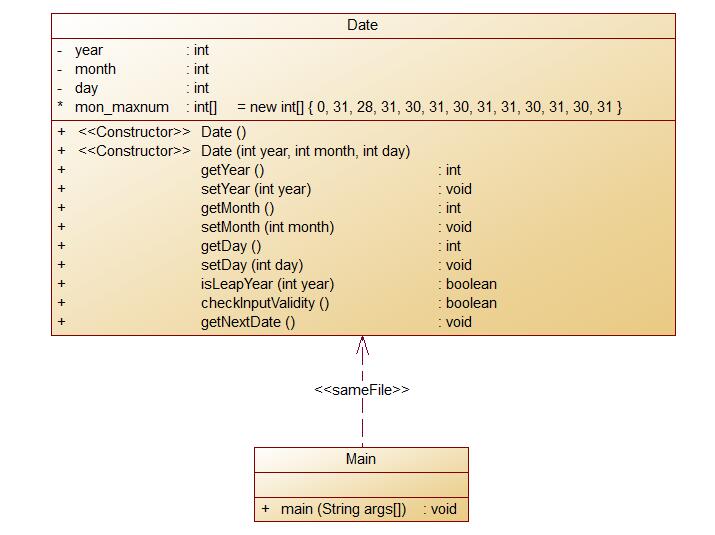
定义一个类Date,包含三个私有属性年(year)、月(month)、日(day),均为整型数,其中:年份的合法取值范围为[1900,2000] ,月份合法取值范围为[1,12] ,日期合法取值范围为[1,31] 。 注 意:不允许使用Java中和日期相关的类和方法,否则按0分处理。
要求:Date类结构如下图所示
下面为提交源码:
  1 import java.util.Scanner;
  2
  3 public class Main {
  4
  5     public static void main(String[] args) {
  6         // TODO Auto-generated method stub
  7
  8         Scanner sc = new Scanner(System.in);
  9         int year=sc.nextInt();
 10         int month=sc.nextInt();
 11         int day=sc.nextInt();
 12         Date date=new Date();
 13         date.setDay(day);
 14         date.setMonth(month);
 15         date.setYear(year);
 16         if(date.checkInputValidity( year, month, day)==false) {
 17             System.out.println("Date Format is Wrong");
 18         }
 19         else {
 20             date.getNextDay();
 21             System.out.println("Next day is:"+date.getYear()+"-"+date.getMonth()+"-"+date.getDay());
 22         }
 23     }
 24
 25 }
 26
 27  class Date {
 28
 29     private int year=1900;
 30     private int month=1;
 31     private int day=1;
 32     int[]mon_maxnum= {0,31,28,31,30,31,30,31,31,30,31,30,31};
 33
 34     public Date() {
 35
 36     }
 37
 38
 39     public Date(int year,int month,int day) {
 40         this.year=year;
 41         this.month=month;
 42         this.day=day;
 43
 44     }
 45
 46
 47     public int getYear() {
 48         return year;
 49     }
 50
 51
 52     public void setYear(int year) {
 53         this.year = year;
 54     }
 55
 56
 57     public int getMonth() {
 58         return month;
 59     }
 60
 61
 62     public void setMonth(int month) {
 63         this.month = month;
 64     }
 65
 66
 67     public int getDay() {
 68         return day;
 69     }
 70
 71
 72     public void setDay(int day) {
 73         this.day = day;
 74     }
 75
 76     public boolean isLeapyear(int year) {
 77         boolean flag=false;
 78         if (year % 4 == 0){
 79             if (year % 100 == 0){
 80                 if (year % 400 == 0){
 81                     flag=true;
 82                 }
 83             }else{
 84                 flag=true;
 85             }
 86         }return flag;
 87       }
 88
 89   public boolean checkInputValidity(int year,int month,int day) {
 90
 91         boolean x=true;
 92
 93         if(year<1900||year>2000) {
 94             x=false;
 95
 96         }
 97
 98         else if(month<1||month>12) {
 99             x=false;
100
101         }
102
103         else if(day>mon_maxnum[month]) {
104             if((month==2&&day==29&&isLeapyear(year)==true)== false){
105                 x=false;
106
107             }
108
109         }
110       else if(day<1) {
111             x=false;
112         }
113
114         return x;
115     }
116   public void getNextDay() {
117     if(getMonth()==2&&isLeapyear(year)==true) {
118         if(getDay()==29) {
119             setMonth(3);
120             setDay(1);
121         }else {
122             setDay(getDay()+1);
123         }
124     }else{
125         if(getDay()==mon_maxnum[month]) {
126             if(getMonth()==12) {
127                 setYear(getYear()+1);
128          setMonth(1);
129             }else {
130                 setMonth(getMonth()+1);
131             }setDay(1);
132         }else {
133             setDay(getDay()+1);
134         }
135     }
136  }
137
138    }
其中关于Date类的设计:
属性为Year,Month,Day。并设置了mon_maxnum数组来方便判断天数,并来减少其复杂度。

通过对比二者Max Complexity可以发现mon_maxnum数组的设置帮助还是很高的
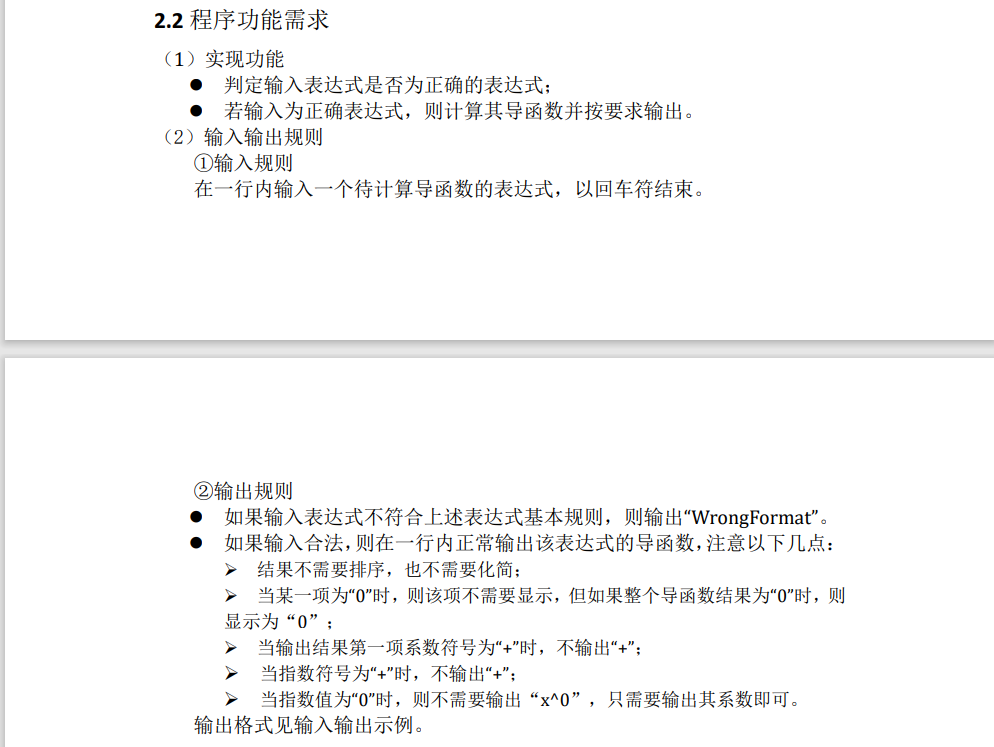
第三题题目:一元多项式求导(类设计)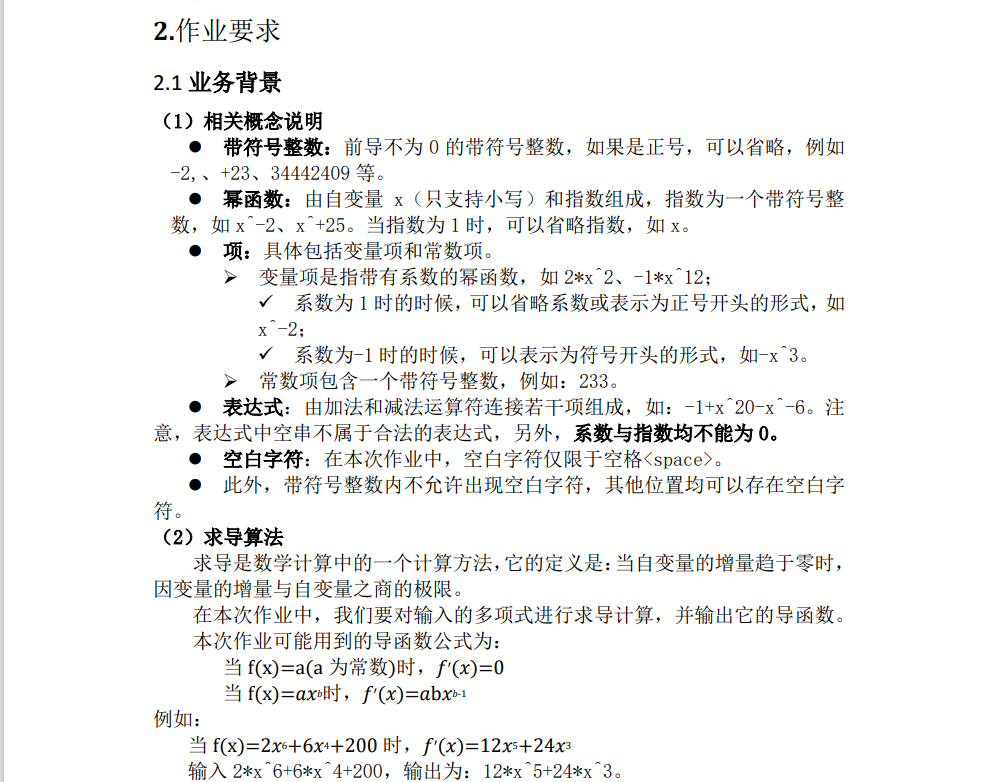
下面为提交源码:
  1 import java.util.Scanner;
  2 import java.util.regex.Matcher;
  3 import java.util.regex.Pattern;
  4
  5 public class Main {
  6
  7     public static void main(String[] args) {
  8         // TODO Auto-generated method stub
  9         int nOi=0,s=0;
 10         Scanner sc=new Scanner (System.in);
 11         String nextLine = sc.nextLine();
 12         nextLine = nextLine.replaceAll(" ", "");
 13         nextLine = nextLine.replaceAll("x\\+", "x\\^1\\+");
 14         nextLine = nextLine.replaceAll("\\+x", "\\+1\\*x");
 15         nextLine = nextLine.replaceAll("\\-x", "\\-1\\*x");
 16         String pattern = "[+-]?[0-9]+\\*x\\^[+-]?[0-9]+|[+-]?[0-9]+";
 17         Derivate derivate=new Derivate();
 18
 19           Pattern r = Pattern.compile(pattern);
 20           Matcher m = r.matcher(nextLine);
 21           Matcher d = r.matcher(nextLine);
 22           while (d.find()) {
 23               nOi++;
 24             }
 25           long[] coeFFicient=new long[nOi];//系数
 26            long[] inDex=new long[nOi];//指数
 27           derivate.setnOi(nOi);
 28           String []end= new String[nOi];
 29           String []nEw= new String[nOi];
 30           while (m.find()) {
 31                 end[s]=m.group();
 32                 s++;
 33             }
 34           for(int i=0;i<end.length;i++) {
 35               if(end[i].matches("[+-]?\\d+")) {
 36                     end[i]=end[i]+"*x^0";
 37                 }
 38               else if(end[i].matches("[+-]?\\d+\\*x")) {
 39                     end[i]=end[i]+"^1";
 40                 }
 41             }
 42
 43
 44           for(int i=0;i<end.length;i++) {
 45               end[i] = end[i].replaceAll("\\*x\\^", " ");
 46             }
 47
 48 //          for(int i=0;i<end.length;i++) {
 49 //              System.out.println(end[i]);
 50 //            }
 51
 52           for(int i=0;i<end.length;i++) {
 53                 String []split=end[i].split(" ");
 54                 coeFFicient[i]=Integer.parseInt(split[0]);
 55                 inDex[i]=Integer.parseInt(split[1]);
 56             }//前戏
 57           for(int i=0;i<end.length;i++) {
 58               if(coeFFicient[i]==0) {
 59                   System.out.println("Wrong Format");
 60                   System.exit(0);
 61               }
 62           }
 63
 64
 65
 66         derivate.setCoeFFicient(coeFFicient);
 67         derivate.setInDex(inDex);
 68         derivate.Derivation();
 69         coeFFicient=derivate.getCoeFFicient();//系数
 70            inDex=derivate.getInDex();//指数
 71
 72
 73           ouTPut(  coeFFicient, inDex, nOi,nEw);
 74
 75     }
 76     public static void ouTPut( long[] coeFFicient, long[] inDex,int nOi,String []nEw) {
 77
 78         int m=0;
 79         for(int i=0;i<nOi;i++) {
 80
 81              if(coeFFicient[i]==0) {
 82                 nEw[i]="";
 83             }
 84             else if(coeFFicient[i]==1) {
 85                  nEw[i]="x^"+inDex[i];
 86              }
 87             else {
 88                 if(inDex[i]==0) {
 89                 nEw[i]=""+coeFFicient[i];
 90             }
 91             else if(inDex[i]==1) {
 92                 nEw[i]=coeFFicient[i]+"*x";
 93             }
 94             else {
 95             nEw[i]=coeFFicient[i]+"*x^"+inDex[i];
 96             m=m+nEw[i].length();
 97             }
 98             }
 99         }
100 //        for(int i=0;i<nOi;i++) {
101 //             System.out.println(nEw[i]);
102 //        }
103
104         String nextLine = "" ;
105         for(int i=0;i<nOi;i++) {
106
107             nextLine+="+"+nEw[i];
108         }
109
110         nextLine = nextLine.replaceAll("\\+\\-", "\\-");
111         nextLine = nextLine.replaceAll("^\\+", "");
112         nextLine = nextLine.replaceAll("\\+$", "");
113         nextLine = nextLine.replaceAll("\\+\\-", "\\-");
114 //        nextLine = nextLine.replaceAll("\\+0\\*x\\^0", "");//除求导前的常数项
115 //        nextLine = nextLine.replaceAll("\\*x\\^0", "");//化简求导前的一次项
116
117
118         if(nextLine=="") {
119             nextLine="0";
120         }
121
122         System.out.print(nextLine);
123     }
124
125
126 }
127
128
129
130
131
132
133
134  class Derivate {
135
136     private int nOi=0;//项数
137     private long[] coeFFicient=new long[nOi];//系数
138     private long[] inDex=new long[nOi];//指数
139     public Derivate() {
140         super();
141         // TODO Auto-generated constructor stub
142     }
143     public Derivate(int nOi, long[] coeFFicient, long[] inDex) {
144         super();
145         this.nOi = nOi;
146         this.coeFFicient = coeFFicient;
147         this.inDex = inDex;
148     }
149     public int getnOi() {
150         return nOi;
151     }
152     public void setnOi(int nOi) {
153         this.nOi = nOi;
154     }
155     public long[] getCoeFFicient() {
156         return coeFFicient;
157     }
158     public void setCoeFFicient(long[] coeFFicient) {
159         this.coeFFicient = coeFFicient;
160     }
161     public long[] getInDex() {
162         return inDex;
163     }
164     public void setInDex(long[] inDex) {
165         this.inDex = inDex;
166     }//指数
167     public void Derivation() {
168          long[]z=getInDex();
169          long[]x=getCoeFFicient();
170         for(int i=0;i<getnOi();i++) {
171
172
173                 x[i]*=z[i];
174                 z[i]--;
175         }
176
177         setCoeFFicient(x);
178         setInDex(z);
179
180     }
181
182 }
其中设计了Derivate类
属性为:
1 private int nOi=0;//项数
2 private long[] coeFFicient=new long[nOi];//系数
3 private long[] inDex=new long[nOi];//指数
以及求导方法:
 1 public void Derivation() {
 2          long[]z=getInDex();
 3          long[]x=getCoeFFicient();
 4         for(int i=0;i<getnOi();i++) {
 5
 6
 7                 x[i]*=z[i];
 8                 z[i]--;
 9         }
10
11         setCoeFFicient(x);
12         setInDex(z);
13
14     }
对输入字符串处理
1 nextLine = nextLine.replaceAll(" ", "");
去除空格
1 nextLine = nextLine.replaceAll("x\\+", "x\\^1\\+");
2 nextLine = nextLine.replaceAll("\\+x", "\\+1\\*x");
3 nextLine = nextLine.replaceAll("\\-x", "\\-1\\*x");
将一些省略在系数与指数中的1添加上
 1 String pattern = "[+-]?[0-9]+\\*x\\^[+-]?[0-9]+|[+-]?[0-9]+";
 2         Derivate derivate=new Derivate();
 3
 4           Pattern r = Pattern.compile(pattern);
 5           Matcher m = r.matcher(nextLine);
 6           Matcher d = r.matcher(nextLine);
 7           while (d.find()) {
 8               nOi++;
 9             }
10           long[] coeFFicient=new long[nOi];//系数
11            long[] inDex=new long[nOi];//指数
12           derivate.setnOi(nOi);
13           String []end= new String[nOi];
14           String []nEw= new String[nOi];
15           while (m.find()) {
16                 end[s]=m.group();
17                 s++;
18             }
19           for(int i=0;i<end.length;i++) {
20               if(end[i].matches("[+-]?\\d+")) {
21                     end[i]=end[i]+"*x^0";
22                 }
23               else if(end[i].matches("[+-]?\\d+\\*x")) {
24                     end[i]=end[i]+"^1";
25                 }
通过正则表达式将多项式分解成单项式,并常数项处理成a*x^0的形式。
 1  for(int i=0;i<end.length;i++) {
 2               end[i] = end[i].replaceAll("\\*x\\^", " ");
 3             }
 4
 5 //          for(int i=0;i<end.length;i++) {
 6 //              System.out.println(end[i]);
 7 //            }
 8
 9           for(int i=0;i<end.length;i++) {
10                 String []split=end[i].split(" ");
11                 coeFFicient[i]=Integer.parseInt(split[0]);
12                 inDex[i]=Integer.parseInt(split[1]);
13             }//前戏
分离各项的系数与指数。
结果该题化简输出与输入校验还没有完成。
三、采坑心得:
1.首当其冲的就是三角形判断,其中等腰直角三角形判断过于考虑实际没有联想计算机的存储方法
其中的 (Math.abs((a*a)*2-c*c)=1e-1),其转化成数学语言即 。但根式在计算机中的存储不是以无理数来存储,而是被化简为一个有理数,即需要用(Math.abs((a*a)*2-c*c)<=1e-1)
来判断。这就导致没有任何一个三角形可以符合等腰直角三角形的判断条件。
2.其次关于有序数组的合并
 1 int z=x+y;
 2
 3         int[]c=new int[z];
 4
 5         int t=0;
 6         int j=0,i=0;
 7             for(;j<y&&i<x;t++) {
 8                 if(a[i]>b[j]) {
 9                     c[t]=b[j];
10                     j++;
11                 }
12
13                 else {
14                     c[t]=a[i];
15                     i++;
16                 }
17             }
18
19
20
21
22             if(j==y) {
23
24                 for(;i<x;i++,t++) {
25                     c[t]=a[i];
26                 }
27             }
28
29             else if(i==x){
30
31                 for(;j<y;j++,t++) {
32                     c[t]=b[j];
33                 }
34             }
后面这种排序判定会导致有些数字会排不进新数组。
/*for(int j=0;j<z;j++) {
            if(a[m]>=b[n]&&m<x&&n<y) {
                c[j]=b[n];
                n++;
            }

            else if(a[m]<b[n]&&m<x&&n<y) {
                c[j]=a[m];
                m++;
            }

            else if(a[m]>=b[n]&&n==y) {
                c[j]=b[n];
                j++;
                while(m<=x) {
                    c[j]=a[m];
                    m++;
                    j++;
                }
                break;
            }

            else if(a[m]<=b[n]&&m==x) {
                c[j]=a[m];
                j++;
                while(n<=y) {
                    c[j]=b[n];
                    n++;
                    j++;
                }
                break;
            }

        }*/
3.在求下一天 中,对于跨年月份时,
最好以天为基准来判断,以闰年来判断的话只会徒增代码复杂度时维护更加困难。


这里明显可以发现,Max Complexity瞬间增加了许多。
四、改进建议:
1. 这几次作业让我理解最深刻的是 if-else结构劣于switch结构,switch结构劣于数组结构
 1 if(day==31) {
 2             if(month==12) {
 3                 year++;
 4                 System.out.println("Next date is:"+year+"-"+1+"-"+1);
 5             }
 6             else {
 7                 month++;
 8                 System.out.println("Next date is:"+year+"-"+month+"-"+1);
 9             }
10         }
11
12         else if(day==30) {
13             if(month==4||month==6||month==9||month==11) {
14                 month++;
15                 System.out.println("Next date is:"+year+"-"+month+"-"+1);
16             }
17
18             else {
19                 System.out.println("Next date is:"+year+"-"+month+"-"+31);
20             }
21
22         }
23
24         else if(day==29) {
25             if(month==2) {
26                 System.out.println("Next date is:"+year+"-"+3+"-"+1);
27             }
28
29             else {
30                 day++;
31                 System.out.println("Next date is:"+year+"-"+month+"-"+day);
32             }
33
34         }
35
36         else if(day==28) {
37             if(month==2) {
38                 if(isLeapYear( year)) {
39                     System.out.println("Next date is:"+year+"-"+2+"-"+29);
40                 }
41                 else {
42                     System.out.println("Next date is:"+year+"-"+3+"-"+1);
43                 }
44             }
45
46             else {
47                 day++;
48                 System.out.println("Next date is:"+year+"-"+month+"-"+day);
49             }
50         }
51
52         else {
53             day++;
54             System.out.println("Next date is:"+year+"-"+month+"-"+day);
55         }
 1 int[]mon_maxnum= {0,31,28,31,30,31,30,31,31,30,31,30,31};
 2 public void getNextDay() {
 3     if(getMonth()==2&&isLeapyear(year)==true) {
 4         if(getDay()==29) {
 5             setMonth(3);
 6             setDay(1);
 7         }else {
 8             setDay(getDay()+1);
 9         }
10     }else{
11         if(getDay()==mon_maxnum[month]) {
12             if(getMonth()==12) {
13                 setYear(getYear()+1);
14          setMonth(1);
15             }else {
16                 setMonth(getMonth()+1);
17             }setDay(1);
18         }else {
19             setDay(getDay()+1);
20         }
21     }
22  }
这样的改进使其复杂度下降,在算法出现错误时,前者修改的时间起码比后者修改时间多了一倍有余。
2.其次是正则表达式,
起初我本想通过
String 类中的
- String replaceAll(String regex, String replacement):将该字符串中所有匹配 regex 的子串替换成 replacement。
- String replaceFirst(String regex, String replacement):将该字符串中第一个匹配 regex 的子串替换成 replacement。
- String[] split(String regex):以 regex 作为分隔符,把该字符串分割成多个子串。
这三个方法来解决多项式分解为单项式。最后发现用Pattern 类Matcher类中的find()方法和group()方法即可轻松解决。
五、总结:
本次的收获:
1.要养成良好的编程素养(书写要规范,写括号时要成对,字母大小写要区分,单词拼写要准确等等)。
2.不仅仅停留在java表层,不是抄例子运行出结果就可以。即便对一个简单的例子也要有耐心去琢磨、调试、改动。
3.一定要动手做、试着写代码,哪怕是照着范本多打几遍,很多东西和体会必须自己动手才能真正属于自己。
4.在Java的学习过程中,可能会遇到形形色色的问题不容易解决,多去专业论坛了解相关的知识,学会从网上搜索有用的信息加以整理,促进学习的深入和知识水平的提高。
5.了解了面向对象的设计思路。
本次的不足:
1.没有危机意识,每次都要在习题快结束前开始写,导致很多题目理解不深。
2.缺乏交流,关于正则表达式一开始因为只学会了String 类中的几个方法,就想利用他们去解决问题。最终是同学告诉我用Pattern 类Matcher类中的find()方法和group()方法即可轻松解决。结果导致我浪费了许多时间。

 浙公网安备 33010602011771号