

线性表
Java内存中,栈内存和堆内存占了很大一部分空间:栈内存的存储是顺序结构,堆内存的存储是离散结构。
顺序表

类成员
int maxSize; //最大长度int size; //当前长度Object[] listArray; //对象数组
类主要方法
删除
移动元素时,要从前往后操作。
publicvoiddelete(int index) throws Exception{//容错性if(isEmpty()){thrownewException("顺序表为空,无法删除!");}if(index <0|| index > size -1){thrownewException("参数错误!");}//移动元素(从前往后操作)for(int j = index; j < size -1; j++)listArray[j]= listArray[j +1];listArray[size -1]= null; //注意释放内存(避免内存泄漏)size--;}
插入
移动元素时,要从后往前操作,不能从前往后操作,不然元素会被覆盖的。
publicvoid insert(int index,Object obj) throws Exception{//容错性if(size == maxSize){thrownewException("顺序表已满,无法插入!");}if(index <0|| index > size){thrownewException("参数错误!");}//移动元素(从后往前操作)for(int j = size -1; j >= index; j--)listArray[j +1]= listArray[j];listArray[index]= obj;size++;
单向链表
- 带头结点:(操作统一,推荐)
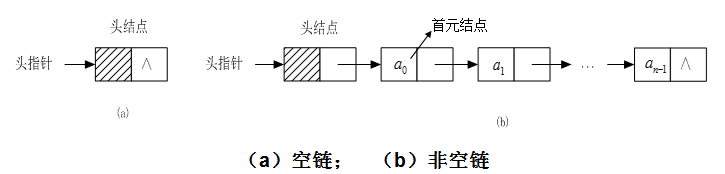
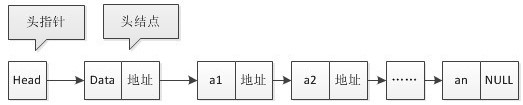
- 不带头结点:
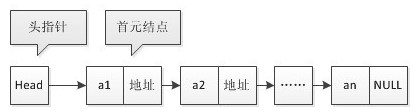
类成员
//结点类publicclassNode{publicObject data;publicNode next;publicNode(Object obj,Node next){this.data = obj;this.next = next;}}Node head; //记录头结点信息即可(头结点下标为-1)int size;
类主要方法
定位
//定位publicNode locate(int index) throws Exception{//容错性if(index <-1|| index > size)thrownewException("参数错误!");//定位到temp指向第index个(index为下标)Node temp = head;for(int i =-1; i < index; i++)if(temp != null)temp = temp.next;return temp;}
删除
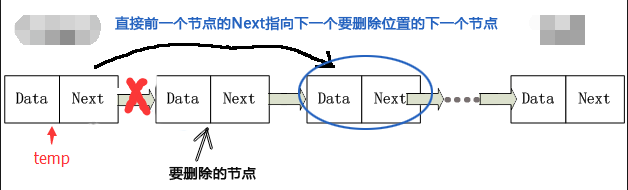
publicvoiddelete(int index) throws Exception{//容错性if(isEmpty())thrownewException("链表为空,无法删除!");if(index <0|| index > size -1)thrownewException("参数错误!");Node temp = locate(index -1); //定位到要操作结点的前一个结点对象temp.next = temp.next.next;size--;}
插入

publicvoid insert(int index,Object obj) throws Exception{//容错性if(index <0|| index > size )thrownewException("参数错误!");Node temp = locate(index -1); //定位到要操作结点的前一个结点对象Node p =newNode(obj,temp.next);temp.next = p;size++;}
双向链表
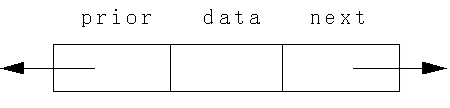
类成员
//结点类publicclassNode{publicObject data;publicNode next;publicNode prior;publicNode(Object obj,Node next,Node prior){this.data = obj;this.next = next;this.prior = prior;}}Node head; //记录头结点信息即可(头结点下标为-1)int size;
类主要方法
定位
//定位publicNode locate(int index) throws Exception{//容错性if(index <-1|| index > size)thrownewException("参数错误!");//定位到temp指向第index个(index为下标,从0开始)Node temp = head;for(int i =-1; i < index; i++)if(temp != null)temp = temp.next;return temp;}
删除
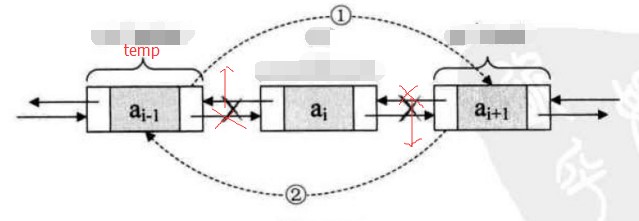
publicvoiddelete(int index) throws Exception{if(isEmpty())thrownewException("链表为空,无法删除!");if(index <0|| index > size -1)thrownewException("参数错误!");Node temp = locate(index -1); //定位到要操作结点的前一个结点对象temp.next = temp.next.next;if(temp.next != null) //当删除到最后一个元素:temp.next == nulltemp.next.prior = temp;size--;}
插入
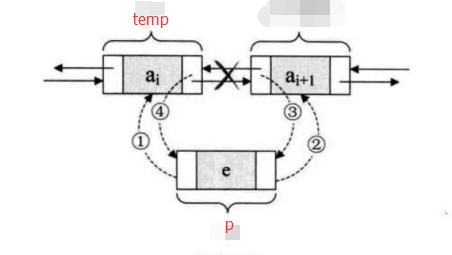
publicvoid insert(int index,Object obj) throws Exception{//容错性if(index <0|| index > size )thrownewException("参数错误!");Node temp = locate(index -1); //定位到要操作结点的前一个结点对象Node p =newNode(obj,temp.next,temp);temp.next = p;if(p.next != null) //当插入到最后一个位置:p.next == nullp.next.prior = p;size++;}
循环单向链表
空:
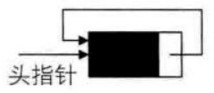
非空:

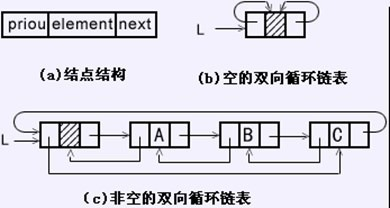
循环双向链表
静态链表

顺序表与链表比较
顺序表:
- 优点:
支持随机读取O(1)
- 缺点:
- 插入删除操作平均移动大约表中一半的元素,对n较大的顺序表效率低。(移动元素涉及内存的写入,消耗较大)
- 需要预先分配足够大的存储空间:估计过大,可能会导致顺序表后部大量闲置;预先分配过小,又会造成溢出。
链表:
优点:
- 不需要预先给出数据元素的最大个数
- 插入和删除操作时不需要移动数据元素
缺点:
不支持随机读取,单链表取数据元素操作的时间复杂度为O(n)

 浙公网安备 33010602011771号