

c++指针的坑
1. It can point to an object.
2. It can point to the location just immediately past the end of an object.
3. It can be a null pointer, indicating that it is not bound to any object.
4. It can be invalid; values other than the preceding three are invalid.
c++指针合法有三种情况:
1.指向一个对象
2.指向一个对象结束位置下一个字节
exp. for(vector<int>::iterator iter = vecInt.begin(); iter != vecInt.end(); ++iter)
3.指向空指针
其它情况为非法指针
非法指针产生的情景:
1.指向对象生命周期结束后未将指针指向空指针
class A
{
int i1 = 0;
double d1 = 0;
char *ch = nullptr;
public:
A()
{
i1 = 1;
d1 = 1;
ch = (char *)malloc(4);
strcpy_s(ch,3,"vi");
}
void showch()
{
cout << ch << endl;
}
void showi()
{
cout << i1 << endl;
}
~A()
{
free(ch);
}
};
int main()
{
double dval = 2.03;
A **pp = nullptr;
for (int i = 0; i < 1;i++)
{
A a11;
a11.showch();
a11.showi();
A *p= &a11;
pp = &p;
}
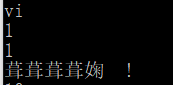
//指向对象已被回收,编译不会报错
(**pp).showi();//build-in type 内存内容还未被擦除或覆盖
(**pp).showch();//动态分配的内存内容已被擦除
}
result:
2.动态分配类成员空间未实现复制构造函数
class Message
{
private:
char* pmessage;
public:
void ShowIt() const
{
cout <<endl <<pmessage;
}
Message(const char* text = "Defaut message")
{
pmessage = new char[strlen(test) + 1];
strcpy_s(pmessage,strlen(text) + 1,text);
}
~CMessage()
{
delete[] pmessage;
}
};
int main()
{
Message motto1("Fallout4.");
Message motto2(motto1);//当motto1或motto2其中一个生命周期结束另一个会产生非法指针,应实现复制构造函数使两者指向对象不同
}

 浙公网安备 33010602011771号