
mybaits的一对多,多对一实现
多对一
一个老师有5个学生 【集合】
5个学生关联一个老师【关联】 多对一的时候resultMap里面不用result去一一对应查询sql的表列和实体类属性名称了。多的那一项要用 association【可以理解为一个对象】
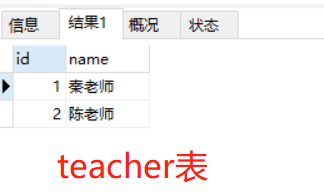
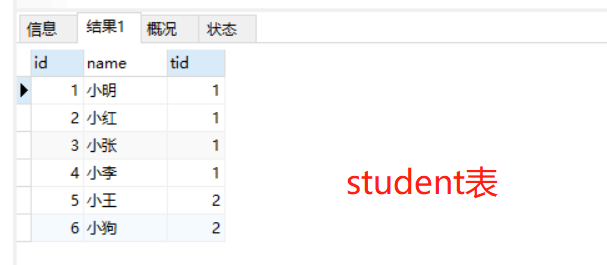
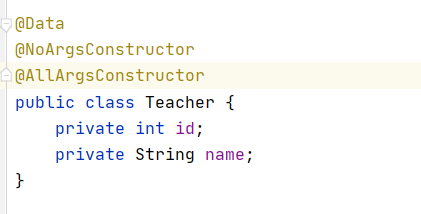
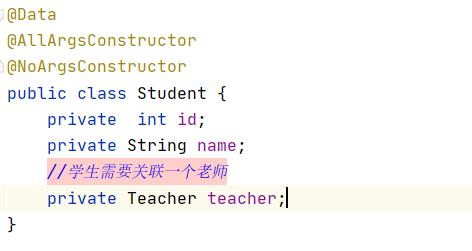
方法一:通过子查询的方法来
思路:先查Student信息,根据查出来Student的tid 子查询查询Teacher数据
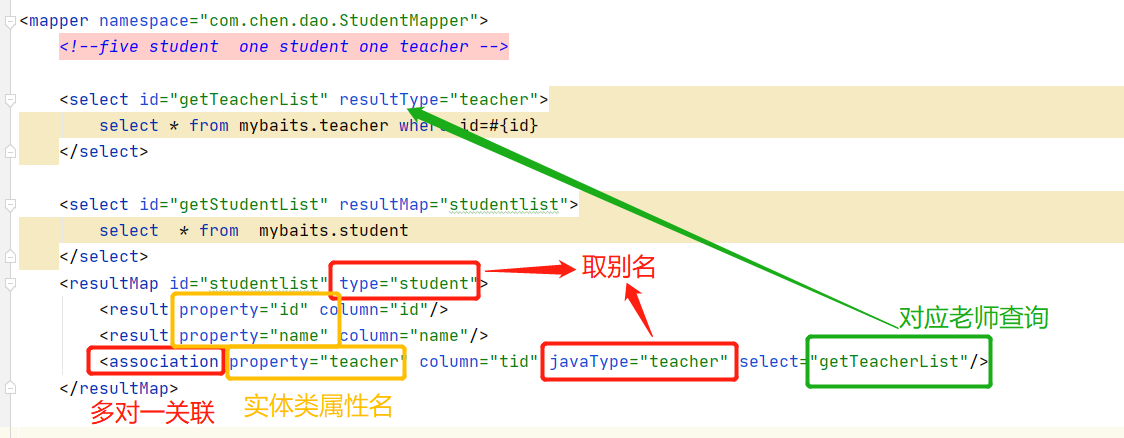
    <select id="getTeacherList" resultType="teacher">
        select * from mybaits.teacher where id=#{id}
    </select>

    <select id="getStudentList" resultMap="studentlist">
        select  * from  mybaits.student
    </select>
    <resultMap id="studentlist" type="student">
        <result property="id" column="id"/>
        <result property="name" column="name"/>
        <association property="teacher" column="tid" javaType="teacher" select="getTeacherList"/>
    </resultMap>
方法二:关联查询
    <!--嵌套查询,先查a表数据再把b表的数据直接association再使用result将属性值和查询出的b表数据-->
    <select id="getStudentList1" resultMap="studentlist1">
        select  a.id sid,a.name sname ,b.name tname
        from  mybaits.student a,  mybaits.teacher b
        where a.tid=b.id
    </select>
    <resultMap id="studentlist1" type="student">
        <result property="id" column="sid"/>
        <result property="name" column="sname"/>
        <association property="teacher" javaType="teacher"><!--这里可以理解为【多对一】【一】代表的是一个对象,javaType是对象的类 -->
        <!--因为这里没有管teacher的id,所以查询结果id都是默认值0-->

            <result property="name" column="tname"/>
        </association>
    </resultMap>
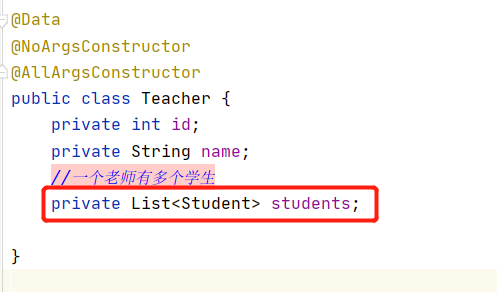
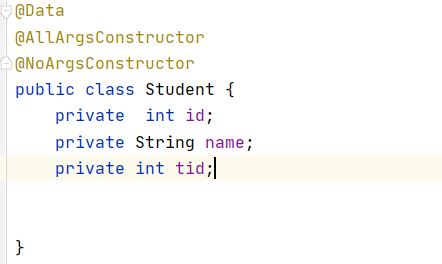
一对多:
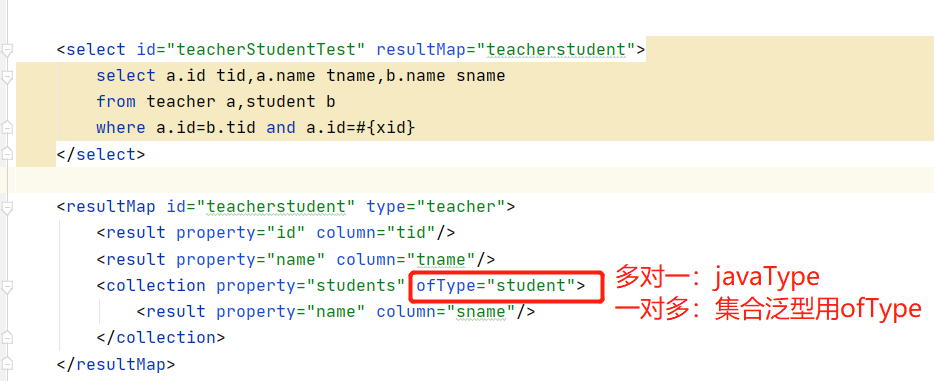
一对多用:collection
一对多可以理解为一个对象,一个列表
总结:
多对一:关联 association
一对多:集合 collection
javaType:用于指定实体类中属性的类型
ofType:用于指定映射到集合或者list中的pojo实体类型 泛型中的约束类型

 浙公网安备 33010602011771号