
Water pollution
Major water pollutants include microorganisms, nutrients, heavy metals, organic chemicals, petroleum, and sediments. Heat, which increases the temperature of the water body it withstands, can also become a pollutant. Contaminants are often responsible for global water quality declines. The biggest sources of water pollution are the lack of adequate treatment of human waste and the improper management and disposal of industrial and agricultural waste. At present, it is estimated that about 2,250 cubic kilometers of wastewater are discharged into the environment per year, including about 330 cubic kilometers per year of urban wastewater, 660 cubic kilometers per year of industrial wastewater (including cooling water), and 1,260 cubic kilometers per year of agricultural wastewater. Due to the anthropogenic treatment of cultivated land and pasture soils, the nitrogen, salinity, and biological oxygen demand in freshwater have generally increased, and the ability of soil to store, buffer, and decompose pollutants in water can no longer meet the demand. It is estimated that the total amount of anthropogenic phosphorus entering the waters is about 1.47 million tonnes per year, of which 62% comes from point sources (domestic and industrial) and 38% from non-point sources (agriculture). Potash use in agriculture increased from 22 million tonnes in 2000 to a peak of nearly 39 million tonnes in 2018. This effect on freshwater eutrophication is not significant, as eutrophication mainly involves nitrogen and phosphorus, but potassium is associated with salinization caused by runoff.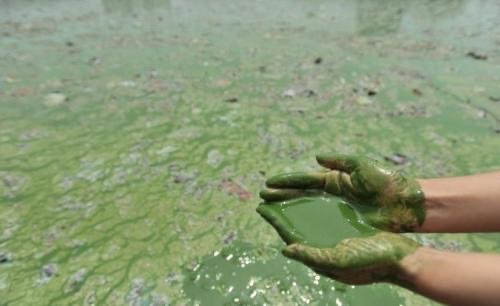

 浙公网安备 33010602011771号