WATER POLLUTION
The meaning of water pollution
Water pollution mainly refers to the phenomenon that pollutants discharged by human activities enter water, causing the decline of water quality and the reduction or loss of utilization value. Strictly speaking, there are two causes of water pollution: one is caused by human factors, mainly industrial discharge of wastewater. In addition, it also includes domestic sewage, farmland drainage, the pollutants in the atmosphere and the garbage accumulated on the earth into the water body.
When the polluting substances entering the water body exceed the environmental capacity of the water body or the self-purification capacity of the water body, the water quality becomes bad, thus destroying the original value and function of the water body, there are two causes of water pollution: one is natural, the other is man-made.
Pollutant source:
(1) Pollution and harm caused by acid, alkali and salt
(2) Heavy metal pollution and harm
(3) Pollution and harm of oxygen-consuming substances
(4) Plant nutrient pollution and harm
Current situation of water pollution in China
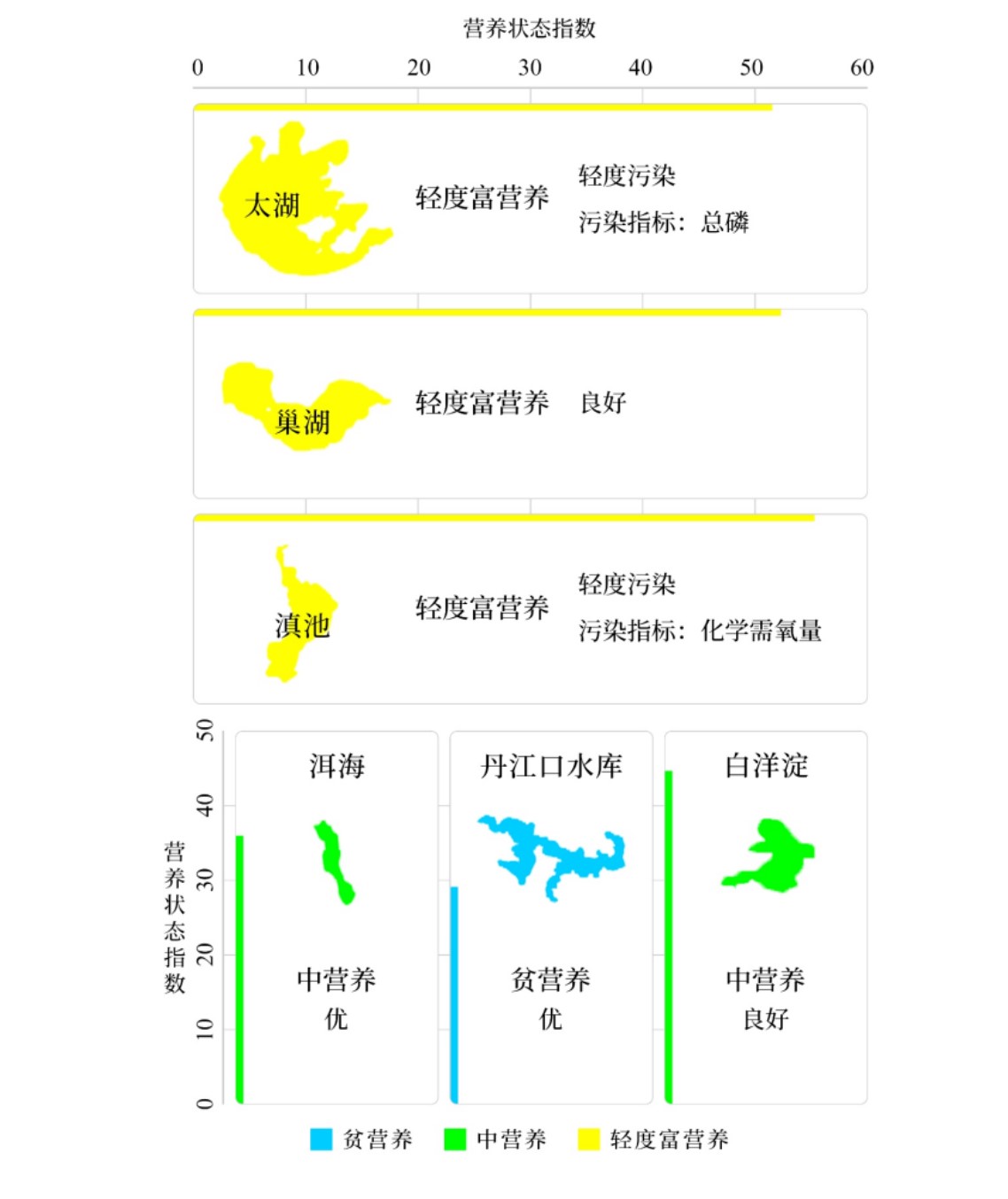
The total amount of water resources in China is small, the distribution is not uniform, and due to the backward water resources pollution control technology, low efficiency of water resources utilization and other reasons, the current water resources in China are increasingly short and the pollution phenomenon is serious, which not only affects the quality of human life, but also causes serious damage to the ecological environment of the earth. The main sources of water pollution in China, including domestic water pollution, agricultural irrigation pollution, industrial wastewater pollution, etc.
1. Industrial sewage pollution caused by water pollution The discharge of industrial wastewater is the main source of water pollution in China. Since the reform and opening up, the country has vigorously developed industry and taken economic construction as the center. At the cost of sacrificing the environment, economic benefits lead to the deterioration of ecological environment and serious pollution of water resources. In order to pursue economic benefits and reduce costs, a large amount of sewage is directly discharged into rivers, aggravating water pollution, excessive chemical elements cause seawater eutrophication, and serious damage to the water environment such as green algae.
2. Water pollution caused by excessive agricultural flood irrigation Agricultural flood irrigation is another major source of water pollution. Since ancient times, China's land has been flood irrigation to develop agriculture, resulting in the waste of water resources, but also washed the soil fertility, coupled with the large use of pesticides and fertilizers, the accumulation of chemical elements carried in the water, the aggravation of water pollution.
3.The discharge of urban domestic sewage causes water pollution The rapid development of China's economy has driven the development and construction of cities, leading to a large number of urban population gathering, and greatly deepening the difficulty of urban planning and management. The city is densely populated, the domestic water consumption increases, the total amount of sewage discharged is large, the treatment is difficult, the effect is low, leading to the reduction of the total amount of water resources, the aggravation, and the pollution is difficult to control the water pollution.
There are several types of water pollution in China:
1. Industrial pollution Industrial water is discharged directly into the river without treatment, polluting the river. The large number of chemical elements carried in industrial sewage lead to the eutrophication of lakes and rivers, which greatly deepens the difficulty of water pollution control.
2. Agricultural pollution With the progress of science and technology, the achievements of chemical scientific research are remarkable, the introduction of a large number of fertilizers, the use of a large number of pesticides, chemical fertilizers cause water pollution, coupled with flood irrigation leads to the waste of water resources, serious water pollution.
3. Domestic pollution Water pollution in life is caused by the reduction or loss of water use value and pollution of the environment. Acid, alkali and oxidants in sewage, as well as copper, cadmium, mercury, arsenic and other compounds, and organic poisons such as benzene, dichloroethane and ethylene glycol, will poison aquatic organisms and affect drinking water sources and scenic spots. When the organic matter in sewage is decomposed by microorganisms, it consumes oxygen in the water, which affects the life of aquatic organisms. After the dissolved oxygen in the water is exhausted, the organic matter is decomposed anaerobically, producing unpleasant gases such as hydrogen sulfide and thiol, which further deteriorthe water quality.
The main causes of water pollution in China
1. Lack of awareness of water resources protection
2. Pursue economic benefits while ignoring ecological benefits
3. The law is not followed and the law is not strict and the legal system of water is not sound

Consequences and harms:
Water pollution has caused serious harm to China's environment and human society.
Here are some of the main effects:
1. Water resource shortage: water pollution leads to the loss and waste of water resources. Many rivers, lakes, and groundwater are polluted, making clean drinking water scarce. This further aggravates the water shortage problem faced in China, especially in arid areas.
2. Ecological destruction: Water pollution destroys the balance of the ecosystem. When the pollutants enter the water body, they will affect the plants and animals in the water, resulting in the loss of biodiversity. This has an irreversible impact on the healthy operation of ecosystems such as wetlands, rivers and oceans.
3. Health risks: Water sources affected by water pollution may contain various harmful substances, such as heavy metals, organic pollutants and bacteria. These substances have direct or indirect hazards to human health, including causing respiratory diseases, digestive system problems, skin diseases and cancer.
4. Economic losses: Water pollution has a negative impact on economic development. First, the cost of treating water pollution problems is high, including the cost of purifying sewage and restoring damaged ecosystems. Secondly, due to the limitation of water resources shortage and pollution, many industries and agricultural sectors face the challenges of production and development, leading to economic losses.
5. Social problems: Water pollution also leads to a series of social problems, such as damage to farmers' livelihood, degradation of water ecological environment, and reduction of aquatic biological resources. These problems may trigger social instability and conflicts and have a negative impact on the sustainable development in rural areas.

 浙公网安备 33010602011771号