


ConcurrentMap

一样的先看看成员有哪些:
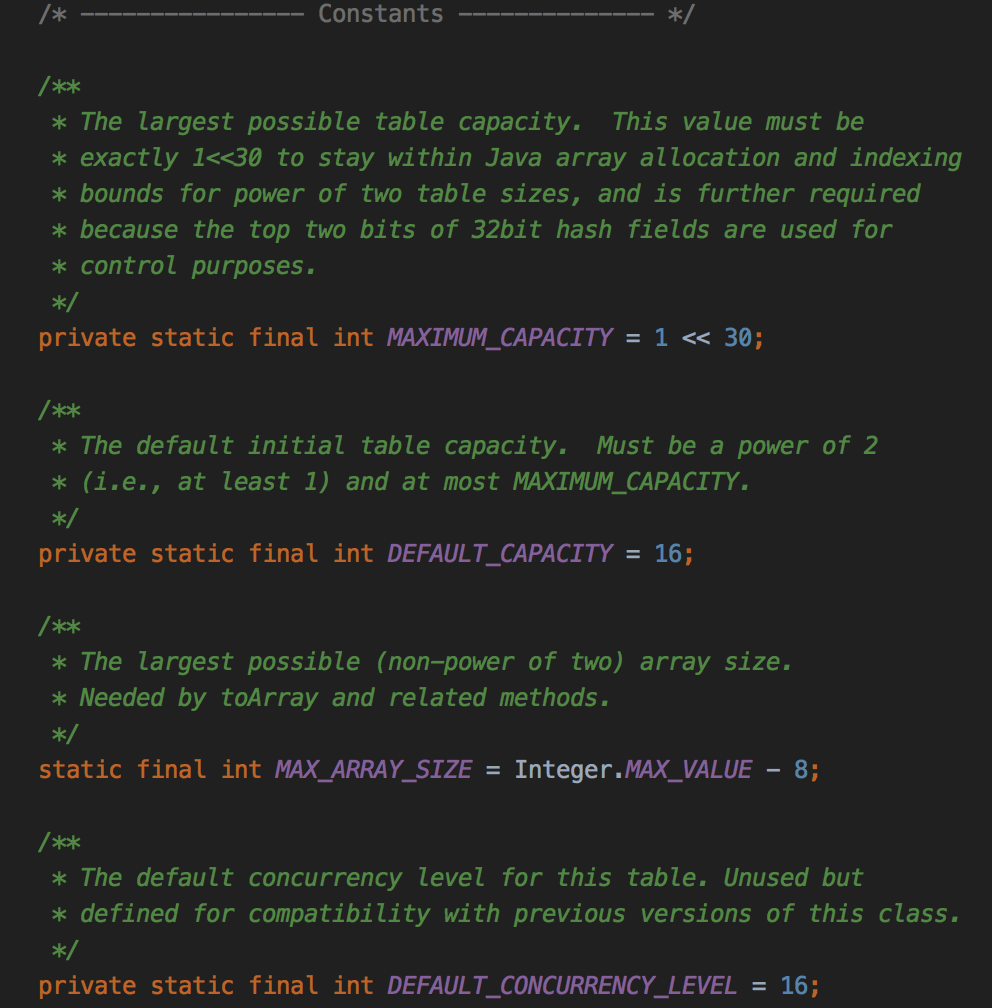
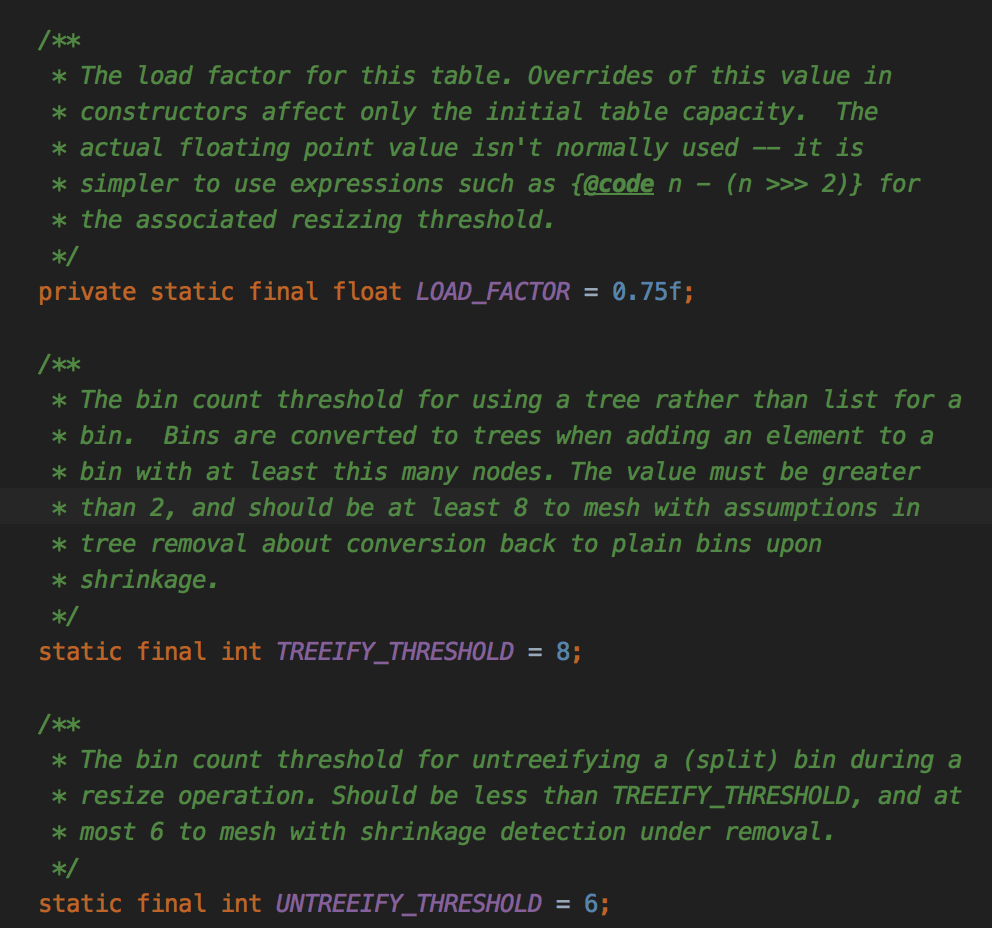
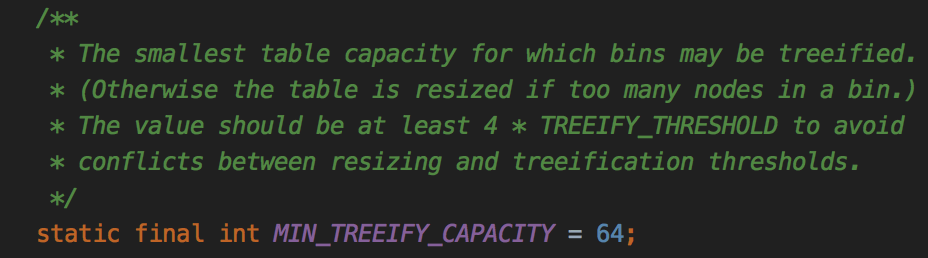
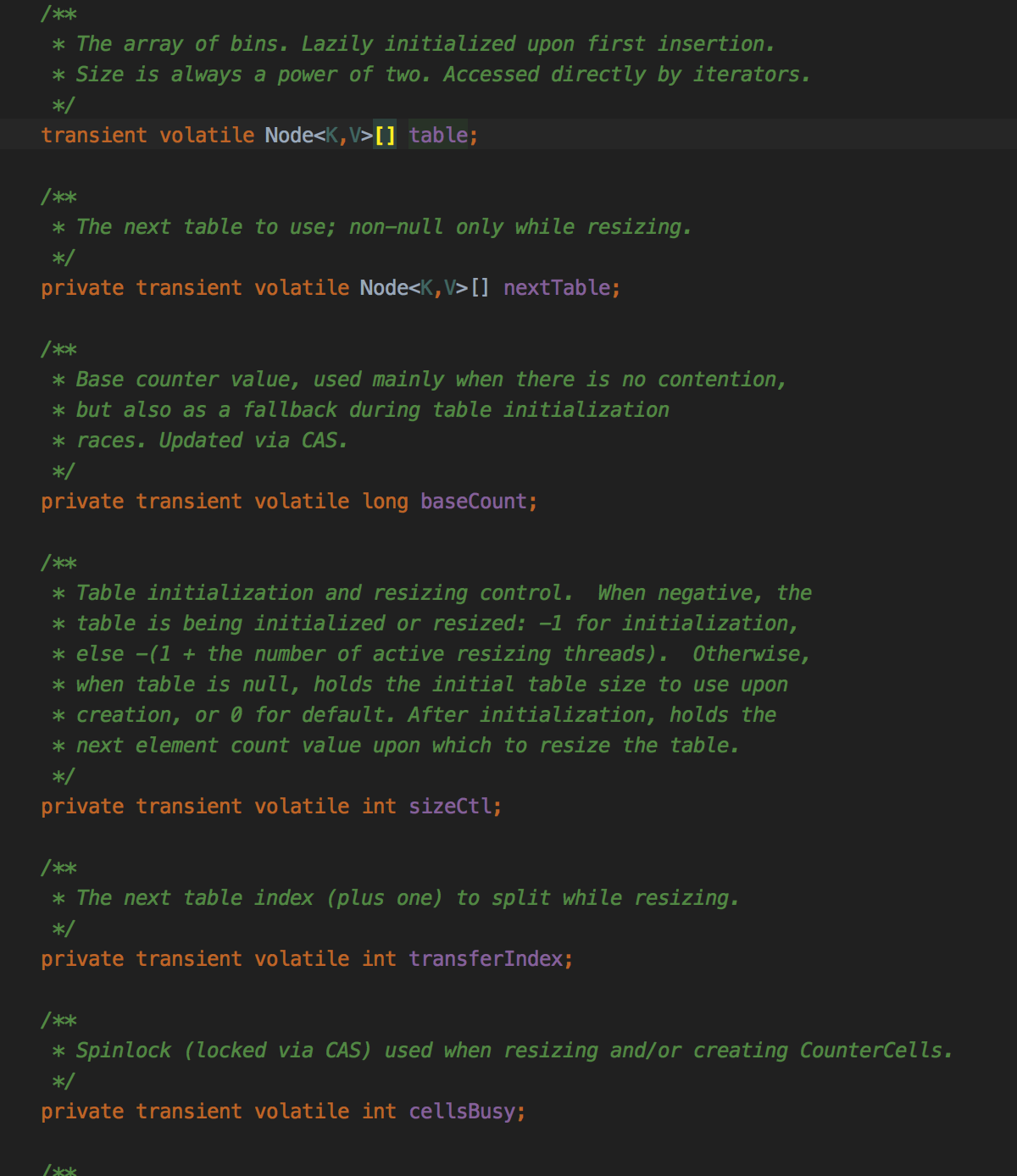
以上都是hashmap中有的成员下面是一些新的:
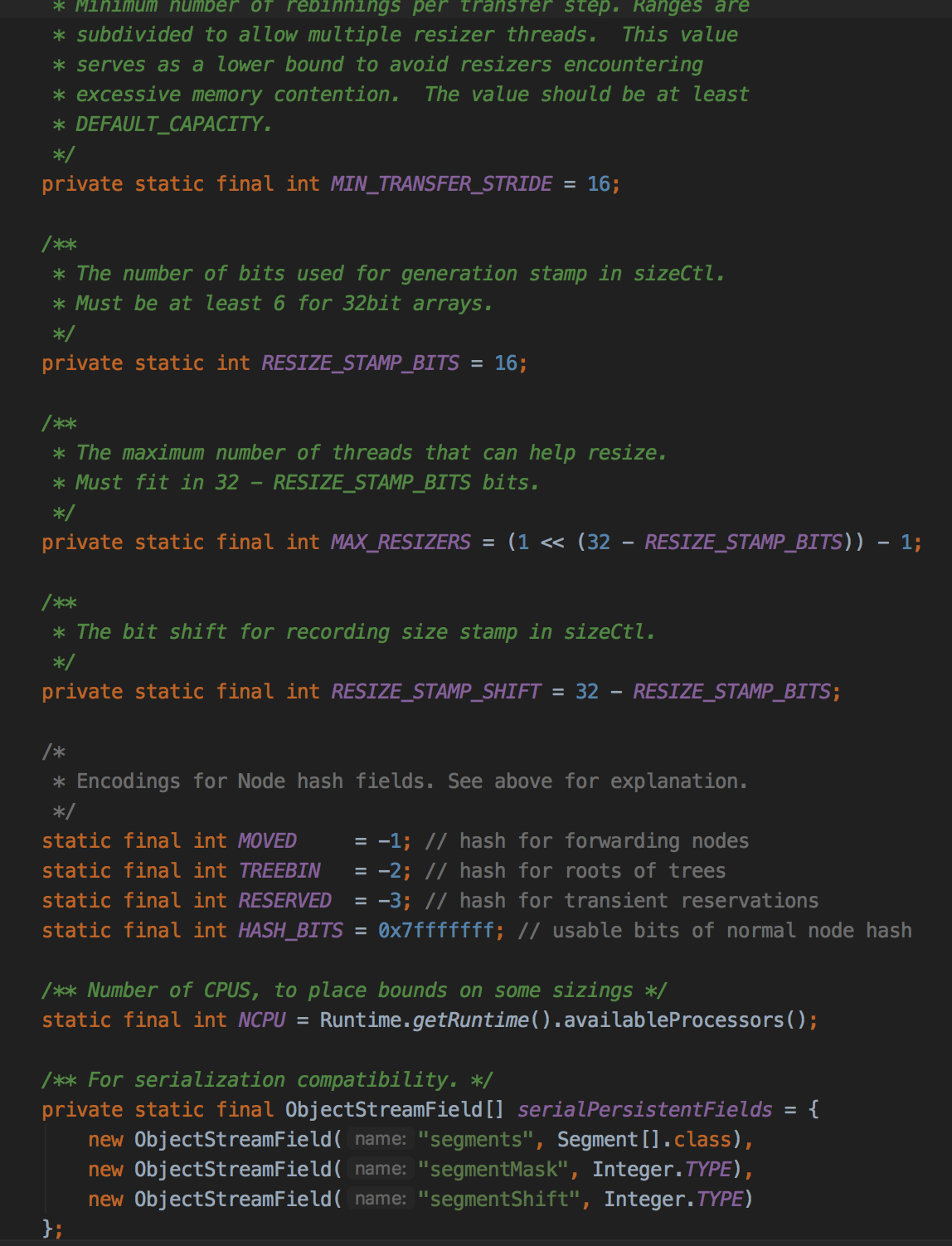
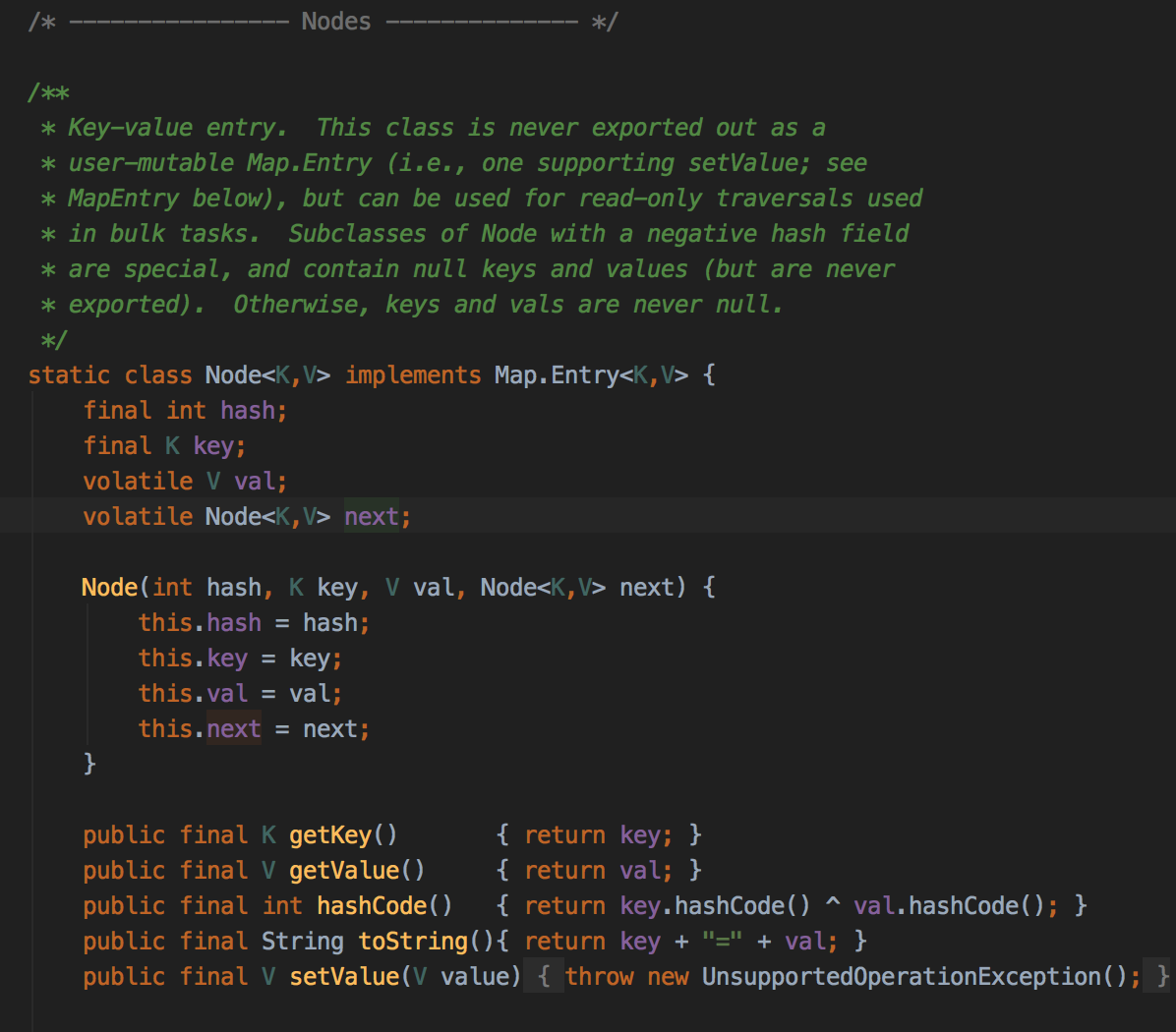
再来看节点信息:
构造方法:
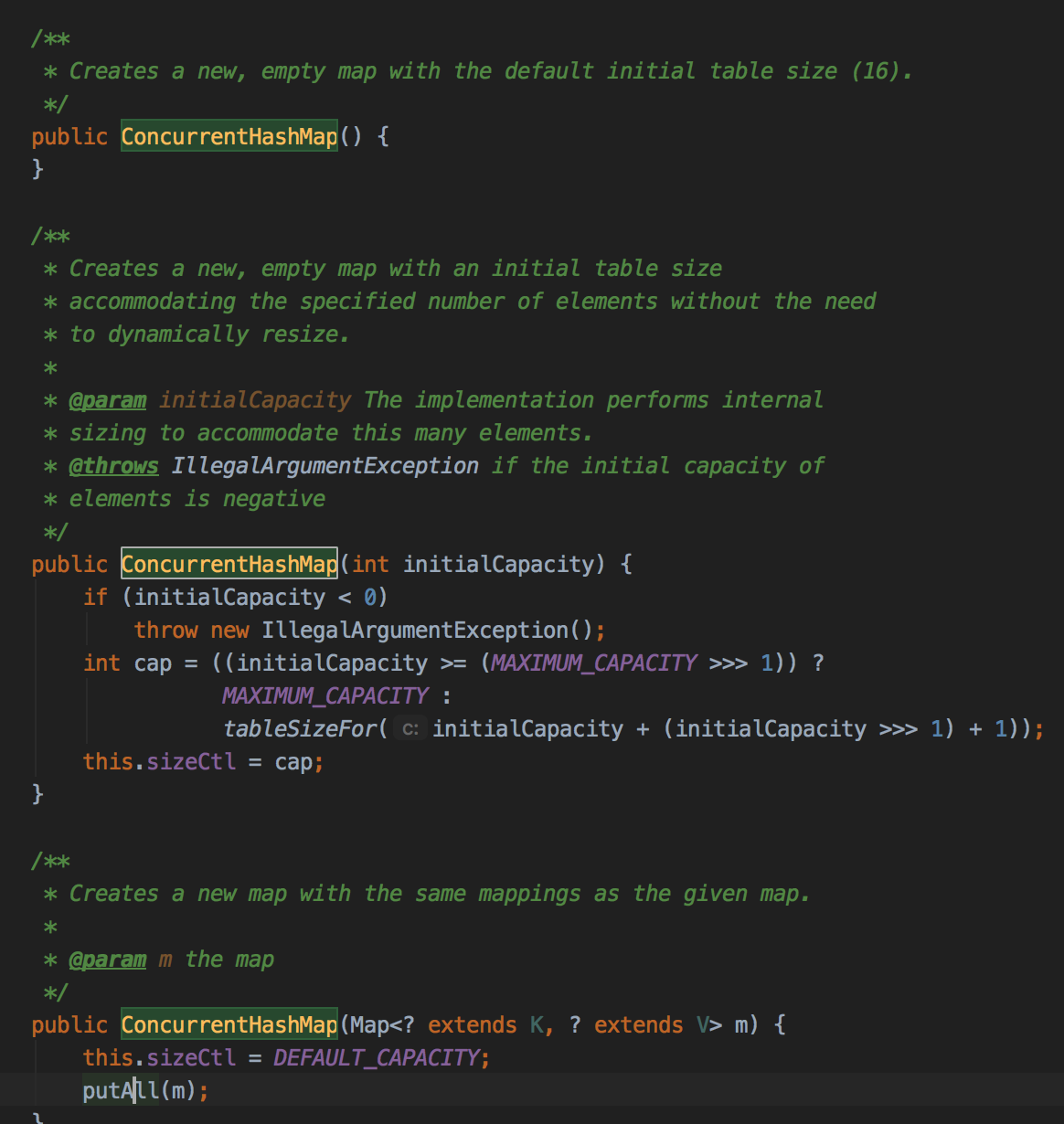
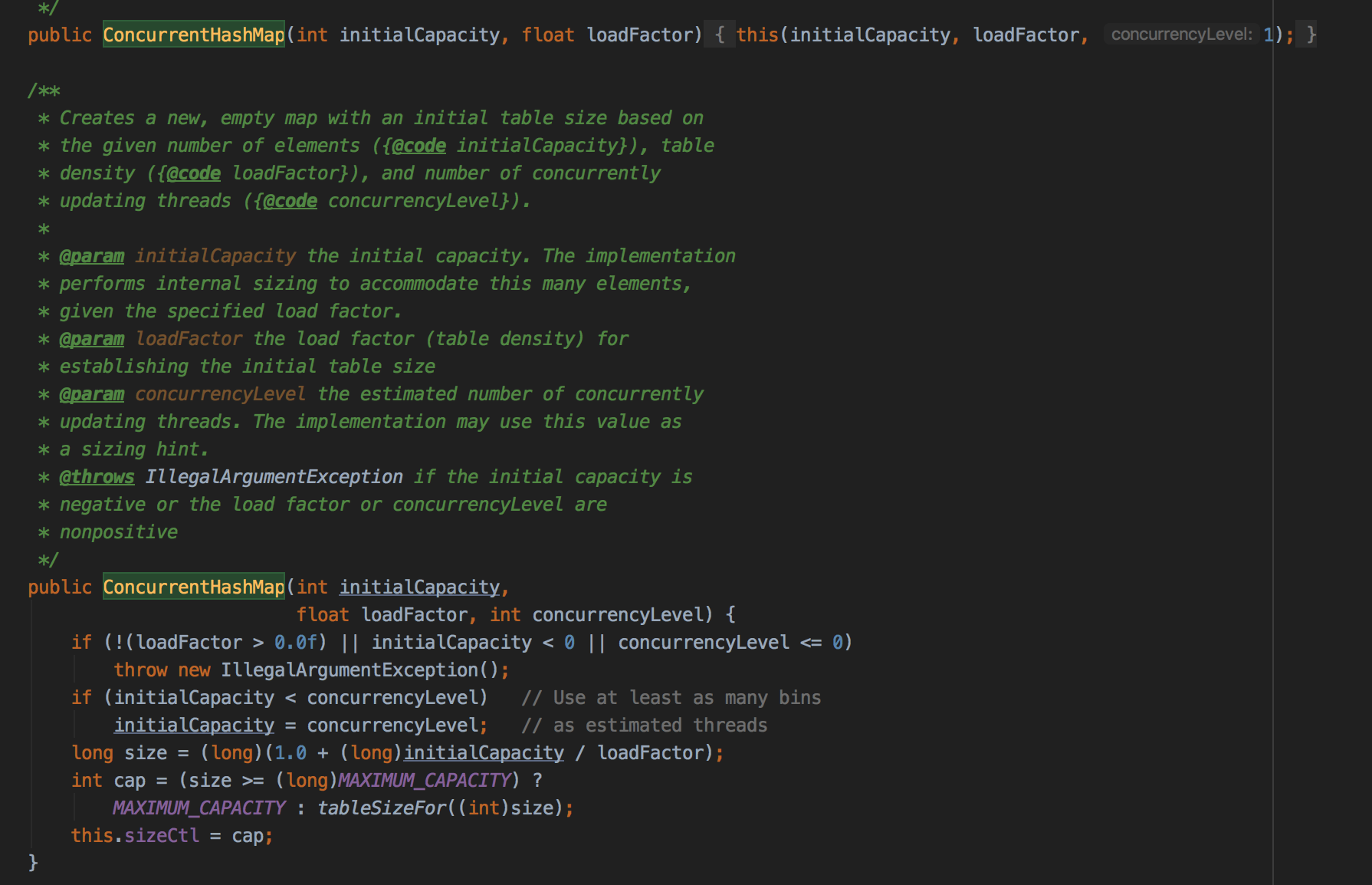
可以看到currentHashMap在初始化的时候用的size并不是像hashmap那样直接用initialCapacity,而是用除以负载因子之后容量或者1.5倍为基础选择最小的2的次幂。
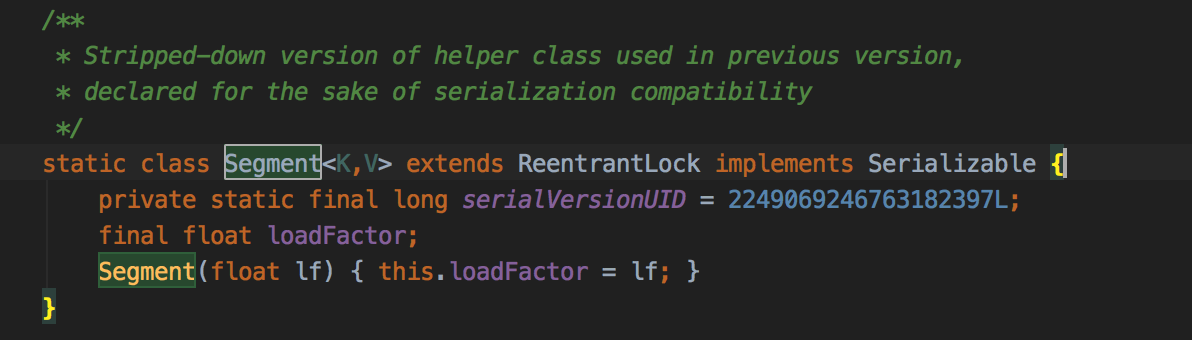
Segment对象。
看一下put final V putVal(K key, V value, boolean onlyIfAbsent) {
        if (key == null || value == null) throw new NullPointerException();
     //计算hash值跟hashmap一样
        int hash = spread(key.hashCode());
        int binCount = 0;
        for (Node<K,V>[] tab = table;;) {
            Node<K,V> f; int n, i, fh;
            if (tab == null || (n = tab.length) == 0)
          //比较相似都是懒加载初始化 hashmap是resize。
                tab = initTable();
            else if ((f = tabAt(tab, i = (n - 1) & hash)) == null) {
          //如果当前槽还没有元素,则cas到第一个元素,如果失败则一直自旋到成功为止
                if (casTabAt(tab, i, null,
                             new Node<K,V>(hash, key, value, null)))
                    break;                   // no lock when adding to empty bin
            }
       //如果第一位已经移除了
            else if ((fh = f.hash) == MOVED)
          //卧槽,看不懂了
                tab = helpTransfer(tab, f);
            else {
                V oldVal = null;
          //所第一个
                synchronized (f) {
             //可见
                    if (tabAt(tab, i) == f) {
                        if (fh >= 0) {

                            binCount = 1;
                //从第一个元素开始
                            for (Node<K,V> e = f;; ++binCount) {
                                K ek;
                    //hash和key都对应上直接替换
                                if (e.hash == hash &&
                                    ((ek = e.key) == key ||
                                     (ek != null && key.equals(ek)))) {
                                    oldVal = e.val;
                                    if (!onlyIfAbsent)
                                        e.val = value;
                                    break;
                                }
                                Node<K,V> pred = e;
                   //插入到链表尾部
                                if ((e = e.next) == null) {
                                    pred.next = new Node<K,V>(hash, key,
                                                              value, null);
                                    break;
                                }
                            }
                        }
               //如果hash<0检查是不是红黑树
                        else if (f instanceof TreeBin) {
                            Node<K,V> p;
                            binCount = 2;
                            if ((p = ((TreeBin<K,V>)f).putTreeVal(hash, key,
                                                           value)) != null) {
                                oldVal = p.val;
                                if (!onlyIfAbsent)
                                    p.val = value;
                            }
                        }
                    }
                }
          //链表转树
                if (binCount != 0) {
                    if (binCount >= TREEIFY_THRESHOLD)
                        treeifyBin(tab, i);
                    if (oldVal != null)
                        return oldVal;
                    break;
                }
            }
        }
        addCount(1L, binCount);
        return null;
    }
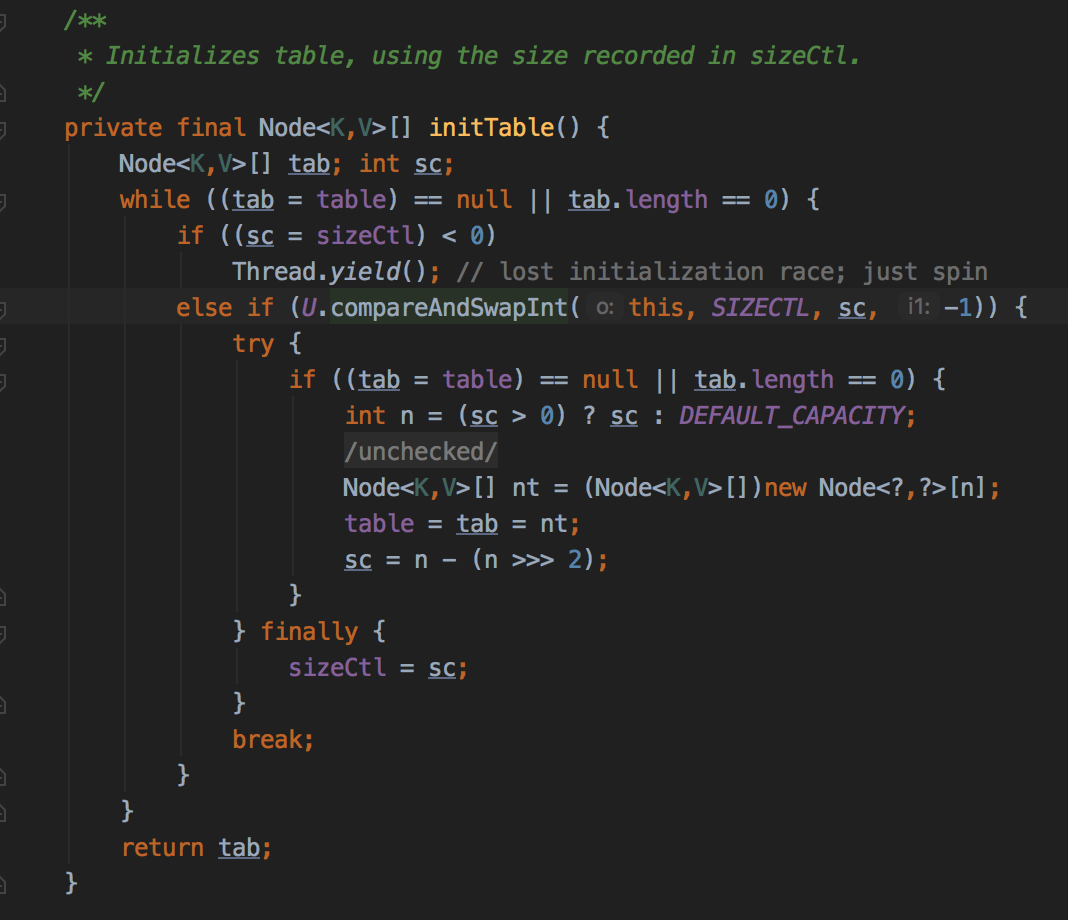
initTable在获取cas成功之后会初始化一个node数组。sizeCtrl会被设置为数组大小的0.75。
扩容:
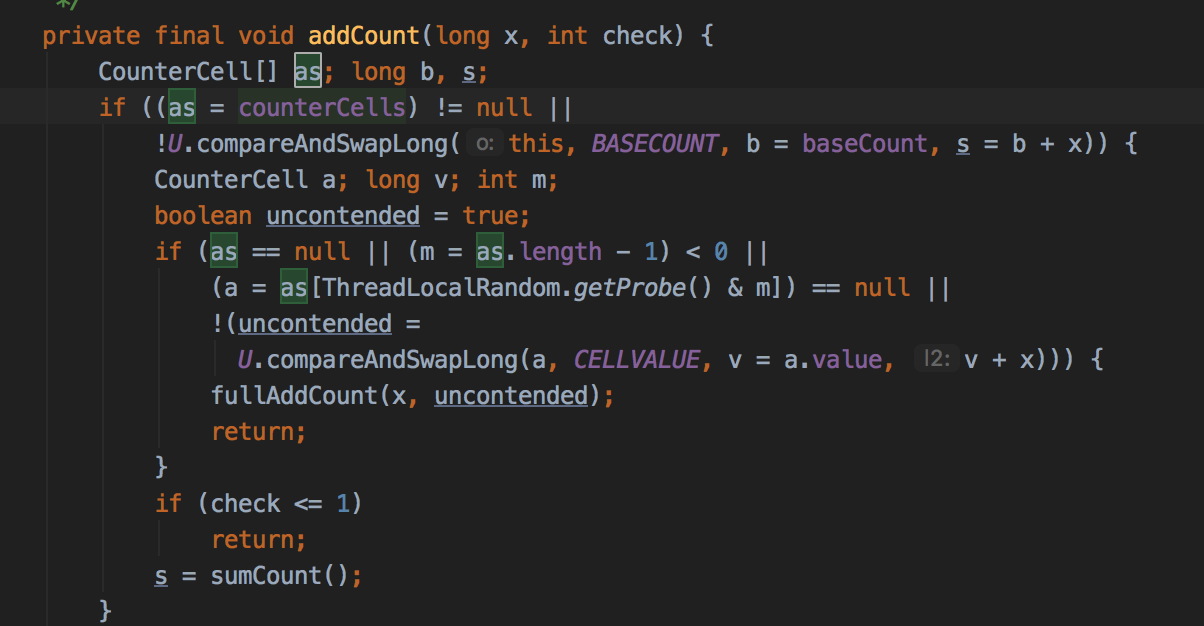
addCount里:
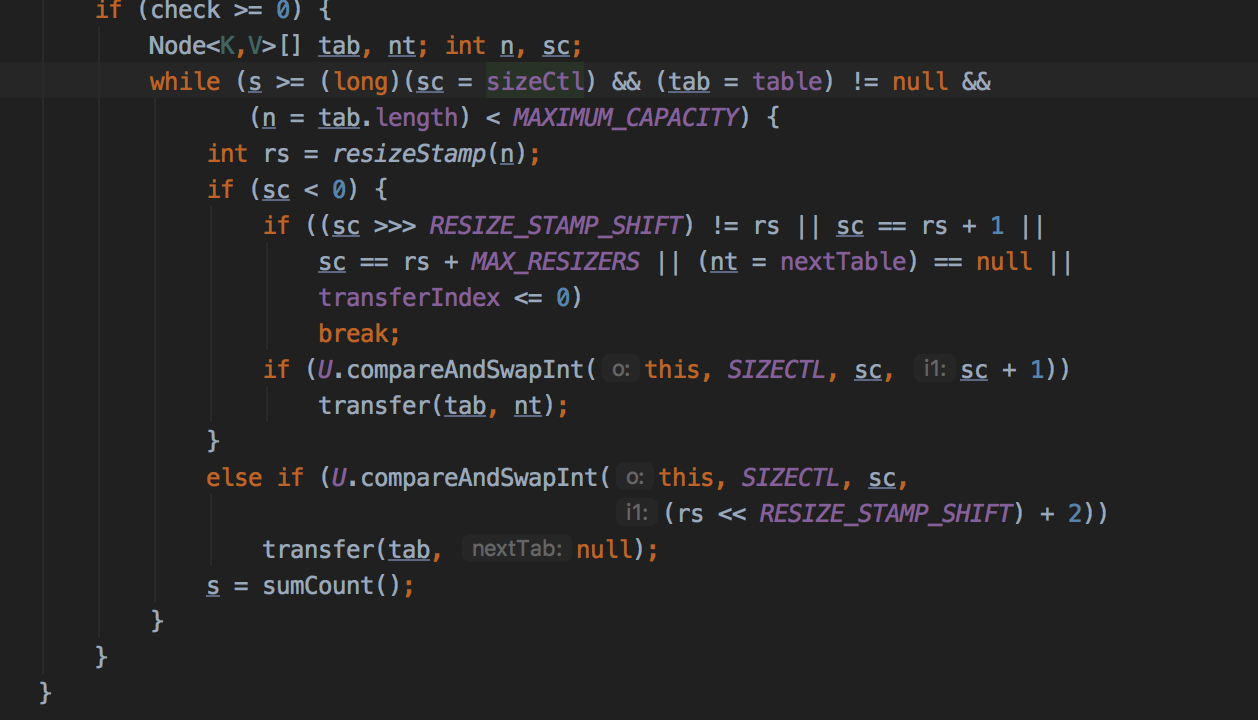
sizeCtl不通的状态居然代表不同的含义,大佬是真的敢,
sizeCtl>=0说明未处在扩容的状态(-1正在初始化和扩容,-n参与到扩容的线程数,>0已初始化,=0未初始化默认值)
resizeStamp()的返回值(简称为rs) 高16位置0,第16位为1,低15位存放当前容量n扩容标识,用于表示是对n的扩容。
rs与RESIZE_STAMP_SHIFT配合可以求出新的sizeCtl的值,分情况如下:
sc >= 0
表示没有线程在扩容,使用CAS将sizeCtl的值改为(rs << RESIZE_STAMP_SHIFT) + 2)。高15位为容量n扩容标识,并行扩容线程数+1。
sc < 0
已经有线程在扩容,将sizeCtl+1并调用transfer()让当前线程参与扩容。
private final void transfer(Node<K,V>[] tab, Node<K,V>[] nextTab) {
        int n = tab.length, stride;
     //检查cpu核心数,如果大于1,n*8/核心数,否则就是n。计算结果小于16 取16
        if ((stride = (NCPU > 1) ? (n >>> 3) / NCPU : n) < MIN_TRANSFER_STRIDE)
            stride = MIN_TRANSFER_STRIDE; // subdivide range
        if (nextTab == null) {
            // initiating
       //如果是第一个扩容的线程进来,nextTab=null先进行初始化
            try {
                @SuppressWarnings("unchecked")
          //大小为n两倍的数组
                Node<K,V>[] nt = (Node<K,V>[])new Node<?,?>[n << 1];
                nextTab = nt;
            } catch (Throwable ex) {      // try to cope with OOME
                sizeCtl = Integer.MAX_VALUE;
                return;
            }
       //记录nextTable,和分割点transferIndex
            nextTable = nextTab;
            transferIndex = n;
        }
        int nextn = nextTab.length;
        ForwardingNode<K,V> fwd = new ForwardingNode<K,V>(nextTab);
        boolean advance = true;
        boolean finishing = false; // to ensure sweep before committing nextTab
        for (int i = 0, bound = 0;;) {
            Node<K,V> f; int fh;
            while (advance) {
                int nextIndex, nextBound;
          //--i>=bound当前没处理完继续处理(线程负责处理bound~nextIndex之间的槽,从nextIndex递减处理到bound)
                if (--i >= bound || finishing)
                    advance = false;
                else if ((nextIndex = transferIndex) <= 0) {
                    i = -1;
                    advance = false;
                }
          //cas nextIndex替换为nextBound。但是这里会成功吗?nextIndex会被compare成功?
                else if (U.compareAndSwapInt
                         (this, TRANSFERINDEX, nextIndex,
                          nextBound = (nextIndex > stride ?
                                       nextIndex - stride : 0))) {
                    bound = nextBound;
                    i = nextIndex - 1;
                    advance = false;
                }
            }
            if (i < 0 || i >= n || i + n >= nextn) {
                int sc;
                if (finishing) {
                    nextTable = null;
                    table = nextTab;
                    sizeCtl = (n << 1) - (n >>> 1);
                    return;
                }
                if (U.compareAndSwapInt(this, SIZECTL, sc = sizeCtl, sc - 1)) {
                    if ((sc - 2) != resizeStamp(n) << RESIZE_STAMP_SHIFT)
                        return;
                    finishing = advance = true;
                    i = n; // recheck before commit
                }
            }
            else if ((f = tabAt(tab, i)) == null)
                advance = casTabAt(tab, i, null, fwd);
            else if ((fh = f.hash) == MOVED)
                advance = true; // already processed
            else {
                synchronized (f) {
                    if (tabAt(tab, i) == f) {
                        Node<K,V> ln, hn;
                        if (fh >= 0) {
                            int runBit = fh & n;
                            Node<K,V> lastRun = f;
                            for (Node<K,V> p = f.next; p != null; p = p.next) {
                                int b = p.hash & n;
                                if (b != runBit) {
                                    runBit = b;
                                    lastRun = p;
                                }
                            }
                            if (runBit == 0) {
                                ln = lastRun;
                                hn = null;
                            }
                            else {
                                hn = lastRun;
                                ln = null;
                            }
                            for (Node<K,V> p = f; p != lastRun; p = p.next) {
                                int ph = p.hash; K pk = p.key; V pv = p.val;
                                if ((ph & n) == 0)
                                    ln = new Node<K,V>(ph, pk, pv, ln);
                                else
                                    hn = new Node<K,V>(ph, pk, pv, hn);
                            }
                            setTabAt(nextTab, i, ln);
                            setTabAt(nextTab, i + n, hn);
                 //在旧的table中留一个ForwardingNode,在新的线程hash到这个槽的时候,参与到扩容中来
                            setTabAt(tab, i, fwd);
                            advance = true;
                        }
                        else if (f instanceof TreeBin) {
                            TreeBin<K,V> t = (TreeBin<K,V>)f;
                            TreeNode<K,V> lo = null, loTail = null;
                            TreeNode<K,V> hi = null, hiTail = null;
                            int lc = 0, hc = 0;
                            for (Node<K,V> e = t.first; e != null; e = e.next) {
                                int h = e.hash;
                                TreeNode<K,V> p = new TreeNode<K,V>
                                    (h, e.key, e.val, null, null);
                                if ((h & n) == 0) {
                                    if ((p.prev = loTail) == null)
                                        lo = p;
                                    else
                                        loTail.next = p;
                                    loTail = p;
                                    ++lc;
                                }
                                else {
                                    if ((p.prev = hiTail) == null)
                                        hi = p;
                                    else
                                        hiTail.next = p;
                                    hiTail = p;
                                    ++hc;
                                }
                            }
                            ln = (lc <= UNTREEIFY_THRESHOLD) ? untreeify(lo) :
                                (hc != 0) ? new TreeBin<K,V>(lo) : t;
                            hn = (hc <= UNTREEIFY_THRESHOLD) ? untreeify(hi) :
                                (lc != 0) ? new TreeBin<K,V>(hi) : t;
                            setTabAt(nextTab, i, ln);
                            setTabAt(nextTab, i + n, hn);
                            setTabAt(tab, i, fwd);
                            advance = true;
                        }
                    }
                }
            }
        }
    }
转载一下查个眼,这块代码有点难啃:
https://blog.csdn.net/tp7309/article/details/76532366
看下get方法:
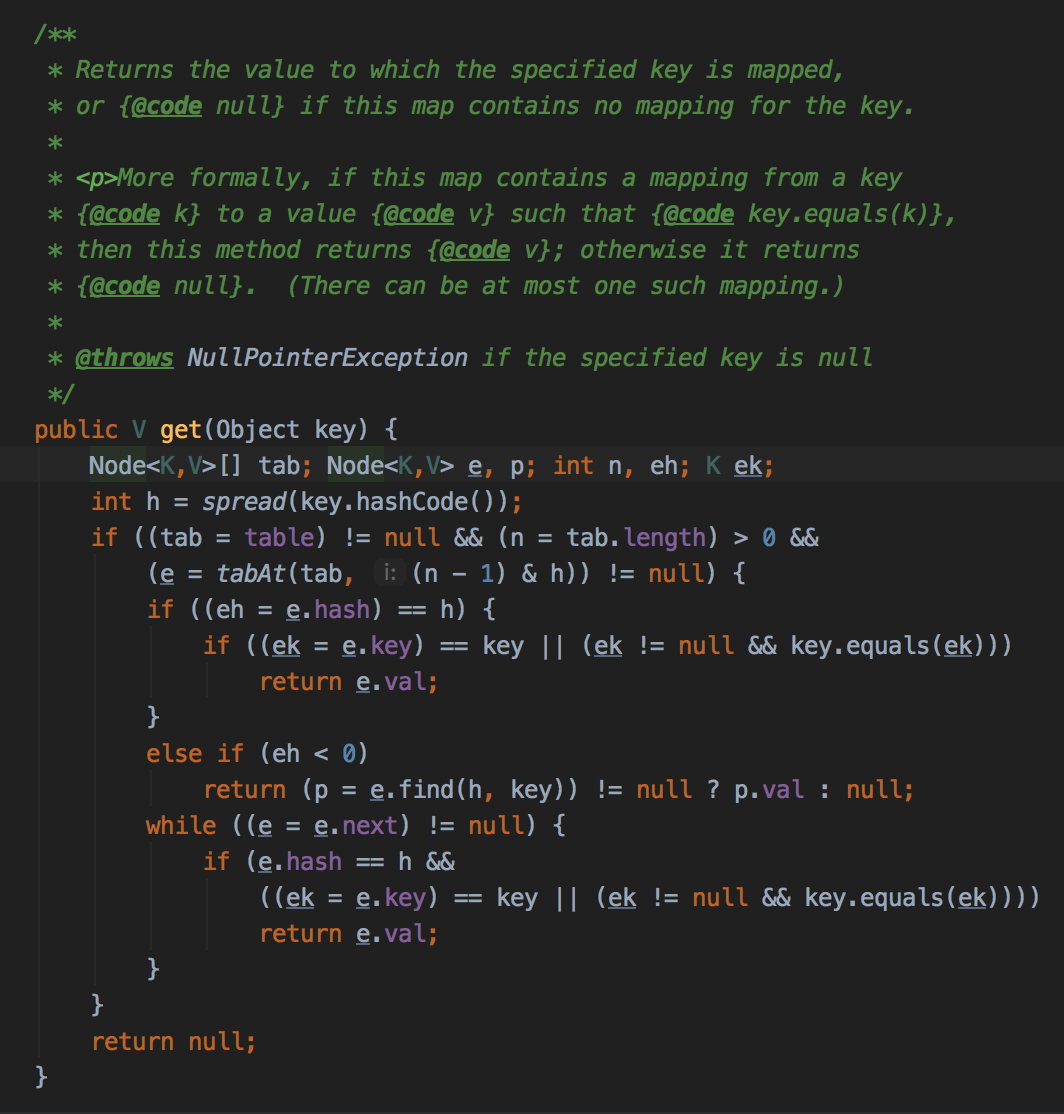
常规操作注意下,当对比的数据的hash值<0,表示在扩容中时:
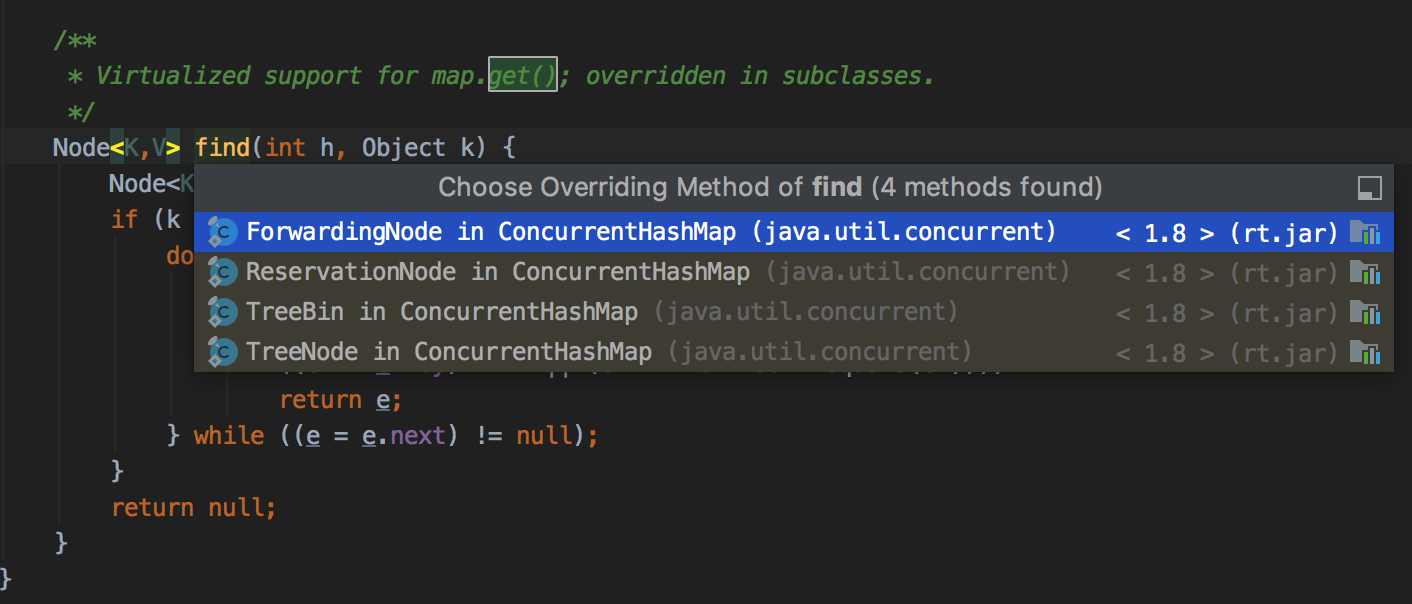
find方法被不同的内部子类override:
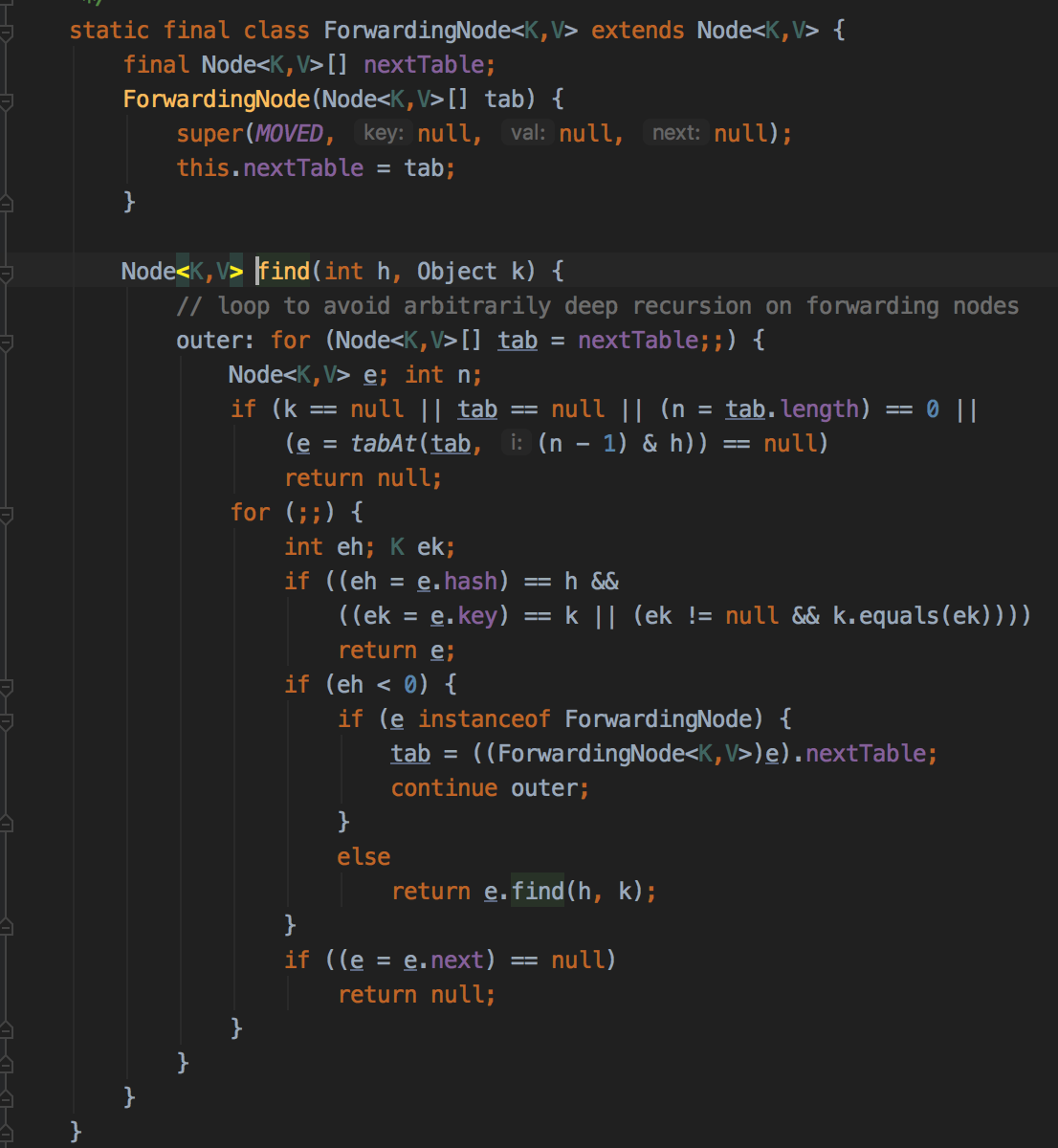
可以看到命中正在扩容中的槽时,回去nextTable查找结果。
size方法:
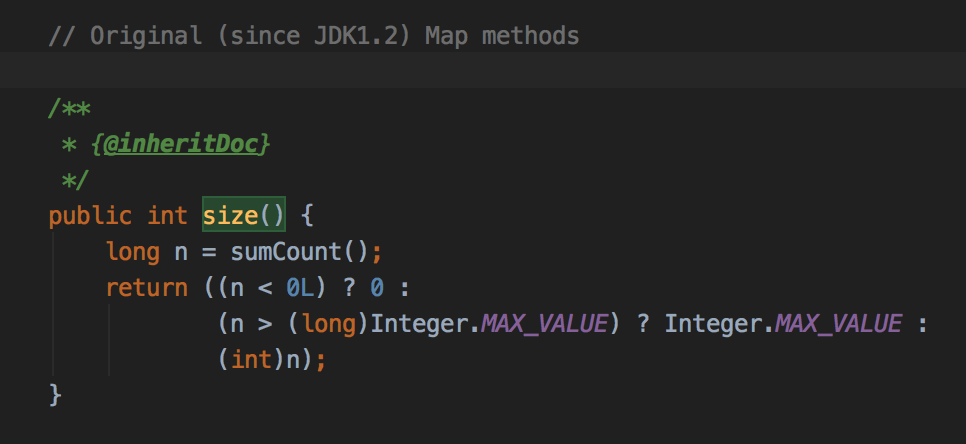
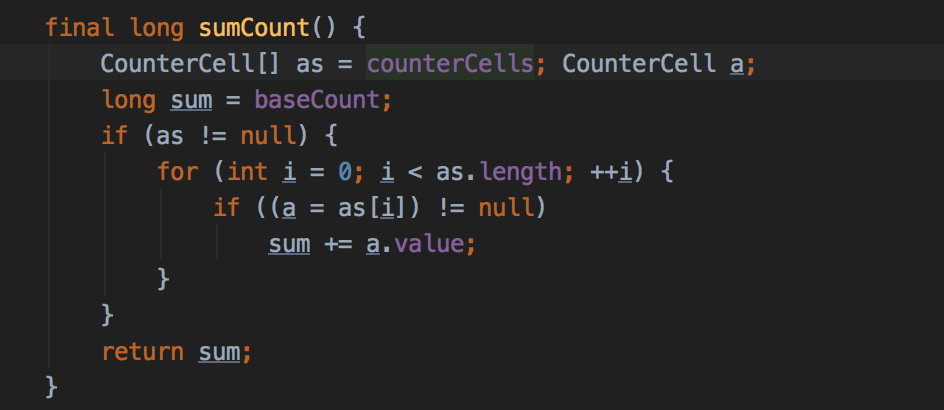

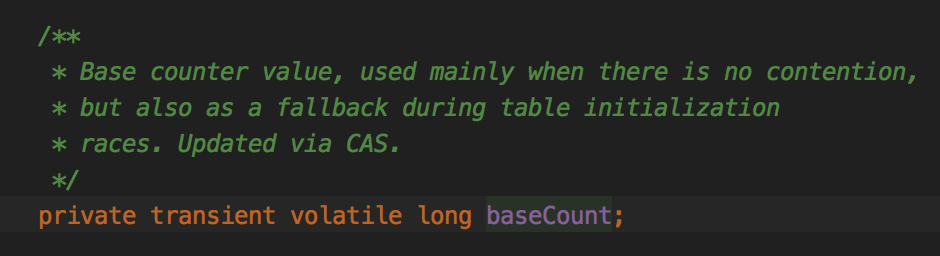
回顾下addCount()的非扩容部分:
总结:与hashMap很像
- 默认大小为16
- sizeCtl
- 扩容时,每个线程先cas分若干桶(与核心数有关最小为16),对每个桶锁第一个元素,然后同样用高位链和低位链的方式完成重hash,并在最后在第一个桶出放一个ForwardingNode表示此桶已结束扩容迁移到新tab中。如果另外的线程在put的时候遇到ForwardingNode则会加入到扩容工作,每一个线程完成分给自己的段(bound)之后,会去拿另一段bound直至扩容全部完成。更改tab的引用到新的tab。如果另一个线程get的时候碰到ForwardingNode,则会调用ForwardingNode的find方法在新的tab中进行查找

 浙公网安备 33010602011771号