
js中async 和await 的详细讲解
async 函数永远会返回一个promise,即使你在函数中没有返回任何值。
async 函数永远会返回一个promise,即使你在函数中没有返回任何值。
因为:返回没有返回值时函数默认返回的是 undefined.
所以:会返回一个 promise,这个 promise 的 值为 undefined。
async function doThingFn(){
  console.log('doThingFn')
}

// async 函数永远会返回一个promise,即使你在函数中没有返回任何值。
console.log(111, doThingFn())

// 输出的值是 undefined
// 因为async 函数会返回一个promise, 所以我们是可以写then的。
doThingFn().then(res=>{
  console.log('输出的值是',res)
})
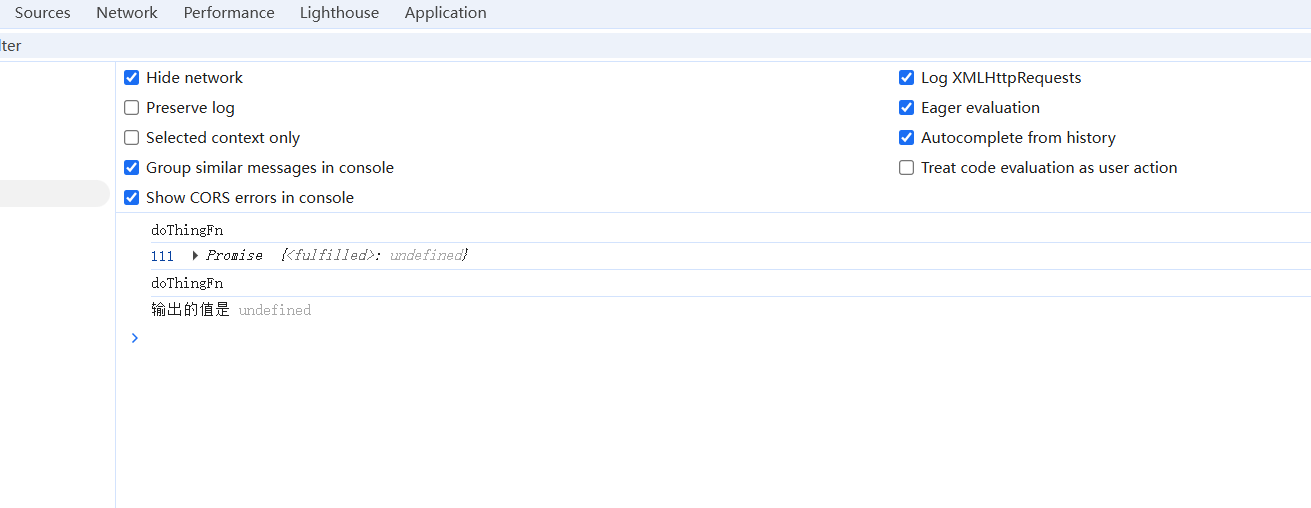
async 函数的返回是Promise.resolve
async function doThingFn(){
  console.log('doThingFn')
}
等于与下面的
async function doThingFn(){
  // 返回没有返回值时函数默认返回的是 undefined.
  return Promise.resolve(undefined)
}
当 await 遇到一个被拒绝的 Promise 时,它会抛出异常。因此需要被捕获
下面依次输出的结果是:A
async function doThingFn(){
  console.log('A')
  const result2 = await Promise.reject('B')
  console.log('C')
  return Promise.reject('D' )
}
doThingFn()
为啥只会输出:A ?
因为当 await 遇到一个被拒绝的 Promise 时,它会抛出异常。我们没有捕获,直接就会报错的。
因此下面的 C 不会输出。
为啥不会输出 C
async function doThingFn(){
  try{
    console.log('A')
    const result2 = await Promise.reject('B')
    console.log('C')
  }catch(err){
    console.log('err',err)
  }
}
doThingFn()
分析:当 await 遇到被拒绝的 Promise 时(就是说:Promise.reject):
立即抛出异常,中断当前代码块的执行。
(如果有catch), 直接跳转到最近的 catch 块
await 之后的代码不会执行,因此不会输出 C。
如何让他输出C
async function doThingFn(){
  try{
    console.log('A')
    // 我们在这里将它捕获掉。这样就可以输出C
    const result2 = await Promise.reject('B').catch(err=>{
      console.log('err',err)
    })
    console.log('C')
  }catch(err){
    console.log('err',err)
  }
}
doThingFn()
如何在异步中正确获取到B的值
async function timeOutFn(){
  setTimeout(()=>{
    Promise.resolve('B')
  },5000)
}
async function doThingFn(){
  console.log('A')
  // 如何让这里正确获取到B的值
  const result2 = await timeOutFn()
  console.log(result2)
}
doThingFn()
上面的 await timeOutFn() 得到的值是什么?undefined
timeOutFn 函数本身没有显式返回值,因此默认返回 undefined
下面这样就可以获取到值啦~~~
async function timeOutFn(){
  return new Promise((resolve,reject)=>{
    setTimeout(()=>{
      resolve('B')
    },5000)
  })
}

async function doThingFn(){
  console.log('A')
  // return new Promise(...) 是 timeOutFn 函数的返回值
  const result2 = await timeOutFn()
  console.log(result2)
}
doThingFn()
有的小伙伴会问: resolve('B') 为啥不需要return
因为: resolve 是一个回调函数,它用来改变 Promise 的状态从 "pending" 到 "fulfilled"
调用 resolve('B') 只是通知 Promise 完成,并传递值 'B' 给后续的 .then() 或 await
return new Promise(...) 是 timeOutFn 函数的返回值
resolve('B') 是设置 Promise 的解析值,不是函数的返回值
下面 result2 的值是什么?
async function timeOutFn(){
  setTimeout(()=>{
   return new Promise.resolve('B')
  },5000)
}
async function doThingFn(){
  console.log('A')
  // result2 的值是什么?
  const result2 = await timeOutFn()
  console.log(result2)
}
doThingFn() 为啥result2 得到的值是 undefined
在这个函数中,我们使用了setTimeout,setTimeout本身是异步的。
但是它的回调函数是在5秒后执行的。
timeOutFn函数本身并没有等待这个setTimeout的回调函数,而是立即执行完毕。【这个是重点】
因为timeOutFn函数内部没有return语句。所以它返回的是一个undefined。
undefined会被Promise.resolve包装一下,即Promise.resolve(undefined)。
await 不能单独使用,需要配合async一起使用。
不要乱用await,因为 await 是基于 Promise 一起使用的(后面跟的是一个 Promise 对象)
await 后面跟的是一个 Promise 对象,如果不是,则会通过 Promise.resolve()包裹一层
async function example() {
    const value1 = await 42;           // 数字 → Promise.resolve(42)
    const value2 = await 'hello';      // 字符串 → Promise.resolve('hello')
    const value3 = await {data: 1};    // 对象 → Promise.resolve({data: 1})
    const value4 = await null;         // null → Promise.resolve(null)
    console.log(value1, value2, value3, value4);
}
example()
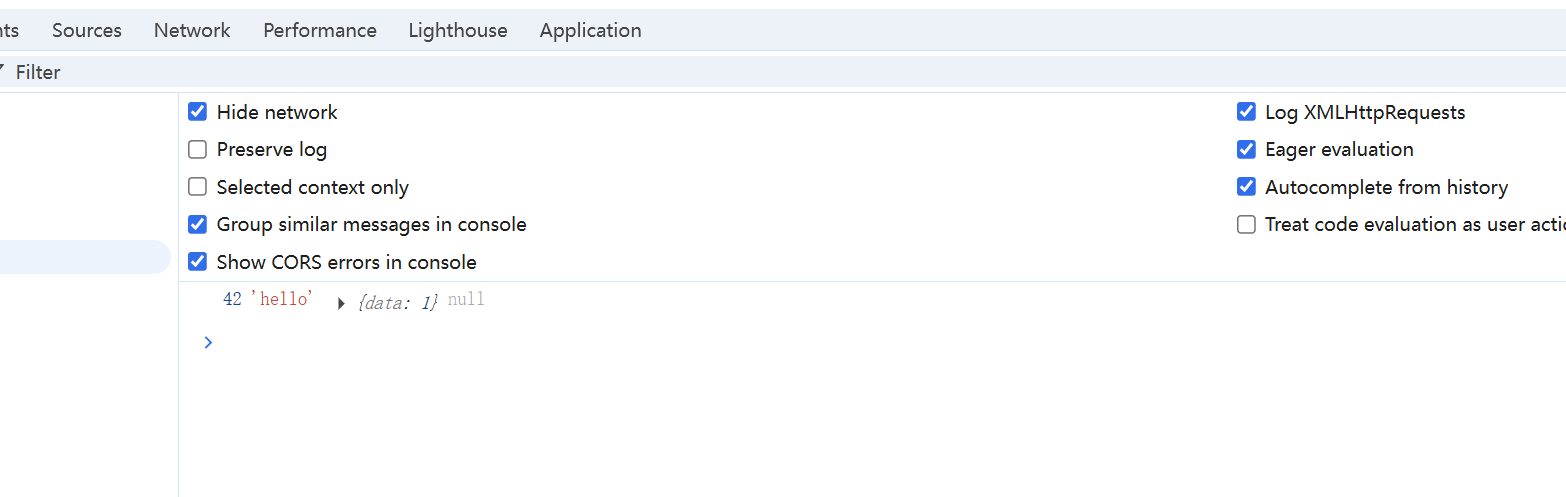
async 和 await 的理解
#### async 和 await 的语法规则
1,async 函数永远会返回一个promise,即使你在函数中没有返回任何值。
2,async 是 function 的一个前缀,只有 async 函数中才能使用 await 语法
3,await 不能单独使用,需要配合async一起使用。
4,await 后面跟的是一个 Promise 对象,如果不是,则会通过 Promise.resolve()包裹一层
await和async的主要作用
await和async 主要是用来优化处理回调地狱的。
遇见问题,这是你成长的机会,如果你能够解决,这就是收获。
出处:https://www.cnblogs.com/IwishIcould/
想问问题,打赏了卑微的博主,求求你备注一下的扣扣或者微信;这样我好联系你;(っ•̀ω•́)っ✎⁾⁾!
如果觉得这篇文章对你有小小的帮助的话,记得在右下角点个“推荐”哦,或者关注博主,在此感谢!
万水千山总是情,打赏5毛买辣条行不行,所以如果你心情还比较高兴,也是可以扫码打赏博主(っ•̀ω•́)っ✎⁾⁾!
想问问题,打赏了卑微的博主,求求你备注一下的扣扣或者微信;这样我好联系你;(っ•̀ω•́)っ✎⁾⁾!


如果文中有什么错误,欢迎指出。以免更多的人被误导。

 浙公网安备 33010602011771号